

Guerrero
· MX

Guerrero

Guerrero, Mexico

Discover the Soul of Mexico in Guerrero Guerrero, nestled on Mexico's sun-drenched Pacific Coast, is a land of vibrant contrasts, where ancient history whispers amidst lush landscapes and modern luxury. More than just be…

#beaches#tourism#culture#history#mountains
1/7

Top hotels & flights

Hand-picked stays and the best fares into Guerrero.

Top Hotels in Guerrero

Top Flights to Guerrero

Popular activities

Tours, tickets and experiences travelers book most in Guerrero.

Tours

Explore the Ruins of Xochicalco

Visit the ancient Mesoamerican city of Xochicalco, featuring impressive pyramids, plazas, and well-preserved stone carvings.

Visit Taxco de Alarcón

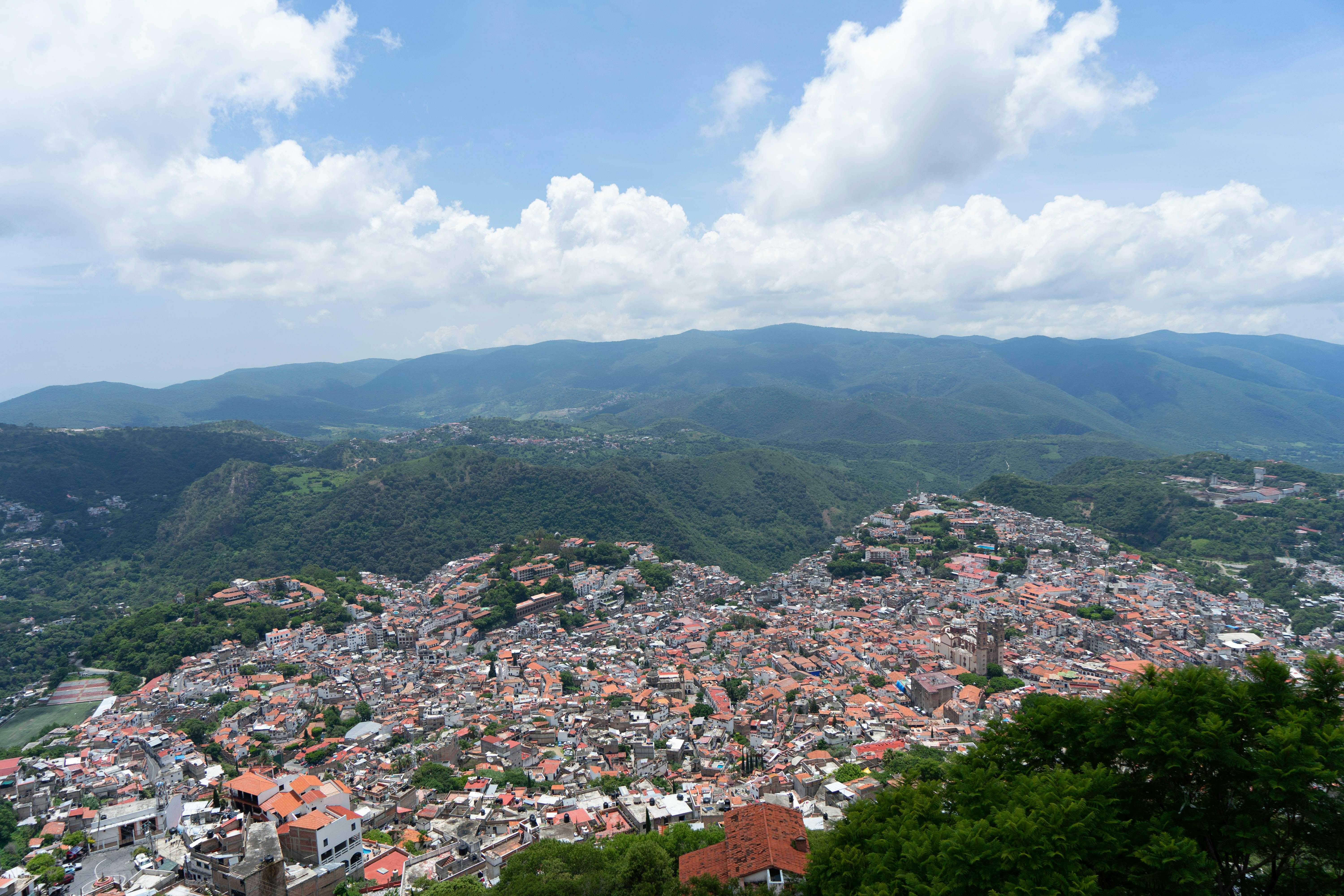
Discover the silver capital of Mexico, famous for its narrow cobblestone streets and beautiful colonial architecture.

Shopping

Shopping in Acapulco

Enjoy a shopping spree in Acapulco's bustling markets and modern malls.

Outdoor

Hiking in Sierra Madre del Sur

Experience the breathtaking views and diverse ecosystems of the Sierra Madre del Sur through guided hikes.

Birdwatching in Chilpancingo

Join a birdwatching tour in Chilpancingo to spot a variety of exotic bird species in their natural habitat.

Location videos

Real reels from travelers, plus longer watches to get the full picture.

Watch & explore

Practical info

The essentials for planning your time in Guerrero.

Currency
$ | MXN | Mexican Peso
Population
3.6 million
Languages
Spanish, Nahuatl

Local guide

What travelers love, what to watch for, and a deeper read on Guerrero.

What people love

Guerrero, Mexico, is a beautiful destination that offers a mix of stunning beaches, rich culture, and historical sites. Here are some of the pros of traveling to Guerrero:

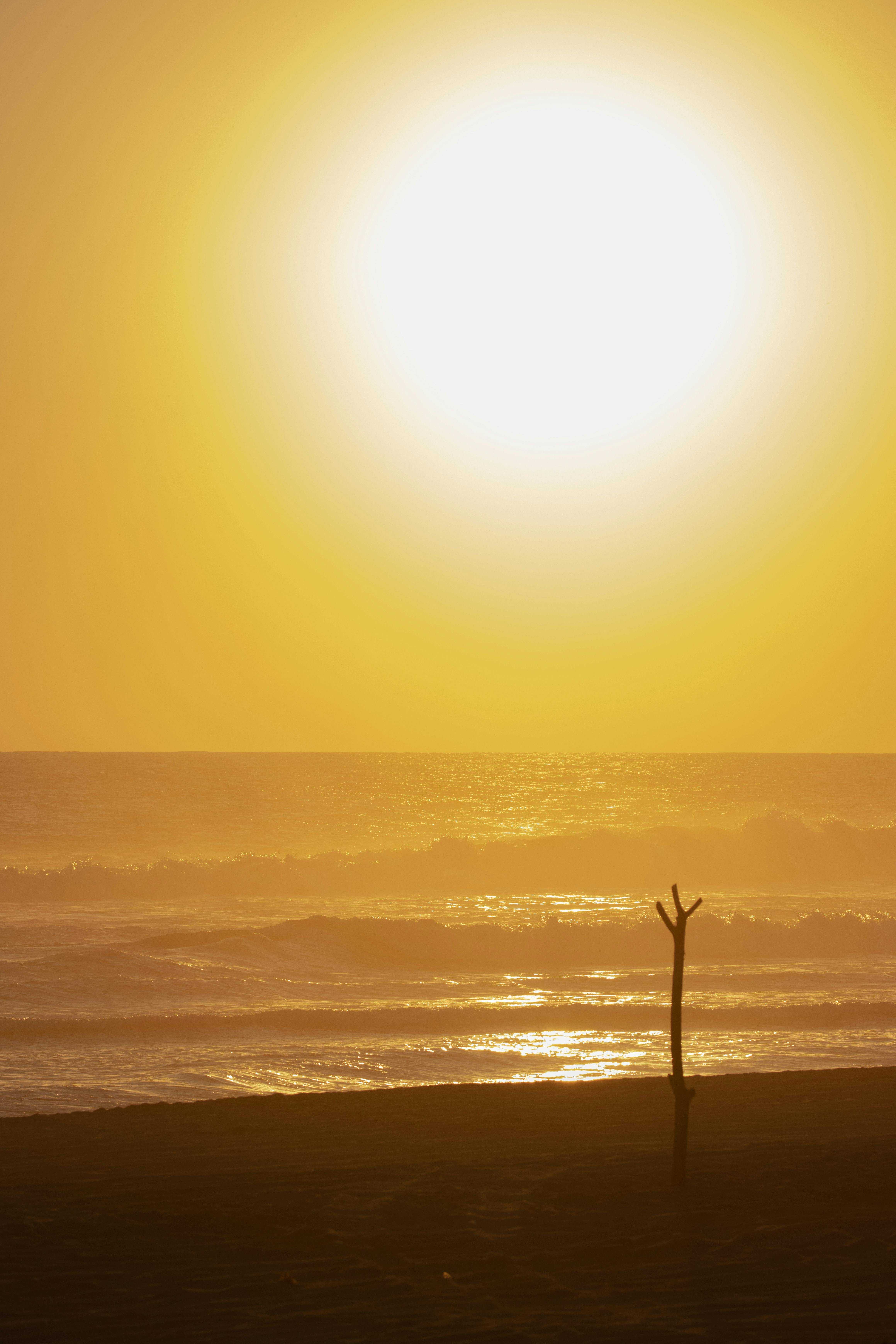
  1. Beaches: Guerrero is home to some of Mexico's most beautiful beaches, including Acapulco, Ixtapa, and Zihuatanejo. These beaches offer golden sands, crystal-clear waters, and opportunities for water sports like snorkeling, swimming, and surfing.

  2. Culture: Guerrero has a rich cultural heritage that can be experienced through its traditional music, dance, and art. Visitors can attend local festivals, visit museums, and explore archaeological sites to learn more about the region's history and traditions.

  3. Cuisine: Guerrero is known for its delicious Mexican cuisine, which includes dishes like pozole, tamales, and mole. Visitors can enjoy authentic Mexican food at local restaurants and street food stalls throughout the region.

  4. Nature: Guerrero is blessed with diverse natural landscapes, including mountains, forests, and waterfalls. Nature lovers can go hiking, bird watching, or explore the region's eco-tourism opportunities.

  5. Hospitality: Guerrero is known for its warm and welcoming hospitality, with friendly locals who are eager to share their culture and traditions with visitors.

Overall, Guerrero offers a mix of natural beauty, cultural experiences, and warm hospitality that make it a fantastic destination for travelers looking to explore Mexico.

What to know

Traveling to Guerrero, Mexico, particularly to areas such as Acapulco, Zihuatanejo, and Ixtapa, can present some challenges and risks due to safety concerns in the region. Some of the cons of traveling to Guerrero include:

  1. High Crime Rates: Guerrero has been known to have high crime rates, including drug-related violence, gang activity, and organized crime. This can pose a risk to travelers, especially in certain areas of the state.

  2. Violent Incidents: Guerrero has experienced incidents of violence, including shootings, robberies, and kidnappings. Travelers may be at risk of becoming victims of such crimes, particularly if they are not cautious or aware of their surroundings.

  3. Drug Cartel Activity: Guerrero is a known area for drug cartel activity, which can lead to violence and instability in the region. Travelers may inadvertently find themselves in dangerous situations if they venture into areas controlled by drug cartels.

  4. Limited Police Presence: In some parts of Guerrero, there may be limited police presence or ineffective law enforcement, which can make it challenging to ensure the safety and security of travelers.

  5. Road Safety Concerns: The roads in Guerrero may not always be well-maintained, and driving conditions can be hazardous, especially in rural areas. Travelers should exercise caution when driving or using public transportation.

  6. Natural Disasters: Guerrero is prone to natural disasters such as hurricanes, earthquakes, and flooding. Travelers should be aware of the risks and have a plan in place in case of emergencies.

It's important for travelers to stay informed about the current situation in Guerrero and to exercise caution when visiting the region. It is advisable to check travel advisories from official sources and take necessary precautions to ensure a safe and enjoyable trip.

Guerrero is a state located in the southwestern region of Mexico. Its capital is Chilpancingo, and it is renowned for its diverse geography, which includes mountains, beaches, and tropical forests. Here is a detailed history of Guerrero, including significant events, historical figures, and important landmarks:

Pre-Columbian Era

  • Indigenous Cultures: Before the arrival of the Spanish, the area now known as Guerrero was inhabited by various indigenous groups, including the Nahua, Mixtec, Tlapanec, and Amuzgo peoples. These cultures had complex societies with rich traditions and were part of the larger Mesoamerican civilization.

Colonial Period

  • Spanish Conquest: The Spanish arrived in the region in the early 16th century. Hernán Cortés and his forces conquered the area, and it became part of the Spanish Empire. The region was initially part of the province of Mexico City.
  • Economic Activities: During the colonial period, Guerrero was known for its mining activities, particularly silver extraction, as well as agriculture and livestock.

Independence Movement

  • Vicente Guerrero: One of the most significant historical figures from Guerrero is Vicente Guerrero, a leader in Mexico's War of Independence. Born in Tixtla, Guerrero played a crucial role in the fight against Spanish rule. He later became the second President of Mexico and is remembered for his efforts to abolish slavery in the country.

Post-Independence

  • Statehood: Guerrero became a state of Mexico on October 27, 1849, named in honor of Vicente Guerrero. Its creation was part of the efforts to organize the newly independent nation.
  • Reformation and Conflicts: Throughout the 19th century, Guerrero was involved in various internal conflicts, including the Reform War and the French Intervention.

20th Century

  • Acapulco: In the mid-20th century, Acapulco became a major tourist destination, attracting international visitors and becoming synonymous with glamour and luxury. It played a significant role in promoting the state's economy.
  • Social Unrest: Guerrero has experienced social and political unrest, particularly in the latter half of the 20th century. The state has seen various movements for land reform and indigenous rights.

21st Century

  • Ayotzinapa Incident: One of the most notable events in recent history is the 2014 disappearance of 43 students from Ayotzinapa Rural Teachers' College in Iguala. This incident drew international attention and caused widespread protests across Mexico.

Important Landmarks

  • Acapulco: Known for its beautiful beaches and vibrant nightlife, Acapulco remains a significant tourist destination.
  • Taxco: Famous for its silver mining and crafts, Taxco is a picturesque colonial town with well-preserved architecture and significant historical value.
  • Zihuatanejo: Another popular tourist spot, known for its scenic beaches and laid-back atmosphere.
  • La Quebrada: A cliff-diving site in Acapulco known for its daring divers who perform breathtaking jumps into the ocean.

Cultural Heritage

  • Traditional Crafts: Guerrero is known for its artisanal crafts, particularly silver jewelry from Taxco and woven textiles from indigenous communities.

Guerrero's history is marked by its indigenous roots, its role in the Mexican War of Independence, and its significance as a cultural and economic hub in Mexico.