
Guangxi
· CN

Guangxi

Guangxi, China

Guangxi, officially the Guangxi Zhuang Autonomous Region, is a region in South Central China. Guangxi borders Vietnam. The region is home to the largest population of Zhuang people, one of China\'s 56 officially recogni…

#Guangxi#China#scenic landscapes#ethnic minorities#karst mountains
1/17

Top hotels & flights

Hand-picked stays and the best fares into Guangxi.

Top Hotels in Guangxi

Top Flights to Guangxi

Location videos

Real reels from travelers, plus longer watches to get the full picture.

Watch & explore

Practical info

The essentials for planning your time in Guangxi.

Currency
¥ | CNY | Chinese Yuan Renminbi
Population
58.6 million
Languages
Standard Cantonese, Standard Cantonese, Yue Chinese, Min Chinese, Hakka Chinese

Local guide

What travelers love, what to watch for, and a deeper read on Guangxi.

What people love

Guangxi, located in southern China, offers a unique and diverse travel experience with its stunning natural landscapes and rich cultural heritage. Here are some pros of traveling to Guangxi:

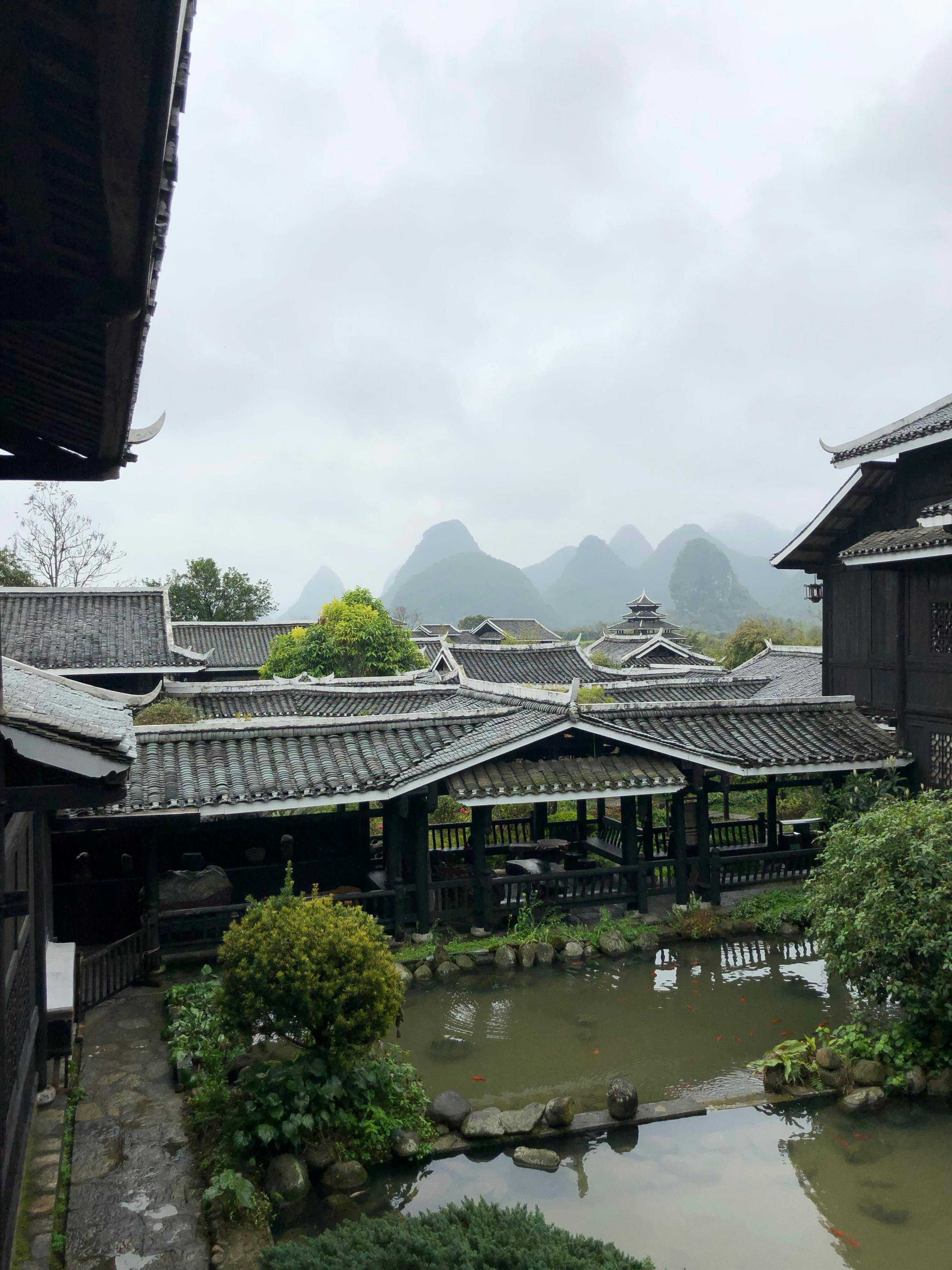
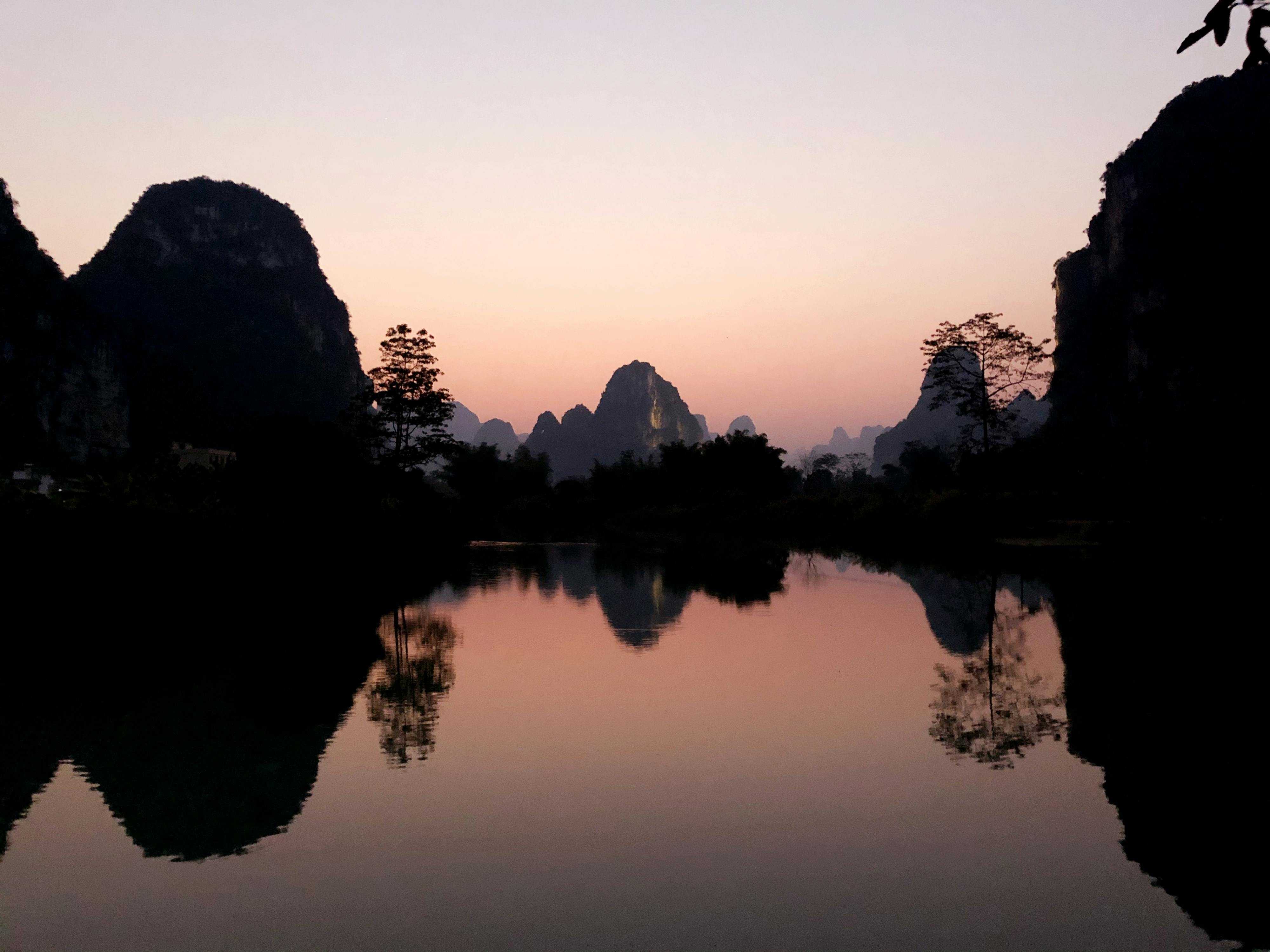
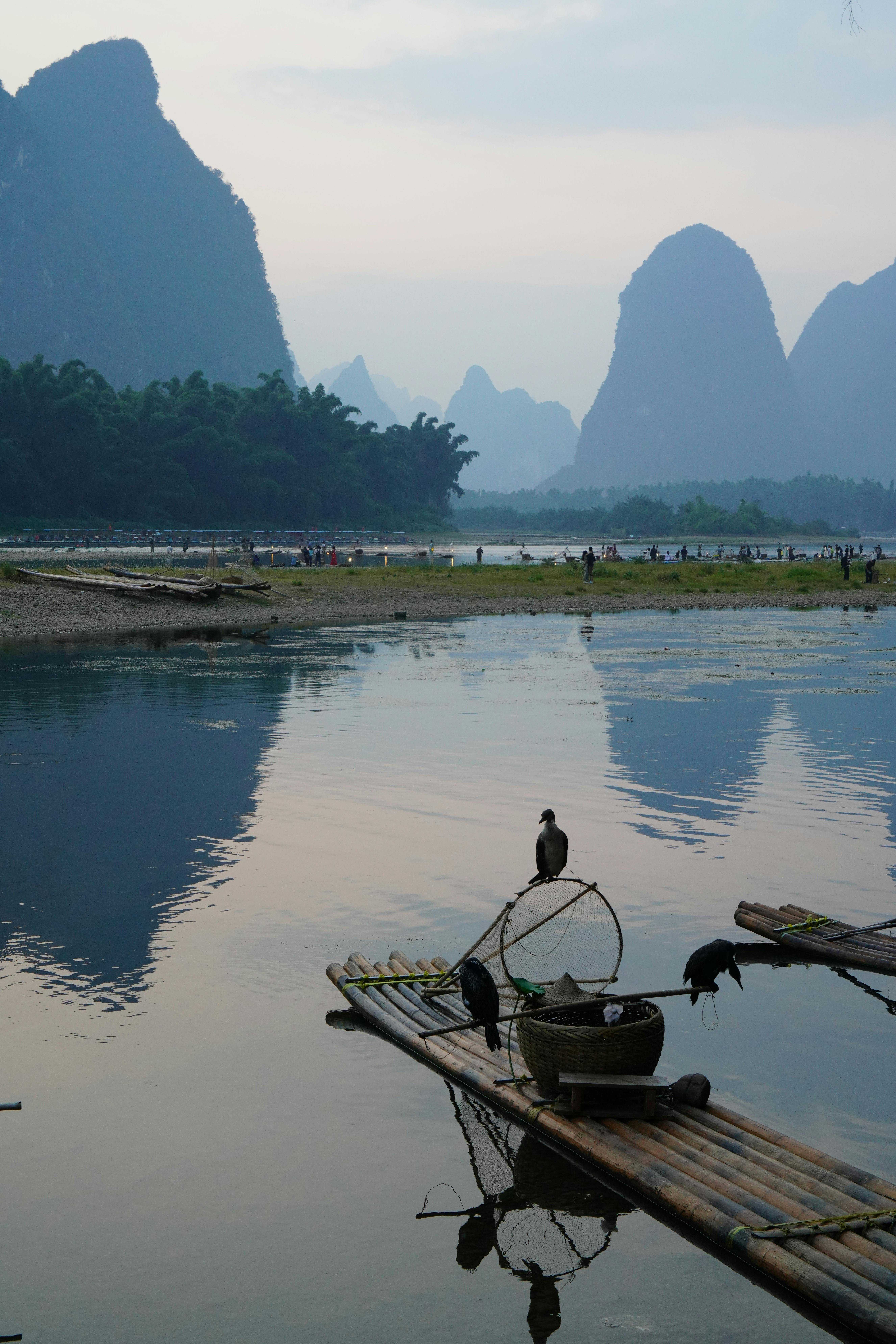
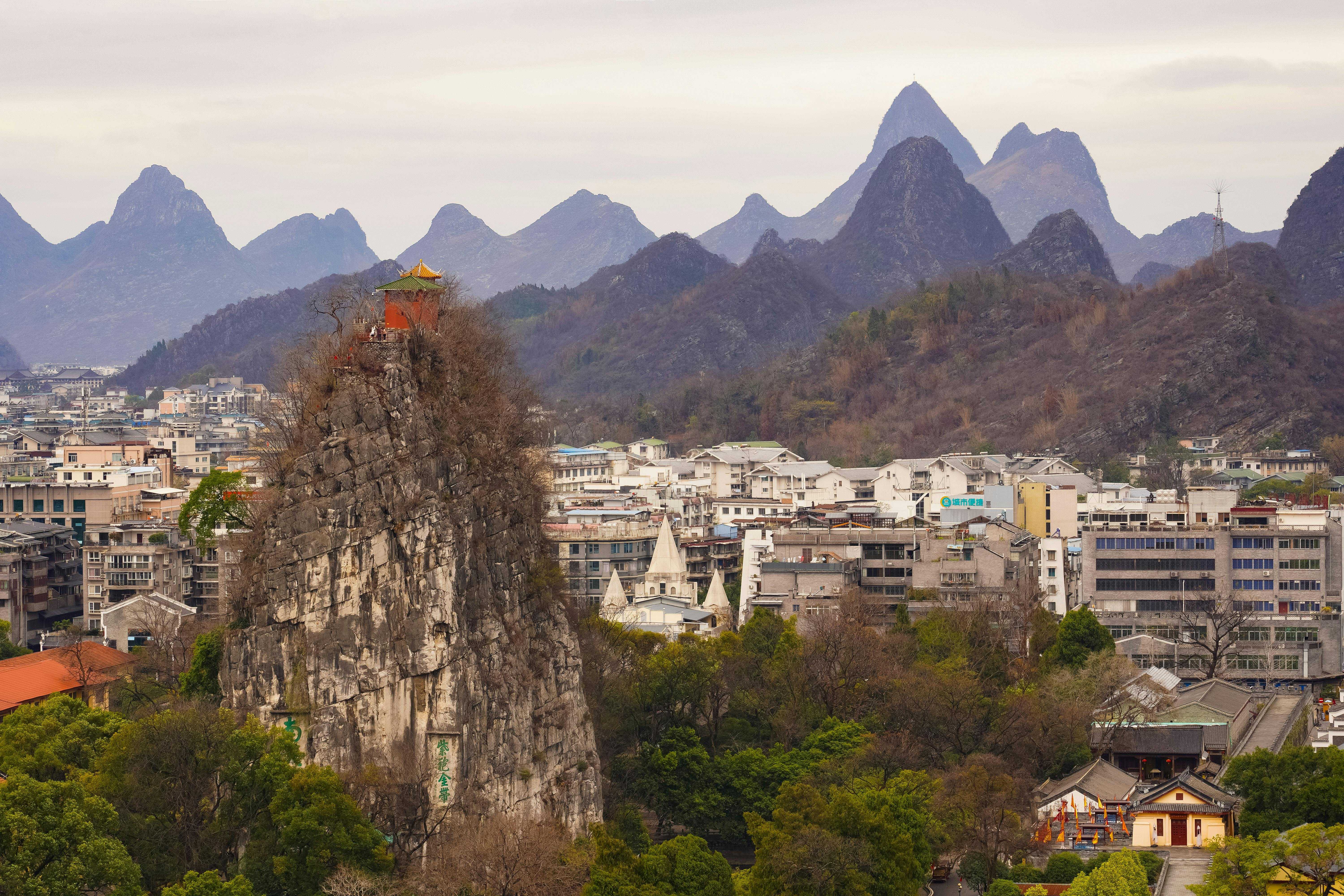
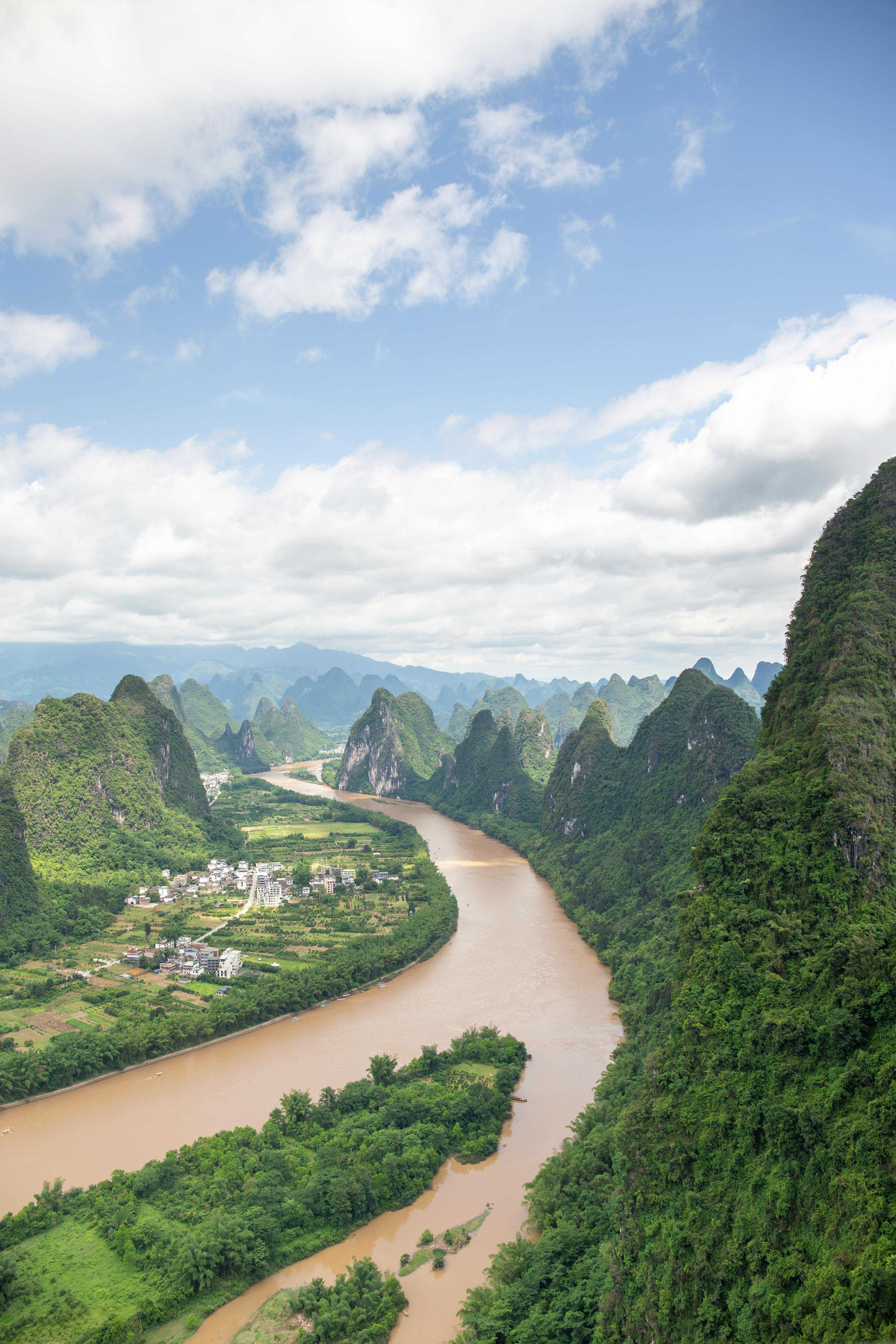
  1. Karst Landscapes: Guangxi is known for its breathtaking karst landscapes, especially in areas like Guilin and Yangshuo. The iconic karst mountains rising from the ground create a picturesque scene that has inspired poets and artists for centuries.

  2. Li River: The Li River, flowing through Guangxi, is famous for its scenic cruises. Traveling down the river offers stunning views of the karst peaks, bamboo groves, and local villages along the way.

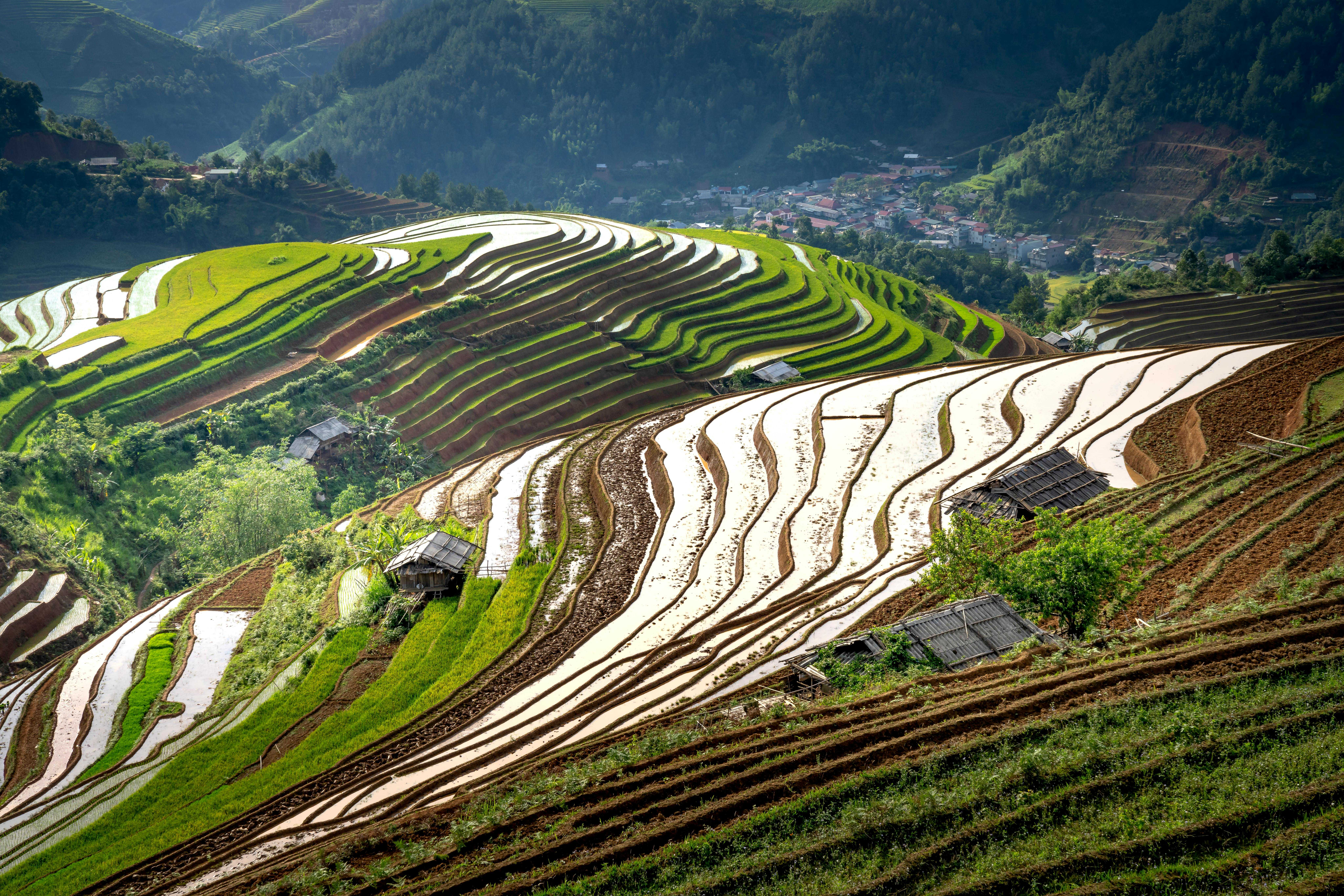
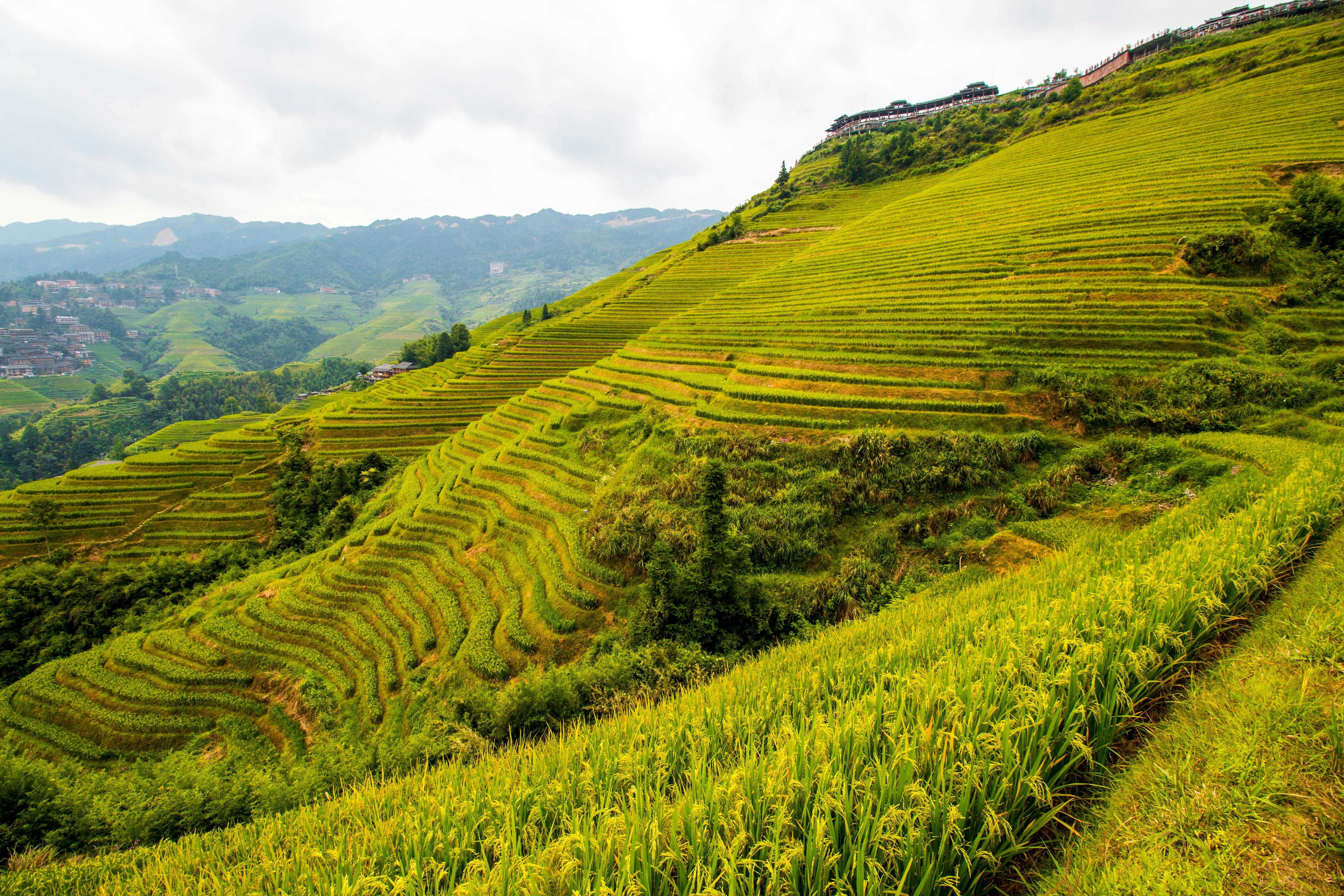
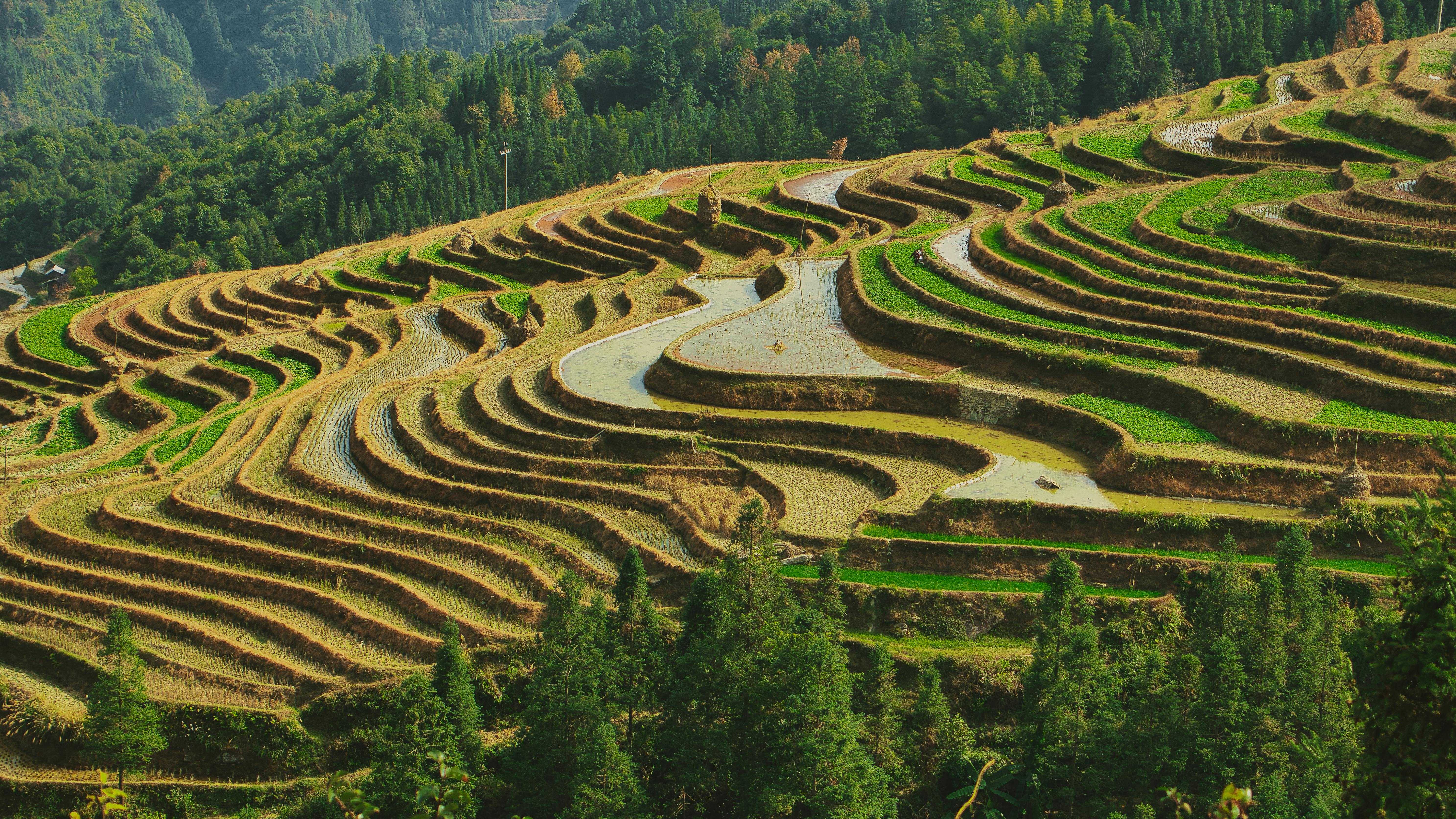
  3. Rice Terraces: Longji Rice Terraces in Guangxi are a marvel of agricultural engineering and offer a glimpse into the traditional farming practices of the region. The terraces are especially beautiful during the planting and harvest seasons.

  4. Ethnic Minority Cultures: Guangxi is home to several ethnic minority groups, such as the Zhuang and Yao people. Travelers can immerse themselves in these vibrant cultures, witness traditional ceremonies and festivals, and sample unique local cuisines.

  5. Outdoor Activities: Guangxi's natural beauty provides ample opportunities for outdoor activities such as hiking, cycling, rock climbing, and river rafting. Adventurous travelers will find plenty to explore in the region.

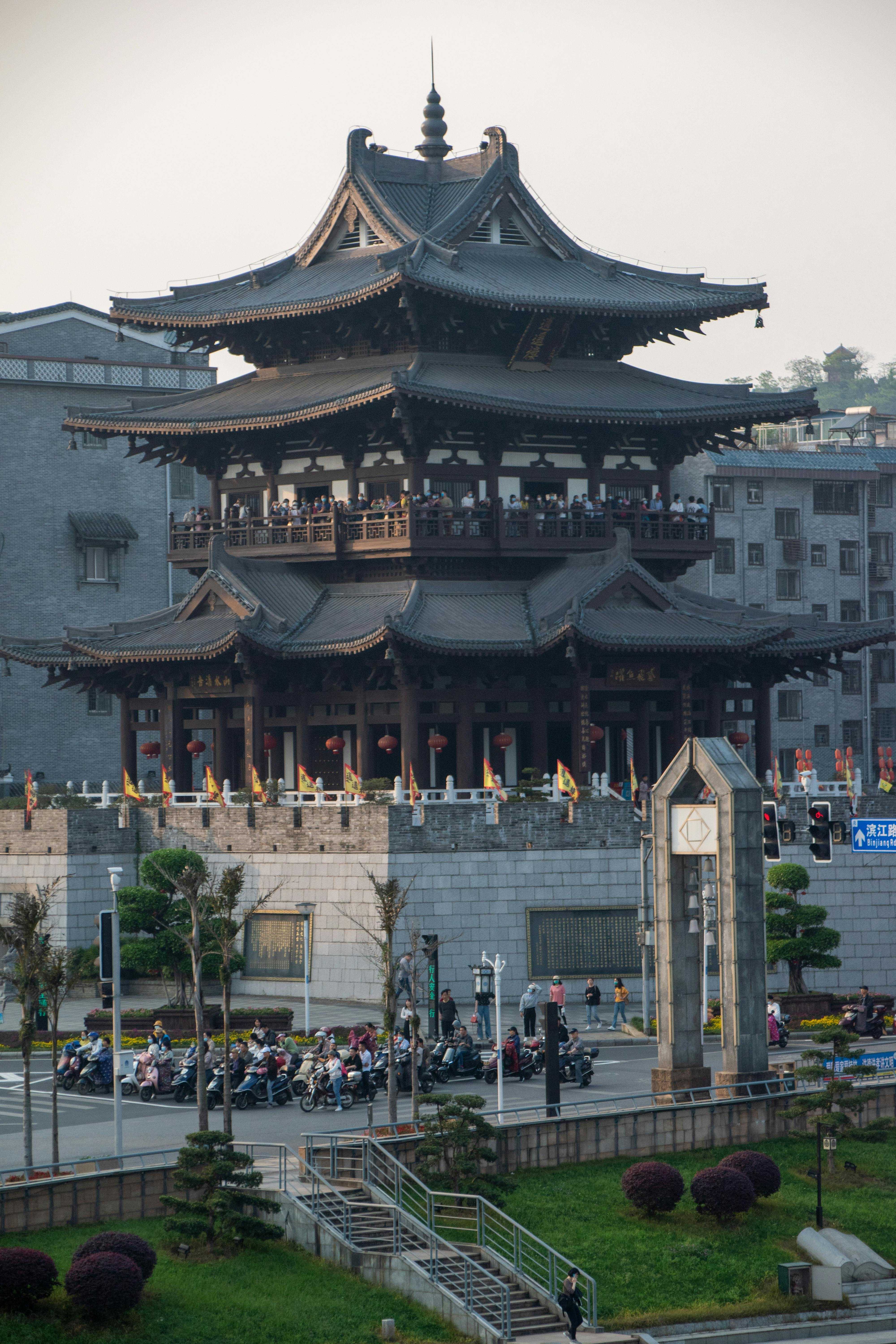
  6. Historical Sites: Guangxi has a rich history, with ancient towns, temples, and historic sites scattered throughout the region. Exploring these cultural landmarks offers insights into Guangxi's past and its significance in Chinese history.

  7. Local Cuisine: Guangxi cuisine is known for its bold flavors and diverse ingredients. From spicy Guilin noodles to fragrant steamed dishes, travelers can savor a variety of local delicacies that reflect the region's culinary heritage.

Overall, traveling to Guangxi provides a unique opportunity to explore a region with stunning natural beauty, diverse cultures, and a rich history. Whether you're seeking adventure, cultural experiences, or simply relaxation amidst picturesque landscapes, Guangxi has something to offer for every traveler.

What to know

Traveling to Guangxi, China, can be a rewarding experience, but there are some potential drawbacks to consider:

  1. Language Barrier: English is not widely spoken in Guangxi, especially in rural areas. Travelers who do not speak Mandarin or Cantonese may find it challenging to communicate.

  2. Weather Conditions: Guangxi has a subtropical climate, which means it can be very hot and humid, particularly in the summer months. The region also experiences a rainy season, which can lead to travel disruptions.

  3. Transportation: While major cities like Nanning and Guilin have good transportation links, getting around more rural parts of Guangxi can be difficult. Public transportation in rural areas may not be as developed, and road conditions can vary.

  4. Crowds and Tourism: Popular destinations such as the Li River and Yangshuo can become very crowded, especially during peak travel seasons and Chinese public holidays, which can detract from the experience.

  5. Cultural Differences: Travelers unfamiliar with Chinese customs and etiquette may experience some culture shock. Understanding local customs and behaviors is important to avoid misunderstandings.

  6. Health and Safety: While Guangxi is generally safe, travelers should still exercise standard precautions. Access to healthcare in rural areas might be limited, and food hygiene standards may vary, so it’s advisable to be cautious with street food.

  7. Pollution and Environmental Concerns: Some areas in Guangxi may suffer from pollution issues. Always check air quality levels if you are sensitive to pollution.

These cons should not deter potential travelers but are important considerations for planning a trip to Guangxi.

Guangxi, officially known as the Guangxi Zhuang Autonomous Region, is located in the southern part of China. It has a rich history, diverse culture, and significant geographical features. Here is a detailed history of Guangxi, including important events, historical figures, and landmarks:

Ancient and Imperial History

  • Prehistoric Era: Archaeological evidence suggests human settlement in Guangxi dating back to the Paleolithic period. The region was initially inhabited by various indigenous tribes, including the Baiyue people.

  • Qin Dynasty (221–206 BCE): The area was incorporated into the Chinese empire during the Qin Dynasty under the leadership of Emperor Qin Shi Huang. It was part of the administrative region known as Guilin Commandery.

  • Han Dynasty (206 BCE – 220 CE): The region became more integrated into the Han administrative framework, promoting trade and cultural exchanges.

  • Tang Dynasty (618–907): Guangxi became more developed, with Nanning, the current capital, becoming a notable administrative center. It was during this time that the region saw a significant increase in Han Chinese migration, influencing local culture.

  • Song Dynasty (960–1279): The region further developed economically and culturally. The Song government established more direct control over Guangxi, which was strategically important for trade and military reasons.

Ming and Qing Dynasties

  • Ming Dynasty (1368–1644): Guangxi became more integrated into the national economy. The Ming government established military garrisons to control the region and suppress local rebellions.

  • Qing Dynasty (1644–1912): The Qing Dynasty continued to exert control over Guangxi, though the region was often a site of ethnic tension. During the Taiping Rebellion (1850–1864), Guangxi was a significant battleground as the rebellion began in neighboring Guangdong.

Modern History

  • Republic of China (1912–1949): During this period, Guangxi was known for its warlord activity. The New Guangxi Clique, led by Li Zongren and Bai Chongxi, played a prominent role in Chinese politics. They were influential in the Nationalist government and in the Northern Expedition to unify China.

  • World War II and Civil War: During the Second Sino-Japanese War (1937–1945), Guangxi was an important base for Chinese resistance. After the war, the Chinese Civil War resumed, and Guangxi became a site of conflict between the Nationalists and Communists.

  • People's Republic of China (1949–present): In 1958, Guangxi was designated as the Guangxi Zhuang Autonomous Region, recognizing the significant population of the Zhuang ethnic minority. The region has since seen economic development and modernization, particularly in its capital, Nanning.

Important Historical Figures

  • Li Zongren (1891–1969): A prominent military and political leader from Guangxi, Li was a key figure in the Nationalist government and played a significant role during the Northern Expedition and the Chinese Civil War.

  • Bai Chongxi (1893–1966): Another influential military leader from Guangxi, Bai was known for his role in the Nationalist government and was a key strategist during the Northern Expedition.

Significant Landmarks

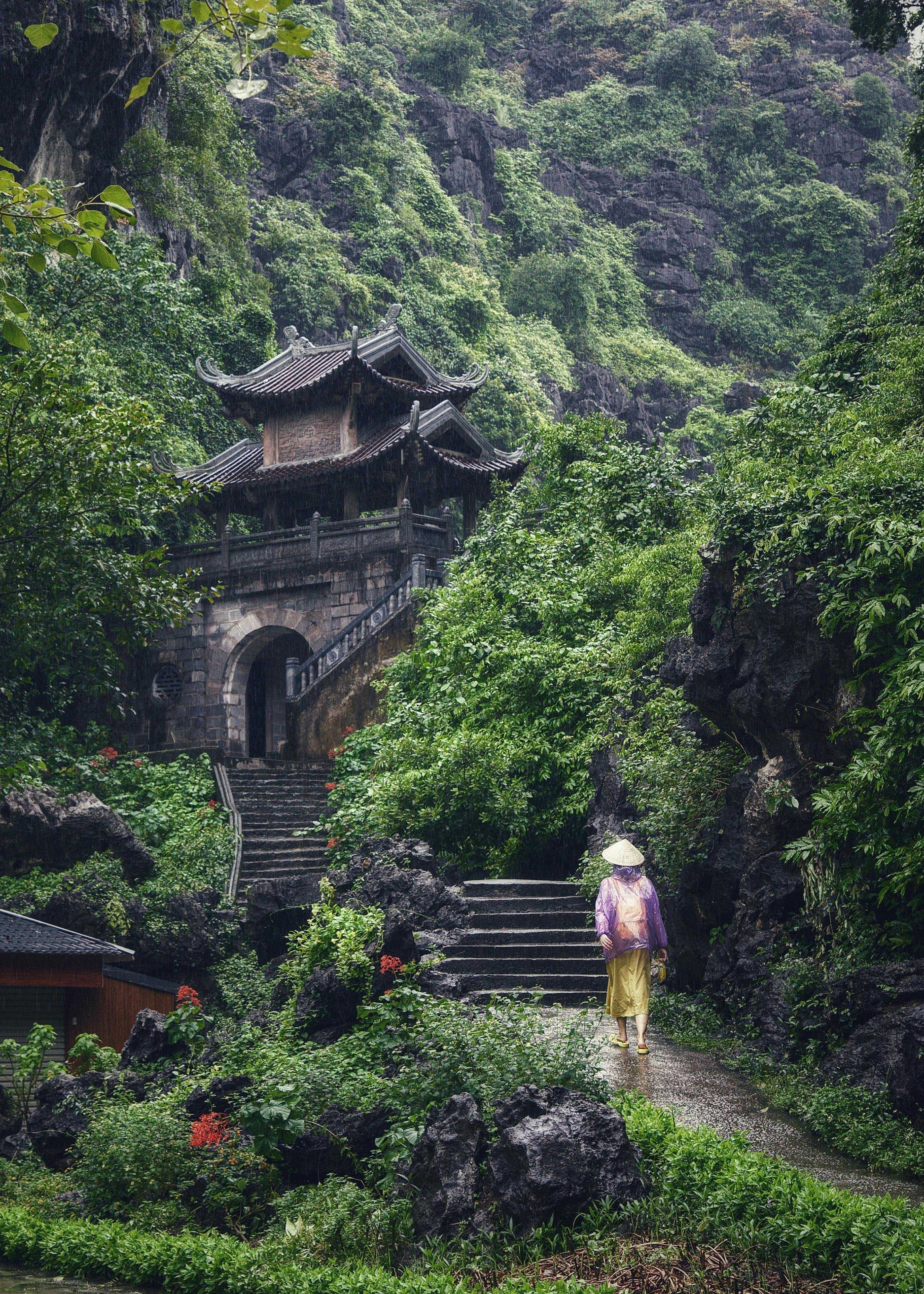
  • Guilin: Known for its stunning karst mountain landscape and the Li River, Guilin is one of China's most famous tourist destinations. The Reed Flute Cave and Elephant Trunk Hill are notable landmarks.

  • Longsheng Rice Terraces: Also known as the Longji Rice Terraces, these are located near Guilin and are famous for their dramatic terraced fields, which have been cultivated for centuries by local ethnic groups.

  • Detian Waterfall: Situated on the border between China and Vietnam, Detian is one of Asia's largest transnational waterfalls.

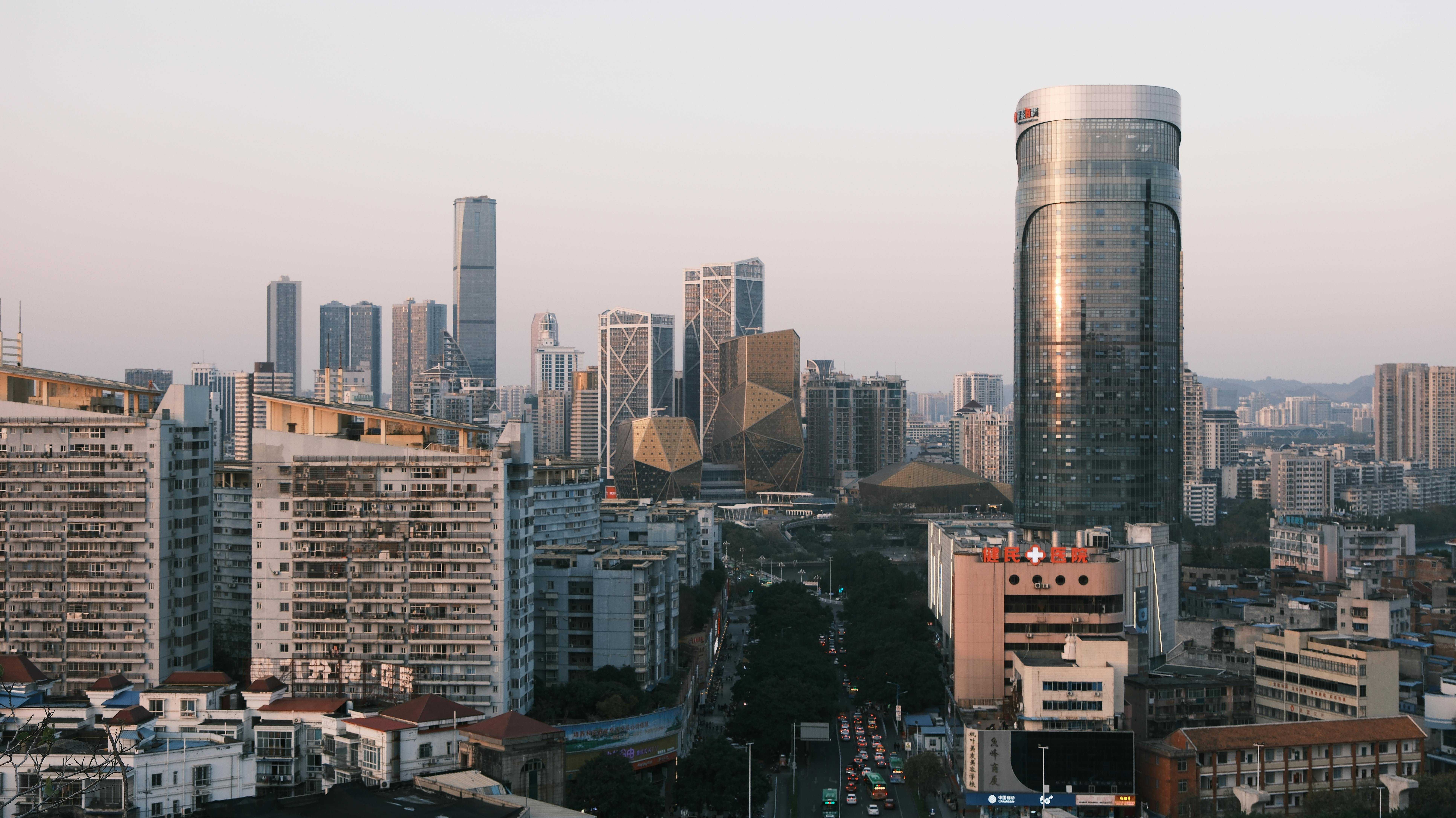
  • Nanning: The capital city of Guangxi, Nanning is known for its vibrant culture and as a hub for trade and commerce in the region.

Guangxi's history is characterized by its diverse ethnic composition, strategic importance, and beautiful landscapes, making it a unique region in China's historical tapestry.