

Guangdong
· CN

Guangdong

Guangdong, China

Guangdong, a vibrant province in southeastern China, seamlessly blends rich history with modern dynamism. As a pivotal economic powerhouse, it boasts bustling metropolises like Guangzhou and Shenzhen, renowned for their …

#Guangdong#China#Southern China#Pearl River Delta#Cantonese cuisine
1/22

Top hotels & flights

Hand-picked stays and the best fares into Guangdong.

Top Hotels in Guangdong

Top Flights to Guangdong

Popular activities

Tours, tickets and experiences travelers book most in Guangdong.

Tours

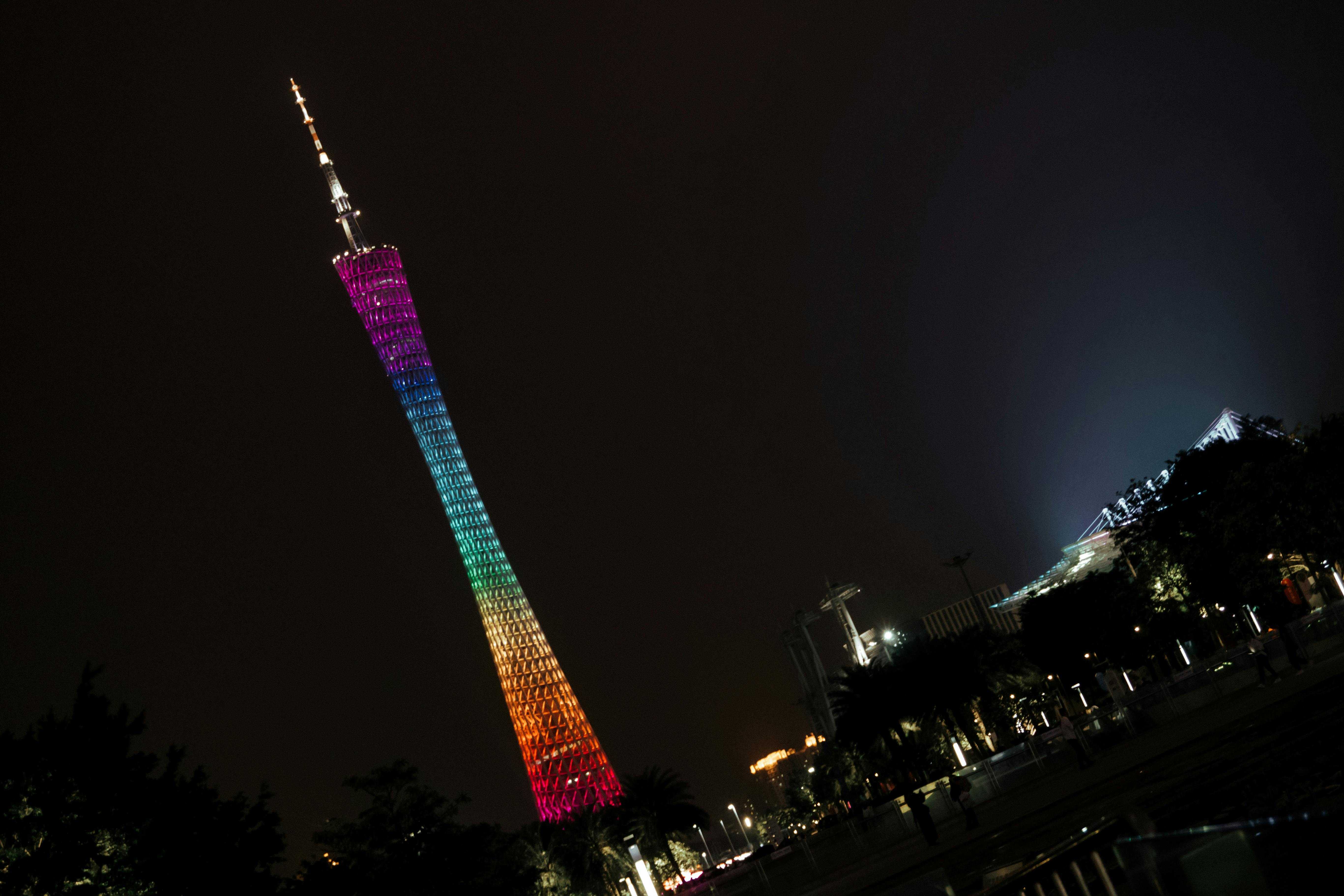
Explore Guangzhou's Canton Tower

Visit the iconic Canton Tower in Guangzhou, one of the tallest towers in the world offering breathtaking views of the city.

Visit Chimelong Safari Park

Experience one of the largest wildlife theme parks with animal shows, safaris, and amusement rides.

Walk through Shamian Island

Explore the European-style architecture and tree-lined streets on Shamian Island in Guangzhou.

Cultural Experience at Foshan Ancestral Temple

Discover the rich history and culture at the Foshan Ancestral Temple, featuring beautiful Lingnan architecture.

Explore Kaiping Diaolou

Visit the historic Kaiping Diaolou, UNESCO World Heritage Site with unique multi-storey defensive towers.

Shopping

Shopping at Beijing Road

Enjoy a shopping spree at Beijing Road in Guangzhou, a bustling street filled with shops and eateries.

Shop at Tee Mall

Spend a day at Tee Mall, one of Guangzhou's largest shopping centres offering a variety of stores and restaurants.

Outdoor

Adventure in Baiyun Mountain

Enjoy hiking and outdoor activities at Baiyun Mountain, a perfect escape into nature within Guangzhou city.

Cruise on Pearl River

Enjoy a night cruise along the Pearl River and marvel at Guangzhou's illuminated skyline.

Relax at Xiqiao Mountain

Visit the serene Xiqiao Mountain for a refreshing getaway with beautiful natural landscapes.

Location videos

Real reels from travelers, plus longer watches to get the full picture.

From travelers
Watch & explore

Practical info

The essentials for planning your time in Guangdong.

Currency
¥ | CNY | Chinese Yuan
Population
126 million
Languages
Cantonese, Cantonese, Hakka, Min

Local guide

What travelers love, what to watch for, and a deeper read on Guangdong.

What people love

Guangdong province, located in southern China, is a dynamic and diverse region with many attractions for travelers. Here are some pros of traveling to Guangdong:

  1. Rich History and Culture: Guangdong has a long history and is known for its unique blend of traditional Chinese culture with influences from neighboring regions such as Hong Kong and Macau. Visitors can explore ancient temples, historic villages, and traditional Cantonese architecture.

  2. Culinary Delights: Guangdong cuisine, also known as Cantonese cuisine, is famous worldwide for its delicious flavors and fresh ingredients. Travelers can enjoy a wide variety of dishes such as dim sum, roast duck, and seafood specialties.

  3. Scenic Landscapes: Guangdong is home to beautiful natural landscapes including mountains, rivers, and beaches. Visitors can explore scenic spots like the breathtaking Danxia Mountain, the peaceful Kaiping Diaolou villages, and the picturesque beaches of Shenzhen.

  4. Vibrant Cities: Guangdong is home to several vibrant and modern cities such as Guangzhou, Shenzhen, and Foshan. These cities offer a mix of ancient landmarks, modern skyscrapers, shopping districts, and entertainment options for visitors to enjoy.

  5. Shopping and Nightlife: Guangdong is a shopper's paradise with a wide range of shopping options from bustling markets to modern malls. Visitors can also experience the vibrant nightlife scene in cities like Guangzhou and Shenzhen with bars, clubs, and live music venues.

Overall, traveling to Guangdong offers a mix of cultural experiences, culinary delights, natural beauty, and modern attractions that make it a great destination for travelers seeking a diverse and dynamic travel experience.

What to know

Some potential cons of traveling to Guangdong, China, may include:

  1. Weather: Guangdong has a subtropical climate with high humidity levels, which can make it uncomfortable for travelers, especially during the summer months when temperatures can soar.

  2. Air Quality: Guangdong is known for having poor air quality due to industrial pollution and high levels of smog. This can be a concern for travelers, especially those with respiratory issues.

  3. Language Barrier: While Mandarin is the official language of China, Cantonese is the primary language spoken in Guangdong. English may not be widely spoken, especially in more rural areas, making communication challenging for travelers.

  4. Crowdedness: Guangdong is one of the most populous provinces in China, and cities like Guangzhou and Shenzhen can be very crowded and bustling. This can lead to long lines, traffic congestion, and difficulty navigating through crowded streets.

  5. Cultural Differences: Guangdong has a unique cultural heritage, and travelers may encounter customs and traditions that are different from their own. It's important to be respectful and open-minded when experiencing a new culture.

  6. Food Safety: While Guangdong is known for its delicious cuisine, travelers should be cautious about food safety and hygiene standards, especially when dining at street stalls or local eateries.

  7. Traffic and Transportation: Guangdong's major cities can have heavy traffic congestion, especially during peak hours. Public transportation options may also be crowded and difficult to navigate for non-Chinese speakers.

It's important to research and plan ahead before traveling to Guangdong to ensure a smooth and enjoyable trip.

Guangdong, located in the southern part of China, is a province with a rich history and significant cultural and economic influence. Here is a detailed overview of its history, key events, notable figures, and important landmarks:

Ancient and Imperial History

  • Prehistoric Era: Archaeological evidence shows that human activity in Guangdong dates back to the Neolithic period. The region was originally inhabited by the Baiyue people.
  • Qin Dynasty (221-206 BCE): Guangdong became part of China's unified territory during the Qin Dynasty when the First Emperor of Qin conquered the Baiyue tribes.
  • Han Dynasty (206 BCE - 220 CE): The region became more integrated into the Chinese empire, with the establishment of the Nanyue Kingdom, which was later annexed by the Han Dynasty.
  • Tang Dynasty (618-907 CE): Guangzhou, the capital of Guangdong, became an important port city and part of the Maritime Silk Road, facilitating trade with Southeast Asia, the Middle East, and Africa.

Middle Ages and Early Modern Period

  • Song Dynasty (960-1279 CE): Guangdong continued to thrive as a commercial center. The city of Guangzhou was one of the largest ports in the world.
  • Yuan and Ming Dynasties (1271-1644 CE): The region remained a vital trade hub, with Guangzhou serving as a gateway for foreign merchants.
  • Qing Dynasty (1644-1912 CE): During this period, especially in the 18th and 19th centuries, Guangdong was the site of significant trade activities, notably the export of tea, porcelain, and silk.

19th Century - Present

  • First Opium War (1839-1842): The conflict between China and Britain began partly due to disputes over trade and opium. The Treaty of Nanking ended the war, ceding Hong Kong to the British and opening up several ports, including Guangzhou, to foreign trade.
  • Taiping Rebellion (1850-1864): Guangdong was a recruitment base for the Taiping forces, which threatened the Qing Dynasty.
  • Revolution of 1911: Guangdong played a crucial role in the overthrow of the Qing Dynasty, with Sun Yat-sen, a native of the province, leading the revolution to establish the Republic of China.
  • 20th Century: After the establishment of the People's Republic of China in 1949, Guangdong became a site for economic reforms in the late 20th century. Deng Xiaoping's policies in the 1980s led to the establishment of Special Economic Zones in Shenzhen and Zhuhai, which transformed the province into an economic powerhouse.

Notable Figures

  • Sun Yat-sen (1866-1925): Known as the "Father of Modern China," he was a key figure in the revolution that overthrew the Qing Dynasty.
  • Deng Xiaoping (1904-1997): Although not from Guangdong, his economic reforms greatly impacted the province, turning cities like Shenzhen into global economic hubs.

Landmarks and Cultural Heritage

  • Chen Clan Ancestral Hall: A renowned example of traditional Cantonese architecture in Guangzhou, used historically for ancestral worship.
  • Shamian Island: A historical area in Guangzhou known for its colonial European architecture.
  • Kaiping Diaolou: Fortified multi-story watchtowers in Kaiping, reflecting a fusion of Chinese and Western architectural styles, recognized as a UNESCO World Heritage Site.
  • Mount Xiqiao: A national park and a site of cultural and historical significance, associated with the Nanhai Guanyin, a large statue of the Buddhist goddess of mercy.

Guangdong has played a pivotal role in China's history, serving as a bridge between China and the world due to its strategic coastal position and robust trading networks. Its transformation into an economic powerhouse in the modern era highlights its continued importance in global trade and economics.