Georgia
Country

Georgia

Georgia

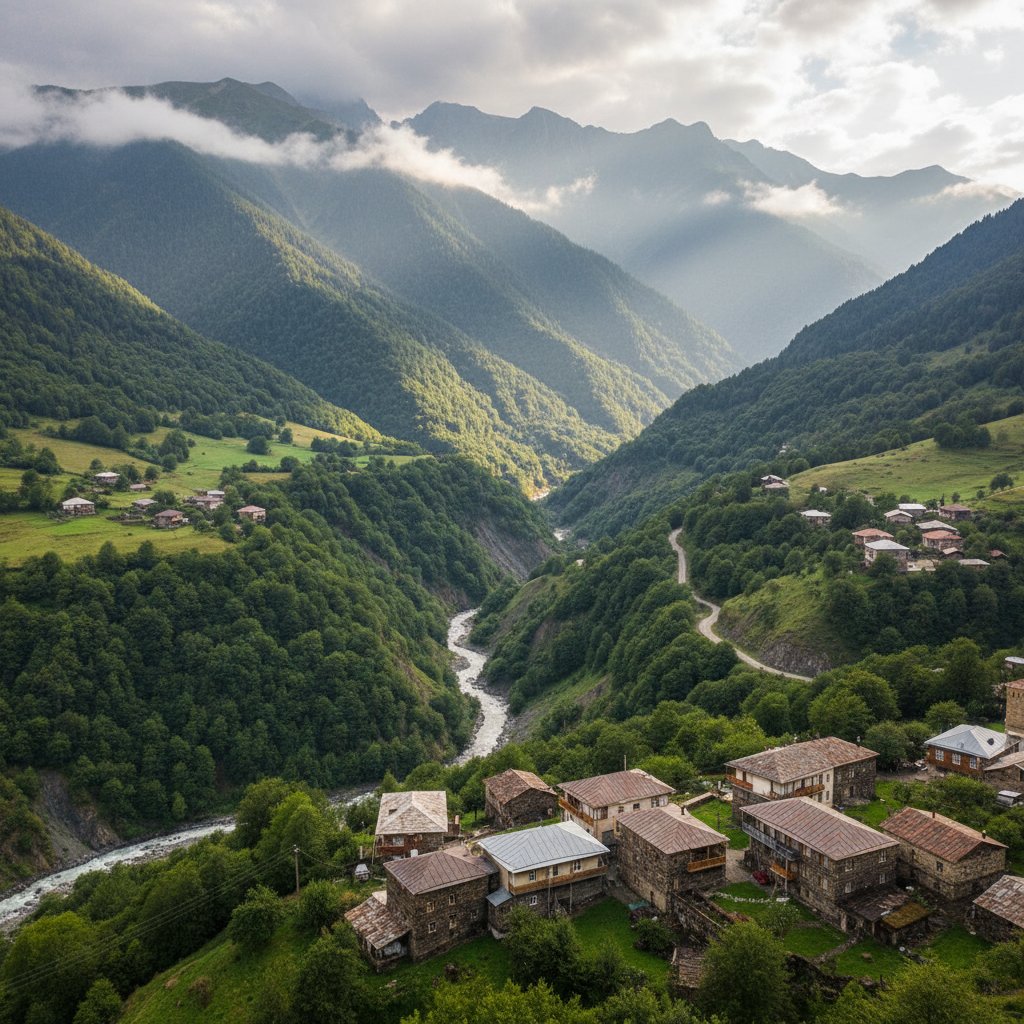
Georgia is a captivating country nestled at the crossroads of Europe and Asia, offering a mesmerizing blend of ancient history, dramatic landscapes…

#Southern United States#Peach State#Atlanta#Warm Climate#Historic Sites

Explore Georgia

Top cities in Georgia

Pick a city to open its guide.

See it for yourself

Location videos

Reels and longer watches.

Featured for Georgia

Traveller clips picked out for this place.

Watch & explore

Good to know

Practical info

Weather, costs and getting around.

Currency
₾ | GEL | Georgian Lari
Population
3.7 million (2023)
Density
53 / km²
Local time
Languages
Georgian mainly · Russian, Armenian, Azerbaijani, Abkhaz
Budget / day
₾100 - ₾550
Also known as
Republic of Georgia, Sakartvelo, საქართველო, საქართველოს რესპუბლიკა, Gruzia

Know before you go

Local guide

A deeper read on Georgia.

What people love

Georgia is an incredibly rewarding destination that offers exceptional value for money. The country boasts breathtaking natural scenery, from the snow-capped Caucasus Mountains to the lush wine regions of Kakheti, making it a haven for hikers and nature lovers. Its rich history is showcased through ancient monasteries and cave cities. Georgian hospitality is legendary, and visitors are warmly welcomed with world-class cuisine—highlighted by dishes like khinkali and khachapuri—and an 8,000-year-old winemaking tradition. Furthermore, the country is generally very safe for tourists, and its relatively compact size allows for diverse experiences within a single trip.

What to know

While Georgia is a captivating destination, it does present a few challenges for travelers. The language barrier can be significant outside major cities, as English is not widely spoken in rural areas and the unique Georgian alphabet can make navigation difficult. Driving conditions can be hazardous due to aggressive local driving habits, poorly maintained mountain roads, and wandering livestock. Public transportation, particularly the marshrutka (minibus) network, can be chaotic and uncomfortable for long journeys. Additionally, while the country is generally safe, visitors should be cautious of petty theft in crowded tourist areas and occasional political demonstrations in the capital.

Georgia, a transcontinental country at the intersection of Eastern Europe and Western Asia, boasts a profound and complex history that stretches back to antiquity. The region was home to the ancient kingdoms of Colchis and Iberia. Colchis, located in western Georgia, is famously known in Greek mythology as the destination of Jason and the Argonauts in their quest for the Golden Fleece. In the early 4th century, Iberia (eastern Georgia) became one of the first nations in the world to adopt Christianity as its state religion, largely credited to the missionary work of Saint Nino. This early Christian heritage remains a cornerstone of Georgian cultural and national identity today.

The medieval period witnessed the unification of various Georgian states, culminating in the Georgian Golden Age from the late 11th to the early 13th centuries. Under the visionary leadership of King David IV (David the Builder) and his great-granddaughter Queen Tamar, the Kingdom of Georgia reached the zenith of its political, economic, and cultural power. This era produced magnificent architecture, literature, and philosophy, including Shota Rustaveli's epic poem, "The Knight in the Panther's Skin."

However, this golden era was abruptly ended by the devastating Mongol invasions in the 13th century, followed by centuries of fragmentation and relentless incursions by the neighboring Ottoman and Persian empires. To seek protection from its Muslim neighbors, the weakened eastern Georgian kingdom of Kartli-Kakheti forged an alliance with the Russian Empire through the Treaty of Georgievsk in 1783. By 1801, Russia had fully annexed eastern Georgia, eventually absorbing the western regions as well.

Following the collapse of the Russian Empire in 1917, Georgia enjoyed a brief period of independence as the Democratic Republic of Georgia from 1918 to 1921. This independence was crushed by the invading Red Army, leading to Georgia's incorporation into the Soviet Union. During the Soviet era, Georgia underwent rapid industrialization but also suffered under the brutal purges orchestrated by Joseph Stalin, who was born in the Georgian town of Gori.

Georgia regained its independence in 1991 following the dissolution of the Soviet Union. The early post-Soviet years were marred by severe economic hardship, civil unrest, and separatist conflicts in the regions of Abkhazia and South Ossetia. In 2003, the peaceful Rose Revolution ousted the post-Soviet old guard, ushering in a period of sweeping democratic and economic reforms. Despite a brief but impactful war with Russia in 2008 over the breakaway regions, modern Georgia has continued to pursue closer integration with the European Union and NATO, emerging as a vibrant, resilient nation celebrated for its ancient heritage, stunning Caucasus landscapes, and legendary hospitality.