

Explore Gelderland
Top cities in Gelderland
Pick a city to open its guide.
See it for yourself
Location videos
Reels and longer watches.
Traveller clips picked out for this place.
Good to know
Practical info
Weather, costs and getting around.
Know before you go
Local guide
A deeper read on Gelderland.
What people love
Gelderland, located in the Netherlands, is a diverse and beautiful region with a lot to offer travelers. Here are some pros of traveling to Gelderland:
-
Natural beauty: Gelderland is known for its stunning natural landscapes, including forests, heathlands, and rivers. The region is home to several national parks, such as Hoge Veluwe National Park, which is perfect for hiking, cycling, and wildlife spotting.
-
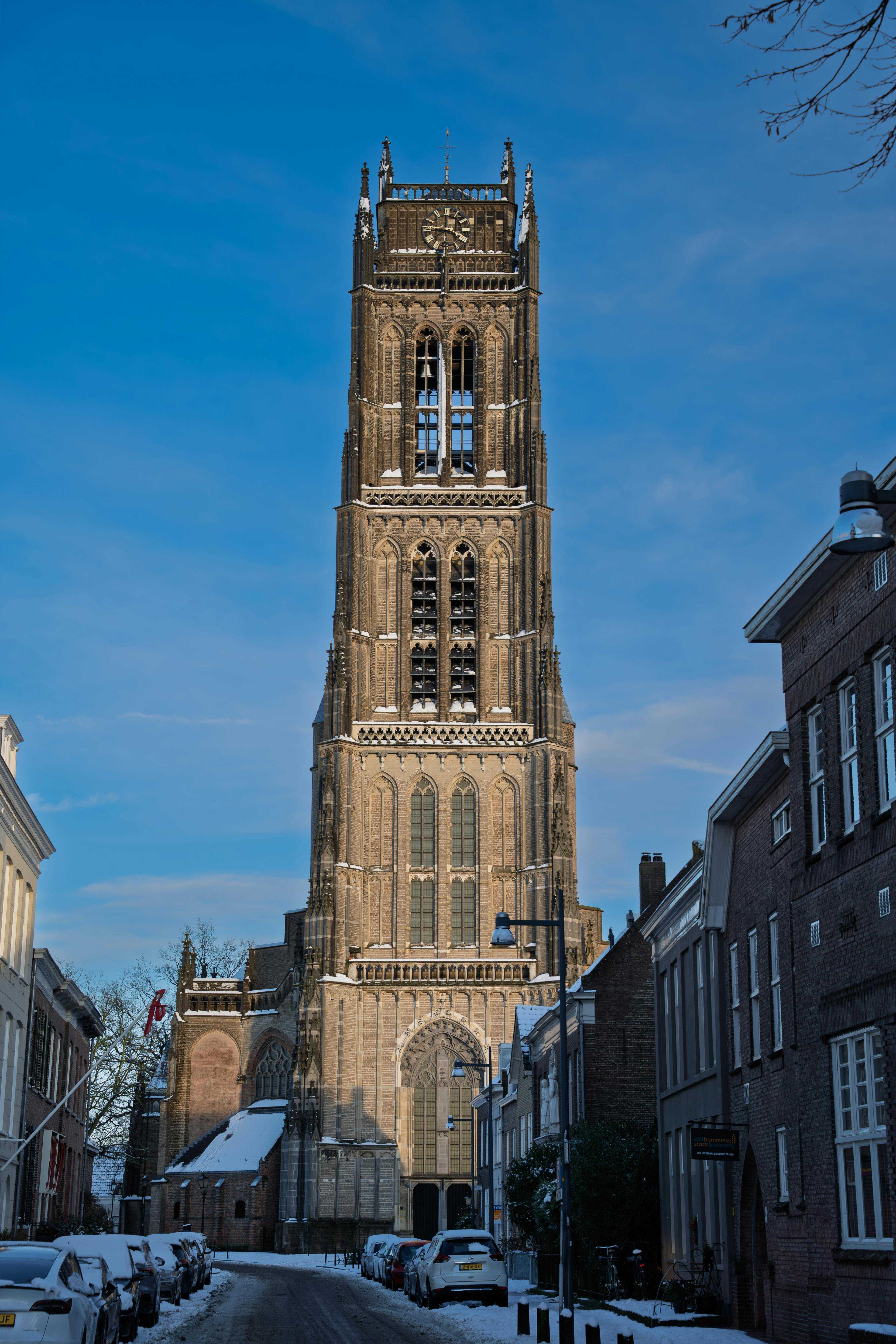
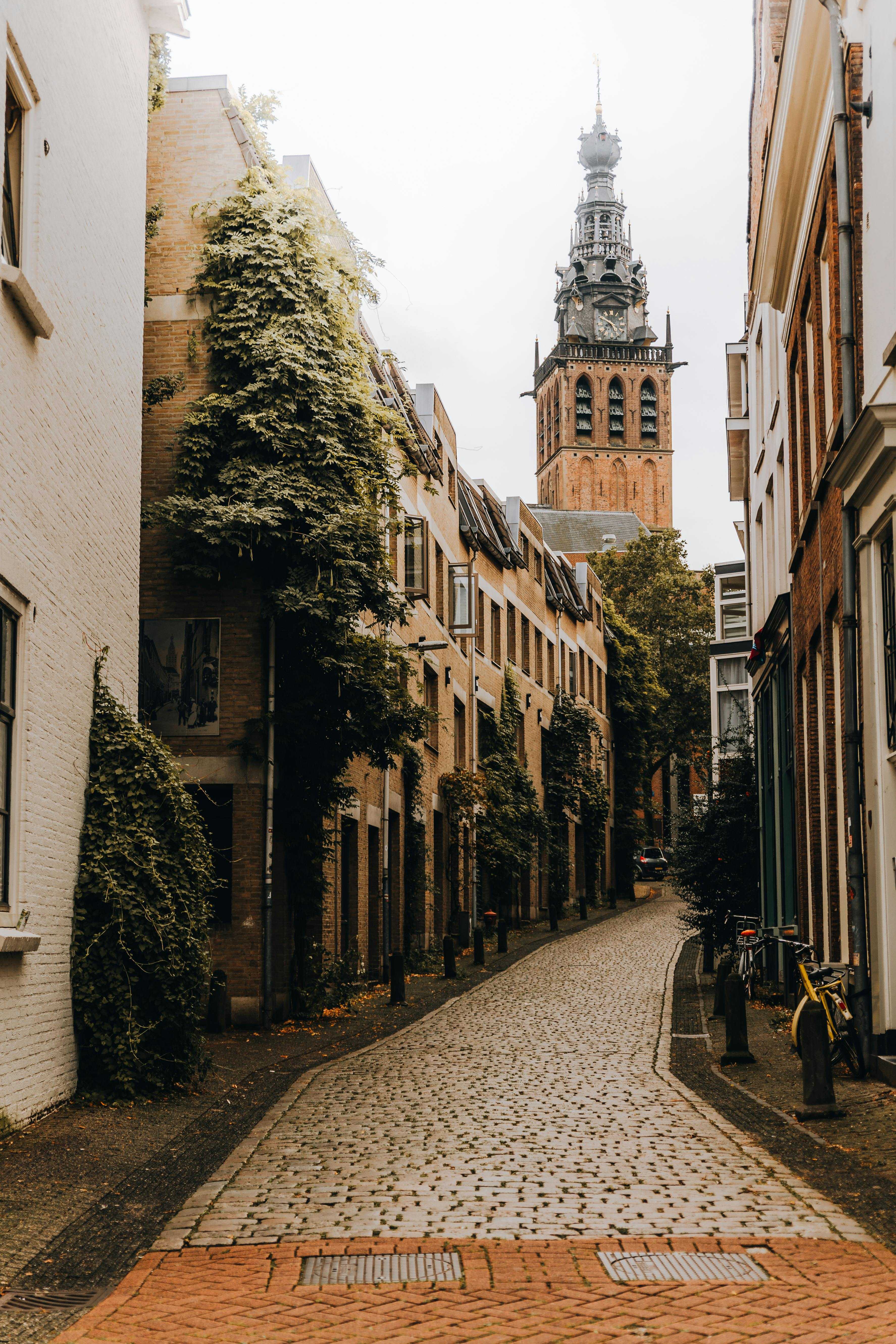
Historic cities and towns: Gelderland is rich in history and culture, with charming towns and cities to explore. Arnhem, the capital of Gelderland, is known for its historic buildings, museums, and vibrant shopping and dining scene. Other notable places to visit include Nijmegen, the oldest city in the Netherlands, and Apeldoorn, home to the beautiful Het Loo Palace.
-
Outdoor activities: Gelderland offers a wide range of outdoor activities for nature lovers and adventure seekers. From cycling and hiking to boating and horseback riding, there are plenty of ways to explore the region's natural beauty.
-
Cultural attractions: Gelderland is home to a variety of cultural attractions, including museums, galleries, and historic sites. Visit the Kröller-Müller Museum to see an impressive collection of art, including works by Van Gogh, or explore the medieval castle of Kasteel Doorwerth.
-
Local cuisine: Gelderland is known for its delicious regional cuisine, which includes dishes such as smoked eel, game meats, and stamppot (a traditional Dutch dish made with mashed potatoes and vegetables). Be sure to try some local specialties during your visit.
Overall, traveling to Gelderland offers a unique blend of natural beauty, history, culture, and delicious cuisine, making it a great destination for travelers looking to explore the Netherlands beyond the typical tourist spots.
Enjoy your trip to Gelderland!
What to know
Some potential cons of traveling to Gelderland, Netherlands, could include:
-
Weather: The weather in Gelderland can be unpredictable, with frequent rain and cloudy skies. This may affect outdoor activities and sightseeing plans.
-
Crowds: Popular tourist destinations in Gelderland, such as Arnhem and Nijmegen, can get crowded during peak travel seasons. This may result in long lines, difficulty finding accommodations, and a less peaceful travel experience.
-
Language Barrier: While many people in Gelderland speak English, especially in tourist areas, some locals may only speak Dutch. This could make communication challenging in certain situations.
-
Transportation Costs: Traveling within Gelderland by public transportation or renting a car can be expensive. Additionally, parking in cities like Arnhem and Nijmegen can be limited and costly.
-
Limited Nightlife: Compared to larger cities like Amsterdam, the nightlife in Gelderland may be quieter and less vibrant. If you are looking for a lively party scene, you may be disappointed in this region.
-
Limited Tourist Attractions: While Gelderland offers stunning natural landscapes and historic sites, it may have fewer tourist attractions compared to other regions in the Netherlands. This could result in a shorter itinerary or the need to travel to nearby areas for more activities.
Overall, while Gelderland has much to offer in terms of nature, history, and culture, travelers should consider these potential cons when planning their trip to ensure a smooth and enjoyable experience.