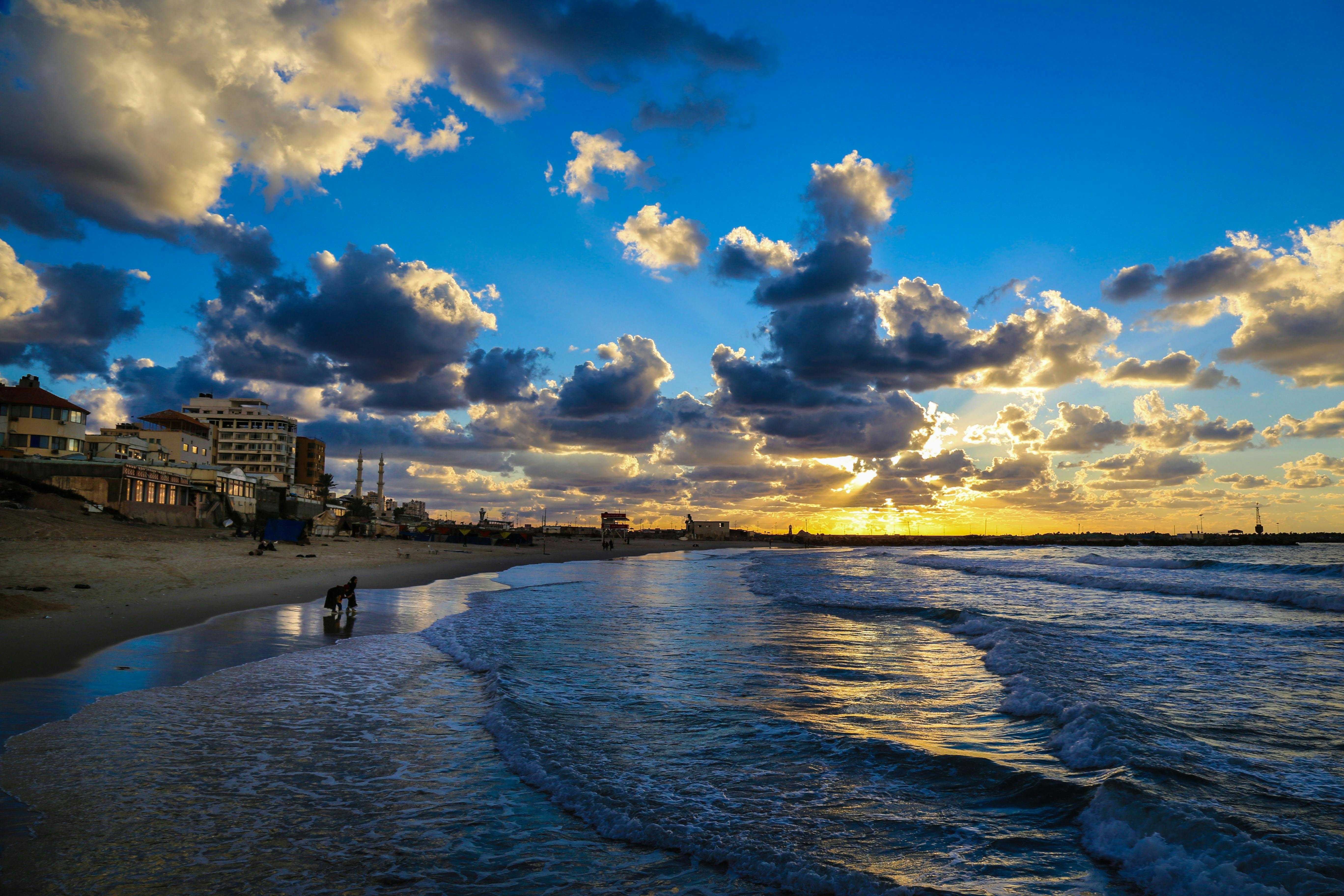
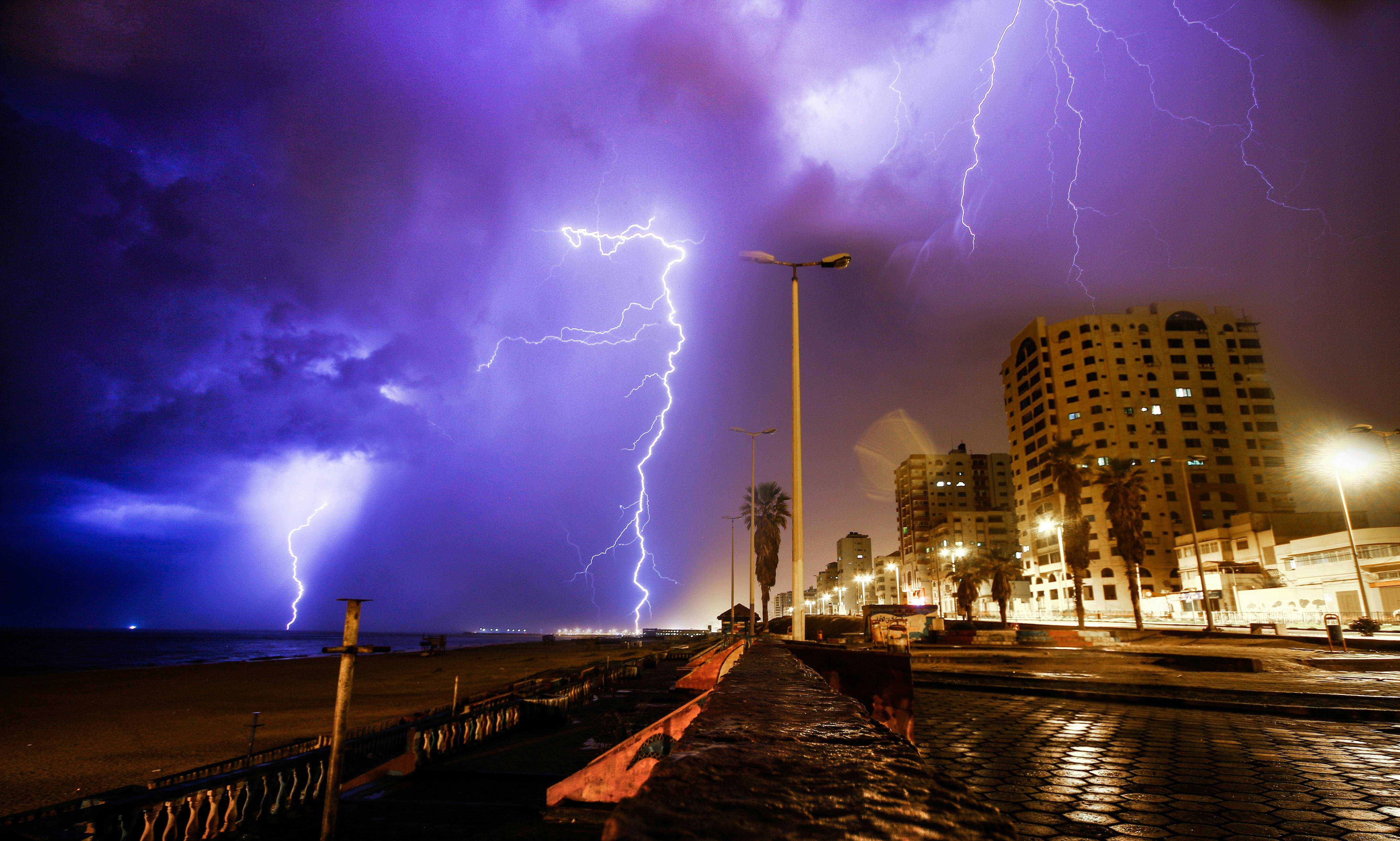
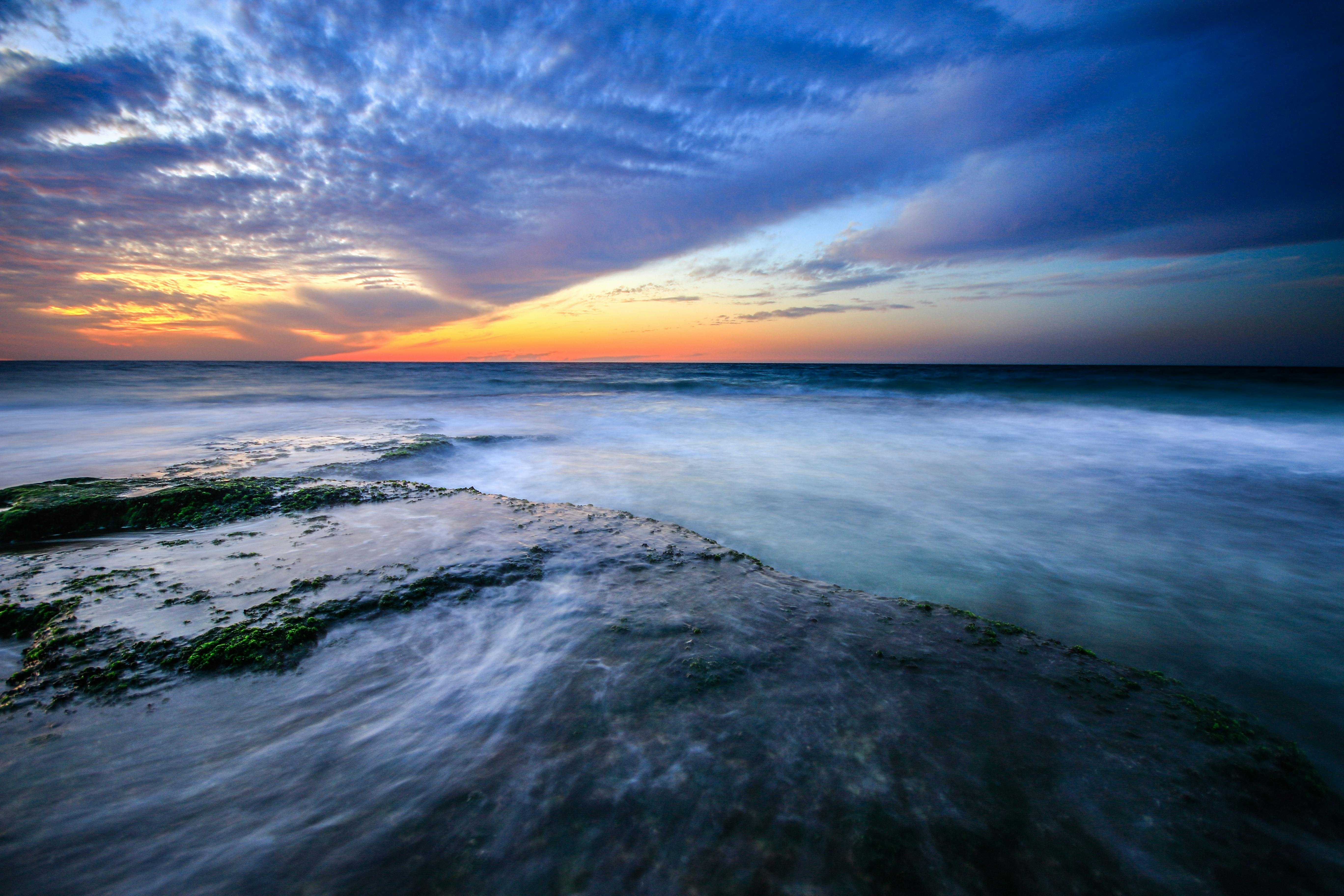
Gaza Strip
· XG

Gaza Strip

Gaza Strip

Gaza Strip: A Journey Through Time and Resilience While tourism to the Gaza Strip is currently heavily restricted due to the ongoing political situation and security concerns, it remains a place of rich history and cultu…

#Middle East#Conflict zone#Palestinian territory#Blockade#Humanitarian crisis
1/6

Top hotels & flights

Hand-picked stays and the best fares into Gaza Strip.

Top Hotels in Gaza Strip

Top Flights to Gaza Strip

Location videos

Real reels from travelers, plus longer watches to get the full picture.

From travelers
Watch & explore

Practical info

The essentials for planning your time in Gaza Strip.

Currency
₪ | ILS | Israeli New Shekel JD | JOD | Jordanian Dinar $ | USD | US Dollar
Population
2.3 million
Languages
Arabic, Hebrew
Average weather
Gaza Strip
Jan
rain
17°9°
Feb
rain
18°9°
Mar
cloud
20°11°
Apr
clear
23°14°
May
sun
26°17°
Jun
sun
28°20°
Jul
hot
30°22°
Aug
hot
31°23°
Sep
sun
30°22°
Oct
clear
28°19°
Nov
cloud
24°15°
Dec
rain
19°11°

Local guide

What travelers love, what to watch for, and a deeper read on Gaza Strip.

What people love

Traveling to the Gaza Strip is a complex and sensitive matter due to the ongoing political and security situation. However, for those who are considering travel for specific purposes, such as humanitarian work, journalism, or research, there are some potential benefits:

  1. Cultural and Historical Significance: The Gaza Strip has a rich history and cultural heritage. It is one of the oldest inhabited regions in the world, with a history that spans thousands of years, including ancient sites and artifacts.

  2. Humanitarian Work: Many people travel to Gaza to engage in humanitarian work. This can be a deeply rewarding experience, providing much-needed assistance to the local population and gaining insight into the challenges they face.

  3. Journalistic and Research Opportunities: For journalists and researchers, Gaza provides a unique perspective on geopolitical issues, conflict, and human resilience. It offers an opportunity to report on or study the region's complex dynamics.

  4. Understanding Local Resilience: Visiting Gaza can provide insight into the resilience and spirit of its people, who continue to live and work under challenging circumstances.

  5. Culinary Experience: Gaza has a unique culinary tradition that reflects its rich cultural heritage. Visitors may experience local Palestinian cuisine and hospitality.

  6. Networking and Relationship Building: For those involved in international relations, NGOs, or diplomatic efforts, visiting Gaza can help build important relationships and networks.

It's important to note that travel to Gaza is subject to significant restrictions and requires careful planning, including obtaining necessary permits and ensuring safety. Travelers should consult with relevant authorities and organizations to understand the current situation and any travel advisories or restrictions.

For general tourism, Gaza is not a typical travel destination due to the security situation, and most governments advise against travel to the area unless it is essential.

What to know

Traveling to the Gaza Strip can be challenging due to the ongoing political instability and conflict in the region. Some of the cons of traveling to the Gaza Strip include:

  1. Security Concerns: The Gaza Strip has a history of violence and conflict, with frequent clashes between Palestinian militants and Israeli forces. Travelers may be at risk of being caught in the crossfire or becoming targets of violence.

  2. Restricted Access: The Gaza Strip is under a blockade by Israel, which severely restricts the movement of goods and people in and out of the region. Entry into Gaza is tightly controlled, and travelers may face difficulties obtaining necessary permits and permissions.

  3. Limited Infrastructure: The Gaza Strip has limited infrastructure and resources, which can affect the availability of basic services such as healthcare, transportation, and accommodations. Travelers may find it challenging to access necessary amenities during their stay.

  4. Political Sensitivities: Traveling to the Gaza Strip may have political implications, as the region is at the center of the Israeli-Palestinian conflict. Visitors should be aware of the sensitivities surrounding the situation and act with caution to avoid inadvertently causing offense.

  5. Lack of Consular Assistance: Due to the security situation in the Gaza Strip, many countries have limited consular services or travel advisories in place for the region. Travelers may find it difficult to receive assistance in case of emergencies or unforeseen circumstances.

Overall, traveling to the Gaza Strip is not recommended for casual tourists due to the challenging security and political situation in the region. It is important to carefully consider the risks and implications before planning a trip to Gaza.

The Gaza Strip, a small region along the eastern coast of the Mediterranean Sea, has a complex and tumultuous history marked by various periods of rule, conflict, and political change. It covers an area of about 365 square kilometers (141 square miles) and is part of the Palestinian territories, bordered by Israel to the north and east, Egypt to the southwest, and the Mediterranean Sea to the west.

Ancient and Medieval History

  • Ancient Period: The history of Gaza dates back to ancient times, serving as a major trade center due to its strategic location. It was part of the ancient Egyptian civilization and later came under the control of the Philistines, who are mentioned in the Bible.
  • Classical Antiquity: The area was later conquered by Alexander the Great in 332 BCE and eventually became part of the Roman Empire. During the Byzantine period, it was a significant Christian center.
  • Islamic and Crusader Rule: In the 7th century, Gaza came under Islamic rule during the Rashidun Caliphate. It was later controlled by the Crusaders in the 12th century before being recaptured by Muslim forces under Saladin.

Ottoman Era

  • From the early 16th century until World War I, the Gaza Strip was part of the Ottoman Empire. During this period, it was a relatively quiet and small town within the empire.

British Mandate and 20th Century

  • British Mandate (1917-1948): After World War I and the dissolution of the Ottoman Empire, Gaza became part of the British Mandate of Palestine.
  • 1948 Arab-Israeli War: Following the 1948 Arab-Israeli War, Gaza was occupied by Egypt. This period saw an influx of Palestinian refugees who were displaced from other parts of what became Israel.
  • 1956 Suez Crisis: Briefly occupied by Israel during the Suez Crisis but returned to Egyptian control in 1957 under international pressure.

Israeli Occupation

  • 1967 Six-Day War: Israel captured the Gaza Strip from Egypt during the Six-Day War. This marked the beginning of a long Israeli military occupation.
  • Oslo Accords and Palestinian Authority (1993): As part of the Oslo Accords, limited self-governance was established under the Palestinian Authority, although Israel maintained control over borders and airspace.

21st Century

  • 2005 Disengagement: Israel unilaterally withdrew its settlers and military presence from the Gaza Strip, although it retained control over its borders, airspace, and maritime access.
  • Hamas Control (2007): After winning the 2006 Palestinian legislative elections, Hamas took control of Gaza in 2007, leading to a split with the Palestinian Authority, which governs parts of the West Bank.
  • Gaza Wars: Since 2007, there have been several military conflicts between Israel and Hamas, including major operations in 2008-09, 2012, 2014, and more recent escalations.

Notable Figures

  • Yasser Arafat: Leader of the Palestine Liberation Organization (PLO), pivotal in Palestinian politics.
  • Ismail Haniyeh: Senior political leader of Hamas and former Prime Minister of the Palestinian Authority.

Important Landmarks

  • Great Mosque of Gaza: Also known as the Grand Omari Mosque, it is one of the oldest mosques in Gaza City.
  • Gaza Port: Historically significant as an ancient port city.
  • Al-Shati Refugee Camp: One of the largest and oldest Palestinian refugee camps in Gaza.

Recent Developments

The region remains one of the most densely populated and economically challenged areas in the world, with ongoing tensions and humanitarian concerns as a result of the blockade by Israel and Egypt, internal governance issues, and periodic conflicts.

The history of the Gaza Strip is deeply intertwined with the broader Israeli-Palestinian conflict and continues to be a focal point of regional and international diplomatic efforts.