
Galicia
· ES

Galicia

Galicia, Spain

Galicia: Where Ancient Legends Meet Atlantic Wonders Nestled in Spain's verdant northwest corner, Galicia whispers tales of Celtic heritage, rugged coastlines, and a unique cultural identity. More than just a destination…

#Northern Spain#Coastal region#Celtic culture#Pilgrimage destination#Seafood cuisine
1/12

Top hotels & flights

Hand-picked stays and the best fares into Galicia.

Top Hotels in Galicia

Top Flights to Galicia

Location videos

Real reels from travelers, plus longer watches to get the full picture.

From travelers
Watch & explore

Practical info

The essentials for planning your time in Galicia.

Currency
€ | EUR | Euro
Population
2.7 million
Languages
Galician, Spanish

Local guide

What travelers love, what to watch for, and a deeper read on Galicia.

What people love

Galicia, located in northwest Spain, offers a unique and diverse travel experience with a range of attractions and activities. Some of the pros of traveling to Galicia include:

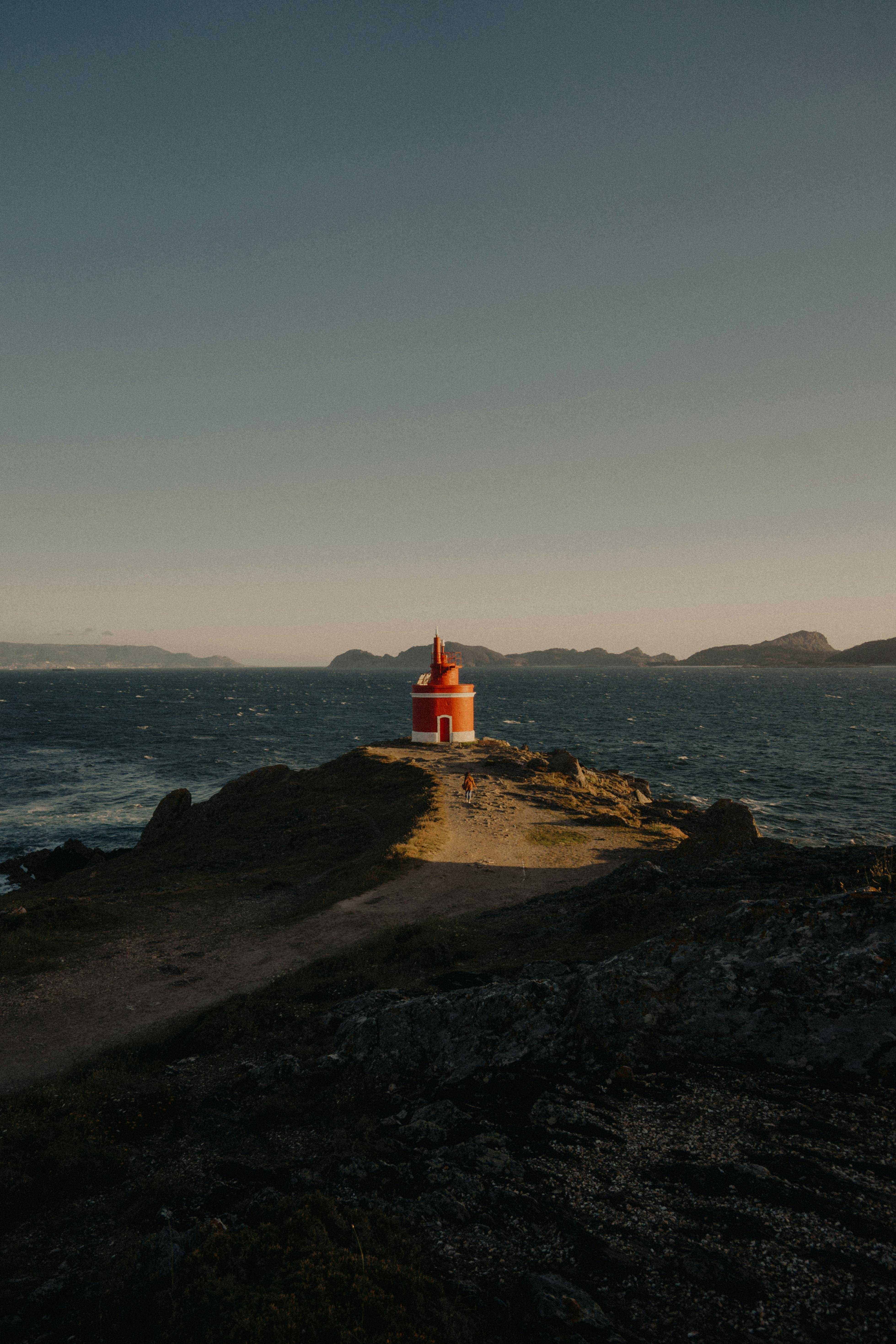
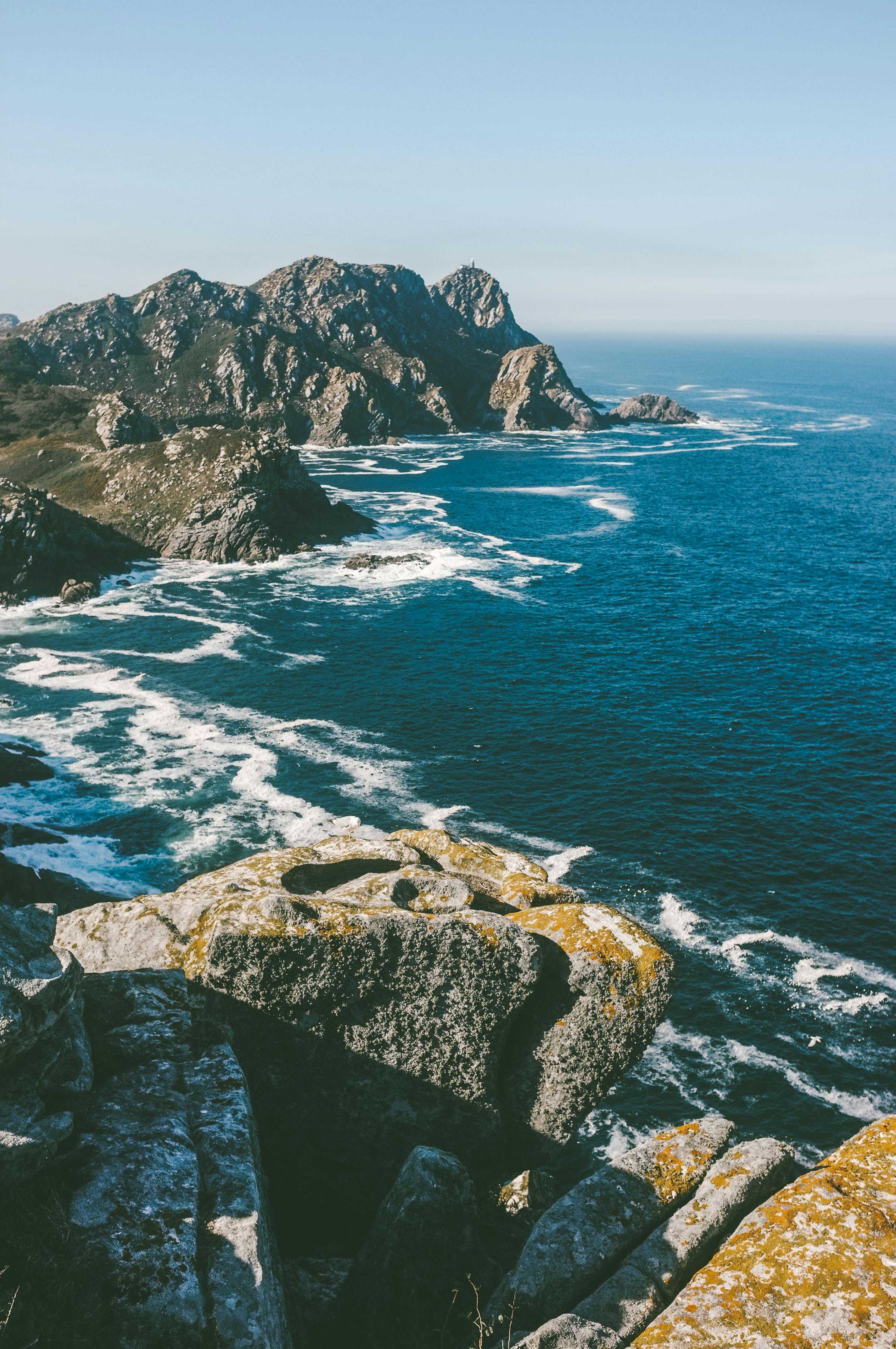
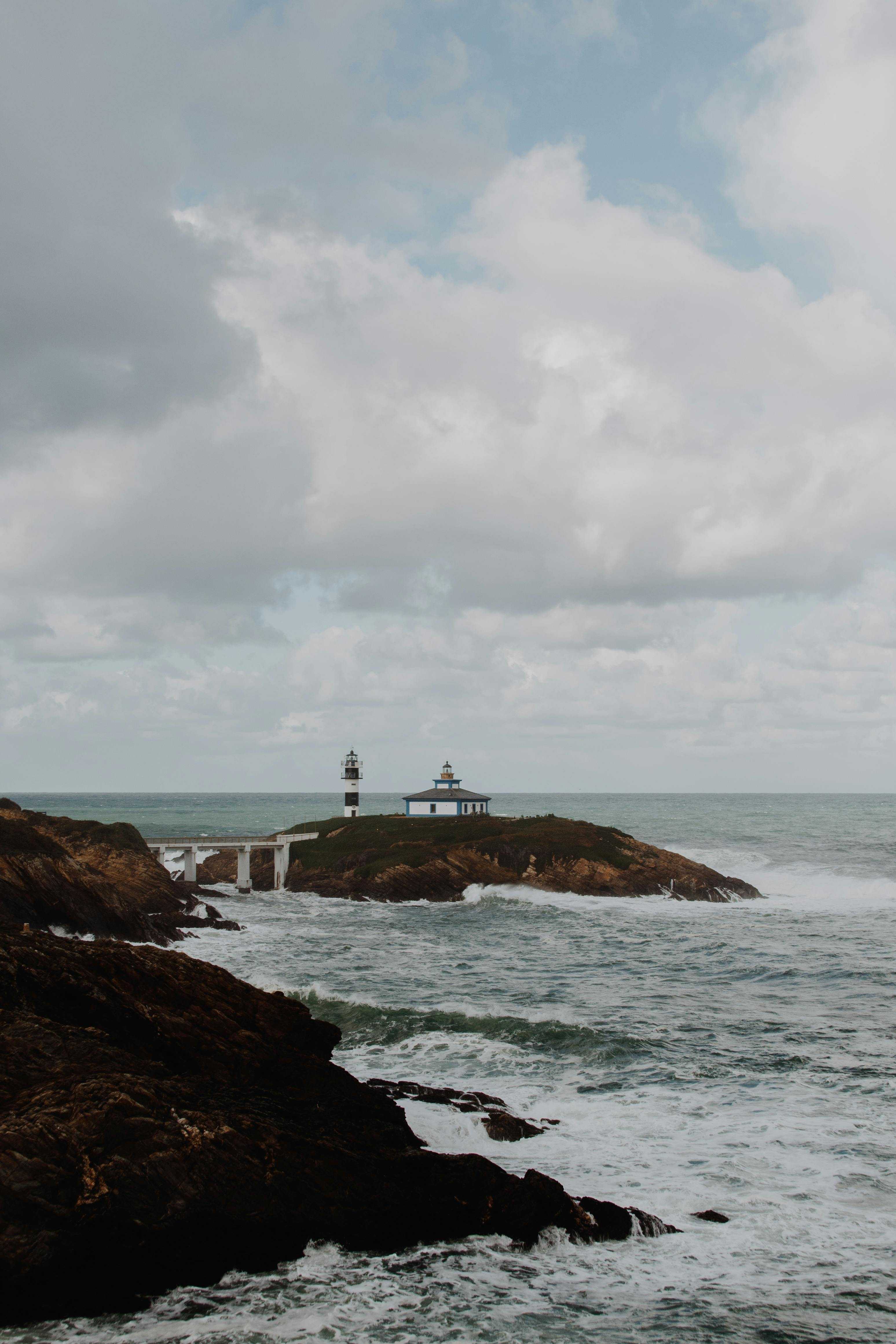
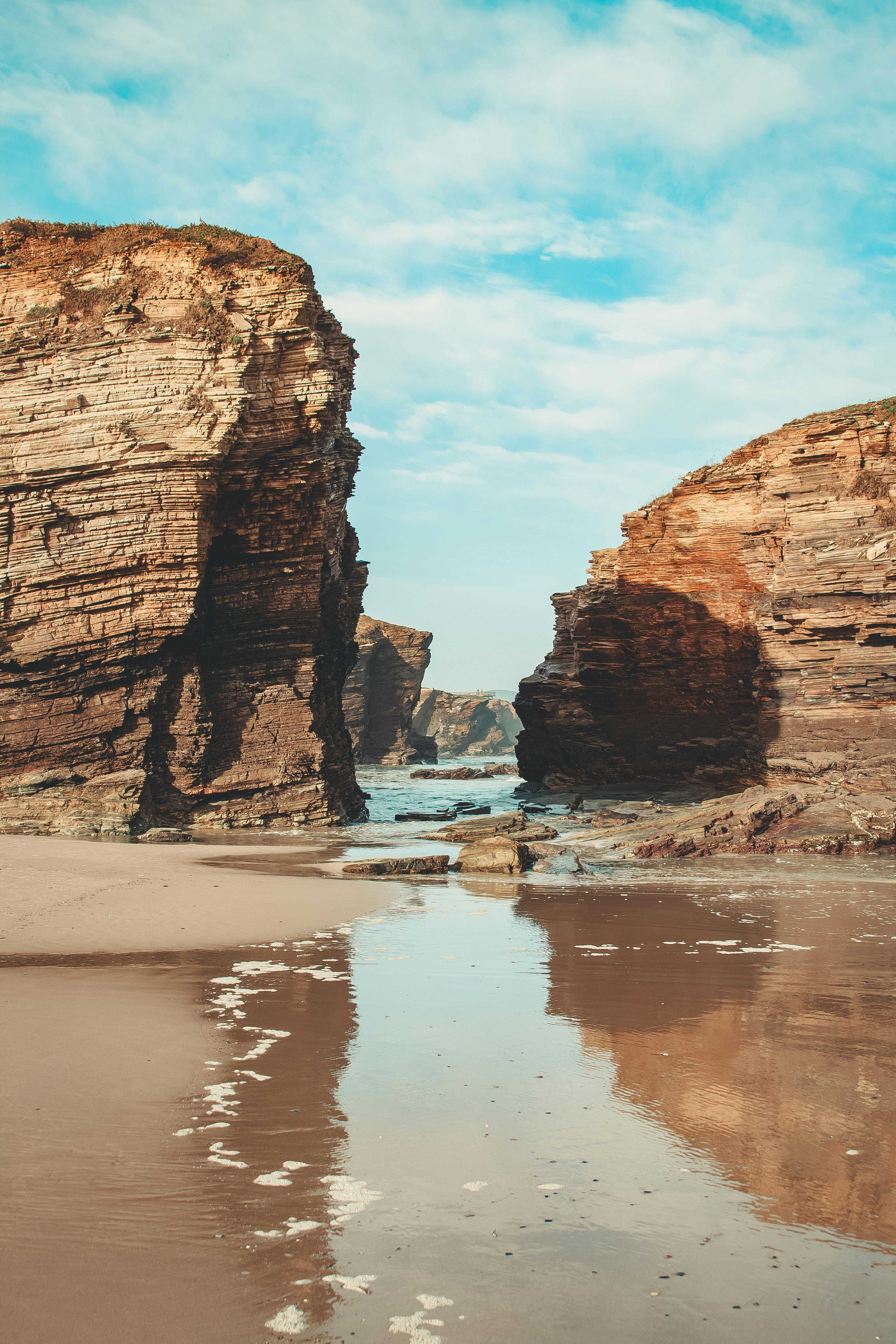
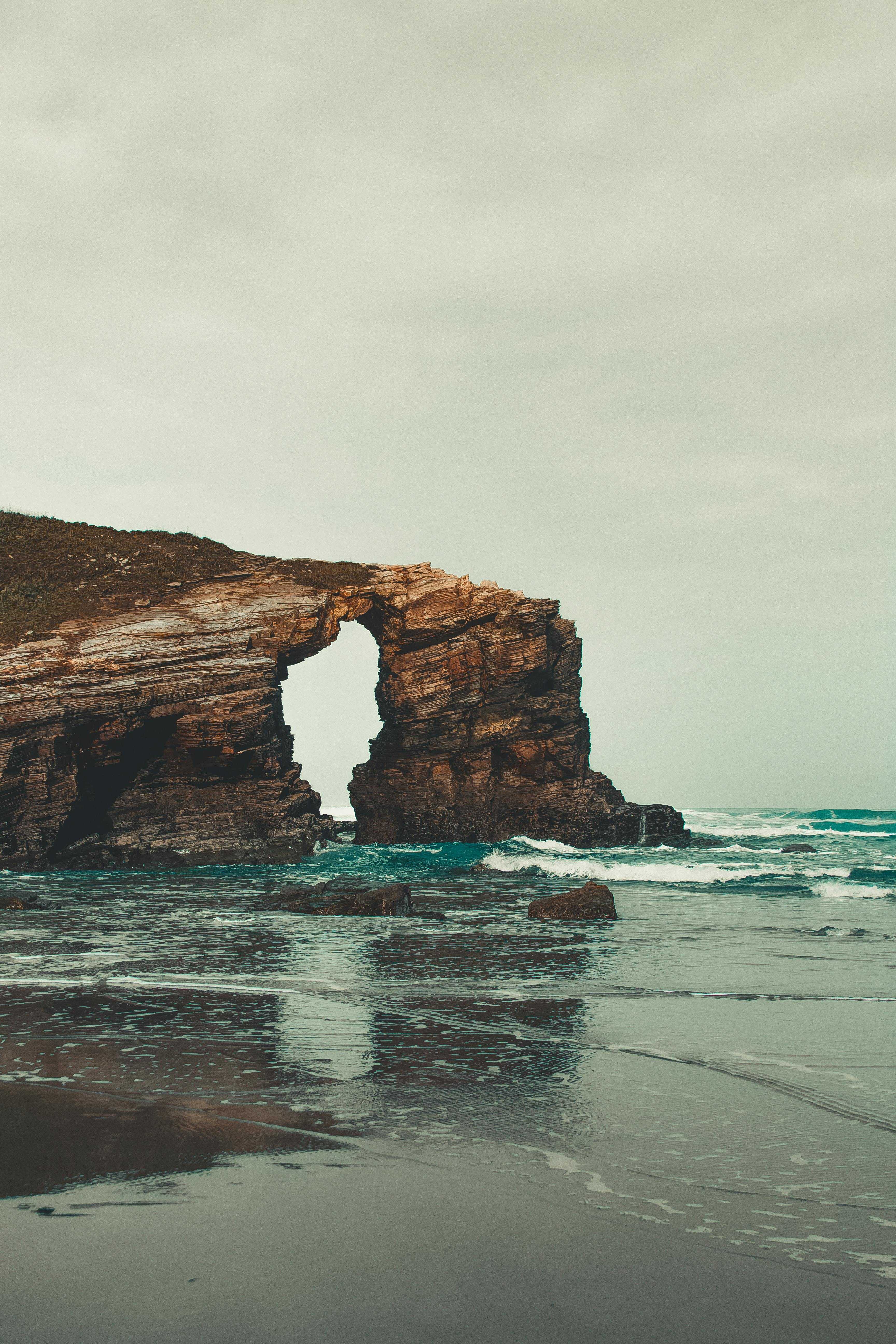
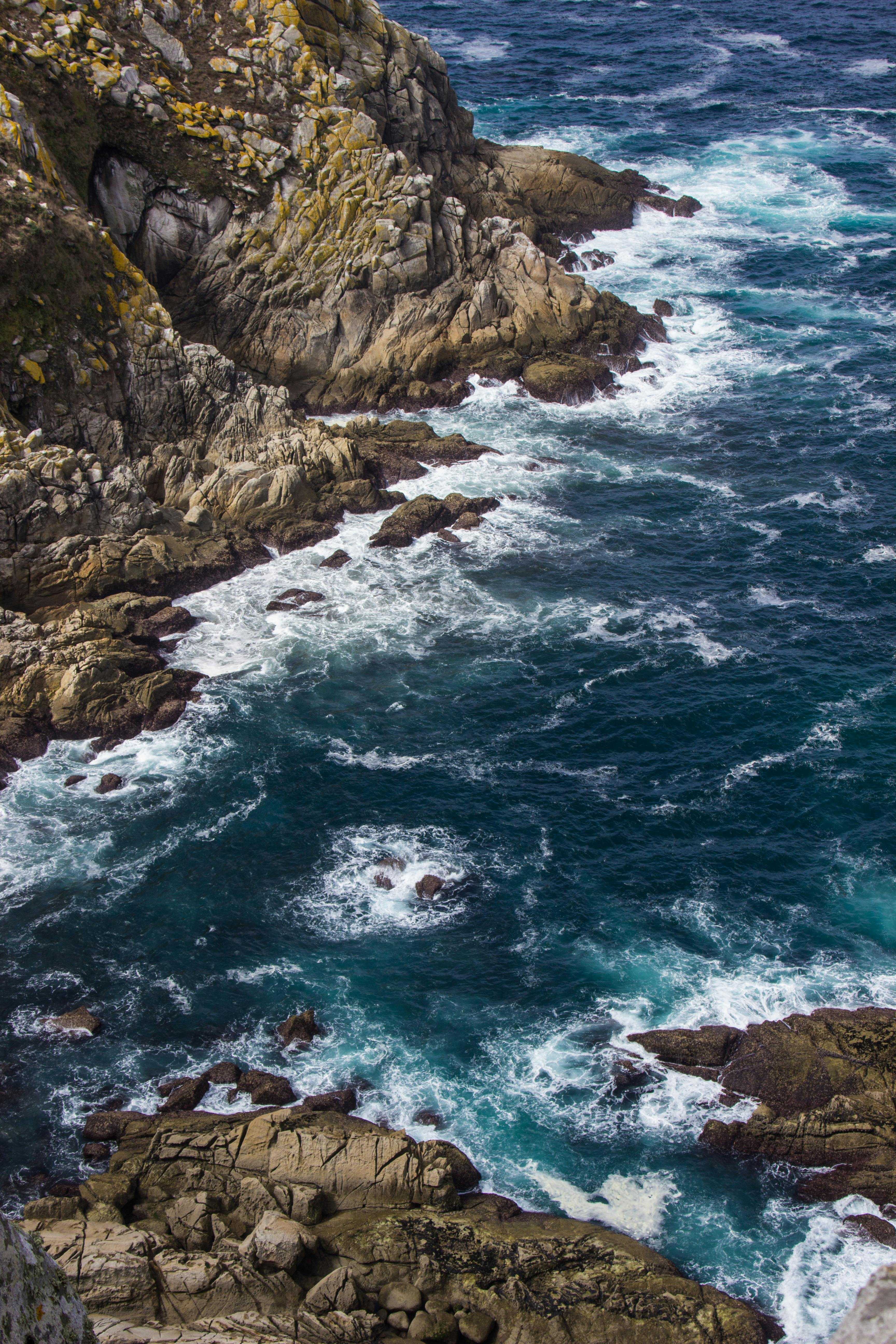
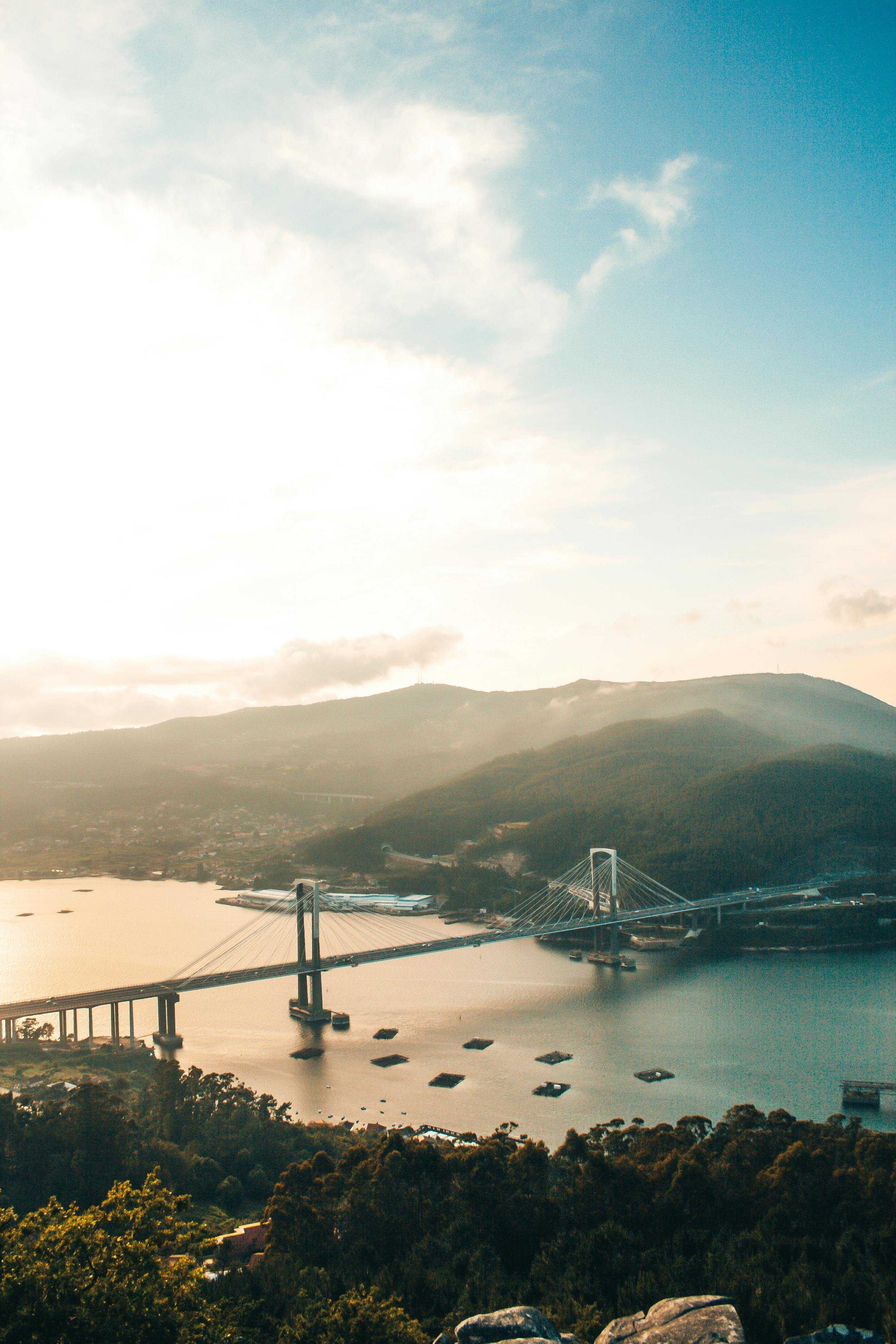
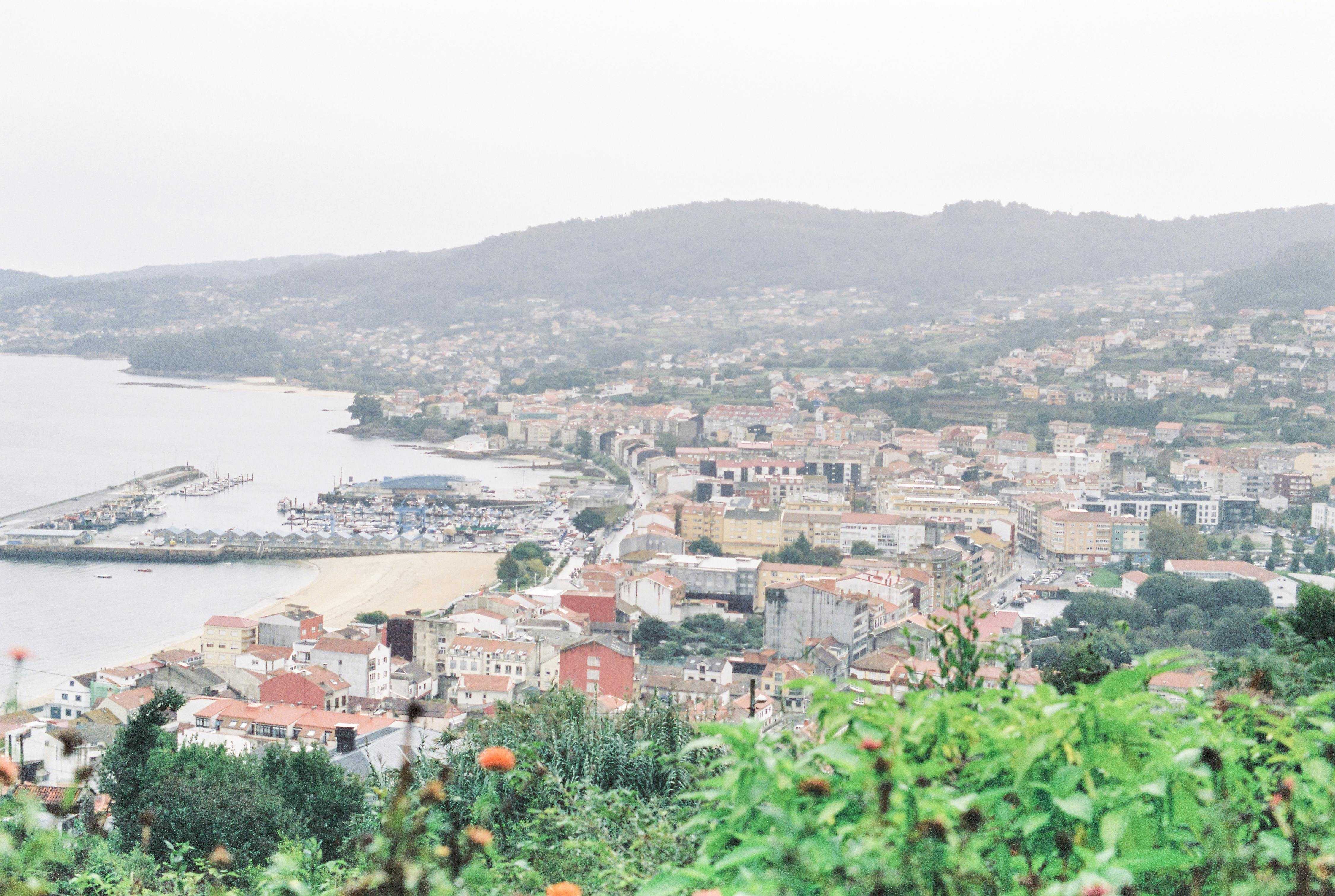
  1. Natural Beauty: Galicia is known for its stunning landscapes, including rugged coastline, lush green countryside, and picturesque villages. The region is also home to the beautiful Rías Baixas and Rías Altas, estuaries that offer breathtaking views and excellent seafood.

  2. Rich History and Culture: Galicia has a rich cultural heritage, with a unique blend of Celtic, Roman, and medieval influences. Visitors can explore historic cities like Santiago de Compostela, known for its stunning cathedral and as the endpoint of the famous Camino de Santiago pilgrimage route.

  3. Gastronomy: Galicia is a paradise for food lovers, with a cuisine that highlights fresh seafood, delicious meats, and local produce. Don't miss trying the region's famous octopus dish, Pulpo a la Gallega, or enjoying a traditional Galician seafood feast.

  4. Festivals and Events: Galicia hosts a variety of festivals and events throughout the year, celebrating everything from music and dance to traditional customs and gastronomy. The region's lively festivals offer a great way to experience local culture and connect with the community.

  5. Outdoor Activities: Galicia is a great destination for outdoor enthusiasts, with opportunities for hiking, cycling, surfing, and birdwatching. The region's diverse landscapes provide a perfect backdrop for exploring nature and enjoying outdoor adventures.

Overall, traveling to Galicia offers a unique blend of natural beauty, rich history, delicious cuisine, and vibrant culture, making it a fantastic destination for those looking to experience the best of Spain.

What to know

Some potential cons of traveling to Galicia, Spain could include:

  1. Weather: Galicia is known for its rainy and cloudy weather, especially during the fall and winter months. This could affect outdoor activities and sightseeing.

  2. Language barrier: While Spanish is the official language in Galicia, the region also has its own language called Galician. Some locals may primarily speak Galician, which could pose a language barrier for travelers who only speak Spanish or English.

  3. Limited public transportation: In some areas of Galicia, public transportation options may be limited, especially in more remote or rural areas. Renting a car may be necessary to explore the region fully.

  4. Crowds during peak season: During the summer months, popular tourist destinations in Galicia can attract large crowds, leading to long lines and crowded attractions.

  5. Limited nightlife: While Galicia offers a rich cultural experience during the day, its nightlife scene may be more subdued compared to other Spanish cities like Barcelona or Madrid.

These are just a few potential cons to consider when traveling to Galicia, Spain.

Galicia is an autonomous community located in the northwest of Spain, bordered by the Atlantic Ocean to the west, Portugal to the south, and the regions of Asturias and Castile and León to the east. Its capital is Santiago de Compostela, and it comprises the provinces of A Coruña, Lugo, Ourense, and Pontevedra.

Pre-Roman and Roman Period

  • Prehistoric and Celtic Influence: Galicia has been inhabited since prehistoric times. The region is known for its prehistoric megaliths and petroglyphs. Before Roman conquest, it was inhabited by Celtic tribes, known collectively as the Gallaeci, who left a significant cultural imprint on the region.
  • Roman Conquest (1st century BC): The area was incorporated into the Roman Empire and became part of the province of Gallaecia. The Romans developed infrastructure, including roads and cities, such as Lucus Augusti (modern Lugo) and Bracara Augusta (modern Braga, now in Portugal).

Middle Ages

  • Suebi and Visigothic Rule (5th-8th centuries): After the fall of the Roman Empire, the Germanic Suebi established a kingdom in Galicia, which was later absorbed by the Visigoths.
  • Moorish Invasion and Christian Reconquest (8th-9th centuries): The Moors briefly invaded Galicia, but it quickly became part of the Christian kingdoms in the north during the Reconquista.
  • Kingdom of Galicia: During the early medieval period, Galicia was a kingdom on its own, often united with the Kingdom of León. It had its own monarchs and was a center of Christian pilgrimage.

Santiago de Compostela

  • Discovery of St. James' Tomb (9th century): According to tradition, the tomb of St. James the Apostle was discovered in Santiago de Compostela, making it one of the most important Christian pilgrimage sites in medieval Europe, alongside Rome and Jerusalem.
  • The Camino de Santiago (Way of St. James): This pilgrimage route became famous, bringing economic and cultural benefits to the region.

Modern Era

  • Integration into Castile (15th century): Galicia's political autonomy declined as it was fully integrated into the Kingdom of Castile.
  • Napoleonic Wars (19th century): Galicia was a site of resistance against the French invasion during the Peninsular War, notably at the Battle of Corunna (1809).
  • Galician Renaissance (Rexurdimento): In the 19th century, there was a cultural revival focusing on the Galician language and culture, with figures like Rosalía de Castro and Manuel Curros Enríquez.

20th Century to Present

  • Spanish Civil War and Francoist Spain: Galicia, like the rest of Spain, was affected by the Spanish Civil War (1936-1939) and Francisco Franco's subsequent dictatorship. Franco himself was born in Ferrol, Galicia.
  • Autonomous Community (1981): After Franco's death and the transition to democracy, Galicia was granted autonomy as one of Spain's 17 autonomous communities.

Important Landmarks

  • Santiago de Compostela Cathedral: A masterpiece of Romanesque architecture, it houses the alleged tomb of St. James.
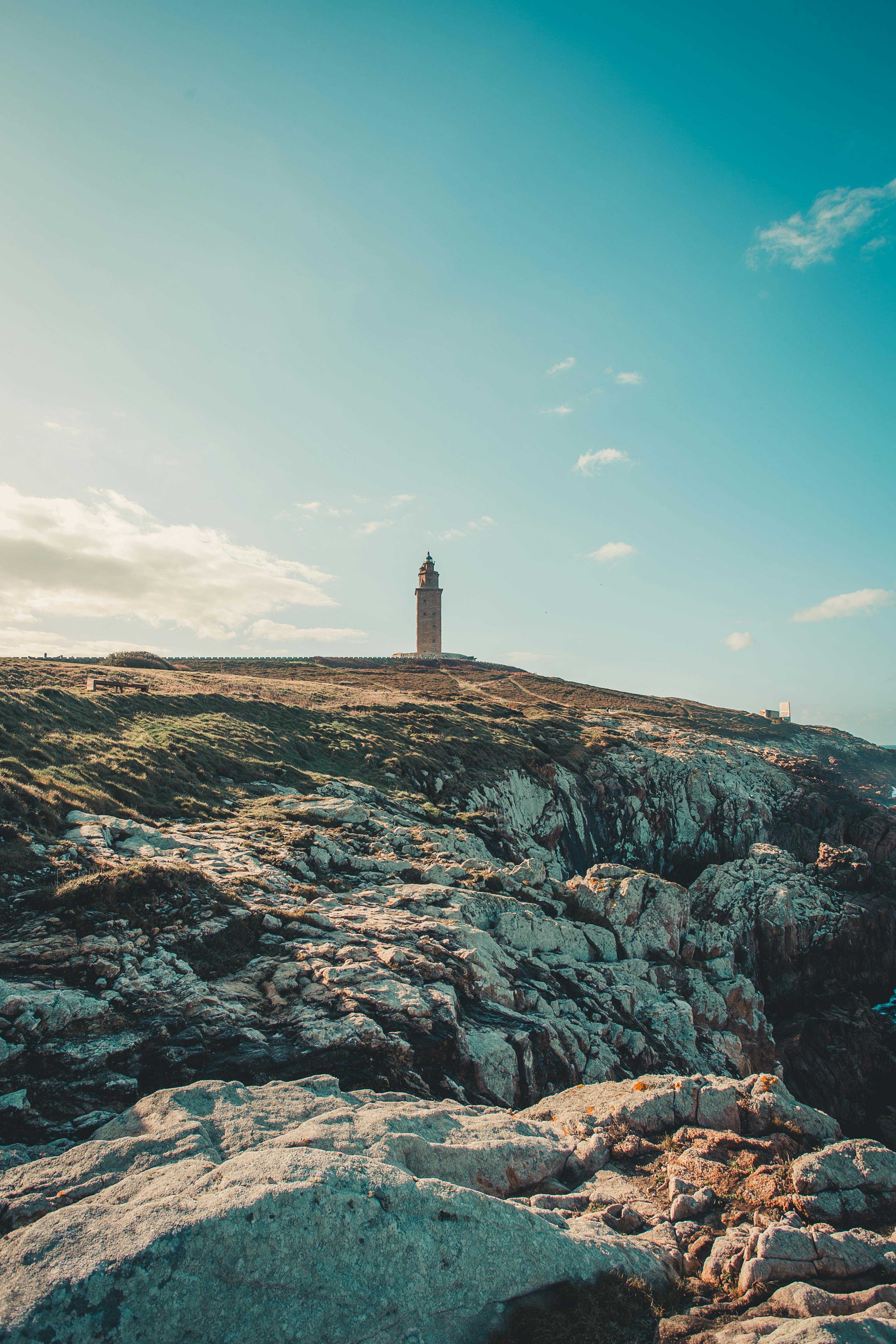
  • Tower of Hercules: A Roman lighthouse in A Coruña, it is the oldest lighthouse in use today and a UNESCO World Heritage Site.
  • Ribeira Sacra: Known for its stunning landscapes and historical monasteries, this area is renowned for its wine production.

Cultural Significance

Galicia has its own distinct language, Galician, which is co-official with Spanish. The region is known for its rich folklore, traditional music, and festivals, such as the Festa de San Xoán and the Rapa das Bestas.

Notable Figures

  • Rosalía de Castro: A prominent 19th-century poet and a key figure in the Galician cultural renaissance.
  • Manuel Rivas: A contemporary writer known for his works in Galician and Spanish.

Galicia's history is marked by its unique cultural identity, shaped by its Celtic roots, Roman and medieval heritage, and modern developments.