
Flanders
State · Belgium

Flanders

Flanders, Belgium

Step Back in Time and Savor the Charm: Welcome to Flanders, Belgium! Flanders, a region in northern Belgium, invites you to experience a tapestry…

#Historic#Cultural#Medieval architecture#Art museums#Beer culture

Explore Flanders

Top cities in Flanders

Pick a city to open its guide.

See it for yourself

Location videos

Reels and longer watches.

Featured for Flanders

Traveller clips picked out for this place.

Watch & explore

Good to know

Practical info

Weather, costs and getting around.

Flanders, Belgium Open in Google Maps
Currency
€ | EUR | Euro
Population
The approximate estimated total population of Flanders, Belgium is 6.7 million.
Languages
Dutch mainly · French, German, English
Also known as
Vlaanderen

Know before you go

Local guide

A deeper read on Flanders.

What people love

Flanders, located in Belgium, offers a unique blend of history, culture, and natural beauty that make it a fantastic destination for travelers. Here are some pros of traveling to Flanders:

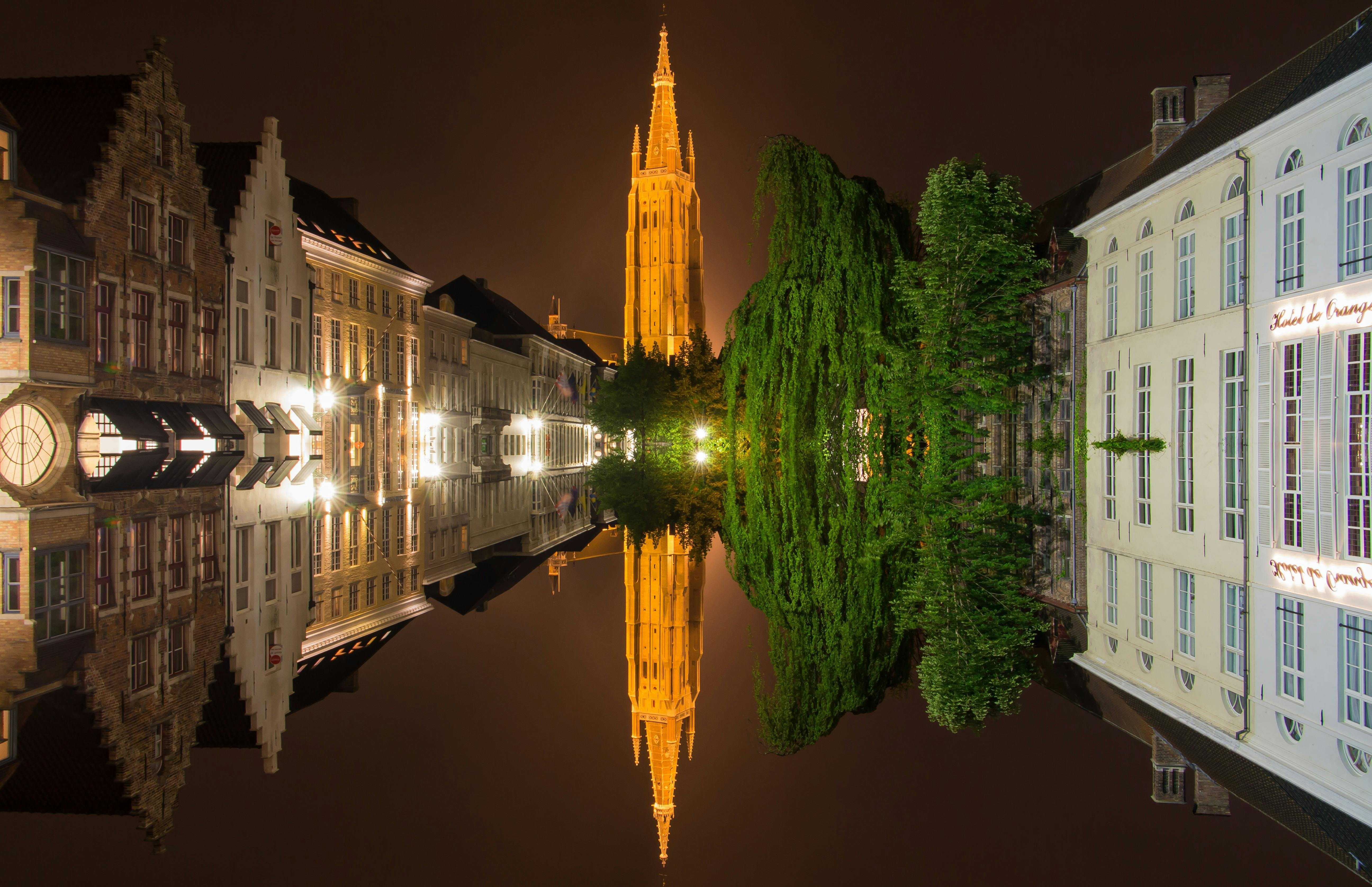
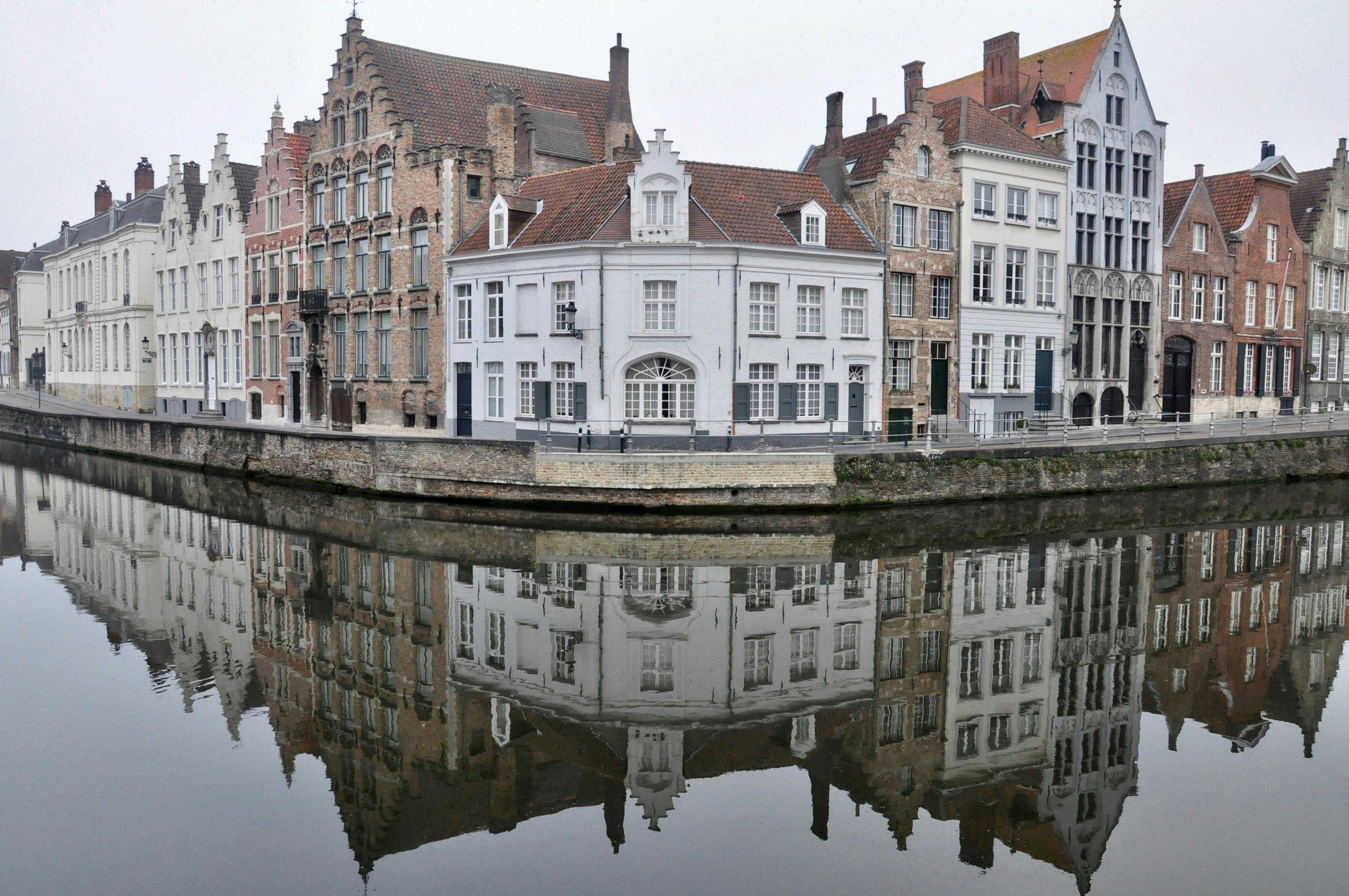
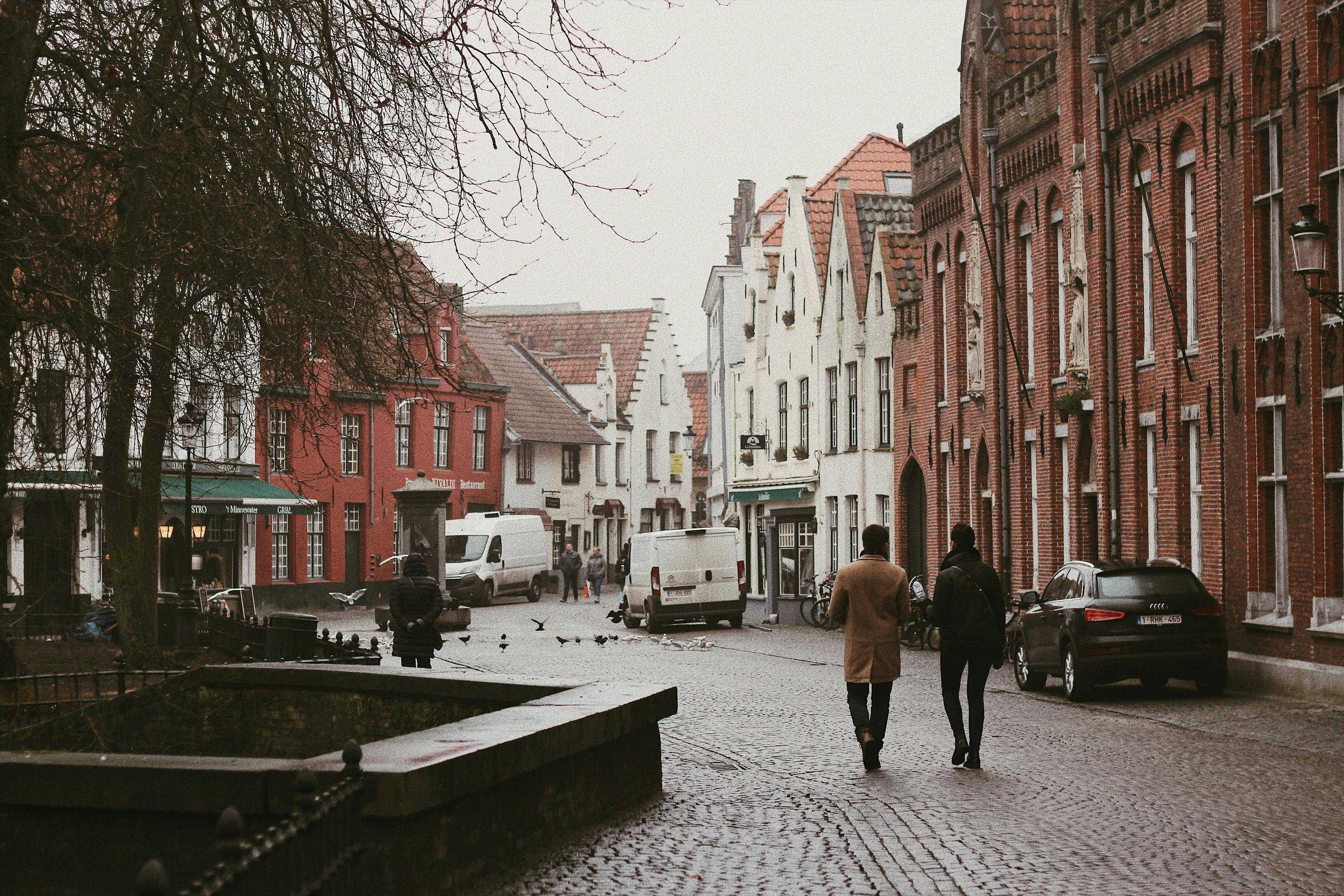
  1. Rich History: Flanders is steeped in history, with medieval cities like Bruges and Ghent offering well-preserved architecture, charming cobblestone streets, and historic landmarks such as cathedrals, castles, and museums.

  2. Art and Culture: Flanders is known for its vibrant art scene, with famous painters like Jan van Eyck and Peter Paul Rubens hailing from the region. Visitors can explore world-class art museums and galleries showcasing masterpieces of Flemish art.

  3. Culinary Delights: Flanders is a foodie paradise, with a reputation for delicious cuisine such as waffles, chocolates, Belgian beer, and hearty stews like carbonnade flamande. Visitors can enjoy dining at cozy cafes, Michelin-starred restaurants, and local markets.

  4. Beautiful Landscapes: Flanders boasts picturesque countryside dotted with rolling hills, lush forests, and scenic waterways. Visitors can explore charming villages, cycle along scenic bike paths, and enjoy outdoor activities like hiking and boating.

  5. Festivals and Events: Flanders hosts a variety of cultural festivals and events throughout the year, celebrating everything from music and film to beer and chocolate. Visitors can immerse themselves in local traditions and festivities.

Overall, traveling to Flanders offers a wonderful mix of history, culture, gastronomy, and natural beauty that will delight any traveler looking for a unique European experience.

What to know

Some potential cons of traveling to Flanders, Belgium, could include:

  1. Weather: Flanders has a temperate maritime climate, which means it can be quite rainy and cloudy throughout the year. Travelers should be prepared for unpredictable weather conditions.

  2. Crowds: Popular tourist destinations in Flanders, such as Bruges and Ghent, can get quite crowded, especially during peak tourist seasons. This may lead to longer wait times at attractions and difficulty finding accommodations.

  3. Language barrier: While many people in Flanders speak English, the primary language spoken is Dutch. Travelers who do not speak Dutch may encounter some difficulties communicating with locals or understanding signs and directions.

  4. Cost: Belgium, in general, can be a bit expensive for travelers, especially in terms of accommodation, dining, and transportation costs. Budget-conscious travelers may need to plan accordingly.

  5. Limited public transportation options: While Flanders does have a relatively efficient public transportation system, it may not be as extensive or convenient as in some other European countries. Renting a car or relying on taxis may be necessary in some areas.

Please note that these are general considerations and individual experiences may vary.

Flanders is a region in the northern part of Belgium, known for its rich history and cultural significance. Its history is deeply intertwined with that of Belgium and Europe as a whole, and it has been influenced by various cultures and powers over the centuries.

Early History

  • Roman Era: The region that is now Flanders was part of the Roman Empire. The Romans built roads and introduced urbanization and trade.

  • Frankish Kingdoms: After the fall of the Roman Empire, the area became part of the Frankish kingdoms. It was Christianized during this period.

Middle Ages

  • County of Flanders: Flanders became a County in the 9th century, under the Carolingian Empire. It developed as a significant medieval trading center, with cities like Bruges and Ghent becoming wealthy due to the wool trade.

  • Battle of the Golden Spurs (1302): This was a famous battle where the Flemish forces defeated the French knights. It is celebrated as a symbol of Flemish independence and resistance.

Renaissance and Early Modern Period

  • Burgundian Netherlands: In the 15th century, Flanders came under the control of the Dukes of Burgundy, who fostered a rich cultural renaissance in the region.

  • Habsburg Rule: Eventually, Flanders became a part of the Habsburg Netherlands under Charles V. It was a time of prosperity but also of religious conflict, as the Protestant Reformation took hold.

  • Eighty Years' War: This war led to the division of the Netherlands into the Protestant North and the Catholic South, which included Flanders.

18th and 19th Century

  • French and Austrian Rule: After the War of Spanish Succession, the region alternated between French and Austrian control, with significant influence from both.

  • Napoleonic Wars: Flanders was annexed by France during Napoleon's reign.

  • Formation of Belgium (1830): Flanders became part of the newly formed Kingdom of Belgium after the Belgian Revolution. The linguistic divide between Dutch-speaking Flanders and French-speaking Wallonia became a significant aspect of Belgian politics.

20th Century

  • World Wars: Flanders was heavily affected by both World Wars. Particularly during World War I, battles such as the Battle of Ypres saw significant destruction and loss of life.

  • Linguistic and Cultural Revival: Throughout the 20th century, there has been a resurgence in the Dutch language and Flemish culture within the broader context of Belgian federalism.

Significant Historical Figures

  • Philip the Good: Duke of Burgundy, who ruled Flanders as part of his realm. He was a major patron of the arts.

  • Jan van Eyck: A prominent painter from the Flemish Renaissance.

  • Peter Paul Rubens: A Baroque painter who lived in Antwerp, one of the most important cities in Flanders.

Important Landmarks

  • Belfry of Bruges: A medieval bell tower in the city of Bruges, part of the UNESCO World Heritage Site.

  • Grote Markt, Antwerp: The main square of Antwerp, known for its beautiful architecture.

  • St. Bavo's Cathedral, Ghent: Famous for housing the "Adoration of the Mystic Lamb" by the van Eyck brothers.

  • Flanders Fields: The battlefields of World War I, commemorated in John McCrae's poem "In Flanders Fields", are an essential part of the region's history.

Flanders remains a vibrant region with a distinct identity within Belgium, characterized by its historical towns, rich cultural heritage, and significant contributions to European history and art.