
Ethiopia
· ET

Ethiopia

Ethiopia

Journey to the Cradle of Humankind: Ethiopia Awaits Step onto a land steeped in ancient history, vibrant culture, and breathtaking landscapes – welcome to Ethiopia! Here, the past whispers through towering obelisks and …

#African country#Horn of Africa#Capital: Addis Ababa#Rich cultural heritage#Diverse landscapes
1/5

Top hotels & flights

Hand-picked stays and the best fares into Ethiopia.

Top Hotels in Addis Ababa

Top Flights to Addis Ababa

Popular activities

Tours, tickets and experiences travelers book most in Ethiopia.

Tours

Exploring the Historic City of Lalibela

Discover the ancient rock-hewn churches of Lalibela, a UNESCO World Heritage Site, known for its remarkable monolithic churches carved from living rock.

Shopping

Shopping at Merkato Market

Visit the bustling Merkato Market in Addis Ababa, one of Africa's largest markets.

Outdoor

Trekking in the Simien Mountains

Experience the breathtaking landscapes of the Simien Mountains on a trekking adventure.

Location videos

Real reels from travelers, plus longer watches to get the full picture.

From travelers
Watch & explore

Practical info

The essentials for planning your time in Ethiopia.

Currency
Br | ETB | Ethiopian Birr
Population
Approximately 126.5 million.
Languages
Amharic, Oromo, Tigrinya, Somali, Sidamo, Wolaytta, Gurage, Afar, Hadiya
Average weather
Ethiopia
Jan
sun
23°9°
Feb
sun
24°10°
Mar
sun
25°11°
Apr
cloud
25°12°
May
rain
24°13°
Jun
rain
23°13°
Jul
rain
21°13°
Aug
rain
21°13°
Sep
rain
22°12°
Oct
cloud
23°11°
Nov
sun
23°9°
Dec
sun
23°9°

Local guide

What travelers love, what to watch for, and a deeper read on Ethiopia.

What people love

There are several pros of traveling to Ethiopia. Here are some detailed points:

  1. Rich History and Culture: Ethiopia is one of the oldest countries in the world with a history dating back thousands of years. Visitors can explore ancient churches, monasteries, and archaeological sites such as the rock-hewn churches of Lalibela and the ancient city of Aksum.

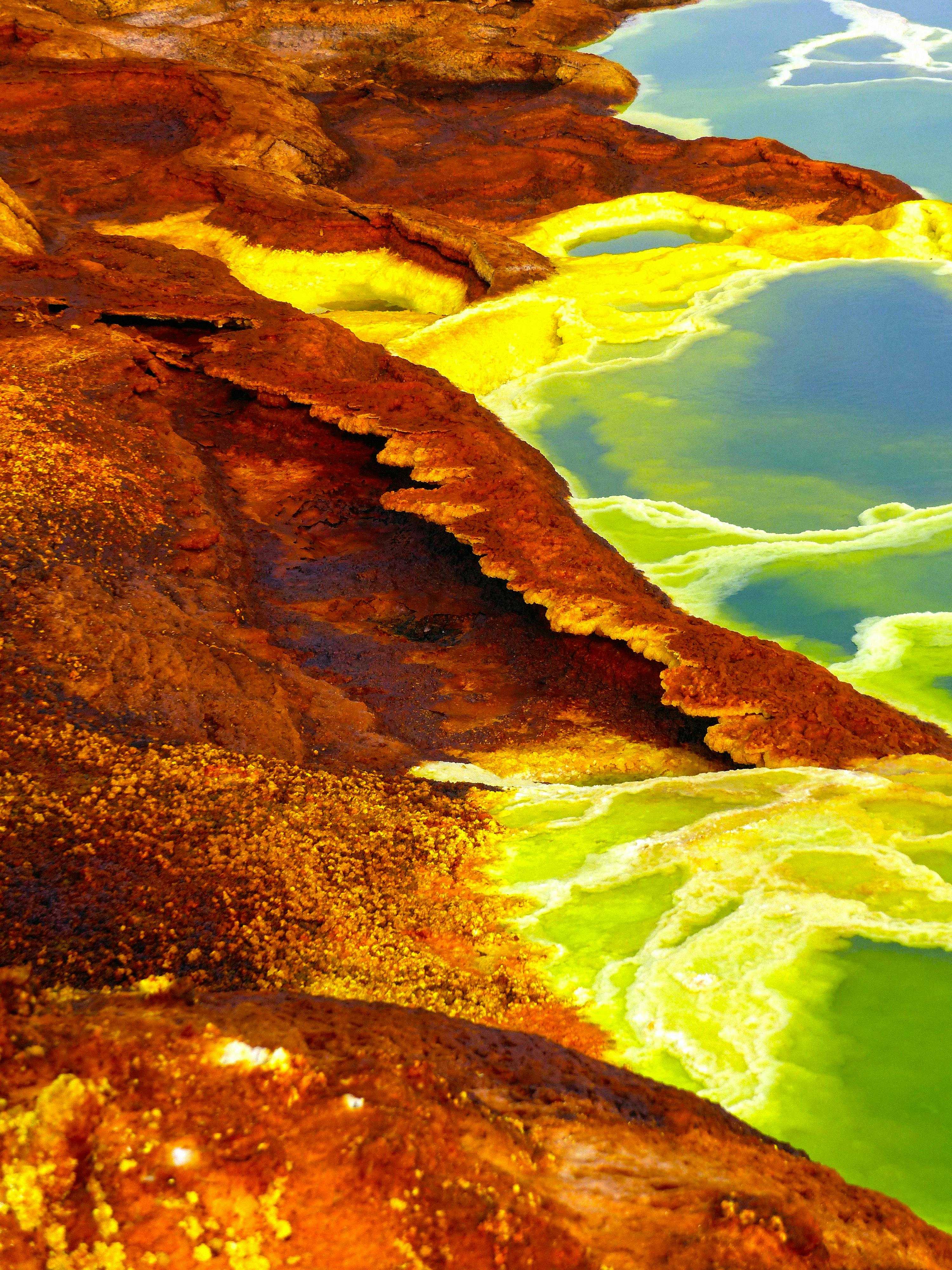
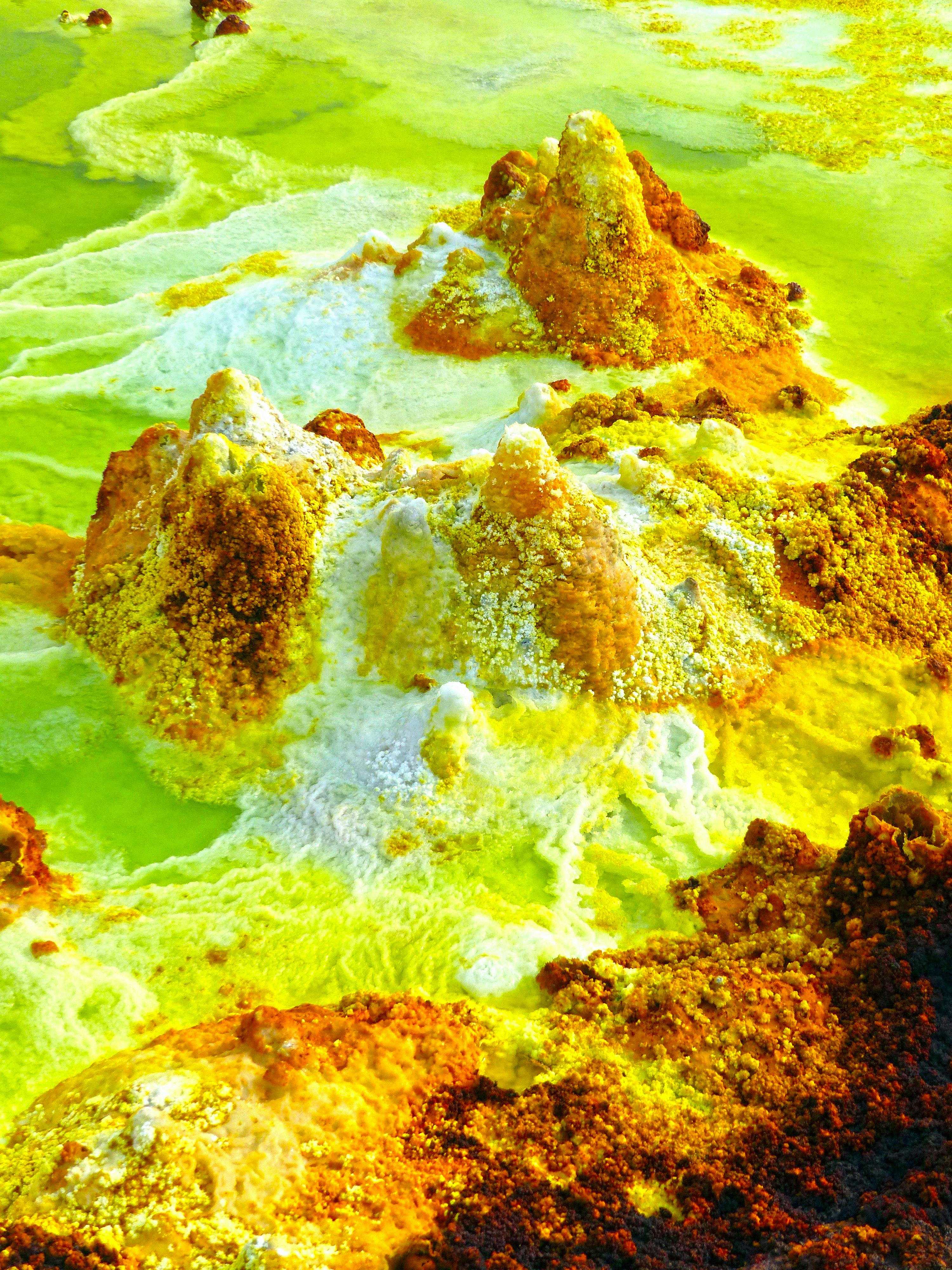
  2. Stunning Landscapes: Ethiopia is known for its diverse landscapes ranging from the highlands of the Simien Mountains to the volcanic landscapes of the Danakil Depression. Visitors can enjoy breathtaking views, trekking opportunities, and unique geological formations.

  3. Unique Wildlife: Ethiopia is home to a variety of endemic species such as the Ethiopian wolf, Gelada baboon, and Walia ibex. Visitors can go on safaris in national parks like Simien Mountains National Park and Bale Mountains National Park to see these unique animals in their natural habitat.

  4. Delicious Cuisine: Ethiopian cuisine is known for its unique flavors and diversity. Visitors can enjoy traditional dishes such as injera (a sourdough flatbread) served with spicy stews and vegetable dishes.

  5. Warm Hospitality: Ethiopians are known for their hospitality and welcoming nature towards visitors. Travelers can expect to be greeted with warmth and kindness wherever they go in the country.

Overall, traveling to Ethiopia offers a rich cultural experience, stunning natural beauty, and the opportunity to explore a country with a unique history and heritage.

What to know

Traveling to Ethiopia has several cons that travelers should be aware of:

  1. Safety Concerns: While Ethiopia is generally safe for tourists, there are occasional reports of petty theft, scams, and street crime in tourist areas. Visitors should exercise caution and be vigilant, especially in crowded areas and markets.

  2. Political Unrest: Ethiopia has experienced periods of political unrest and protests in recent years, leading to occasional disruptions in transportation and services. Travelers should stay informed about the current political situation and avoid areas where demonstrations are taking place.

  3. Health Risks: Ethiopia is known for having a high prevalence of certain diseases such as malaria, dengue fever, and cholera. Travelers are advised to take necessary health precautions, including vaccinations and carrying insect repellent.

  4. Poor Infrastructure: The infrastructure in Ethiopia may not be as developed as in other countries, leading to challenges such as unreliable transportation, limited access to medical facilities, and sporadic electricity and water supply in some areas.

  5. Language Barrier: While English is widely spoken in urban areas and tourist sites, communication can be a challenge in more remote regions where local languages are predominant. Travelers may encounter difficulties in navigating and seeking assistance.

  6. Cultural Sensitivities: Ethiopia is a culturally diverse country with different customs and traditions. Travelers should be respectful of local norms, especially when visiting religious sites and interacting with communities.

  7. Limited Connectivity: Internet and mobile phone coverage may be limited in some parts of Ethiopia, making it difficult to stay connected while traveling. Travelers should be prepared for potential communication challenges.

Overall, while Ethiopia offers unique cultural experiences and stunning landscapes, travelers should be prepared for the challenges that come with visiting this diverse and fascinating country.

Ethiopia, located in the Horn of Africa, is one of the oldest nations in the world, with a rich history that stretches back thousands of years. Here is a detailed history of Ethiopia, highlighting significant events, historical figures, and important landmarks.

Ancient History

  1. Prehistory and Early Civilization:

    • The region that is now Ethiopia is considered one of the earliest areas inhabited by humans. The famous hominid fossil "Lucy" (Australopithecus afarensis), discovered in 1974, dates back over 3 million years.
    • The kingdom of D'mt (circa 10th century BCE) in northern Ethiopia and Eritrea is one of the earliest known political entities in the area.
  2. The Kingdom of Aksum (circa 100 CE - 940 CE):

    • The Aksumite Empire became a major trading empire, known for its monumental obelisks, the most famous being the Obelisk of Axum.
    • Aksum was one of the first major empires to convert to Christianity under King Ezana in the 4th century CE.

Medieval Period

  1. Zagwe Dynasty (circa 900 CE - 1270 CE):

    • The Zagwe dynasty is noted for constructing the rock-hewn churches of Lalibela, a UNESCO World Heritage site.
  2. Solomonic Dynasty (1270 CE - 1974 CE):

    • The Solomonic Dynasty claimed descent from the biblical King Solomon and the Queen of Sheba.
    • During this period, Ethiopia maintained its independence despite pressures from neighboring Muslim sultanates.
    • One notable ruler was Emperor Menelik II, who defeated the Italians at the Battle of Adwa in 1896, ensuring Ethiopia's sovereignty.

20th Century

  1. Italian Occupation (1936 - 1941):

    • Italy under Mussolini invaded Ethiopia in 1935, succeeding in occupying the country by 1936. Emperor Haile Selassie I went into exile and appealed to the League of Nations.
    • Ethiopia was liberated in 1941 with the help of British and Ethiopian forces.
  2. Haile Selassie Era (1930 - 1974):

    • Emperor Haile Selassie is a significant figure, known for modernizing Ethiopia and being a founding member of the Organization of African Unity (OAU).
    • His regime faced internal unrest and famine, leading to his overthrow in 1974.
  3. Derg Regime (1974 - 1991):

    • The Derg, a Marxist military junta, led by Mengistu Haile Mariam, took control. The period was marked by the Red Terror, famine, and war.
    • The regime collapsed in 1991 following a prolonged civil war.

Modern Era

  1. Federal Democratic Republic (1991 - Present):
    • The Ethiopian People's Revolutionary Democratic Front (EPRDF) took control in 1991, leading to the establishment of a federal republic.
    • Meles Zenawi served as Prime Minister from 1995 to 2012, focusing on development and economic growth.
    • Abiy Ahmed became Prime Minister in 2018, initiating significant reforms and winning the Nobel Peace Prize in 2019 for ending the war with Eritrea.

Important Landmarks

  • Lalibela Churches: A series of 11 medieval monolithic cave churches in a mountainous region in the heart of Ethiopia.
  • Aksum Obelisks: These are ancient stelae and are considered one of Ethiopia's national treasures.
  • Harar Jugol: The old walled city of Harar, considered the fourth holiest city of Islam.

Ethiopia's rich history is characterized by its unique culture, resilience, and contributions to human civilization.