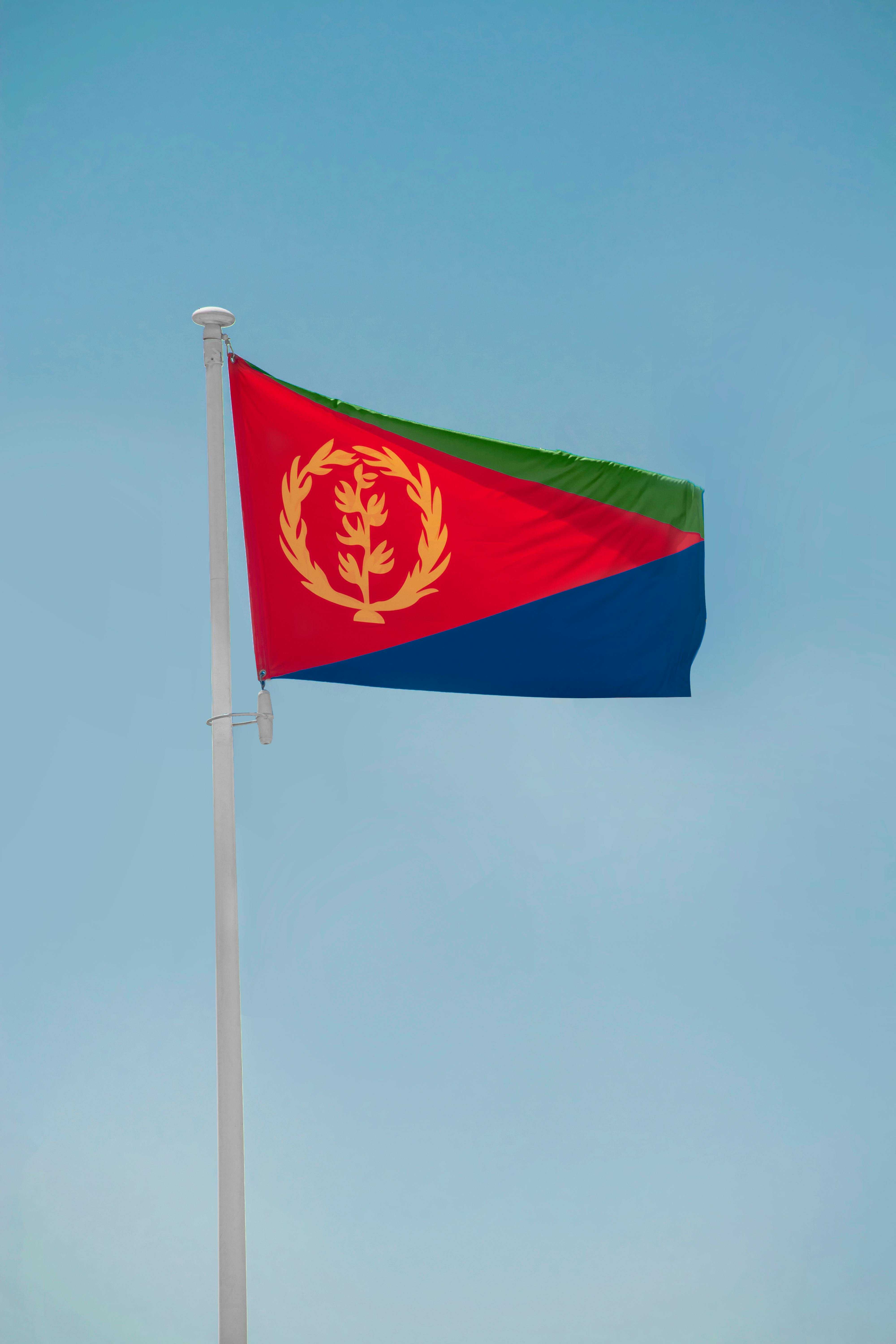
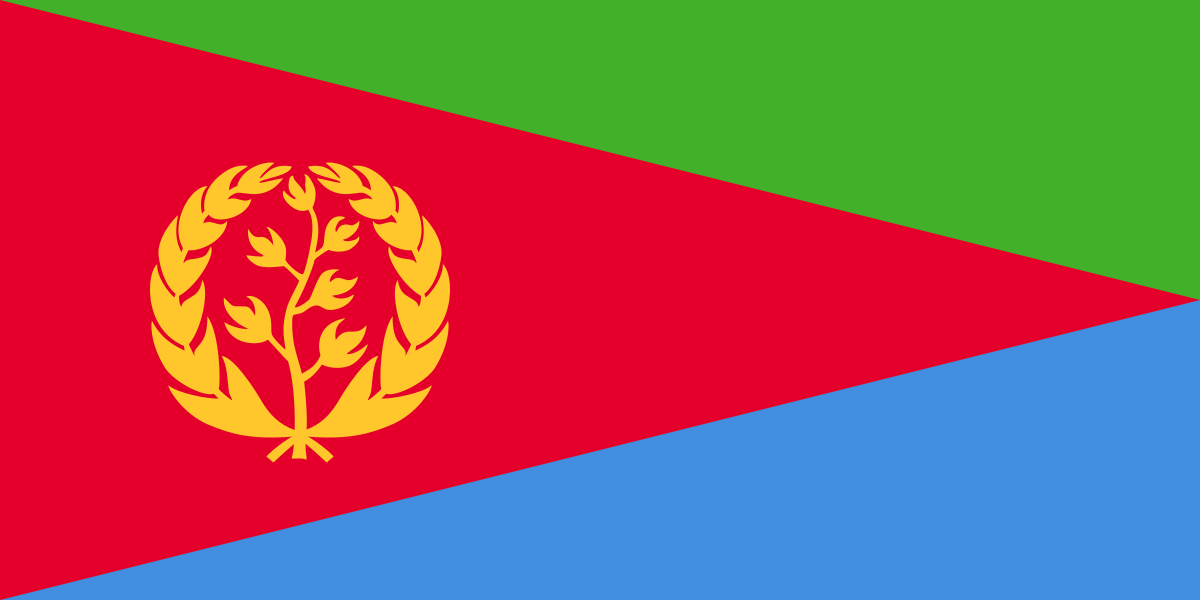
Eritrea
· ER

Eritrea

Eritrea

Discover the Untamed Beauty of Eritrea: A Journey Back in Time Nestled on the Horn of Africa, Eritrea beckons the adventurous traveler with its raw, untouched beauty and captivating blend of ancient history and modern re…

#East Africa#Horn of Africa#Red Sea#Asmara#Isaias Afwerki
1/2

Top hotels & flights

Hand-picked stays and the best fares into Eritrea.

Top Hotels in Asmara

Top Flights to Asmara

Popular activities

Tours, tickets and experiences travelers book most in Eritrea.

Tours

Asmara City Tour

Explore the modernist architecture and vibrant culture of Eritrea's capital city.

Massawa Historic Walk

Walk through the historic port city of Massawa and discover its Ottoman, Egyptian, and Italian influences.

Outdoor

Dahlak Archipelago Adventure

Snorkel and dive in the pristine waters of the Red Sea among coral reefs and exotic marine life.

Location videos

Real reels from travelers, plus longer watches to get the full picture.

From travelers
Watch & explore

Practical info

The essentials for planning your time in Eritrea.

Currency
ERN | Nakfa | Eritrean Nakfa
Population
As of the latest available estimates, the approximate total population of Eritrea is '3.7 million'.
Languages
Tigrinya, Tigrinya, Arabic, English, Tigre, Afar, Saho, Kunama, Nara, Bilen
Average weather
Eritrea
Jan
clear
27°15°
Feb
clear
28°16°
Mar
sun
30°17°
Apr
sun
31°19°
May
hot
33°21°
Jun
hot
35°23°
Jul
rain
33°22°
Aug
rain
32°21°
Sep
cloud
31°20°
Oct
sun
30°19°
Nov
clear
28°17°
Dec
clear
27°15°

Local guide

What travelers love, what to watch for, and a deeper read on Eritrea.

What people love

Eritrea is a country located in the Horn of Africa with a unique culture and history. Traveling to Eritrea can offer a variety of experiences and opportunities. Here are some pros of traveling to Eritrea:

  1. Rich Cultural Heritage: Eritrea has a diverse cultural heritage influenced by its history of trade, colonization, and independence struggles. Travelers can explore ancient ruins, traditional markets, and unique architecture that showcase the country's rich history and cultural diversity.

  2. Scenic Beauty: Eritrea is known for its stunning landscapes, including beautiful coastlines, mountains, and deserts. Travelers can enjoy outdoor activities such as hiking, diving, and bird watching while taking in the natural beauty of the country.

  3. Unique Cuisine: Eritrean cuisine is a blend of flavors influenced by the country's diverse ethnic groups and history. Travelers can enjoy traditional dishes such as injera (a type of flatbread), tsebhi (stew), and shiro (chickpea or bean paste) while experiencing the local food culture.

  4. Friendly Locals: Eritreans are known for their hospitality and friendliness towards visitors. Travelers can expect warm welcomes and interactions with locals who are eager to share their culture and traditions.

  5. Historical Sites: Eritrea is home to several historical sites and landmarks that offer insights into the country's past. Travelers can visit ancient ruins, churches, and museums that showcase Eritrea's history and heritage.

Overall, traveling to Eritrea can be a rewarding experience for those interested in exploring a unique culture, enjoying natural beauty, and learning about the country's rich history.

What to know

Some potential cons of traveling to Eritrea may include:

  1. Limited access to information: Eritrea has tight control over media and limited access to the internet, which can make it difficult for travelers to communicate with the outside world or receive up-to-date information.

  2. Political situation: Eritrea has been ruled by the same government since gaining independence in 1991, and there have been reports of political repression and human rights abuses. Travelers may want to exercise caution and avoid engaging in political discussions to avoid potential issues.

  3. Limited infrastructure: Eritrea's infrastructure, including roads, telecommunications, and healthcare facilities, may not be as developed as in other countries. This could impact the ease and comfort of travel within the country.

  4. Safety concerns: While Eritrea is generally considered safe for travelers, there have been incidents of border conflicts with neighboring countries, particularly with Ethiopia. Travelers should stay informed about the current situation and exercise caution in border areas.

  5. Limited tourist attractions: Eritrea is not a typical tourist destination and may not offer as many attractions or activities as other countries. Travelers looking for a wide range of tourist experiences may find Eritrea lacking in this regard.

It's important to conduct thorough research and consider these factors before planning a trip to Eritrea.

Eritrea, located in the Horn of Africa, has a rich and complex history shaped by its strategic location along the Red Sea.

Ancient and Medieval Periods

  • Ancient Times: Eritrea was part of the land known as Punt by the ancient Egyptians, and it was later incorporated into the Kingdom of D'mt (circa 800-400 BCE), which was centered in present-day northern Ethiopia and Eritrea.
  • Aksumite Empire: Eritrea was part of the Aksumite Empire (circa 100-940 CE), one of the great civilizations of the ancient world, known for its monumental obelisks and as an early adopter of Christianity.
  • Medieval Period: After the decline of Aksum, the region saw the rise of various local kingdoms and sultanates, including the Sultanate of Dahlak, which thrived on the Dahlak Archipelago.

Colonial Period

  • Italian Colonization: Eritrea became an Italian colony in 1890. The Italians established Asmara as the capital and developed infrastructure and architecture, much of which is still visible today.
  • World War II: During World War II, British forces defeated the Italians in Eritrea, and the British administered the territory until 1952.

Federation and Annexation by Ethiopia

  • UN Federation: In 1952, the United Nations established a federation between Eritrea and Ethiopia. However, Ethiopia annexed Eritrea in 1962, dissolving the federation and leading to a protracted struggle for independence.

War of Independence

  • Eritrean Liberation: The Eritrean War of Independence began in 1961 and lasted until 1991. The Eritrean People's Liberation Front (EPLF), led by figures such as Isaias Afwerki, played a crucial role in the struggle.
  • Independence: Eritrea achieved de facto independence in 1991 when EPLF forces captured Asmara. In 1993, following a UN-supervised referendum, Eritrea was formally declared independent.

Post-Independence Period

  • Border Conflict with Ethiopia: Tensions with Ethiopia over border issues led to the Eritrean-Ethiopian War (1998-2000), resulting in a stalemate and subsequent peace agreements.
  • Recent Developments: Eritrea has faced challenges such as authoritarian governance under President Isaias Afwerki, economic difficulties, and regional tensions.

Significant Landmarks

  • Asmara: Known for its well-preserved colonial Italian architecture, Asmara is a UNESCO World Heritage site.
  • Dahlak Archipelago: A group of islands known for their biodiversity and historical significance.
  • Qohaito: An archaeological site with ancient ruins dating back to the Aksumite period.

Historical Figures

  • Isaias Afwerki: Leader of the EPLF and the first President of Eritrea, playing a pivotal role in the country's independence.
  • Hamid Idris Awate: Considered the father of the Eritrean armed struggle, he initiated the armed resistance against Ethiopian rule.

Eritrea's history is marked by its struggle for independence, its rich cultural heritage, and its ongoing quest for stability and development in a challenging regional context.