


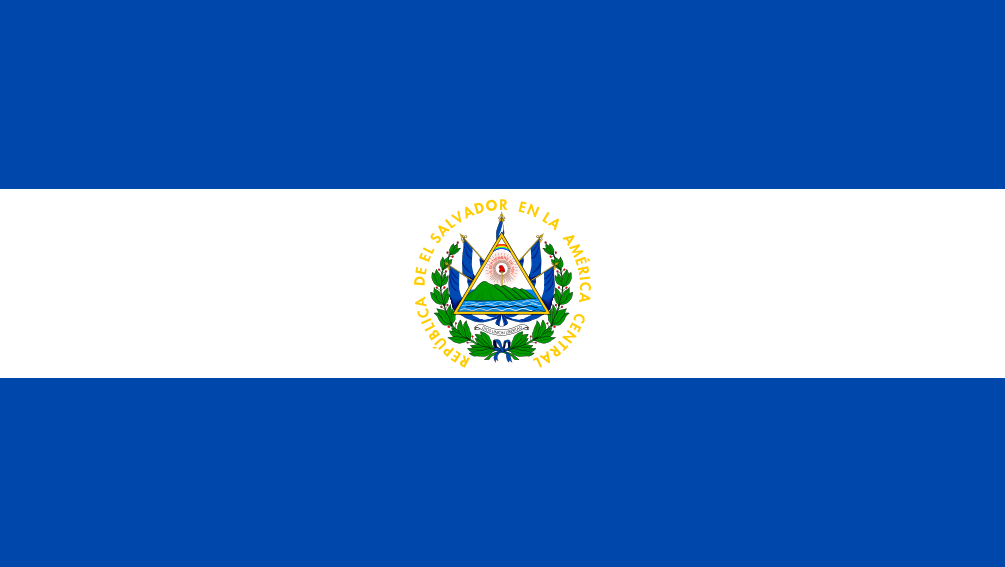
Explore El Salvador
Top cities in El Salvador
Pick a city to open its guide.
See it for yourself
Location videos
Reels and longer watches.
Traveller clips picked out for this place.
Good to know
Practical info
Weather, costs and getting around.
Know before you go
Local guide
A deeper read on El Salvador.
What people love
El Salvador, located in Central America, offers a variety of benefits for travelers. Some of the pros of traveling to El Salvador include:
-
Natural Beauty: El Salvador is known for its stunning natural landscapes, including beautiful beaches, lush rainforests, and impressive volcanoes. Visitors can enjoy activities such as surfing, hiking, and bird watching in these picturesque surroundings.
-
Rich Culture: El Salvador has a vibrant cultural scene with a mix of indigenous and Spanish influences. Travelers can explore historical sites, visit traditional villages, and experience colorful festivals that showcase the country's heritage.
-
Affordable Travel: Compared to other tourist destinations, El Salvador offers relatively affordable travel options for accommodations, food, and transportation. This makes it an attractive choice for budget-conscious travelers.
-
Warm Hospitality: Salvadorans are known for their warm and friendly hospitality towards visitors. Travelers can expect to be welcomed with open arms and experience the genuine kindness of the local people.
-
Delicious Cuisine: El Salvador has a diverse and flavorful cuisine that reflects its cultural diversity. Traditional dishes such as pupusas (thick corn tortillas filled with cheese, beans, or meat) are a must-try for food enthusiasts.
-
Adventure Activities: El Salvador is a paradise for adventure seekers, with opportunities for activities like surfing, zip-lining, and volcano hiking. The country's diverse landscapes provide a playground for outdoor enthusiasts looking for exciting experiences.
Overall, traveling to El Salvador can be a rewarding and enriching experience for those looking to explore a unique destination with natural beauty, rich culture, and warm hospitality.
What to know
Traveling to El Salvador does come with some cons that travelers should be aware of:
-
Safety Concerns: El Salvador has a high crime rate, particularly in certain areas of the country. Gang-related violence and petty crime can be common, especially in urban areas. Travelers should exercise caution and be vigilant of their surroundings to avoid becoming a victim of crime.
-
Natural Disasters: El Salvador is located in a region prone to natural disasters such as earthquakes, hurricanes, and volcanic eruptions. Travelers should be prepared for potential disruptions to their travel plans and stay informed about local conditions.
-
Limited Infrastructure: The infrastructure in El Salvador may not be as developed as in other countries, leading to challenges in transportation, communication, and access to certain services. Travelers may encounter issues such as poor road conditions, limited internet connectivity, and inconsistent public transportation.
-
Health Concerns: While El Salvador has made progress in healthcare, access to quality medical facilities and services may be limited in some areas. Travelers should take necessary precautions, such as getting travel insurance and vaccinations, to protect their health during their trip.
-
Language Barrier: Spanish is the official language of El Salvador, and while some people may speak English, communication can be a challenge for travelers who do not speak Spanish. Learning some basic Spanish phrases can be helpful in navigating daily interactions.
-
Environmental Challenges: El Salvador faces environmental issues such as deforestation, pollution, and water scarcity. Travelers should be mindful of their impact on the environment and take steps to minimize their carbon footprint during their stay.
Overall, while El Salvador has much to offer in terms of natural beauty, culture, and history, travelers should be aware of these cons and take necessary precautions to ensure a safe and enjoyable trip.