
Ehime
· JP

Ehime

Ehime, Japan

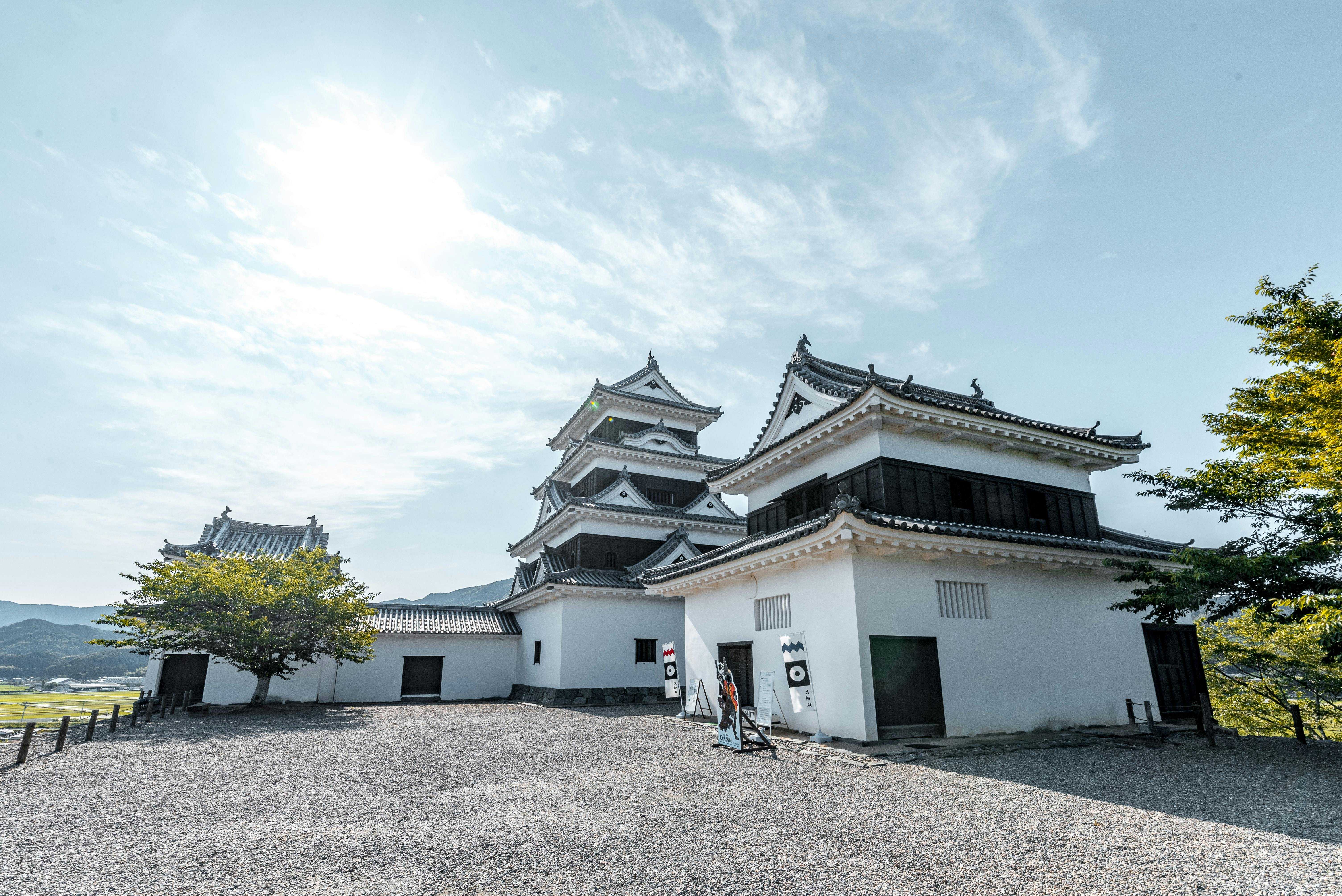
Escape to Ehime: Where Ancient Castles Meet Island Paradises Nestled on the tranquil shores of the Seto Inland Sea, Ehime Prefecture offers a captivating blend of history, natural beauty, and cultural charm. Leave behin…

#Japan#Ehime#Island#Scenic#Historic
1/7

Top hotels & flights

Hand-picked stays and the best fares into Ehime.

Top Hotels in Ehime

Top Flights to Ehime

Popular activities

Tours, tickets and experiences travelers book most in Ehime.

Tours

Matsuyama Castle Tour

Explore the historic Matsuyama Castle located on Mount Katsuyama, offering panoramic views of the city and Seto Inland Sea.

Dogo Onsen Experience

Visit the famous Dogo Onsen, one of Japan's oldest and widely renowned hot springs.

Shopping

Towel Museum of Art Shopping

Explore unique towel art and purchase high-quality towels and souvenirs at the Towel Museum of Art.

Outdoor

Shimanami Kaido Cycling

Cycle across the scenic Shimanami Kaido connecting Ehime and Hiroshima, enjoying views of the islands in the Seto Inland Sea.

Naruto Strait Cruise

Enjoy a boat tour through the Naruto Strait to witness the dynamic whirlpools up close.

Location videos

Real reels from travelers, plus longer watches to get the full picture.

From travelers
Watch & explore

Practical info

The essentials for planning your time in Ehime.

Currency
¥ | JPY | Japanese Yen
Population
1.3 million
Languages
Japanese, Japanese

Local guide

What travelers love, what to watch for, and a deeper read on Ehime.

What people love

Ehime Prefecture, located on the island of Shikoku in Japan, offers a unique and enriching travel experience with its blend of natural beauty, cultural attractions, and historical sites. Here are some pros of traveling to Ehime:

  1. Scenic Beauty: Ehime is known for its stunning natural landscapes, including the beautiful Seto Inland Sea coast, lush green mountains, and hot springs. Visitors can enjoy outdoor activities such as hiking, cycling, and onsen (hot spring) relaxation.

  2. Cultural Richness: The prefecture is home to several historic temples and shrines, including the famous Matsuyama Castle and Dogo Onsen, one of the oldest hot springs in Japan. Visitors can immerse themselves in traditional Japanese culture and history by exploring these sites.

  3. Citrus Fruits: Ehime is renowned for its production of high-quality citrus fruits, particularly mikan (mandarin oranges). Travelers can enjoy fresh and delicious fruits, visit citrus farms, and even participate in fruit-picking experiences during the harvest season.

  4. Local Cuisine: Ehime boasts a diverse culinary scene, with fresh seafood from the Seto Inland Sea, regional specialties like jakoten (fish paste fritters), and traditional dishes such as taimeshi (sea bream rice). Food lovers will appreciate the variety of flavors and ingredients unique to Ehime.

  5. Relaxing Atmosphere: Compared to bustling cities like Tokyo or Osaka, Ehime offers a more laid-back and tranquil atmosphere, making it an ideal destination for those seeking a peaceful retreat away from the crowds.

Overall, traveling to Ehime in Japan provides a wonderful opportunity to explore a lesser-known region with a rich cultural heritage, natural beauty, and delicious food.

What to know

Some potential cons of traveling to Ehime, Japan, located on the island of Shikoku, could include:

  1. Limited transportation options: Ehime may not be as well-connected by public transportation compared to larger cities in Japan, making it more challenging to get around without a car.

  2. Language barrier: As a less touristy destination, English may not be as widely spoken in Ehime compared to major cities like Tokyo or Kyoto, which could make communication more difficult.

  3. Limited international amenities: Ehime may have fewer international restaurants, accommodations, and services compared to more popular tourist destinations in Japan, which could impact travelers who prefer more familiar amenities.

  4. Potential for rural isolation: Ehime's rural areas may lack the bustling city atmosphere and convenience of urban centers, which could be a drawback for travelers seeking a lively environment.

  5. Limited tourist infrastructure: While Ehime offers beautiful natural landscapes and cultural attractions, it may have fewer tourist facilities and services compared to more popular destinations, which could impact the overall travel experience.

It's important to note that these cons are subjective and may vary depending on individual preferences and travel expectations. It's always a good idea to research and plan ahead to make the most of your trip to Ehime, Japan.

Ehime is a prefecture located on Shikoku Island in Japan. Here is a detailed history of Ehime, including significant events, historical figures, and important landmarks:

Historical Overview:

  1. Ancient and Medieval Periods:

    • Ehime, like much of Japan, has a history that stretches back to prehistoric times. The area was originally part of the Iyo Province, which is one of the original provinces established during the Asuka period (538-710 AD).
    • The region is known for its early settlements and burial mounds, indicating significant prehistoric activity.
    • During the Heian period (794-1185), Ehime was relatively isolated but was occasionally involved in conflicts between various samurai clans.
  2. Feudal Period:

    • In the feudal era, Ehime was controlled by various samurai clans, most notably the Matsuyama domain, which was established by the Tokugawa shogunate.
    • The Matsuyama Castle, built in 1603 by Kato Yoshiaki, is a significant historical landmark from this period. It is one of the twelve "original castles" in Japan that have survived since the Edo period.
  3. Meiji Restoration and Modernization:

    • The Meiji Restoration in 1868 led to the abolition of the feudal domain system and the establishment of prefectures, including Ehime Prefecture.
    • Ehime began to modernize with the rest of Japan, developing industries and infrastructure.
  4. 20th Century to Present:

    • During World War II, Ehime was the site of air raids and had a significant military presence.
    • Post-war, the prefecture focused on economic development, with agriculture, manufacturing, and shipbuilding being important industries.
    • The development of transportation infrastructure, including the Shimanami Kaido expressway linking Honshu and Shikoku, has boosted tourism and economic growth.

Significant Historical Figures:

  • Kato Yoshiaki (1563-1631): A samurai and daimyo known for constructing Matsuyama Castle, which remains a symbol of the city and prefecture.
  • Masaoka Shiki (1867-1902): A famous haiku poet from Matsuyama, who is credited with revitalizing the haiku form. His influence is celebrated in Matsuyama’s cultural life.

Important Landmarks:

  1. Matsuyama Castle:

    • Located in Matsuyama City, it is one of Japan's twelve original castles and offers panoramic views of the city and Seto Inland Sea.
  2. Dogo Onsen:

    • One of Japan's oldest hot springs, Dogo Onsen is a beautiful bathhouse with a history stretching back over 1,000 years. It is also said to have inspired the bathhouse in Hayao Miyazaki's "Spirited Away."
  3. Ishite-ji Temple:

    • Located in Matsuyama, it is one of the 88 temples on the Shikoku Pilgrimage, a significant spiritual journey for many Buddhists.
  4. Shimanami Kaido:

    • A series of bridges that connect Ehime Prefecture on Shikoku Island with Hiroshima Prefecture on Honshu Island, famous for its scenic cycling routes.
  5. Uwajima Castle:

    • Another original castle, located in Uwajima, known for its stunning views and historical architecture.

Ehime continues to be a place of cultural and historical significance in Japan, offering insights into both ancient and modern Japanese life.