
Egypt
· EG

Egypt

Egypt

Egypt, a land of ancient wonders and modern marvels, is a captivating destination in North Africa. Home to the iconic pyramids of Giza, the Sphinx, and the Nile River, Egypt offers a journey through time. Explore the anc…

#ancient history#pyramids#Nile River#desert#Middle East
1/17

Top hotels & flights

Hand-picked stays and the best fares into Egypt.

Top Hotels in Cairo

Top Flights to Cairo

Popular activities

Tours, tickets and experiences travelers book most in Egypt.

Tours

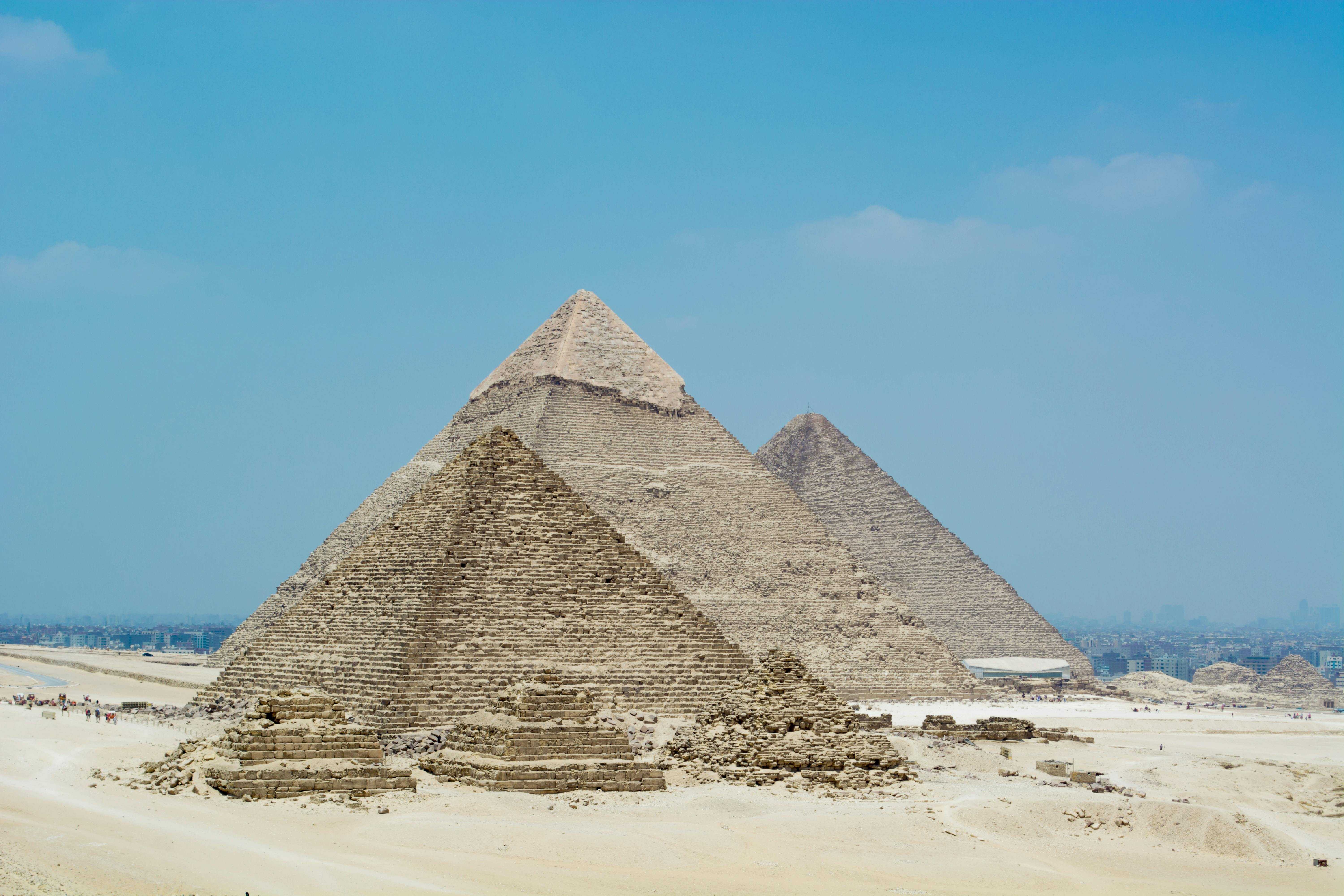
Explore the Pyramids of Giza

Visit the world-famous Pyramids of Giza and the Great Sphinx, marvel at the ancient engineering and explore the surrounding desert landscape.

Shopping

Khan el-Khalili Bazaar

Shop for traditional souvenirs, spices, jewelry, and more in this historic and bustling Cairo market.

Outdoor

Nile River Cruise

Experience the beauty of the Nile River with a scenic cruise, taking in the views of Cairo from the water.

Location videos

Real reels from travelers, plus longer watches to get the full picture.

From travelers
Watch & explore

Practical info

The essentials for planning your time in Egypt.

Currency
E£ | EGP | Egyptian Pound
Population
As of the most recent estimates, the approximate total population of Egypt is around 109 million.
Languages
Arabic, Arabic, English, French
Average weather
Egypt
Jan
clear
19°9°
Feb
clear
20°10°
Mar
clear
23°12°
Apr
clear
28°16°
May
hot
32°20°
Jun
hot
34°23°
Jul
hot
35°24°
Aug
hot
35°24°
Sep
hot
33°22°
Oct
clear
30°19°
Nov
clear
25°15°
Dec
clear
20°10°

Local guide

What travelers love, what to watch for, and a deeper read on Egypt.

What people love

There are several pros of traveling to Egypt, located in North Africa. Here are some detailed points:

  1. Rich History and Culture: Egypt is home to some of the world's most ancient civilizations, including the Pharaohs, Greeks, Romans, and Copts. Travelers can explore iconic historical sites such as the Pyramids of Giza, the Sphinx, Luxor Temple, and the Valley of the Kings.

  2. Stunning Landscapes: Egypt offers a diverse range of landscapes, from the vast deserts of the Sahara to the lush oases of the Western Desert. The Red Sea coast is famous for its crystal-clear waters and vibrant coral reefs, making it a popular destination for diving and snorkeling.

  3. Warm Hospitality: Egyptians are known for their hospitality and friendliness towards visitors. Travelers can expect to be warmly welcomed and treated with kindness and respect throughout their stay in Egypt.

  4. Culinary Delights: Egyptian cuisine is a delicious blend of Middle Eastern, Mediterranean, and African flavors. Travelers can sample traditional dishes such as koshari, falafel, and mahshi while exploring the local food markets and restaurants.

  5. Affordable Travel: Egypt offers good value for money, with a wide range of accommodation options to suit every budget. Travelers can also find affordable transportation, dining, and entrance fees to attractions, making it a budget-friendly destination.

Overall, traveling to Egypt offers a unique opportunity to explore a country with a rich history, stunning landscapes, warm hospitality, delicious cuisine, and affordable travel options.

What to know

Some potential cons of traveling to Egypt include:

  1. Political instability: Egypt has experienced periods of political unrest and demonstrations in the past, which can disrupt travel plans and potentially pose safety risks for tourists.

  2. Security concerns: While major tourist destinations in Egypt are generally safe for travelers, there have been isolated incidents of terrorism and security threats in the country, particularly in remote areas or near borders.

  3. Health risks: Travelers to Egypt should be aware of potential health risks such as food and waterborne illnesses, heat-related illnesses, and exposure to infectious diseases. It is important to take necessary precautions and seek medical advice before traveling.

  4. Scams and harassment: Tourists in popular tourist areas may encounter scams, aggressive vendors, and harassment. It is advisable to be cautious and assertive in dealing with such situations.

  5. Language barrier: While English is widely spoken in tourist areas, travelers may encounter communication challenges in more rural or less touristy areas of Egypt.

  6. Cultural differences: Egypt is a conservative country with specific cultural norms and customs that travelers should be aware of and respect. It is important to dress modestly and be mindful of local customs and traditions.

  7. Pollution and environmental issues: Egypt faces challenges related to pollution, waste management, and environmental degradation, which can impact the quality of air and water in certain areas.

It is important to conduct thorough research, stay informed about current events, and take necessary precautions to ensure a safe and enjoyable travel experience in Egypt.

Egypt, officially known as the Arab Republic of Egypt, is located in North Africa and is bordered by the Mediterranean Sea to the north, Sudan to the south, Israel and the Red Sea to the east, and Libya to the west. It has a rich history that dates back to ancient times and has seen the rise and fall of several powerful civilizations.

Significant events in Egypt's history include:

  1. Ancient Egypt (circa 3100 BC - 332 BC): Ancient Egypt is renowned for its advanced civilization, including the construction of the pyramids, the development of hieroglyphic writing, and the rule of famous pharaohs such as King Tutankhamun, Cleopatra, and Ramses II.

  2. Greek and Roman Period (332 BC - 641 AD): Egypt fell under Greek rule following the conquest by Alexander the Great in 332 BC. It later became a province of the Roman Empire in 30 BC after the defeat of Cleopatra. During this period, Egypt saw the spread of Christianity.

  3. Islamic Conquest and Medieval Period (641 AD - 1517 AD): Egypt was conquered by Arab Muslims in 641 AD, leading to the spread of Islam in the region. The Fatimid Caliphate established Cairo as its capital, and Egypt became a center of Islamic learning and culture.

  4. Ottoman Rule (1517 AD - 1882 AD): Egypt was incorporated into the Ottoman Empire in 1517 and remained under Ottoman rule for over three centuries. The Ottomans modernized Egypt's infrastructure and administration but faced challenges from European powers during the 19th century.

  5. British Occupation and Independence (1882 AD - 1952 AD): In 1882, Egypt came under British occupation due to its strategic importance. The country gained independence in 1922 but remained under British influence. The Egyptian Revolution of 1952 led to the establishment of a republic and the end of the monarchy.

  6. Modern Egypt (1952 AD - Present): Egypt has experienced political and social changes since the 1952 revolution. The construction of the Aswan High Dam in the 1960s helped control the Nile River's flooding and provided hydroelectric power. Egypt has played a significant role in regional politics and has faced challenges such as economic instability and political unrest.

Important landmarks in Egypt include:

  1. The Great Pyramid of Giza: One of the Seven Wonders of the Ancient World, the Great Pyramid is the largest of the three pyramids in Giza and a symbol of Egypt's ancient civilization.

  2. The Sphinx: A mythical creature with the body of a lion and the head of a human, the Sphinx is located near the pyramids in Giza and is a significant archaeological site.

  3. The Nile River: The longest river in the world, the Nile has been crucial to Egypt's agriculture, transportation, and economy for thousands of years.

  4. The Valley of the Kings: Located near Luxor, the Valley of the Kings is a burial site for pharaohs and nobles of the New Kingdom, featuring intricately decorated tombs.

  5. The Temple of Karnak: A vast temple complex in Luxor dedicated to the god Amun, Karnak is one of Egypt's most important archaeological sites.

Egypt's history is a tapestry of ancient civilizations, conquests, and cultural achievements that have shaped the country into the vibrant nation it is today.