Cuba
· CU

Cuba

Cuba

Step Back in Time, Step into the Rhythm of Cuba Cuba, the vibrant island nation nestled in the heart of the Caribbean, is a feast for the senses. More than just sun-drenched beaches and turquoise waters (though it has th…

#Caribbean#Island#Havana#Spanish-speaking#Tropical
1/6

Top hotels & flights

Hand-picked stays and the best fares into Cuba.

Top Hotels in Havana

Top Flights to Havana

Popular activities

Tours, tickets and experiences travelers book most in Cuba.

Tours

Exploring Old Havana

Discover the historic city center of Havana, known for its stunning colonial architecture and vibrant culture.

Havana Art and Culture

Explore the rich art scene in Havana with visits to galleries and cultural centers.

Trinidad's Colonial Charm

Step back in time with a visit to the beautifully preserved colonial town of Trinidad.

Cienfuegos City Tour

Explore Cienfuegos, known as the 'Pearl of the South,' with its beautiful bay and French-inspired architecture.

Shopping

Shopping in Varadero

Visit the bustling markets and shopping streets of Varadero for souvenirs and local products.

Shopping in Havana's Five Points

Experience the vibrant shopping scene in Havana, with a mix of local markets and boutiques.

Outdoor

Viñales Valley Adventure

Explore the scenic Viñales Valley, known for its stunning landscapes and tobacco fields.

Cayo Largo Beaches

Relax on the stunning beaches of Cayo Largo, known for their white sand and crystal-clear water.

Hiking the Sierra Maestra

Embark on a challenging hike through the Sierra Maestra mountain range, rich in history and natural beauty.

El Nicho Waterfalls

Visit the stunning El Nicho Waterfalls, a series of waterfalls in a lush setting.

Location videos

Real reels from travelers, plus longer watches to get the full picture.

Watch & explore

Practical info

The essentials for planning your time in Cuba.

Currency
$ | CUP | Cuban Peso
Population
11.3 million
Languages
Spanish, Spanish
Average weather
Cuba
Jan
sun
26°18°
Feb
sun
27°18°
Mar
sun
28°19°
Apr
sun
29°21°
May
rain
30°22°
Jun
rain
31°23°
Jul
hot
32°23°
Aug
hot
32°24°
Sep
rain
31°23°
Oct
rain
29°22°
Nov
sun
27°20°
Dec
sun
26°18°

Local guide

What travelers love, what to watch for, and a deeper read on Cuba.

What people love

Cuba is a beautiful and unique destination with many appealing aspects for travelers. Some of the pros of traveling to Cuba include:

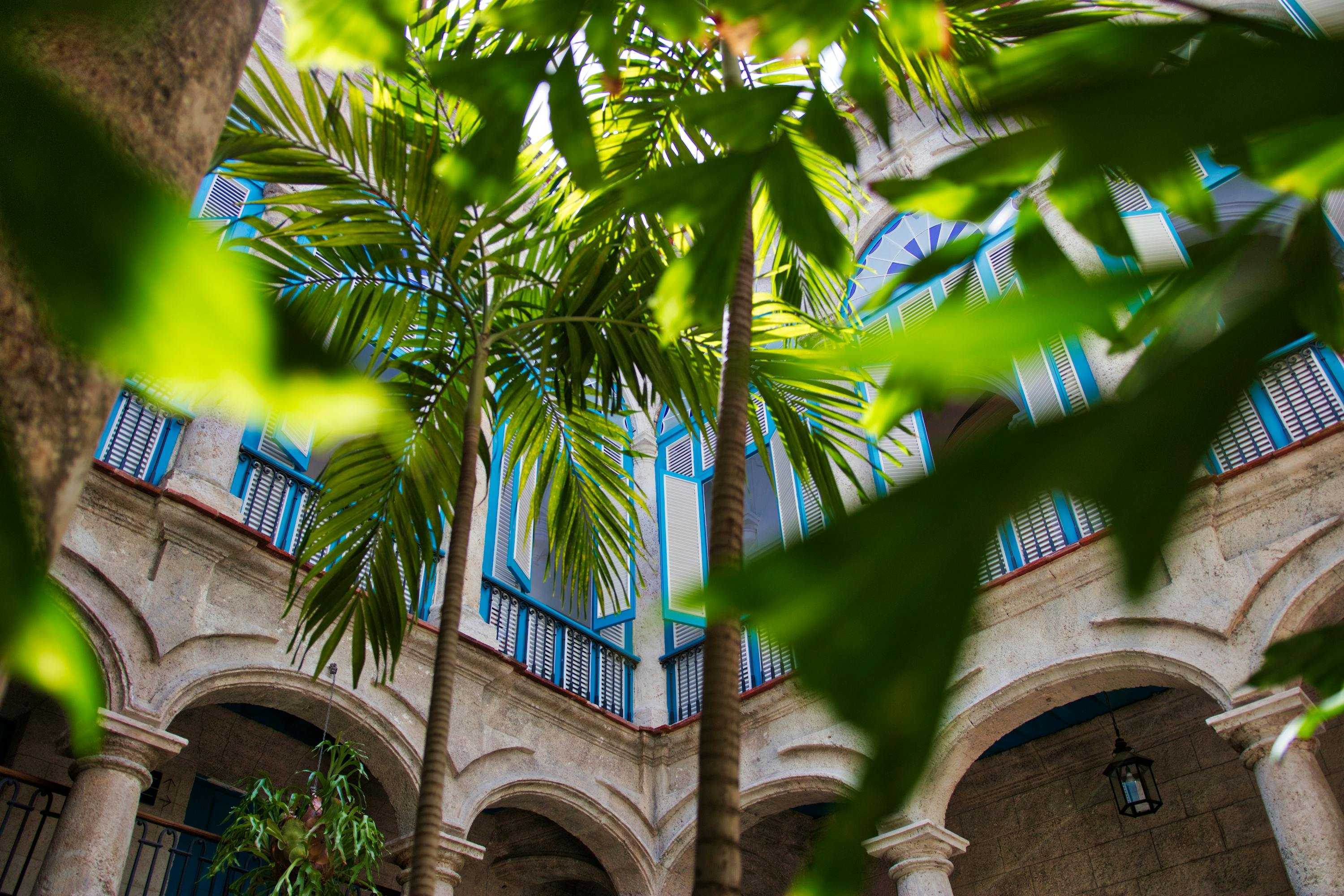
  1. Rich History and Culture: Cuba boasts a fascinating history and vibrant culture that can be experienced through its architecture, music, dance, and art. Travelers can explore historic sites such as Old Havana, Trinidad, and the Bay of Pigs, as well as engage with locals to learn about their traditions and way of life.

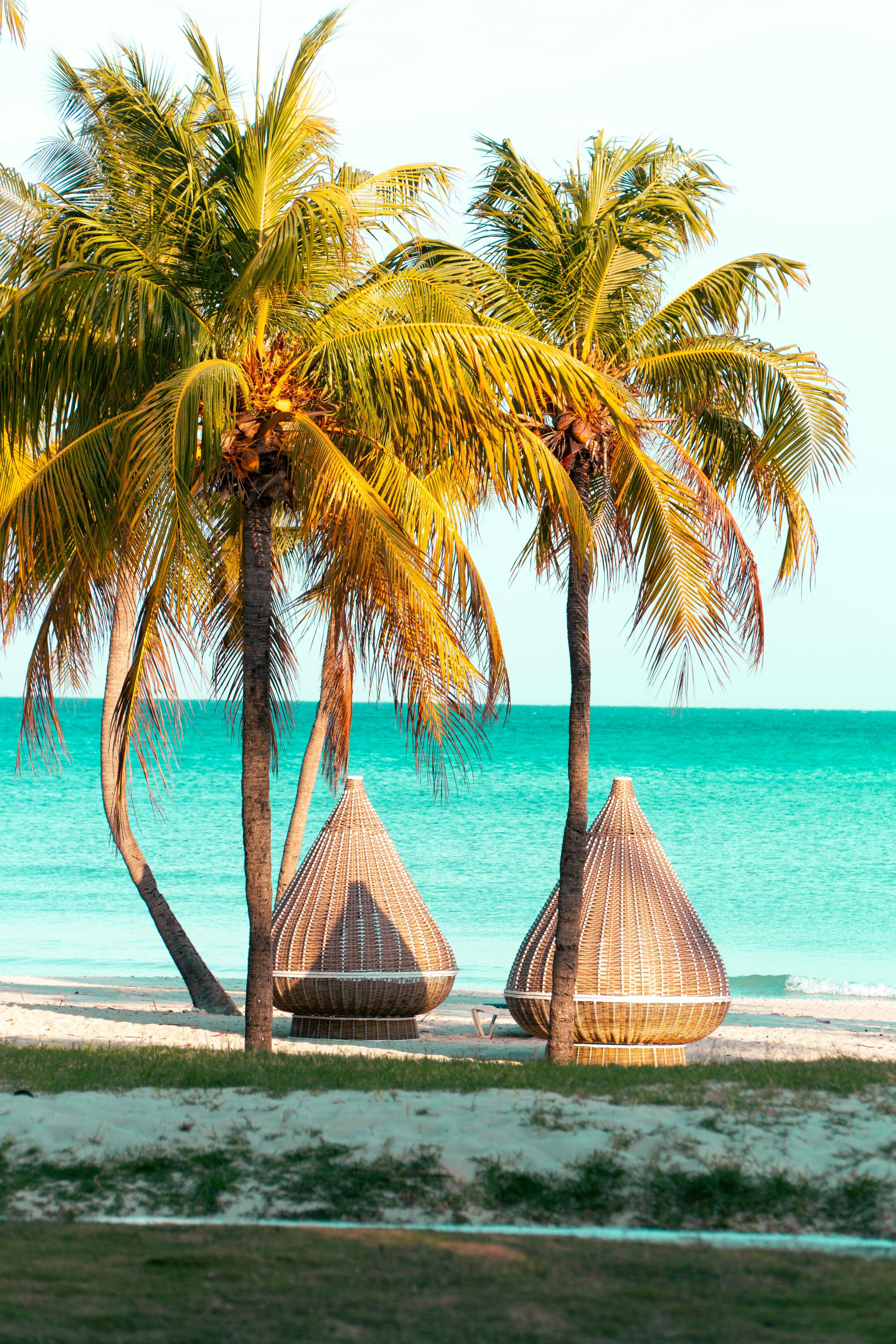
  2. Stunning Beaches: Cuba is home to some of the most beautiful beaches in the Caribbean, with crystal-clear waters and powdery white sands. Popular beach destinations include Varadero, Cayo Coco, and Guardalavaca, where travelers can relax, swim, snorkel, and enjoy water sports.

  3. Vintage Cars: One of the unique aspects of Cuba is its collection of vintage cars, many of which date back to the 1950s. Travelers can take a ride in a classic car and explore the streets of Havana or other cities, adding a nostalgic touch to their experience.

  4. Delicious Cuisine: Cuban cuisine is a flavorful mix of Spanish, African, and Caribbean influences, with dishes such as ropa vieja, arroz con pollo, and tostones. Travelers can savor traditional Cuban meals at local restaurants, paladares (privately-owned restaurants), and food markets.

  5. Hospitable People: Cubans are known for their warmth and hospitality, making travelers feel welcome and at home during their visit. Interacting with locals can provide valuable insights into Cuban life and culture, creating memorable and meaningful experiences.

Overall, traveling to Cuba offers a rich and diverse experience that combines history, culture, natural beauty, and culinary delights, making it a compelling destination for adventure-seekers and culture enthusiasts alike.

What to know

Traveling to Cuba does have some potential cons that travelers should be aware of:

  1. Limited internet access: Internet access in Cuba is limited and can be slow and expensive. This can make it difficult to stay connected with family and friends back home or to access important information while traveling.

  2. Cash economy: Cuba operates on a cash economy, which means that credit and debit cards issued by U.S. banks may not work in the country. Travelers should plan to bring enough cash to cover their expenses for the duration of their trip.

  3. Language barrier: While many Cubans in tourist areas speak some English, the primary language spoken in Cuba is Spanish. Travelers who do not speak Spanish may encounter communication challenges, especially in more remote areas.

  4. Limited infrastructure: Cuba's infrastructure, including roads, public transportation, and healthcare facilities, may not be up to the same standards as in other countries. Travelers should be prepared for potential delays or inconveniences.

  5. Political and social restrictions: Cuba is a communist country with strict government control over many aspects of daily life. Travelers should be mindful of local laws and customs to avoid any potential issues.

It's important to note that these cons should not deter travelers from visiting Cuba, as the country offers a unique and vibrant culture, beautiful landscapes, and friendly people. By being prepared and informed, travelers can have a safe and enjoyable experience in Cuba.

Cuba, officially known as the Republic of Cuba, is an island nation located in the Caribbean Sea. It has a rich and complex history shaped by indigenous cultures, European colonization, African influences, and revolutionary movements.

Pre-Colonial and Colonial Period:

  • Before the arrival of Europeans, Cuba was inhabited by indigenous peoples, including the Taíno, Guanahatabey, and Ciboney.
  • Christopher Columbus arrived in Cuba on October 28, 1492, during his first voyage to the Americas, claiming the island for Spain.
  • In 1511, Diego Velázquez de Cuéllar began the Spanish conquest of Cuba, establishing the first Spanish settlement, Baracoa, in 1511, and later Havana in 1519.
  • The indigenous population declined rapidly due to diseases brought by Europeans and harsh conditions under Spanish rule.

Colonial Economy and Society:

  • Throughout the 16th to 19th centuries, Cuba's economy was primarily based on agriculture, with sugar and tobacco as major crops.
  • The importation of African slaves became central to the plantation economy, significantly shaping Cuba's demographic and cultural landscape.

Struggle for Independence:

  • The 19th century saw growing discontent with Spanish rule, leading to several uprisings, including the notable Ten Years' War (1868–1878).
  • José Martí, a key figure in Cuba's fight for independence, led efforts to gain freedom from Spanish rule. He founded the Cuban Revolutionary Party in 1892 and is often called the "Apostle of Cuban Independence."
  • The Spanish-American War in 1898, where the U.S. intervened following the explosion of the USS Maine in Havana Harbor, resulted in Spain's defeat and the Treaty of Paris, which granted Cuba nominal independence under U.S. oversight.

20th Century to Present:

  • Cuba gained formal independence on May 20, 1902, but the Platt Amendment allowed the U.S. to intervene in Cuban affairs.
  • In the early to mid-20th century, Cuba experienced political instability, with a series of governments and dictators, including the presidency of Fulgencio Batista.
  • The Cuban Revolution, led by Fidel Castro, Ernesto "Che" Guevara, and others, succeeded in overthrowing Batista's government on January 1, 1959.
  • Post-revolution, Cuba established a communist government. Under Castro, the country aligned with the Soviet Union, leading to tensions with the United States, notably during the Bay of Pigs Invasion (1961) and the Cuban Missile Crisis (1962).
  • The U.S. imposed a trade embargo on Cuba in 1960, which remains largely in effect today.
  • After the dissolution of the Soviet Union in 1991, Cuba faced severe economic difficulties during the "Special Period," but has gradually opened up to more international trade and tourism.

Significant Landmarks:

  • Havana: The capital city is known for its well-preserved architecture and historical sites such as the Malecón, Old Havana, and El Capitolio.
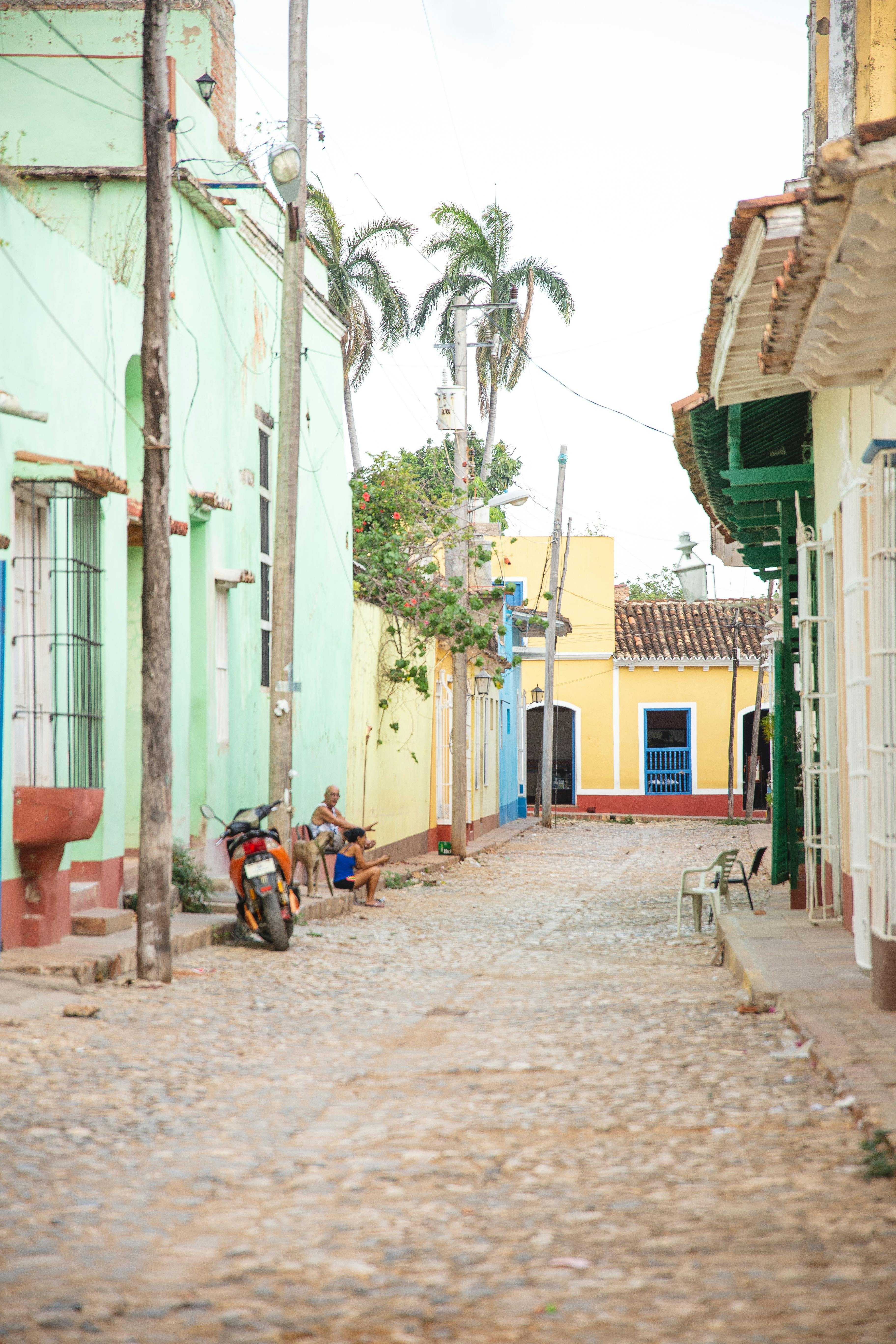
  • Trinidad: A UNESCO World Heritage Site, known for its colonial architecture.
  • Santiago de Cuba: Known for its vibrant culture and historical significance in the Cuban Revolution.
  • Varadero: One of the largest resort areas in the Caribbean, known for its beaches.
  • Viñales Valley: Renowned for its natural beauty and tobacco plantations.

Contemporary Cuba:

  • After Fidel Castro's retirement in 2008, his brother Raúl Castro took over leadership, initiating some economic reforms.
  • In recent years, Cuba has seen a gradual opening of its economy, with increased foreign investment and a growing private sector, although political freedoms remain restricted.
  • Miguel Díaz-Canel became President in 2018, marking the first time since 1959 that a Castro did not hold the presidency.

Cuba's history is marked by a blend of indigenous, African, and European influences, revolutionary fervor, and a complex relationship with global powers, particularly the United States.