
Cluj
· RO

Cluj

Cluj, Romania

Discover Cluj-Napoca: Romania's Vibrant Heart of Transylvania Nestled in the heart of Transylvania, Cluj-Napoca, or simply Cluj, pulsates with youthful energy and historical charm. Far from Dracula's shadowy castles, thi…

#Eastern Europe#Historic city#Cultural hub#Transylvania region#University town
1/4

Top hotels & flights

Hand-picked stays and the best fares into Cluj.

Top Hotels in Cluj

Top Flights to Cluj

Popular activities

Tours, tickets and experiences travelers book most in Cluj.

Tours

Explore the Historical Center of Cluj

Discover the rich history and culture of Cluj by exploring its historical center, home to numerous landmarks and architectural gems.

Visit the Botanical Garden

Experience the lush gardens and exotic plants at the Alexandru Borza Botanical Garden, one of the largest gardens in Eastern Europe.

Cluj-Napoca Art Museum Tour

Delve into the world of Romanian art with a tour of the Cluj-Napoca Art Museum.

Culinary Tour of Cluj

Taste the delicious local and Romanian cuisine through a guided culinary tour in Cluj.

Turda Salt Mine Adventure

Visit the historic Turda Salt Mine and explore its fascinating underground world.

Shopping

Shopping at Iulius Mall

Experience the vibrant shopping scene at Iulius Mall, featuring a wide range of international and local brands.

Shopping at Central Market

Explore Cluj's Central Market, filled with fresh produce and traditional products.

Outdoor

Hike in the Făget Forest

Enjoy a serene hike in the beautiful Făget Forest, just outside the bustling city of Cluj.

Paragliding in the Apuseni Mountains

Take an exhilarating paragliding flight over the stunning Apuseni Mountains.

Adventure Park in Cojocna

An exciting outdoor adventure park featuring rope courses, zip lines, and other thrilling activities.

Location videos

Real reels from travelers, plus longer watches to get the full picture.

Watch & explore

Practical info

The essentials for planning your time in Cluj.

Currency
lei | RON | Romanian Leu
Population
Not Available

Local guide

What travelers love, what to watch for, and a deeper read on Cluj.

What people love

Cluj, located in Romania, is a vibrant city with a rich history and many attractions that make it a popular destination for travelers. Some of the pros of traveling to Cluj include:

  1. Cultural Heritage: Cluj is known for its historical buildings, museums, and cultural events. Visitors can explore landmarks such as the Banffy Palace, St. Michael's Church, and the National Museum of Art.

  2. Festivals and Events: The city hosts various festivals throughout the year, including the Transylvania International Film Festival (TIFF) and the Electric Castle music festival. These events offer a unique opportunity to experience local culture and entertainment.

  3. Outdoor Activities: Cluj is surrounded by beautiful natural landscapes, making it a great destination for outdoor enthusiasts. Visitors can enjoy hiking, cycling, and exploring the nearby Apuseni Mountains.

  4. Culinary Delights: The city boasts a diverse culinary scene, with traditional Romanian dishes as well as international cuisine. Visitors can sample local specialties such as mici (grilled sausages) and sarmale (cabbage rolls).

  5. Affordable Prices: Compared to other European cities, Cluj offers relatively affordable prices for accommodation, dining, and activities, making it an attractive destination for budget travelers.

Overall, traveling to Cluj, Romania, offers a blend of cultural experiences, outdoor adventures, and culinary delights that cater to a wide range of interests.

What to know

Some potential cons of traveling to Cluj, Romania, could include:

  1. Language barrier: While many people in Cluj speak English, it may still be challenging to communicate with locals who only speak Romanian.

  2. Limited public transportation: Cluj may not have as extensive public transportation options compared to larger cities, making it more difficult to get around.

  3. Weather: Cluj experiences cold winters and hot summers, which may not be ideal for everyone depending on personal preferences.

  4. Tourist crowds: During peak travel seasons, Cluj can get crowded with tourists, which may take away from the authenticity of the experience.

  5. Limited nightlife: While Cluj has a growing nightlife scene, it may not be as vibrant or diverse as other popular European cities.

Please note that these are general potential cons and may not apply to every traveler's experience. It's always a good idea to research further and plan accordingly based on your preferences and needs.

Cluj-Napoca, commonly known as Cluj, is one of the largest and most important cities in Romania, located in the historical region of Transylvania. It has a rich and diverse history shaped by various cultures and political entities over the centuries.

Ancient and Medieval History

  • Dacian and Roman Periods: The area around Cluj was originally settled by the Dacians. It became part of the Roman Empire after the Dacian Wars, when Emperor Trajan annexed Dacia. The Romans established a settlement called Napoca, which was granted municipal status in 124 AD. It became an important center in the Roman province of Dacia.

  • Medieval Period: After the Romans withdrew, the area saw migrations and was part of various entities, including the Hunnic, Gepid, and Avar domains. The name "Cluj" is derived from the Latin "Castrum Clus," referring to the fortress built in the area. In the 12th century, Saxon settlers arrived, and the city developed as a significant trade and craft center.

  • 16th Century: Cluj became a part of the Eastern Hungarian Kingdom and then the Principality of Transylvania. The city was a haven for Protestant Reformation ideas, and it embraced Calvinism.

Habsburg and Modern Era

  • 17th Century: The city was affected by the wars between the Habsburgs, Ottomans, and Transylvanian princes. It gained significance as a cultural and educational hub, with the foundation of the Jesuit Academy in 1581, the precursor to today's Babeș-Bolyai University.

  • 18th Century: Cluj fell under Habsburg control and was known as Klausenburg. It became the capital of the Grand Principality of Transylvania, part of the Austrian Empire.

  • 19th Century: The city was a focal point during the 1848 Hungarian Revolution. In 1872, the University of Cluj was established, further cementing its status as a center of learning.

20th Century to Present

  • World War I and Interwar Period: After World War I and the Treaty of Trianon in 1920, Cluj became part of Romania. It was officially renamed Cluj-Napoca in 1974, linking it back to its Roman roots.

  • World War II: The Second Vienna Award in 1940 temporarily ceded Northern Transylvania, including Cluj, to Hungary. It was returned to Romania in 1944.

  • Communist Era: Cluj underwent significant industrialization and urbanization during Romania's communist period (1947-1989).

  • Post-Communist Era: Since the fall of communism, Cluj-Napoca has developed rapidly, becoming a leading city in terms of education, culture, and technology.

Notable Historical Figures

  • Matthias Corvinus (1443-1490): Born in Cluj, he became King of Hungary and Croatia and is one of Hungary's most revered historical figures.
  • Béla Kun (1886-1938): A Communist revolutionary leader, born in Cluj.

Important Landmarks

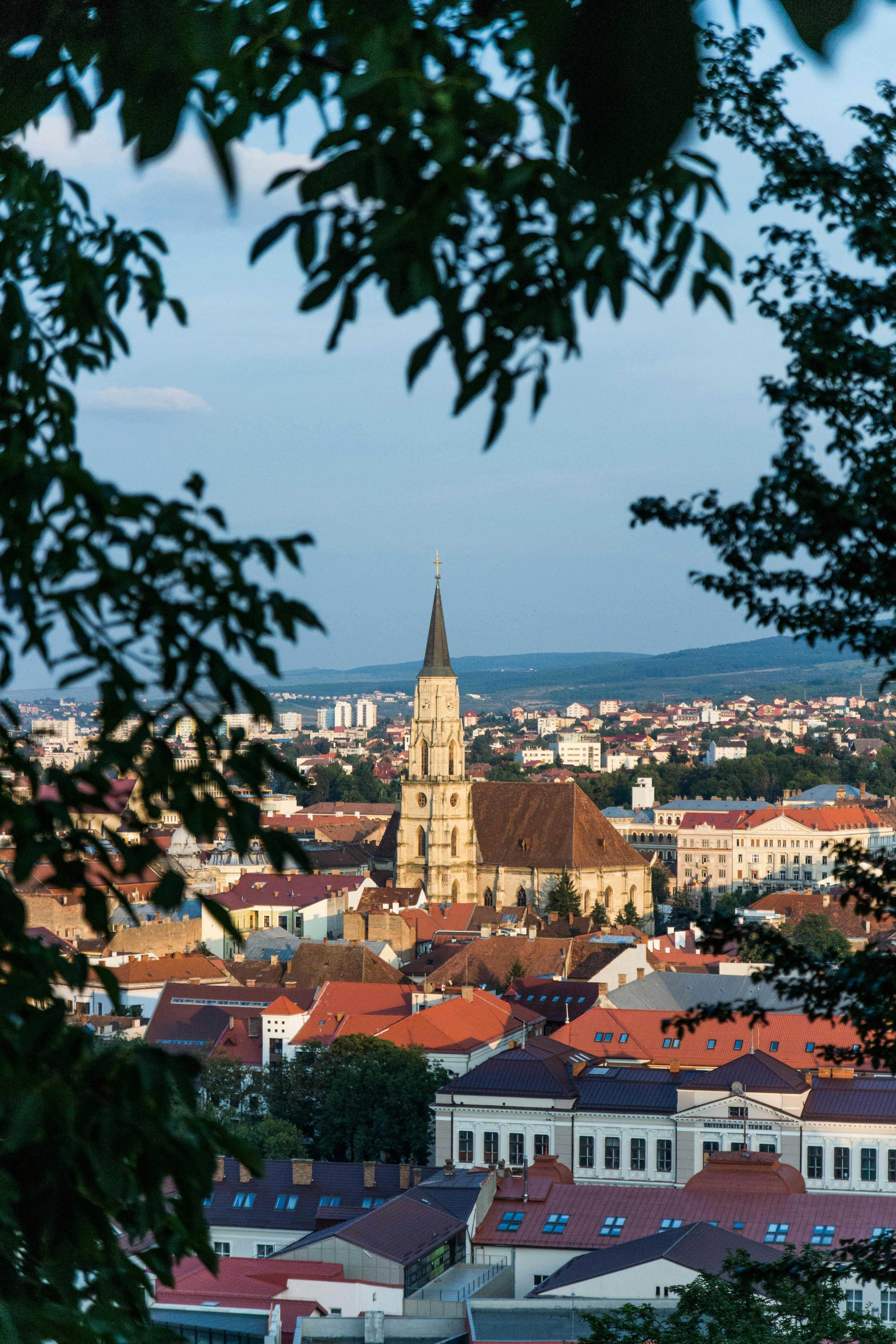
  • St. Michael's Church: A Gothic-style church in the city center, one of the largest in Romania.
  • Matthias Corvinus Monument: A statue in Union Square, honoring the famous king.
  • Bánffy Palace: A baroque building that houses the National Museum of Art.
  • Tailors' Bastion: A part of the medieval fortifications of Cluj.
  • Central Park and the Cluj-Napoca Botanical Garden: Popular recreational spots.
  • Babeș-Bolyai University: One of Romania's largest and most prestigious educational institutions.

Cluj-Napoca continues to be a vibrant cultural and economic center in Romania, known for its historical legacy, diverse population, and dynamic growth.