Cameroon
· CM

Cameroon

Cameroon

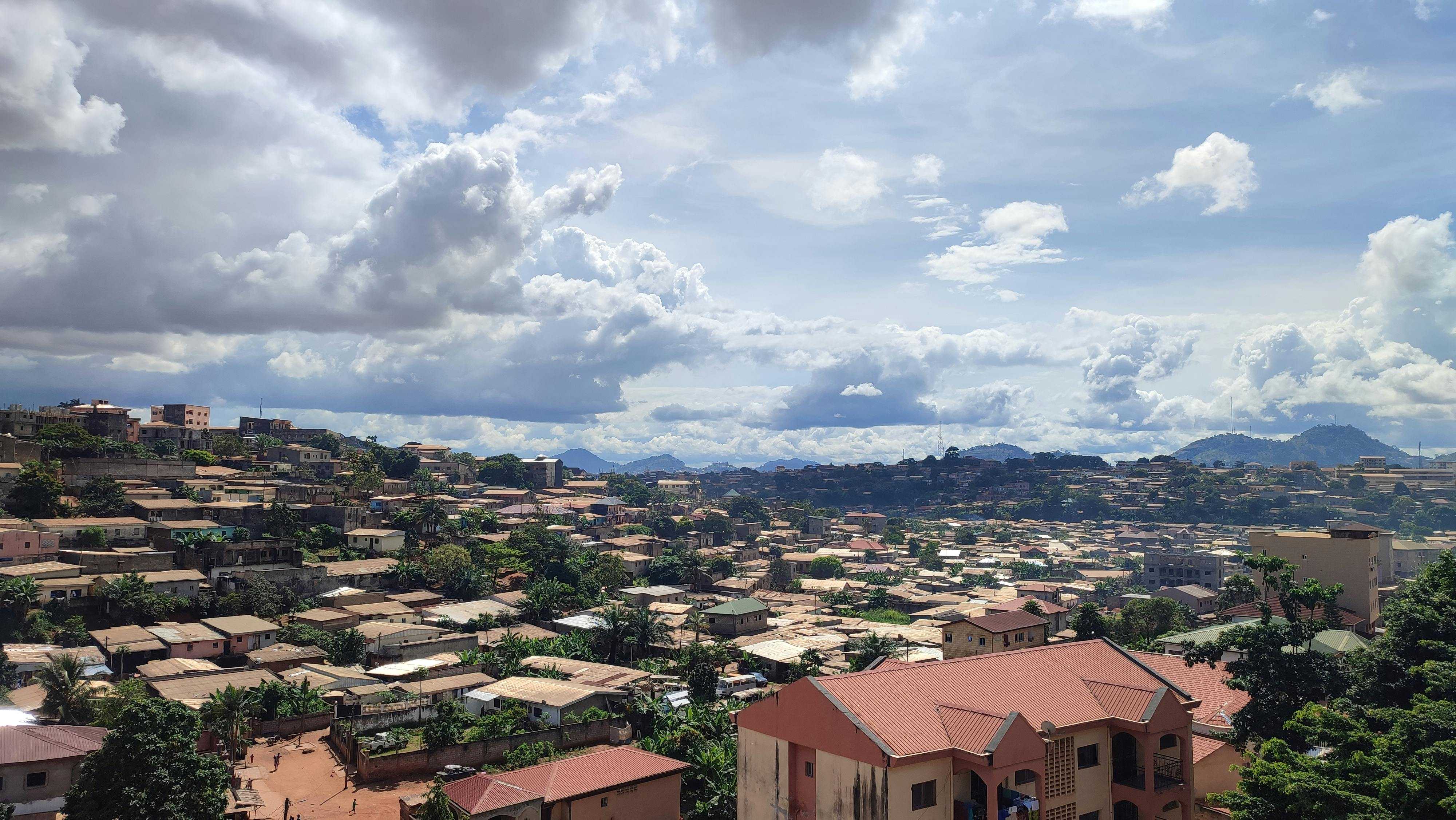
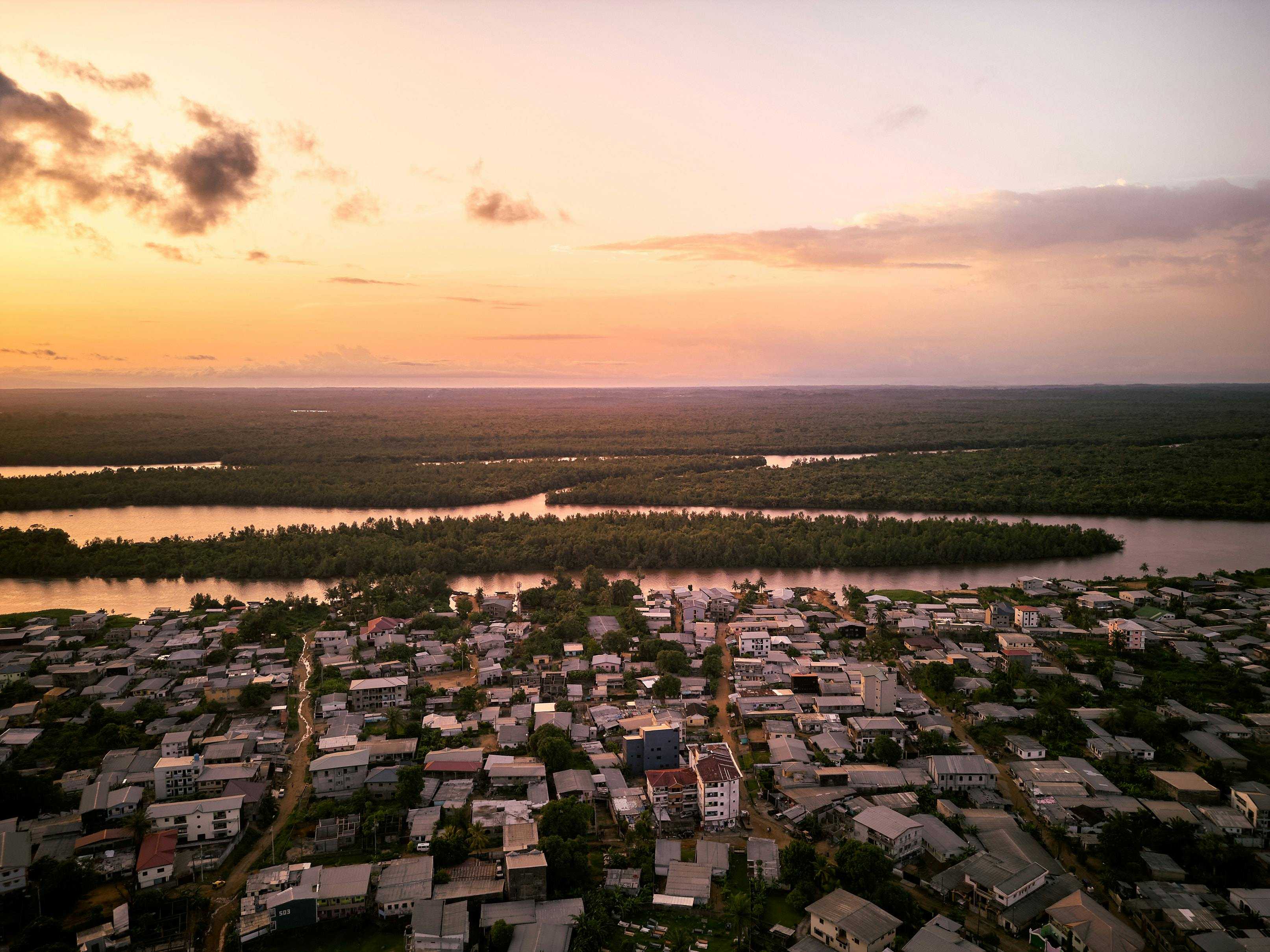
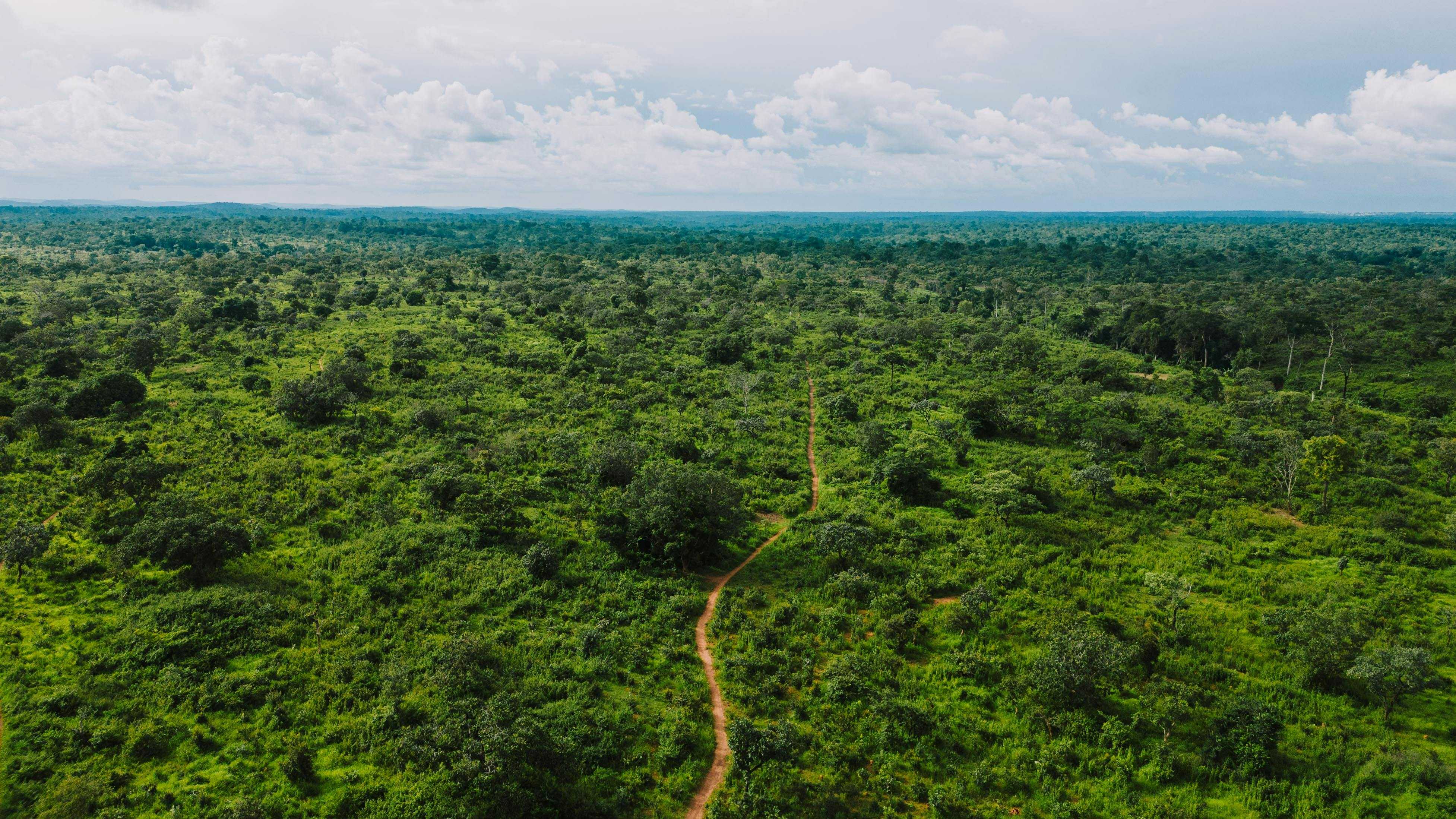
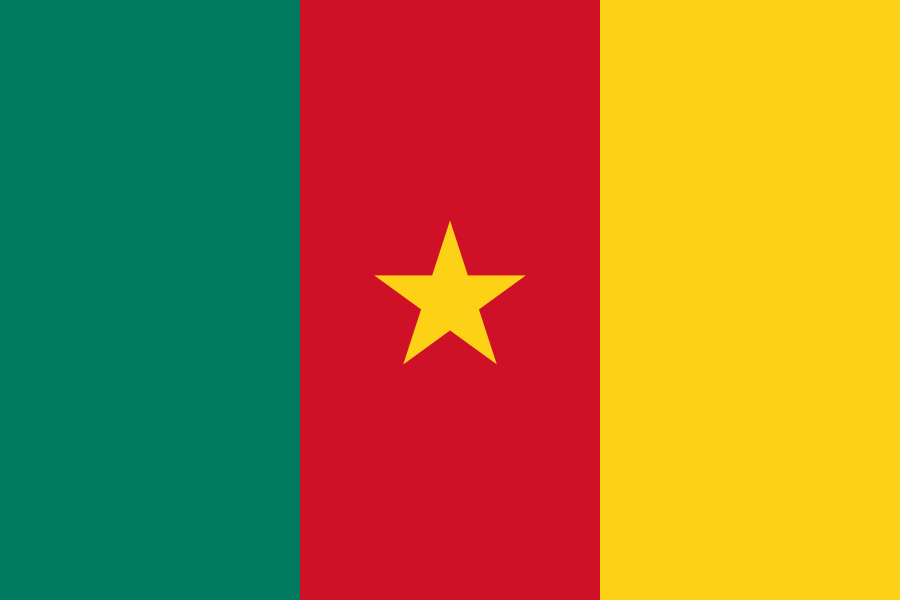
Cameroon, officially the Republic of Cameroon, is a country in Central Africa. Bordered by Nigeria to the west and north, Chad to the northeast, the Central African Republic to the east, and Equatorial Guinea, Gabon, and…

#Central Africa#Francophone country#Cameroonians#Yaoundé#Diverse culture
1/6

Top hotels & flights

Hand-picked stays and the best fares into Cameroon.

Top Hotels in Douala

Top Flights to Douala

Popular activities

Tours, tickets and experiences travelers book most in Cameroon.

Tours

Limbe Wildlife Centre

Discover Cameroon's wildlife at this sanctuary, home to rescued animals, including gorillas and chimpanzees.

Dja Faunal Reserve

A UNESCO World Heritage Site home to a wide variety of wildlife species and ancient forests.

Bafoussam Traditional Artisans

Discover the art of traditional handcrafting in the heart of Cameroon's Western Region.

Foumban Royal Palace

Visit the historic royal palace of Foumban, rich with Bamoun culture and history.

Shopping

Douala Central Market

Experience the vibrant local culture and shop for handmade crafts, clothing, and fresh produce.

Garoua Market Shopping Spree

Explore the bustling markets of Garoua for unique finds and great bargains.

Outdoor

Explore Mount Cameroon

Hike the active volcano, the highest peak in West Africa, offering breathtaking views of the surrounding landscape.

Kribi Beach Relaxation

Enjoy the white sandy beaches and fresh seafood in this popular coastal town.

Waza National Park Safari

Embark on an exciting safari adventure in one of the best wildlife viewing destinations in Cameroon.

Location videos

Real reels from travelers, plus longer watches to get the full picture.

From travelers
Watch & explore

Practical info

The essentials for planning your time in Cameroon.

Currency
FCFA | XAF | Central African CFA franc
Population
The approximate estimated total population of Cameroon is 28.7 million.
Languages
French, French, English
Average weather
Cameroon
Jan
sun
31°20°
Feb
sun
32°21°
Mar
sun
31°21°
Apr
rain
30°21°
May
rain
29°21°
Jun
rain
28°20°
Jul
rain
27°20°
Aug
rain
27°20°
Sep
rain
28°20°
Oct
rain
29°20°
Nov
sun
30°20°
Dec
sun
31°20°

Local guide

What travelers love, what to watch for, and a deeper read on Cameroon.

What people love

Cameroon, located in Central Africa, offers travelers a unique and diverse experience with its rich cultural heritage, stunning landscapes, and abundant wildlife. Here are some of the pros of traveling to Cameroon:

  1. Cultural Diversity: Cameroon is known for its diverse ethnic groups, each with its own traditions, languages, and customs. Travelers have the opportunity to immerse themselves in the vibrant local culture and learn about the different ways of life in the country.

  2. Natural Beauty: From lush rainforests to picturesque beaches, Cameroon boasts a wide range of natural landscapes to explore. Visitors can trek through the dense jungles of the Lobeke National Park, relax on the sandy shores of Kribi Beach, or hike up Mount Cameroon, the highest peak in West Africa.

  3. Wildlife Watching: Cameroon is home to a variety of unique wildlife species, including gorillas, chimpanzees, and elephants. Travelers can go on safari tours in national parks like Waza and Bouba Ndjida to spot these majestic animals in their natural habitats.

  4. Adventure Activities: For adrenaline junkies, Cameroon offers a range of adventure activities such as hiking, mountain biking, and white-water rafting. The country's diverse terrain provides plenty of opportunities for outdoor enthusiasts to get their hearts pumping.

  5. Warm Hospitality: Cameroonian people are known for their warm hospitality and friendliness towards visitors. Travelers can expect to be welcomed with open arms and treated to traditional Cameroonian dishes, music, and dance.

Overall, traveling to Cameroon offers a unique and rewarding experience for those seeking adventure, cultural immersion, and natural beauty in an off-the-beaten-path destination.

What to know

Some potential cons of traveling to Cameroon may include:

  1. Safety concerns: Cameroon has experienced periods of political instability, civil unrest, and terrorism in certain regions, which may pose risks to travelers. It is important to stay informed about the current security situation and exercise caution, especially in areas prone to conflict.

  2. Health risks: Cameroon is a country where certain diseases such as malaria, yellow fever, and cholera are prevalent. Travelers should take appropriate health precautions, such as getting necessary vaccinations and taking malaria prophylaxis, to protect themselves from potential health risks.

  3. Infrastructure challenges: Cameroon's infrastructure, including roads, public transportation, and healthcare facilities, may not be as developed or reliable as in some other countries. Travelers should be prepared for possible inconveniences and delays when traveling within the country.

  4. Language barrier: While French and English are both official languages in Cameroon, there are also many indigenous languages spoken throughout the country. Travelers who do not speak French or English may face challenges in communication, especially in more rural areas.

  5. Cultural differences: Cameroon is a diverse country with over 200 ethnic groups, each with its own customs and traditions. Travelers should be respectful of local customs and practices to avoid causing offense or misunderstandings.

It is always recommended to research and plan your trip carefully, stay informed about the current situation in Cameroon, and take necessary precautions to ensure a safe and enjoyable travel experience.

Cameroon, a country located in Central Africa, has a rich and complex history shaped by its diverse cultural heritage and colonial experiences. Here's an overview of Cameroon's history, significant events, historical figures, and important landmarks:

Pre-Colonial History

  • Early Inhabitants: The territory of modern-day Cameroon has been inhabited for thousands of years. Early groups included the Baka (Pygmies) in the southeastern rainforest and various ethnic groups in the north and west.
  • Kingdoms and Societies: Before European contact, several powerful states and societies existed, including the Sao civilization near Lake Chad, the Kotoko kingdoms, and the Bantu-speaking peoples in the south.

European Contact and Colonization

  • Portuguese Arrival: In the 15th century, Portuguese explorers arrived at the coast. They named the region "Rio dos Camarões" (River of Prawns), referring to the Wouri River; this name eventually evolved into "Cameroon."
  • German Colony: In 1884, Cameroon became a German protectorate known as Kamerun. The Germans established plantations, built infrastructure, and imposed their administrative systems.

World War I and Mandate System

  • WWI and Division: During World War I, British and French forces invaded and occupied Cameroon. After the war, the League of Nations divided Cameroon into British (Northwest and Southwest regions) and French Cameroons.
  • Mandate and Trusteeship: Under the League of Nations and later the United Nations, these regions were administered as mandates and then trust territories.

Path to Independence

  • French Cameroon: Under French administration, a nationalist movement grew, led by figures such as Ruben Um Nyobé and the Union des Populations du Cameroun (UPC). French Cameroon gained independence on January 1, 1960, with Ahmadou Ahidjo as its first president.
  • British Cameroon: A plebiscite was held in 1961 to decide the fate of British-administered regions. The southern part chose to join French Cameroon, while the northern part opted to join Nigeria.

Post-Independence Era

  • Unification: On October 1, 1961, the Federal Republic of Cameroon was established, uniting French Cameroon and the southern British territory, later becoming the United Republic of Cameroon in 1972.
  • Ahmadou Ahidjo's Rule: Ahidjo ruled until 1982, when he resigned, and Paul Biya succeeded him.
  • Paul Biya's Era: Paul Biya, who became president in 1982, has been in power for decades, making him one of Africa's longest-serving leaders. His tenure has been marked by significant political and economic changes as well as challenges like corruption and demands for political reform.

Recent Developments

  • Anglophone Crisis: Since 2016, Cameroon has faced internal conflict in its English-speaking regions, where there have been calls for greater autonomy or secession due to perceived marginalization by the Francophone-dominated government.
  • Economic Developments: Despite challenges, Cameroon remains an economic hub in Central Africa, thanks to its agricultural exports, oil resources, and growing infrastructure projects.

Significant Historical Figures

  • Ruben Um Nyobé: A leader of the UPC and a key figure in the anti-colonial struggle, advocating for independence from French rule.
  • Ahmadou Ahidjo: The first president of Cameroon and an influential figure in the country's early post-independence history.
  • Paul Biya: Long-serving president known for his role in shaping modern Cameroonian politics.

Important Landmarks

  • Mount Cameroon: An active volcano and the highest mountain in West Africa, it is a significant natural landmark and a popular site for hiking.
  • Waza National Park: One of the most famous national parks in Cameroon, known for its rich biodiversity and wildlife, including elephants, lions, and various bird species.
  • Palace of the Sultan of Bamoun: Located in Foumban, this historic palace is a testament to the rich cultural heritage of the Bamoun people and their traditional architecture.

Cameroon's history is characterized by its cultural diversity, colonial legacies, and ongoing political developments.