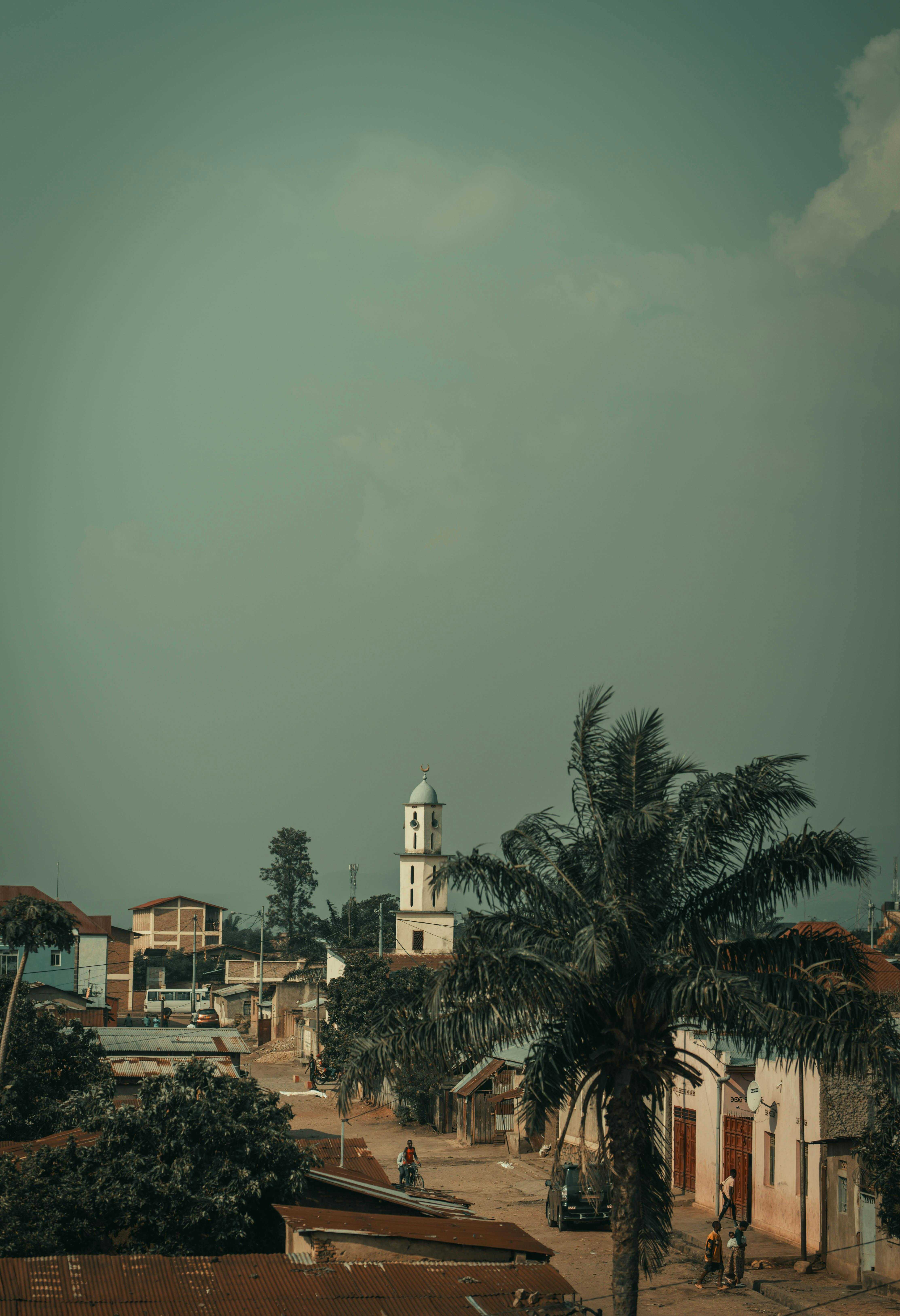
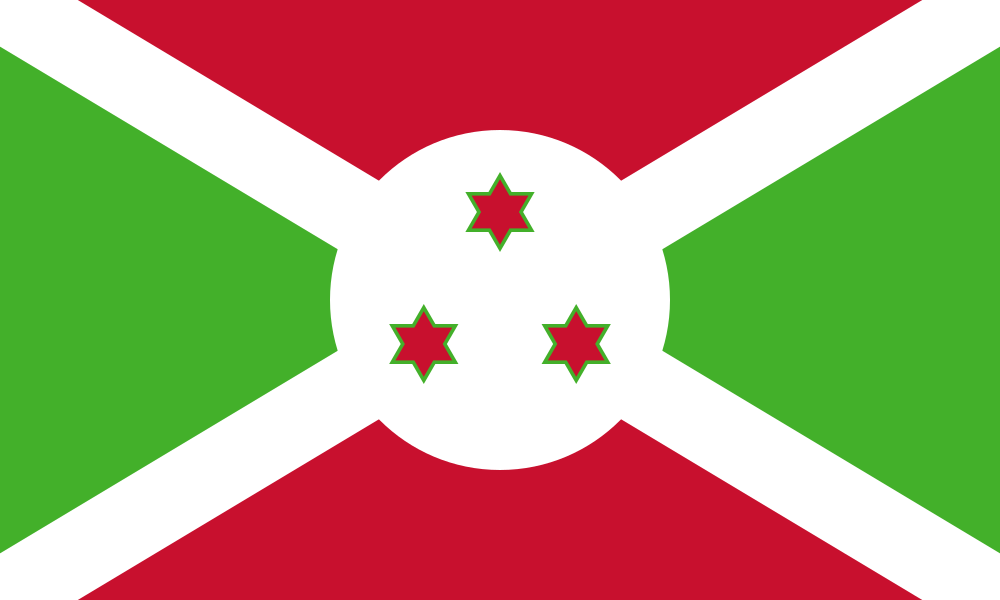
Burundi
· BI

Burundi

Burundi

Discover the Heart of Africa: Burundi Awaits Burundi, a small country nestled in the heart of Africa, is a land of breathtaking beauty and captivating culture. Often overlooked, this "secret gem" offers a unique travel …

#East Africa#Landlocked country#Francophone country#Great Lakes region#Capital: Bujumbura
1/1

Top hotels & flights

Hand-picked stays and the best fares into Burundi.

Top Hotels in Bujumbura

Top Flights to Bujumbura

Location videos

Real reels from travelers, plus longer watches to get the full picture.

From travelers

Practical info

The essentials for planning your time in Burundi.

Currency
FBu | BIF | Burundian Franc Republic of Burundi
Population
The approximate estimated total population of Burundi is '13.1 million'.
Languages
French, Kirundi, English
Average weather
Burundi
Jan
rain
28°18°
Feb
rain
28°18°
Mar
rain
28°18°
Apr
rain
27°18°
May
rain
27°17°
Jun
cloud
27°16°
Jul
cloud
27°16°
Aug
cloud
28°16°
Sep
rain
29°17°
Oct
rain
29°18°
Nov
rain
28°18°
Dec
rain
28°18°

Local guide

What travelers love, what to watch for, and a deeper read on Burundi.

What people love

Burundi, located in East Africa, offers a unique travel experience with its beautiful landscapes, diverse culture, and warm hospitality. Here are some pros of traveling to Burundi:

  1. Landscape: Burundi is known as the "Heart of Africa" due to its stunning natural beauty. From picturesque lakes like Lake Tanganyika to lush green hills and valleys, the country offers a variety of landscapes to explore.

  2. Wildlife: Burundi is home to a rich variety of wildlife, including hippos, elephants, and various bird species. You can visit national parks like Kibira National Park to experience the country's biodiversity up close.

  3. Culture: Burundi has a vibrant cultural scene, with traditional dance, music, and art forms that reflect the country's history and heritage. You can visit local markets, attend cultural festivals, and interact with friendly locals to learn more about Burundi's culture.

  4. Outdoor Activities: If you're an outdoor enthusiast, Burundi has plenty to offer. You can go hiking in the mountains, swimming in the lakes, or birdwatching in the national parks. The country's natural beauty provides a perfect backdrop for various outdoor activities.

  5. Hospitality: Burundians are known for their warm hospitality and welcoming nature towards visitors. You can expect to be greeted with smiles and open arms, making your travel experience even more enjoyable.

Overall, traveling to Burundi can be a rewarding experience for those looking to explore a lesser-known African destination with rich cultural heritage and natural beauty.

What to know

Traveling to Burundi has some potential cons that travelers should be aware of:

  1. Safety concerns: Burundi has experienced periods of political instability and civil unrest in the past. Travelers should stay informed about the current situation and exercise caution, especially in certain areas of the country.

  2. Health risks: Burundi faces challenges with healthcare infrastructure, and access to medical facilities and services may be limited in some areas. Travelers should take precautions to prevent illnesses such as malaria, yellow fever, and waterborne diseases.

  3. Limited tourism infrastructure: Burundi is not as developed for tourism compared to other African countries. Accommodation options, transportation services, and tourist facilities may be limited, impacting the overall travel experience.

  4. Language barrier: The official languages in Burundi are Kirundi and French. English is not widely spoken, so travelers who do not speak French or Kirundi may face communication challenges.

  5. Road conditions: The road infrastructure in Burundi may be poor in some areas, with limited signage and maintenance. Travelers should exercise caution when driving or using public transportation.

  6. Visa requirements: Travelers to Burundi may need to obtain a visa in advance, depending on their nationality. It is important to check the visa requirements and apply for the necessary documentation before traveling.

It is also advisable to check for any travel advisories or warnings issued by your country's government before planning a trip to Burundi.

Burundi, officially known as the Republic of Burundi, is a landlocked country located in the Great Rift Valley where the African Great Lakes region and East Africa converge. Its history is rich and complex, involving pre-colonial kingdoms, European colonization, and post-independence challenges.

Pre-Colonial Era:

  • Kingdom of Burundi: Before European colonization, Burundi was a kingdom. It had a centralized system of governance under the rule of a king, known as the "Mwami." The society was structured along a hierarchical system with the Ganwa (royal princes), Tutsi, Hutu, and Twa ethnic groups. The Mwami held significant power, often with the aid of a council of nobles.

Colonial Period:

  • German East Africa (1890-1916): Burundi became part of German East Africa in the late 19th century. The Germans ruled indirectly through the existing Mwami system, largely leaving local structures intact but exerting control over economic resources.

  • Belgian Rule (1916-1962): After World War I, the League of Nations mandated Burundi and Rwanda (together known as Ruanda-Urundi) to Belgium. The Belgians intensified ethnic divisions by favoring the Tutsi minority for administrative roles, sowing seeds of future conflict.

Post-Independence:

  • Independence (1962): Burundi gained independence on July 1, 1962. The country's first Prime Minister was Prince Louis Rwagasore, a unifying figure who was assassinated shortly before independence, creating political instability.

  • Ethnic Violence and Civil War: Burundi's post-independence period was marked by ethnic tension between the Hutu and Tutsi. A series of coups and assassinations followed, including the assassination of the first democratically elected Hutu president, Melchior Ndadaye, in 1993, which triggered a civil war that lasted until 2005.

  • Arusha Peace Agreement (2000): This agreement, brokered with the help of former South African President Nelson Mandela, laid the groundwork for peace and power-sharing between the ethnic groups.

Recent History:

  • Pierre Nkurunziza Presidency (2005-2020): In 2005, Pierre Nkurunziza became president. His third-term bid in 2015 sparked widespread protests and a failed coup attempt, leading to political unrest.

  • Évariste Ndayishimiye Presidency (2020-present): After Nkurunziza's sudden death in 2020, Évariste Ndayishimiye became president and has emphasized national unity and development.

Significant Historical Figures:

  • Mwami Mwambutsa IV: The king who reigned during the transition from colonial rule to independence.
  • Prince Louis Rwagasore: Independence hero and prime minister whose assassination marked a turning point in Burundi's history.
  • Melchior Ndadaye: The first democratically elected Hutu president whose assassination led to civil war.
  • Pierre Nkurunziza: Long-serving president whose third-term bid led to significant unrest.

Important Landmarks:

  • Gishora Drum Sanctuary: Located near Gitega, this site is significant for its historical and cultural importance to the Burundian royal drum tradition.
  • Lake Tanganyika: One of the African Great Lakes, offering natural beauty and biodiversity, and serving as an important historical and economic resource.
  • Kibira National Park: A protected area that represents the dense forest of the Congo-Nile Divide, home to diverse wildlife and part of the country’s ecological heritage.

Burundi's history is marked by a blend of indigenous governance, colonial legacy, and contemporary challenges, with ongoing efforts toward reconciliation and development.