Burkina Faso
· BF

Burkina Faso

Burkina Faso

Discover the Untamed Beauty of Burkina Faso: The Land of Upright People Burkina Faso, the "Land of Upright People," is a hidden gem in West Africa, waiting to be discovered by adventurous souls seeking authentic experien…

#West Africa#Landlocked country#French-speaking#Ouagadougou#Sahel region
1/2

Top hotels & flights

Hand-picked stays and the best fares into Burkina Faso.

Top Hotels in Ouagadougou

Top Flights to Ouagadougou

Popular activities

Tours, tickets and experiences travelers book most in Burkina Faso.

Tours

Princess Yennega Statue

Visit the iconic statue of Princess Yennega, a symbol of Burkina Faso's history and culture.

Bobo-Dioulasso Old Town Tour

Discover the historic old town of Bobo-Dioulasso, featuring colonial architecture and cultural heritage sites.

Shopping

Ouagadougou Grand Market

Explore the vibrant Grand Market in Ouagadougou, offering a variety of local goods, crafts, and cultural products.

Outdoor

Nazinga Game Ranch Safari

Enjoy a safari experience at Nazinga Game Ranch, home to elephants, antelopes, and various bird species.

Hiking at Sindou Peaks

Embark on a hiking adventure at the scenic Sindou Peaks, known for their unique rock formations.

Location videos

Real reels from travelers, plus longer watches to get the full picture.

From travelers
Watch & explore

Practical info

The essentials for planning your time in Burkina Faso.

Currency
CFA | XOF | West African CFA franc
Population
23.2 million
Languages
French, French, Fula, Mande languages
Average weather
Burkina Faso
Jan
clear
32°16°
Feb
sun
35°19°
Mar
hot
38°22°
Apr
hot
39°25°
May
hot
37°25°
Jun
cloud
34°23°
Jul
rain
31°22°
Aug
rain
30°21°
Sep
rain
31°21°
Oct
cloud
34°22°
Nov
sun
34°19°
Dec
clear
32°17°

Local guide

What travelers love, what to watch for, and a deeper read on Burkina Faso.

What people love

Burkina Faso, located in West Africa, offers several advantages for travelers:

  1. Rich Culture and Heritage: Burkina Faso is known for its diverse cultural heritage, including traditional music, dance, and art. Travelers can experience unique cultural festivals, such as the FESPACO Film Festival, which is the largest African film festival.

  2. Scenic Landscapes: The country boasts beautiful natural landscapes, including the stunning Sahel region, the Banfora Cascades, and the Nazinga Game Ranch. Visitors can enjoy hiking, wildlife viewing, and exploring the picturesque countryside.

  3. Warm Hospitality: Burkina Faso is known for its friendly and welcoming people. Travelers can expect to interact with locals who are eager to share their culture and traditions.

  4. Affordable Travel: Compared to other popular tourist destinations, Burkina Faso offers relatively affordable travel options, including accommodations, food, and transportation.

  5. Authentic African Experience: Traveling to Burkina Faso provides a more off-the-beaten-path experience compared to other more touristy destinations in Africa. Visitors can immerse themselves in the local way of life and gain a deeper understanding of West African culture.

Overall, traveling to Burkina Faso can be a rewarding experience for those seeking an authentic African adventure.

What to know

Some potential cons of traveling to Burkina Faso include:

  1. Safety concerns: Burkina Faso has experienced incidents of terrorism, including attacks on hotels, restaurants, and public spaces. The security situation in some areas of the country, particularly along the borders, can be unstable.

  2. Health risks: Burkina Faso is a country where certain diseases such as malaria, yellow fever, and dengue fever are prevalent. Travelers should take appropriate precautions, such as getting vaccinations and taking anti-malarial medication.

  3. Infrastructure challenges: The infrastructure in Burkina Faso, including roads, transportation, and healthcare facilities, may not be as developed as in some other countries. This can make travel more challenging and access to services more limited.

  4. Language barrier: While French is the official language of Burkina Faso, not all locals may speak English. This can make communication difficult for English-speaking travelers.

  5. Political instability: Burkina Faso has experienced political unrest and protests in recent years. Travelers should stay informed about the political situation and exercise caution during their visit.

It is important to conduct thorough research and consider these factors before traveling to Burkina Faso.

Burkina Faso, a landlocked country in West Africa, has a rich and complex history shaped by its geography and diverse cultural influences.

Pre-Colonial Period

Burkina Faso was originally inhabited by a variety of ethnic groups, including the Mossi, Gurunsi, Senufo, Bobo, and Lobi. The Mossi, in particular, established powerful kingdoms such as Ouagadougou, Tenkodogo, and Yatenga. The Mossi Kingdoms were known for their centralized governments and military prowess, which helped them resist invasions from neighboring empires.

Colonial Era

In the late 19th century, the area now known as Burkina Faso came under the influence of French colonial expansion. The region was gradually incorporated into French West Africa, with the Mossi kingdoms being defeated by 1896. In 1919, Upper Volta was established as a separate French colony, but it was dissolved in 1932 and its territory divided among neighboring colonies. It was reconstituted in 1947.

Independence and the Republic of Upper Volta

Burkina Faso achieved independence from France on August 5, 1960, under the name Republic of Upper Volta. Maurice Yaméogo became the country’s first president. His rule was marked by economic challenges and political unrest, leading to his overthrow in a military coup in 1966.

Thomas Sankara and the Burkinabé Revolution

One of the most significant figures in Burkina Faso’s history is Thomas Sankara, who came to power in a 1983 coup. Often referred to as "Africa's Che Guevara," Sankara implemented radical reforms aimed at eliminating corruption, promoting self-reliance, and improving education and healthcare. In 1984, he renamed the country Burkina Faso, meaning "Land of Incorruptible People." Sankara's policies were popular domestically but controversial internationally, and he was assassinated in a coup led by his former ally, Blaise Compaoré, in 1987.

Blaise Compaoré Era and Aftermath

Blaise Compaoré ruled Burkina Faso for 27 years, during which time he maintained a grip on power through a mix of political maneuvering and constitutional changes. His government was marked by economic liberalization and alignment with Western powers. However, growing discontent with his long rule led to widespread protests in 2014, ultimately forcing him to resign and flee the country.

Recent Developments

After a brief period of transitional government, Roch Marc Christian Kaboré was elected president in 2015. His administration faced challenges such as economic issues and increasing security threats from jihadist groups in the Sahel region. The security situation has remained a significant concern, affecting stability and development.

Important Landmarks

  • Ouagadougou: The capital city, known for its vibrant culture and as a hub of political and economic activities.
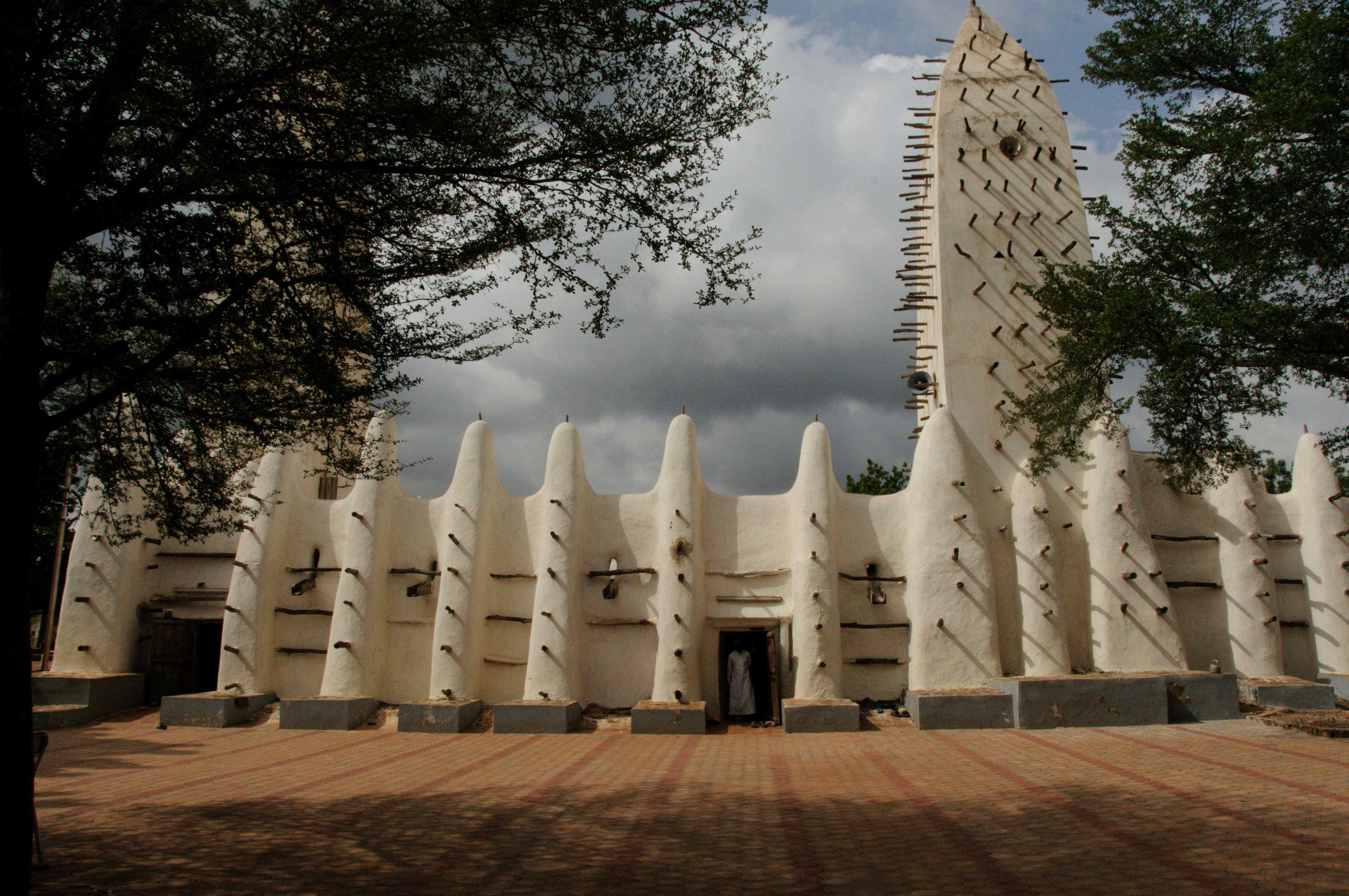
  • Bobo-Dioulasso: The second-largest city, famous for its Grand Mosque and rich cultural heritage.
  • Ruins of Loropéni: A UNESCO World Heritage Site, these ancient stone ruins are a testament to the region's pre-colonial history.
  • Nazinga Game Ranch: A wildlife reserve known for its elephant population and biodiversity.

Burkina Faso's history is marked by resilience and a continual strive for development despite numerous challenges. The legacy of leaders like Thomas Sankara continues to inspire many within and outside the country.