
Botswana
· BW

Botswana

Botswana

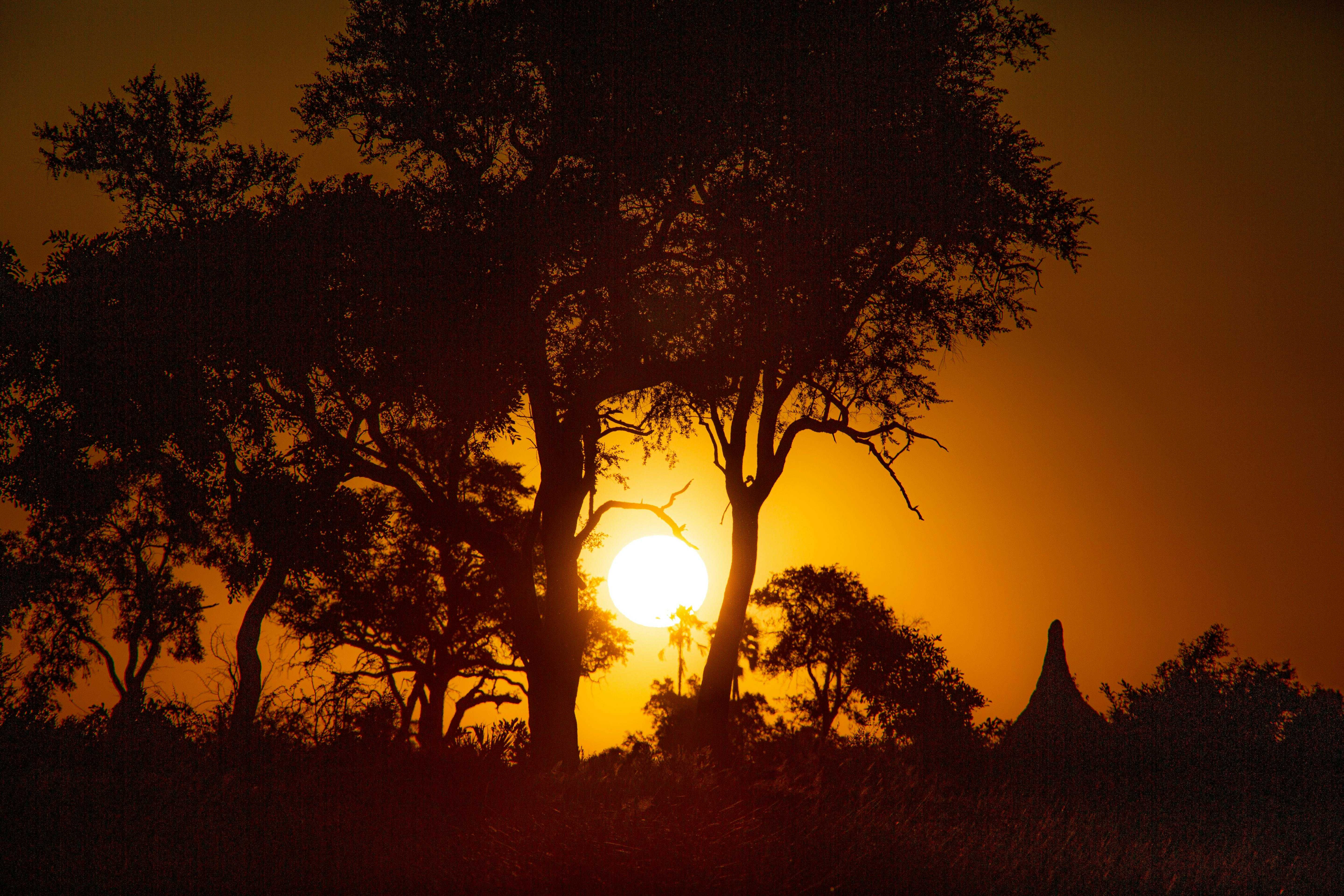
Escape to Botswana: Where Wilderness Reigns Supreme Botswana, a landlocked jewel in Southern Africa, offers a safari experience unlike any other. Here, vast untouched wilderness reigns supreme, teeming with wildlife and …

#Southern Africa#Safari destination#Okavango Delta#Chobe National Park#Kalahari Desert
1/1

Top hotels & flights

Hand-picked stays and the best fares into Botswana.

Top Hotels in Gaborone

Top Flights to Gaborone

Popular activities

Tours, tickets and experiences travelers book most in Botswana.

Tours

Mokolodi Nature Reserve Visit

Get close to nature with a visit to Mokolodi Nature Reserve, offering animal interactions and beautiful scenery.

Tsodilo Hills Archaeological Site

Explore the Tsodilo Hills, a UNESCO World Heritage site with ancient rock paintings and spiritual significance.

Shopping

Gaborone Central Market Shopping

Shop for local crafts, textiles, and fresh produce at the bustling Gaborone Central Market.

Outdoor

Chobe National Park Safari

Experience a thrilling safari through one of Africa's most famous national parks, home to elephants, lions, and diverse wildlife.

Okavango Delta Exploration

Discover the Okavango Delta with boat rides, mokoro trips, and wildlife viewing.

Location videos

Real reels from travelers, plus longer watches to get the full picture.

From travelers
Watch & explore

Practical info

The essentials for planning your time in Botswana.

Currency
P | BWP | Botswana Pula
Population
As of the latest estimates, the approximate total population of Botswana is 2.6 million.
Languages
English, Setswana
Average weather
Botswana
Jan
rain
32°20°
Feb
rain
31°19°
Mar
rain
30°18°
Apr
clear
29°15°
May
clear
26°10°
Jun
clear
23°6°
Jul
clear
23°5°
Aug
clear
26°8°
Sep
sun
30°13°
Oct
sun
33°17°
Nov
cloud
33°19°
Dec
rain
32°20°

Local guide

What travelers love, what to watch for, and a deeper read on Botswana.

What people love

Traveling to Botswana has several pros, making it a popular destination for travelers seeking unique experiences in Africa. Here are some detailed advantages of visiting Botswana:

  1. Wildlife Safari: Botswana is renowned for its incredible wildlife and diverse ecosystems. The country is home to iconic animals such as elephants, lions, leopards, and hippos. The Okavango Delta, Chobe National Park, and Moremi Game Reserve offer fantastic opportunities for wildlife viewing and safaris.

  2. Okavango Delta: This UNESCO World Heritage Site is a unique inland delta and one of the largest freshwater wetlands in Africa. Visitors can explore the delta by mokoro (traditional canoe) or on guided walking safaris, providing a chance to see a wide variety of wildlife and bird species.

  3. Exclusive Safari Experience: Botswana is known for its low-impact, high-cost safari tourism model, which limits the number of visitors in sensitive areas. This results in a more exclusive and private safari experience with fewer crowds compared to other popular safari destinations.

  4. Cultural Experiences: Botswana is home to various ethnic groups such as the San people, offering opportunities to engage with local communities and learn about their traditions and way of life.

  5. Stable Political Environment: Botswana has a reputation for being politically stable and safe for tourists. The country has a well-developed tourism infrastructure with high safety standards, making it a favorable destination for travelers.

  6. Stunning Landscapes: From the vast salt pans of Makgadikgadi to the lush Okavango Delta and the arid Kalahari Desert, Botswana boasts a diverse range of landscapes that appeal to nature lovers and outdoor enthusiasts.

  7. Adventure Activities: In addition to traditional safaris, Botswana offers a range of adventure activities such as bush walks, boat cruises, and cultural tours, providing a well-rounded experience for travelers.

Overall, visiting Botswana offers a unique combination of wildlife, culture, and natural beauty, making it an attractive destination for those seeking an authentic African safari experience.

Would you like to know more about Botswana or have any specific questions?

What to know

Traveling to Botswana, located in southern Africa, can have a few cons to consider:

  1. Health Concerns: Malaria is a risk in some parts of Botswana, so it's important to take precautions against mosquito bites and consult a healthcare provider for appropriate medications before traveling.

  2. Weather Conditions: Botswana can experience extreme temperatures, especially during the hot season (October to April). It's essential to stay hydrated and protect yourself from the sun.

  3. Remote Locations: Some areas in Botswana, such as the Okavango Delta or the Kalahari Desert, are quite remote and may have limited access to amenities. Travelers should be prepared for long journeys with potentially challenging road conditions.

  4. Wildlife Encounters: While Botswana is known for its incredible wildlife, encounters with wild animals can be unpredictable and potentially dangerous. It's essential to follow the guidance of experienced guides and take necessary precautions for safety.

  5. Cost of Travel: Botswana is considered a high-end safari destination, and the cost of accommodation, activities, and conservation fees can be relatively high compared to other African countries.

  6. Political Stability: While Botswana is known for its political stability, travelers should stay informed about the current situation and any potential risks before visiting.

Remember that these cons should not discourage you from visiting Botswana, as it offers unique and unforgettable experiences for travelers. It's always a good idea to plan your trip carefully, stay informed, and take necessary precautions to ensure a safe and enjoyable journey.

Botswana, officially the Republic of Botswana, is a landlocked country located in Southern Africa. Here is a detailed history of Botswana:

  • Pre-Colonial Era: The region that is now Botswana has been inhabited for thousands of years by various indigenous groups, including the San people. Around the 17th century, the Tswana people migrated to the area and established several powerful chiefdoms.

  • 19th Century: Botswana's history during the 19th century was marked by conflicts between the Tswana chiefdoms and various European powers, including the British and the Boers. The establishment of the Bechuanaland Protectorate in 1885 by the British helped to protect Botswana from further encroachment by European colonizers.

  • Independence: Botswana gained independence from British colonial rule on September 30, 1966. Sir Seretse Khama, a prominent independence leader, became the country's first president. Under his leadership, Botswana focused on promoting democracy, economic development, and social welfare.

  • Economic Growth: Botswana's economy experienced significant growth in the latter half of the 20th century, driven primarily by the discovery of diamond deposits in the country. The revenue from diamond mining helped Botswana become one of the wealthiest and most stable countries in Africa.

  • Political Stability: Botswana has maintained a reputation for political stability, good governance, and respect for human rights since gaining independence. The country has held regular democratic elections, and power has been peacefully transferred between political parties.

  • Important Landmarks: Botswana is known for its diverse wildlife and natural beauty. The Okavango Delta, a UNESCO World Heritage Site, is a vast inland delta that attracts tourists from around the world for its unique ecosystem and abundant wildlife. Chobe National Park is another popular destination known for its large elephant population and stunning landscapes.

  • Recent Developments: In recent years, Botswana has faced challenges such as HIV/AIDS, income inequality, and high unemployment rates. The government has implemented various initiatives to address these issues and diversify the economy beyond diamond mining.

Overall, Botswana's history is characterized by a successful transition from colonial rule to independence, economic growth driven by natural resources, and a commitment to democracy and good governance.