
Bologna
· IT

Bologna

Bologna, Emilia-Romagna, Italy

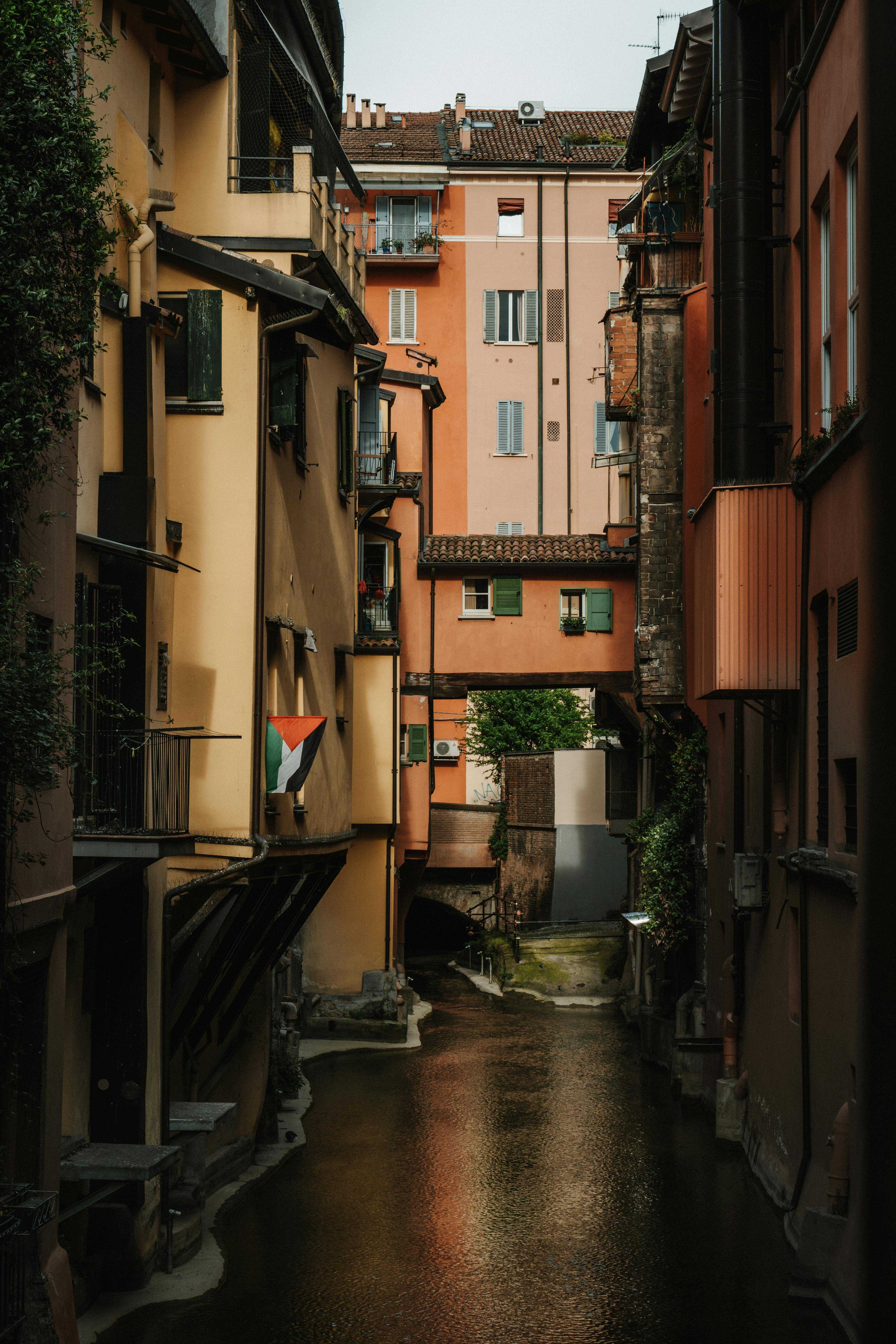
Dive into the Vibrant Heart of Italy: Bologna Awaits! Forget everything you think you know about Italian cities. Bologna, nestled in the heart of Emilia-Romagna, isn't just another pretty face. This is a city that thrums…

#Historic city#Culinary capital#University town#Medieval architecture#Cultural hub
1/18

Top hotels & flights

Hand-picked stays and the best fares into Bologna.

Top Hotels in Bologna

Top Flights to Bologna

Location videos

Real reels from travelers, plus longer watches to get the full picture.

From travelers
Watch & explore

Practical info

The essentials for planning your time in Bologna.

Currency
€ | EUR | Euro
Population
The approximate estimated total population of Bologna, Emilia-Romagna, Italy is around 400,000.
Languages
Italian, English, Spanish
Average weather
Bologna
Jan
cold
5°0°
Feb
cold
8°1°
Mar
cloud
13°4°
Apr
rain
17°8°
May
sun
22°12°
Jun
clear
27°16°
Jul
hot
31°19°
Aug
hot
30°19°
Sep
sun
25°16°
Oct
cloud
18°11°
Nov
rain
11°5°
Dec
cold
6°1°

Local guide

What travelers love, what to watch for, and a deeper read on Bologna.

What people love

Bologna, located in the Emilia-Romagna region of Italy, has many pros for travelers. Here are some detailed reasons why you should consider visiting Bologna:

  1. Culinary Delights: Bologna is known as the culinary capital of Italy. It is famous for its rich and diverse food culture, including dishes like tortellini, tagliatelle al ragù (the original Bolognese sauce), and mortadella. You can experience authentic Italian cuisine in Bologna's numerous trattorias, osterias, and markets.

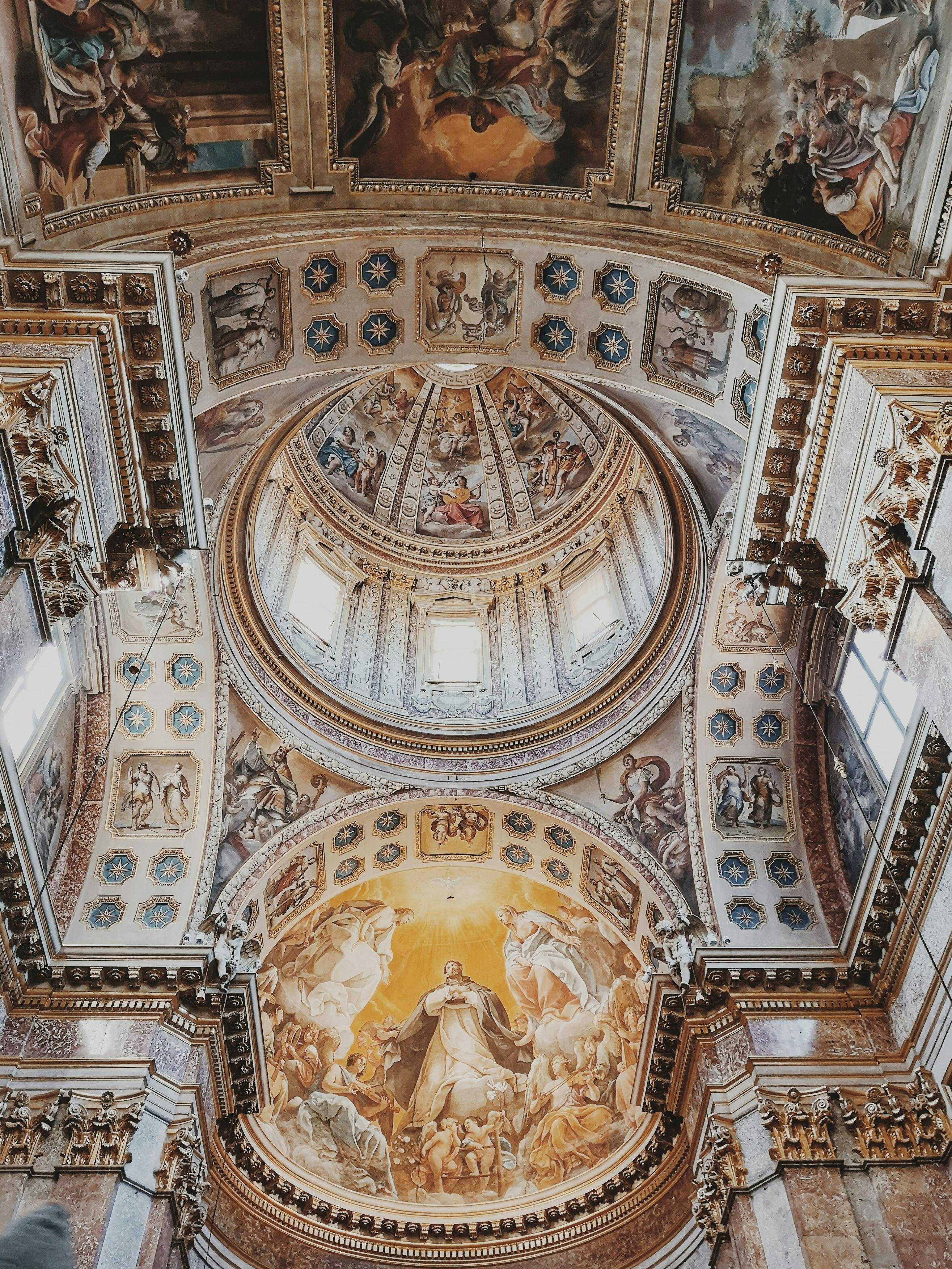
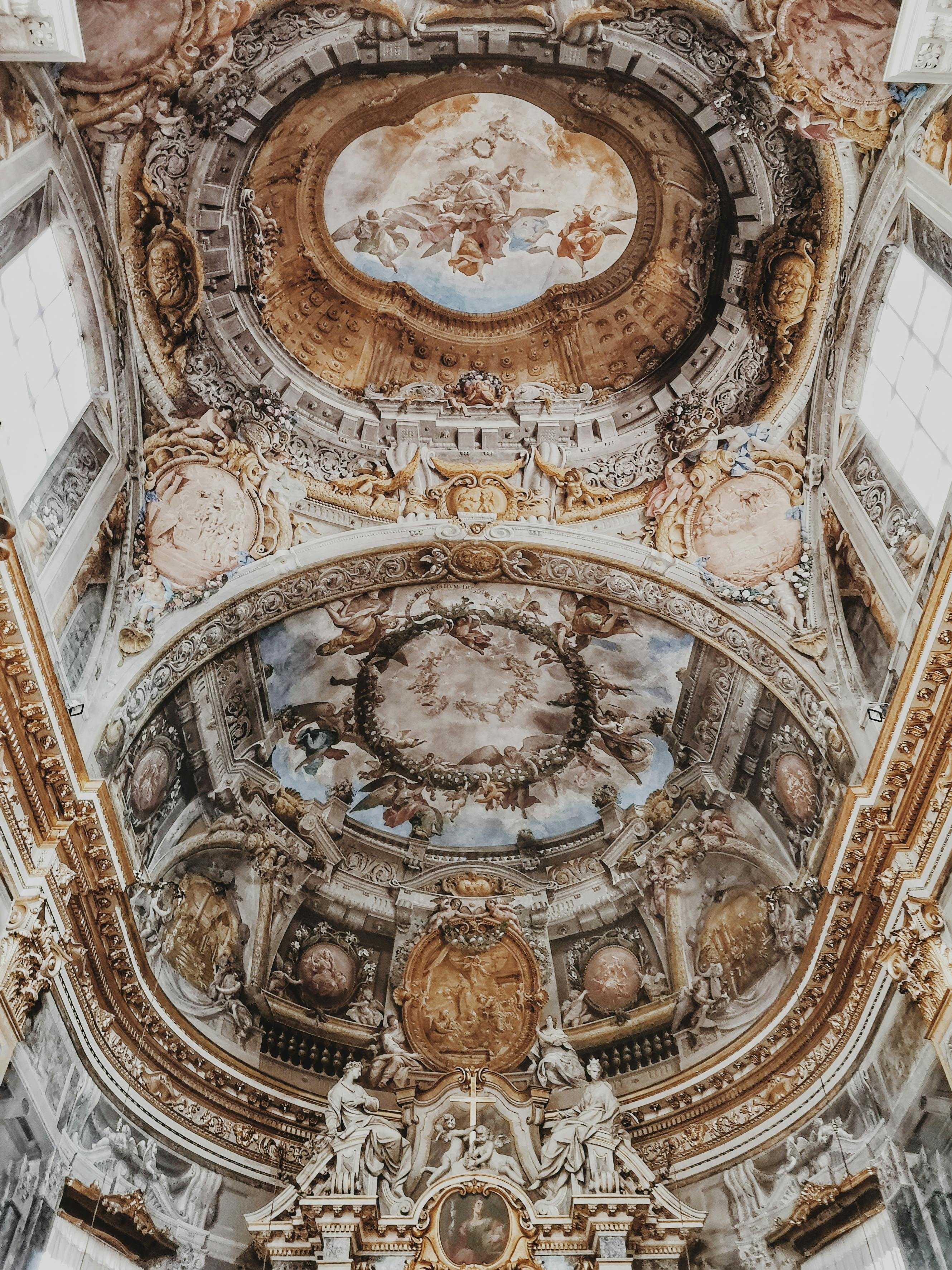
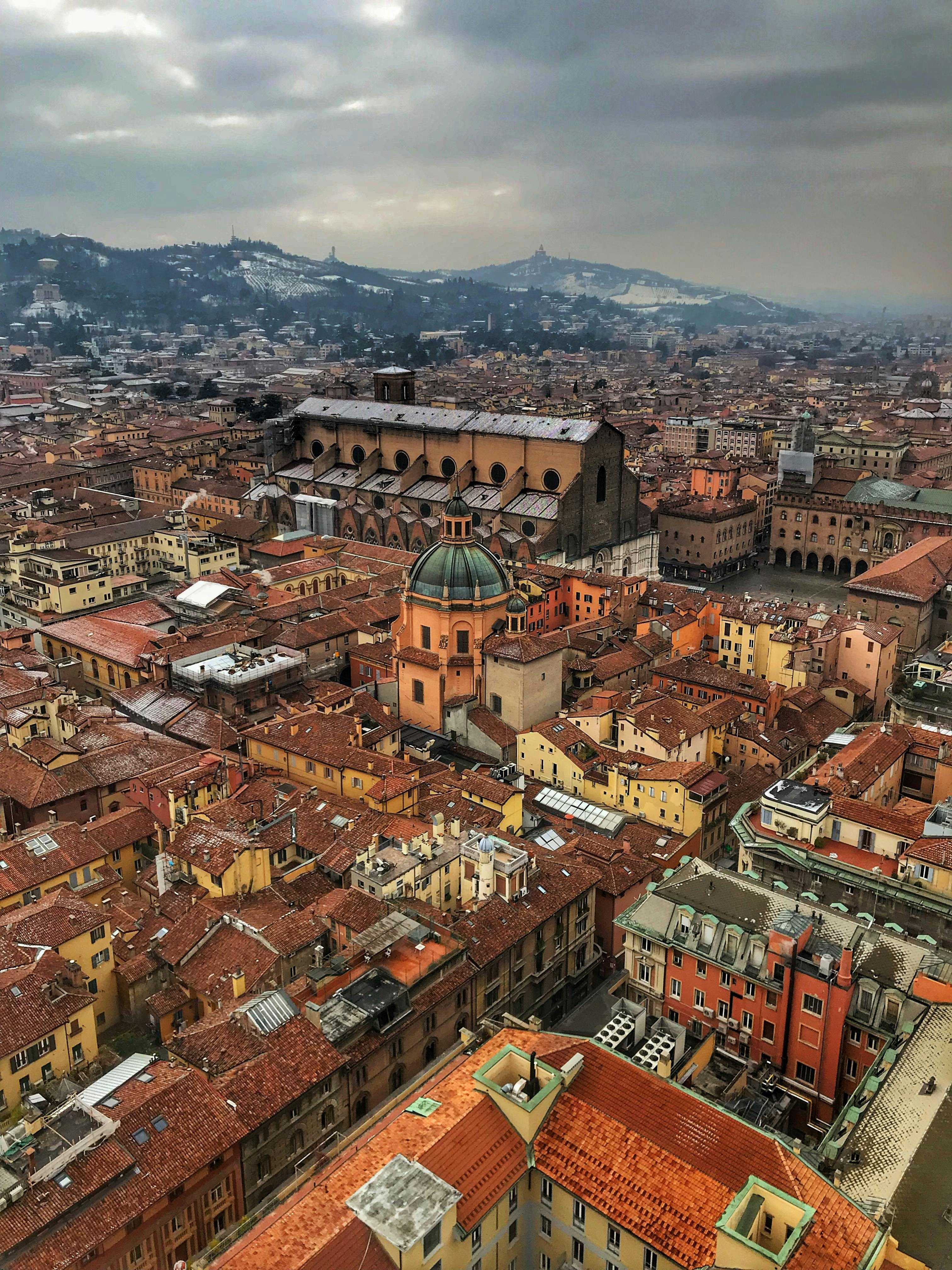
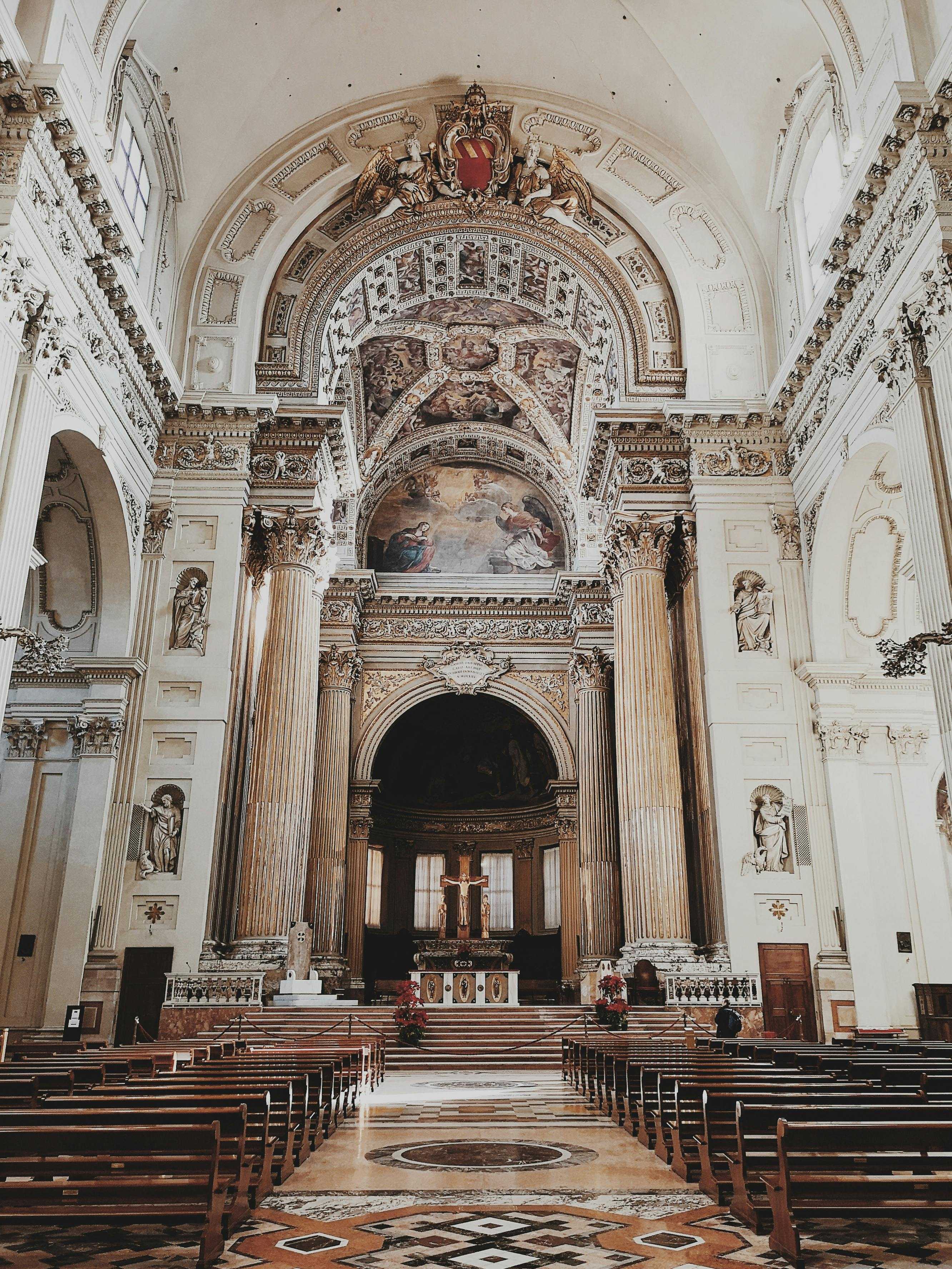
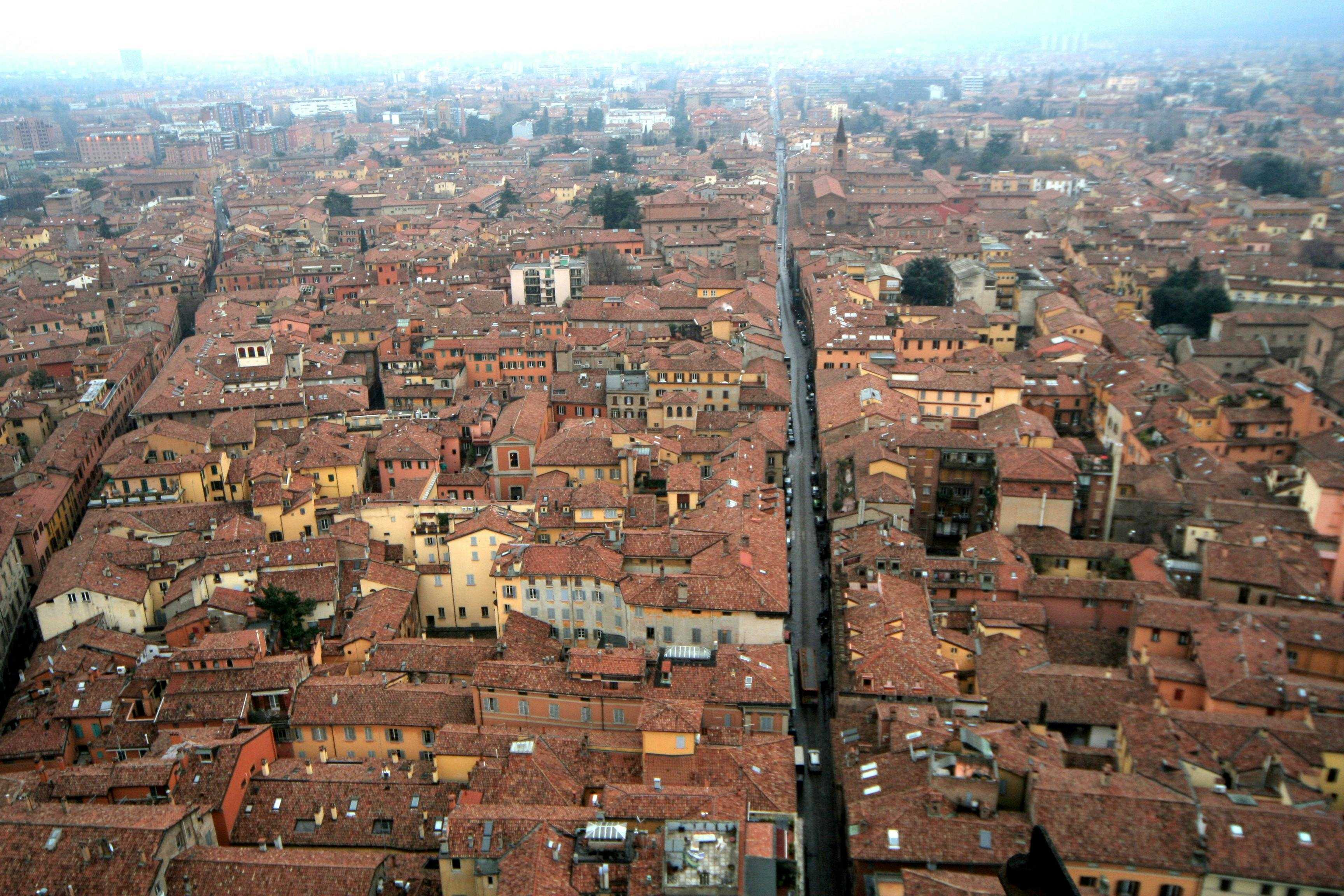
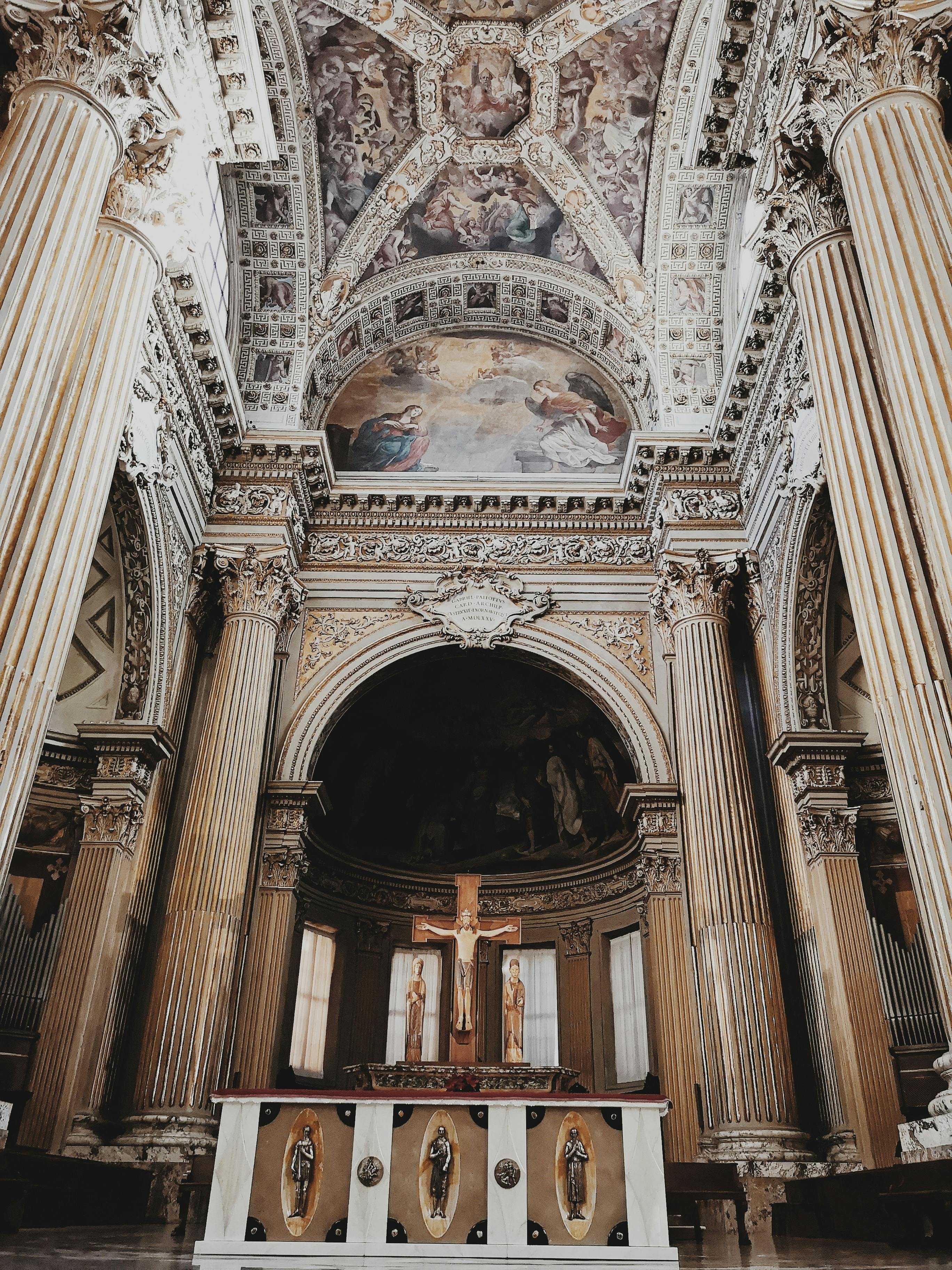
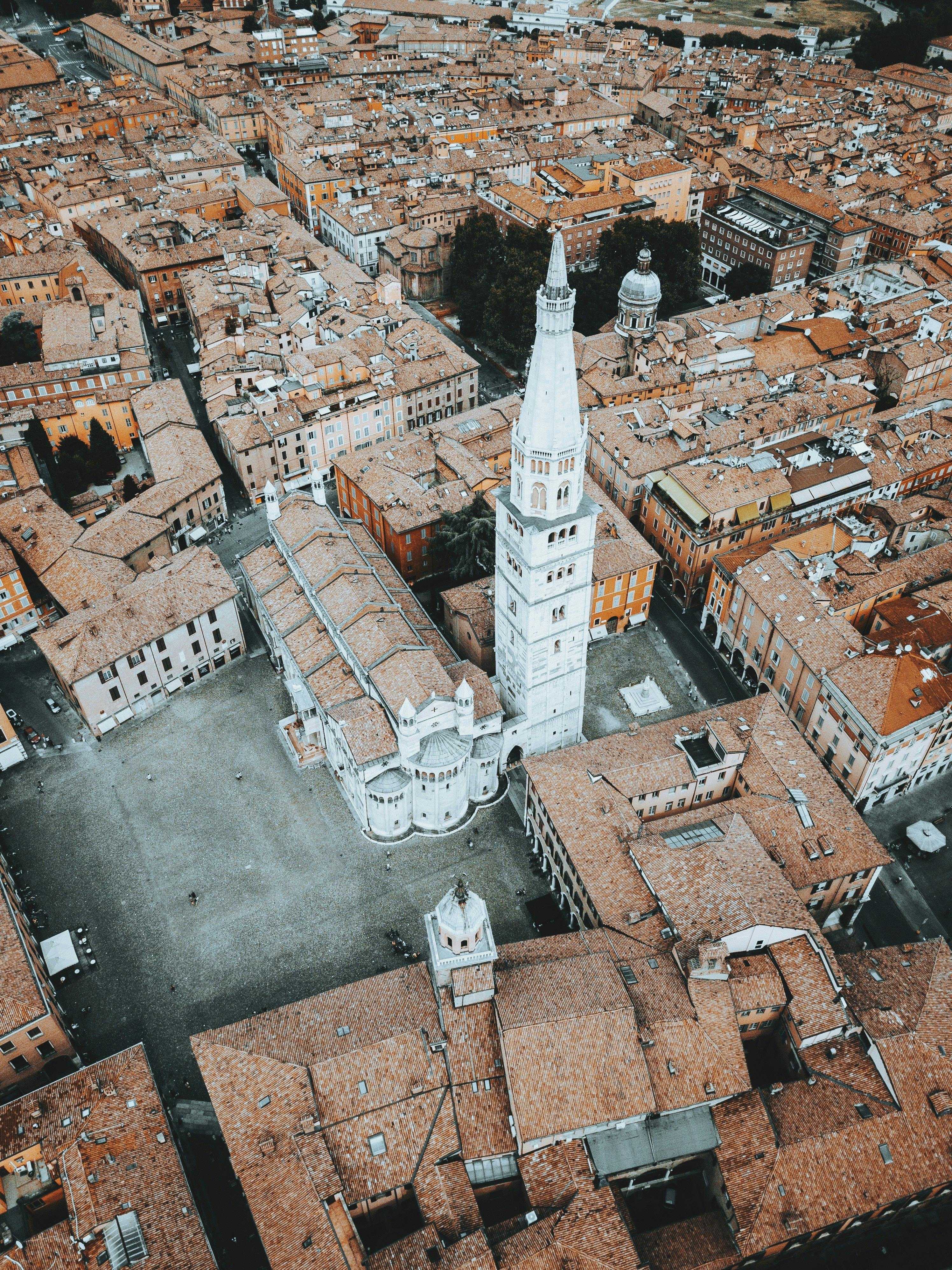
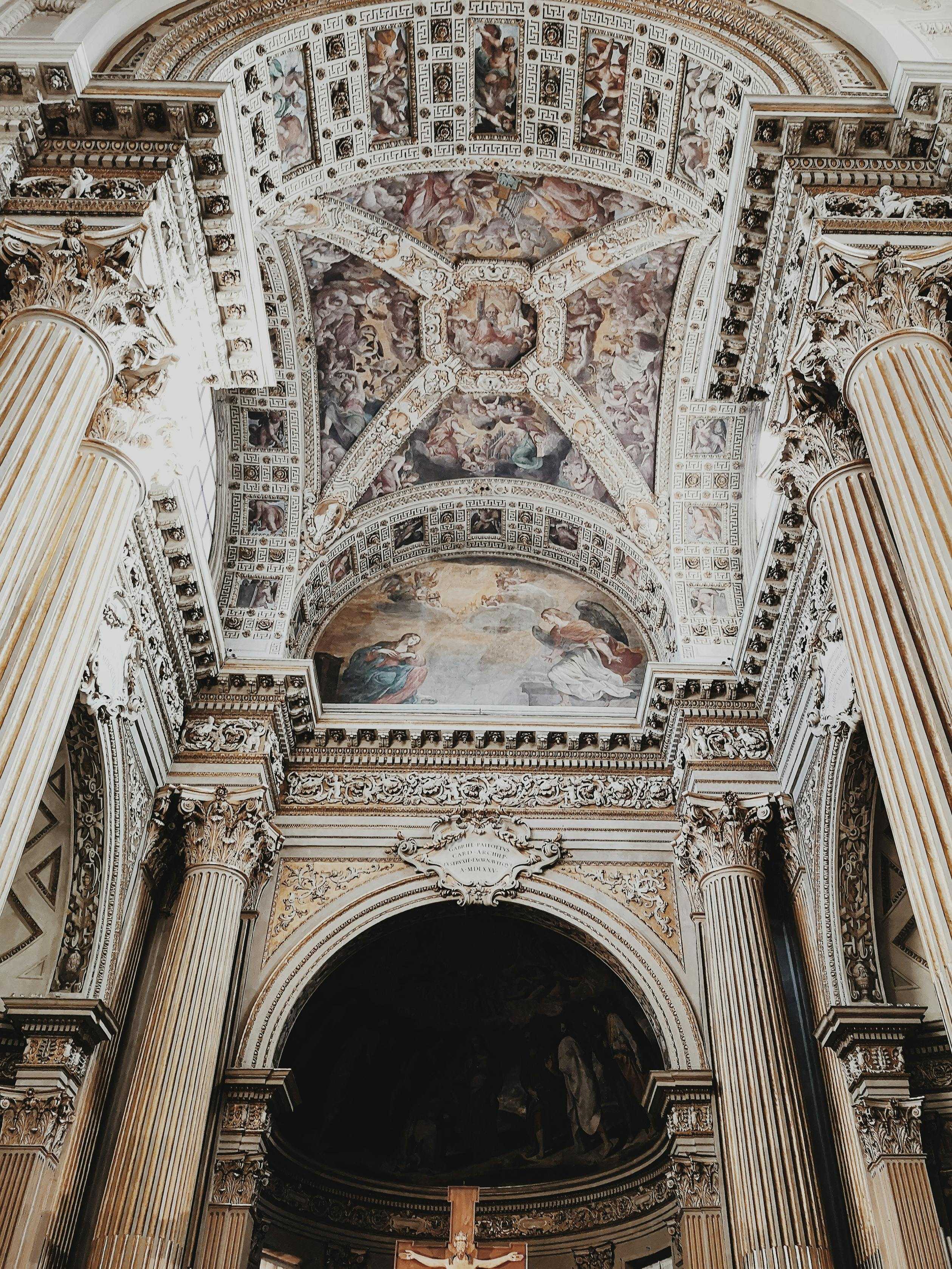
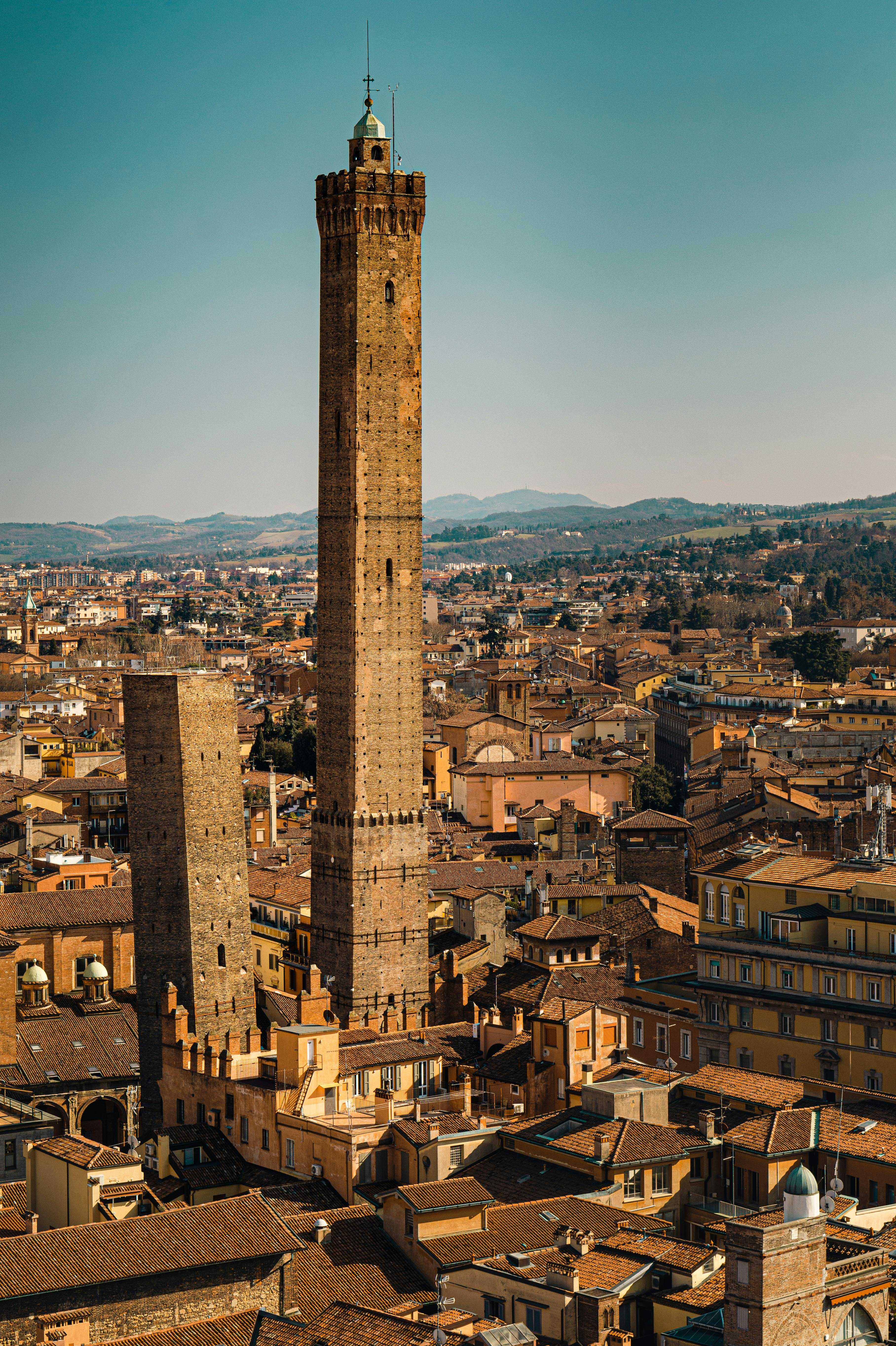
  2. Historical Architecture: Bologna boasts a well-preserved historic center with beautiful medieval and Renaissance architecture. The city is home to the iconic Two Towers (Due Torri), the oldest university in the Western world (University of Bologna), and numerous churches and palaces that showcase the city's rich history.

  3. Vibrant Culture: Bologna is a lively city with a vibrant cultural scene. You can explore art galleries, museums, theaters, and music venues throughout the city. Bologna also hosts various cultural events and festivals, such as the Bologna Children's Book Fair and the Bologna Jazz Festival.

  4. Central Location: Bologna is strategically located in the heart of Emilia-Romagna, making it an excellent base for exploring other cities and attractions in the region. You can easily take day trips to nearby destinations like Florence, Venice, and the picturesque countryside of Tuscany and Umbria.

  5. Friendly Locals: The people of Bologna are known for their warmth and hospitality. You can expect to be welcomed with open arms and experience the famous Italian "dolce vita" lifestyle during your visit.

Overall, traveling to Bologna offers a wonderful mix of culinary experiences, historical charm, cultural richness, and friendly locals, making it a great destination for anyone looking to explore authentic Italian culture and heritage.

Enjoy your trip to Bologna!

What to know

Some potential cons of traveling to Bologna, Italy, could include:

  1. Crowds: Bologna is a popular tourist destination, especially during peak travel seasons, which can lead to crowded attractions and restaurants.

  2. Hot Summers: Summers in Bologna can be hot and humid, which may be uncomfortable for some travelers, especially those not used to the heat.

  3. Language Barrier: While English is spoken in many tourist areas, you may encounter language barriers when interacting with locals or in more off-the-beaten-path locations.

  4. Limited Public Transportation: Bologna's public transportation system may not be as extensive or efficient as in other major European cities, which could make getting around more challenging.

  5. Higher Cost: Italy, in general, can be more expensive for travelers compared to some other European countries, so budget-conscious travelers may need to plan accordingly.

  6. Pickpocketing: As with any popular tourist destination, there is a risk of petty crimes such as pickpocketing, so travelers should remain vigilant and take precautions to protect their belongings.

These potential cons should be taken into consideration when planning a trip to Bologna, but overall, it is a beautiful city with rich history, culture, and delicious cuisine to enjoy.

Bologna, the capital of the Emilia-Romagna region in northern Italy, boasts a rich and varied history that dates back over two millennia, marked by significant events, influential historical figures, and notable landmarks.

Ancient and Medieval Periods

  • Etruscan and Roman Era: Originally inhabited by the Etruscans, Bologna was known as Felsina. Around 189 BC, it became a Roman colony called Bononia. The city was an important hub due to its strategic location on the Via Aemilia, a major Roman road.

  • Middle Ages: During the early Middle Ages, Bologna experienced invasions by the Goths and Lombards but eventually flourished under the Carolingian Empire. By the 11th century, Bologna had established itself as a commune, a self-governing city-state.

  • The University of Bologna: Founded in 1088, the University of Bologna is considered the oldest university in the Western world. It became a center of learning, particularly in law and philosophy, attracting students from across Europe.

Renaissance and Early Modern Period

  • Renaissance Influence: During the Renaissance, Bologna was an important cultural center. It was under the influence of the Papal States from the early 16th century. Notable figures from this period include the artist Giorgio Vasari and the architect Jacopo Barozzi da Vignola.

  • The Bentivoglio Family: In the late 15th century, the Bentivoglio family became significant patrons of the arts and helped promote the cultural and architectural development of Bologna.

Modern History

  • Unification of Italy: Bologna joined the Kingdom of Italy in 1860 during the unification process, following the decline of papal control.

  • World War II: The city suffered damage during World War II due to bombings. It was also a center for the Italian resistance movement against Nazi occupation.

  • Post-war Period: After the war, Bologna was rebuilt and became known for its leftist political leanings, economic growth, and social reforms.

Significant Landmarks

  • Two Towers: The Asinelli and Garisenda towers are iconic medieval structures in Bologna. The Asinelli Tower is one of the tallest leaning medieval towers in Italy.

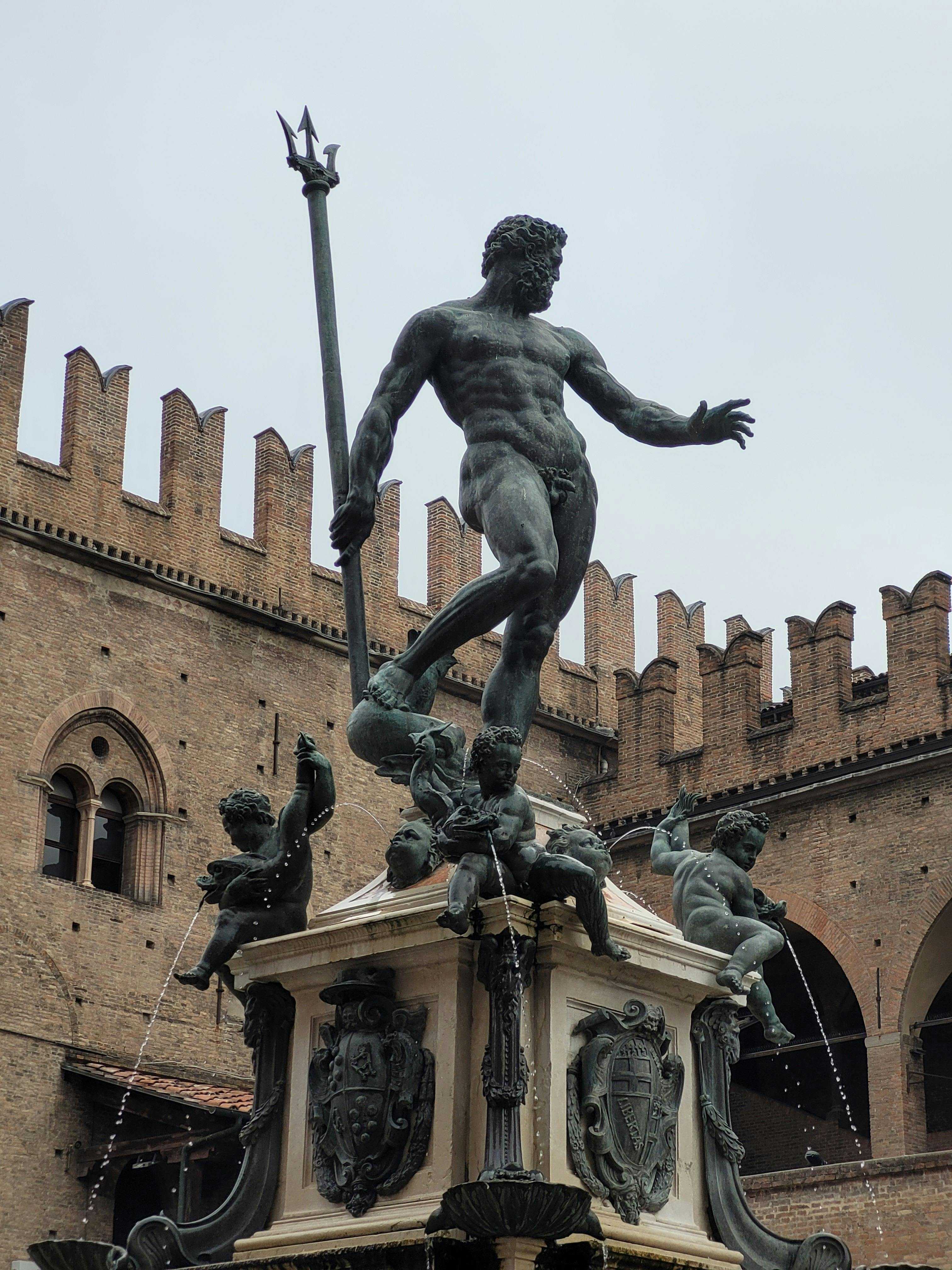
  • Piazza Maggiore: This central square is surrounded by important buildings such as the Basilica di San Petronio, Palazzo d'Accursio, and Palazzo del Podestà.

  • Basilica di San Petronio: A prominent Gothic church and the tenth largest church in the world by volume.

  • Archiginnasio of Bologna: Once the main building of the University of Bologna, it now houses the Archiginnasio Municipal Library and the Anatomical Theatre.

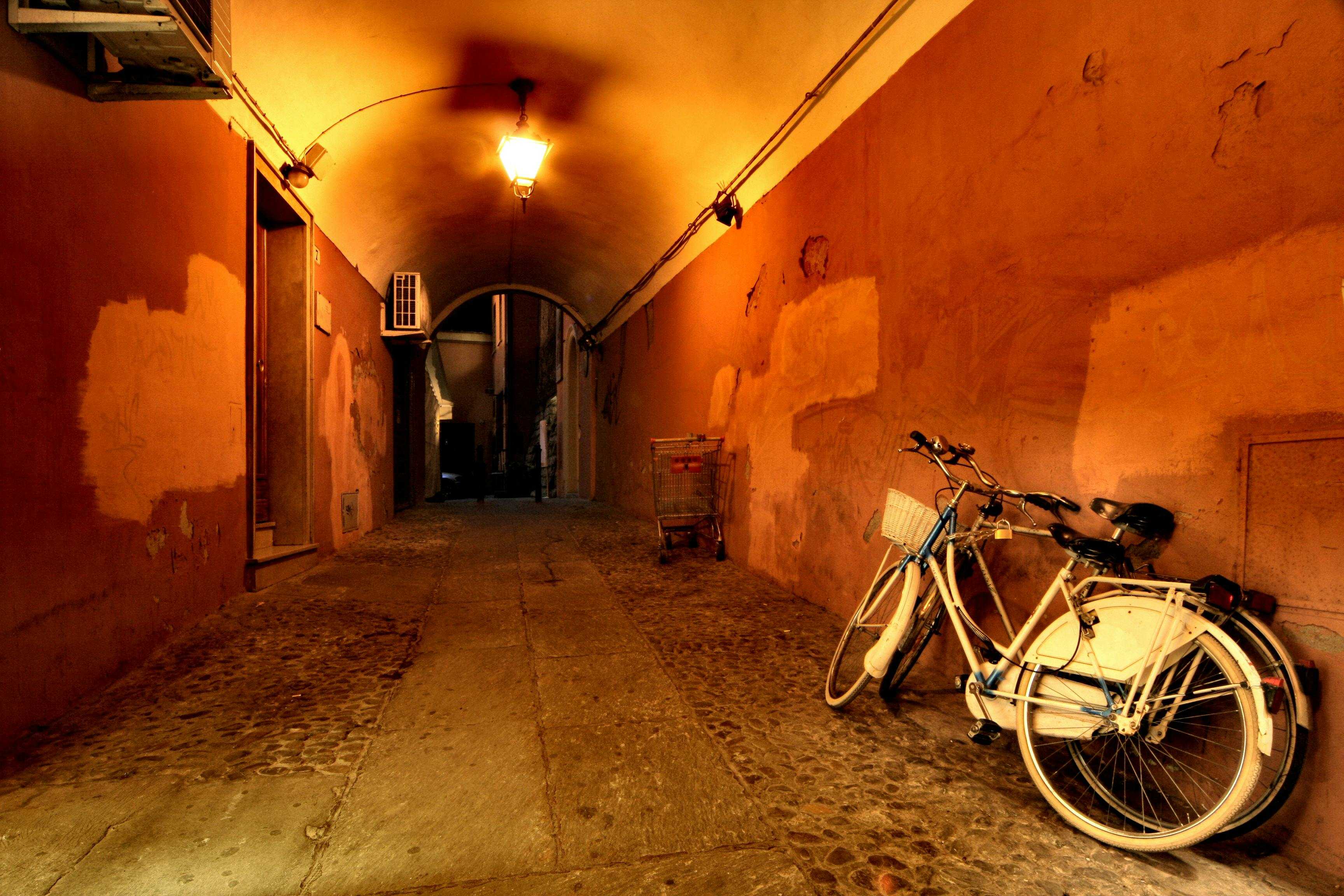
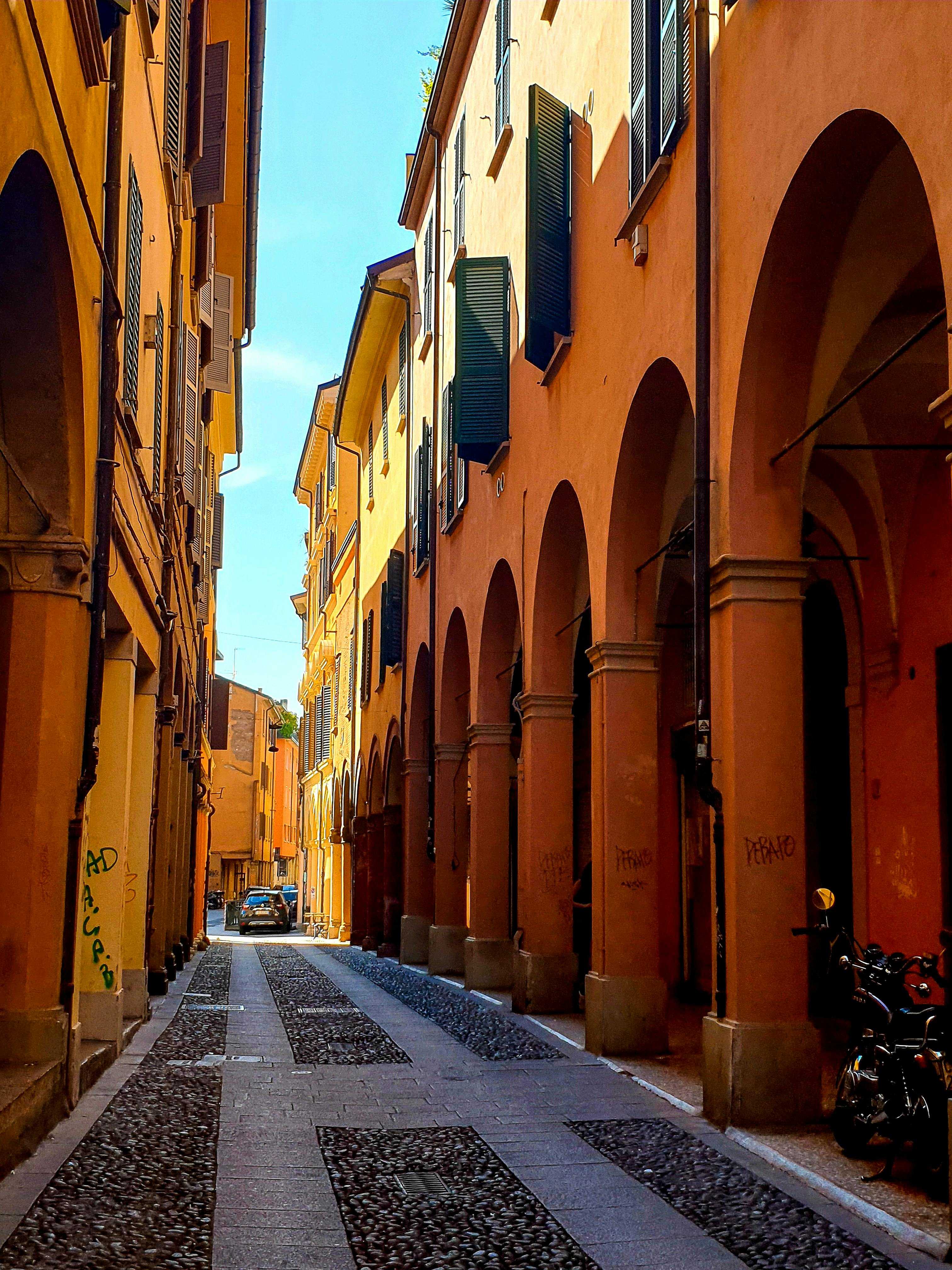
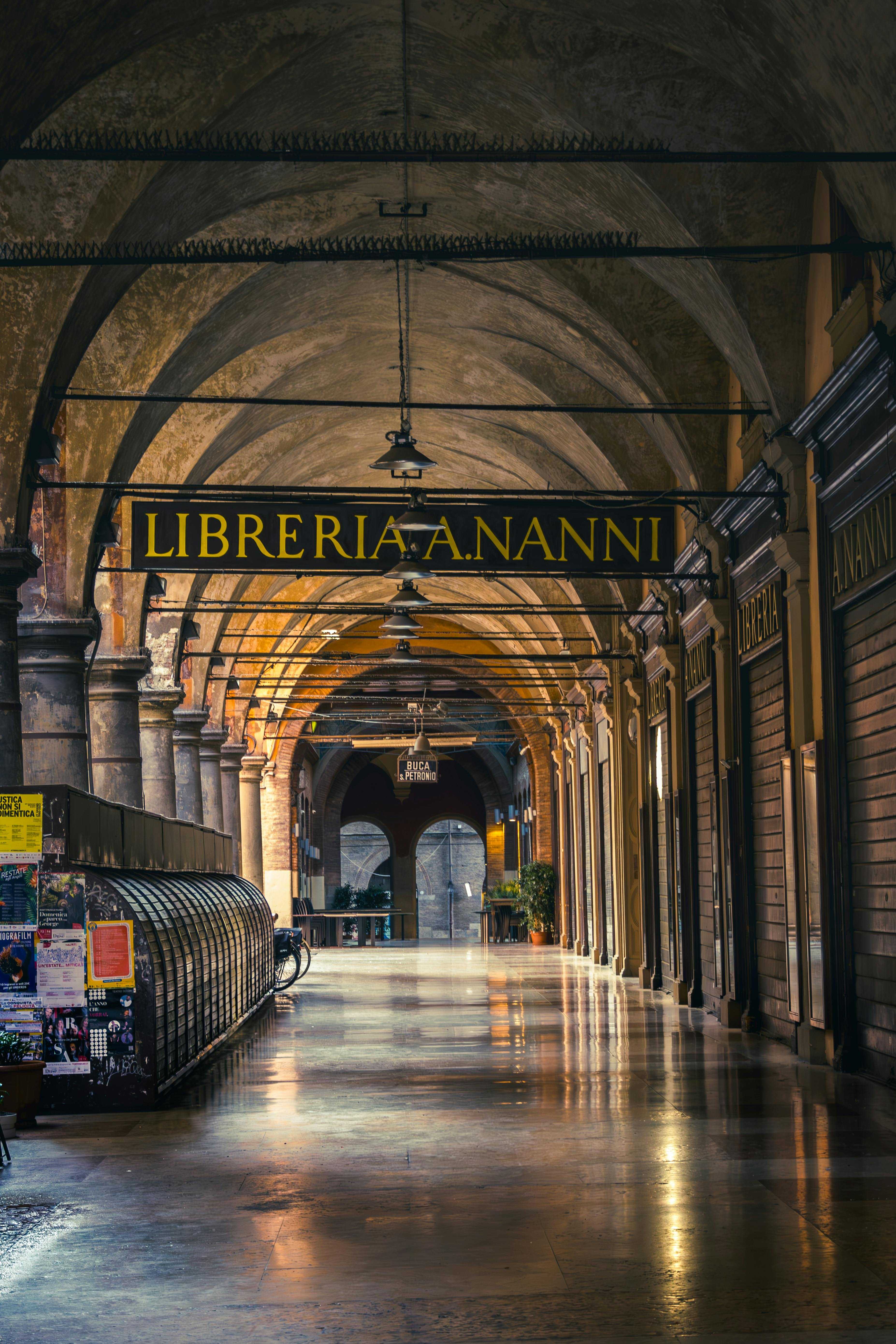
  • Porticoes: Bologna is famous for its extensive network of porticoes, which extend for nearly 40 kilometers throughout the city.

Cultural Contributions

Bologna has a rich tradition in music, cuisine, and art. It is known for its culinary specialties, including Bolognese sauce (ragù) and tortellini. The city also hosts numerous cultural events and festivals, such as the Bologna Children's Book Fair and the Bologna Jazz Festival.

Conclusion

Bologna's history is a tapestry of cultural, educational, and political evolution, making it an important city in both Italian and European contexts. Its university, architectural landmarks, and vibrant cultural scene continue to make it a significant destination for scholars and tourists alike.