Bolivia
Country

Bolivia

Bolivia

Bolivia: Where the Andes meet the Amazon and ancient cultures thrive. Bolivia, a landlocked country nestled in the heart of South America, is a…

#South America#Andes Mountains#Landlocked#Cultural Diversity#Salar de Uyuni

Explore Bolivia

Top cities in Bolivia

Pick a city to open its guide.

See it for yourself

Location videos

Reels and longer watches.

Featured for Bolivia

Traveller clips picked out for this place.

Watch & explore

Good to know

Practical info

Weather, costs and getting around.

Currency
Bs. | BOB | Boliviano Plurinational State of Bolivia
Population
12.3 million
Languages
Spanish mainly · Aymara, Quechua, Guaraní
Budget / day
BOB60 - BOB180
Also known as
Alto Perú, Upper Peru, Plurinational State of Bolivia, Tawantinsuyu, Wuliwya

Know before you go

Local guide

A deeper read on Bolivia.

What people love

Bolivia is a country with diverse landscapes and rich cultural heritage, making it an attractive destination for travelers. Some of the pros of traveling to Bolivia include:

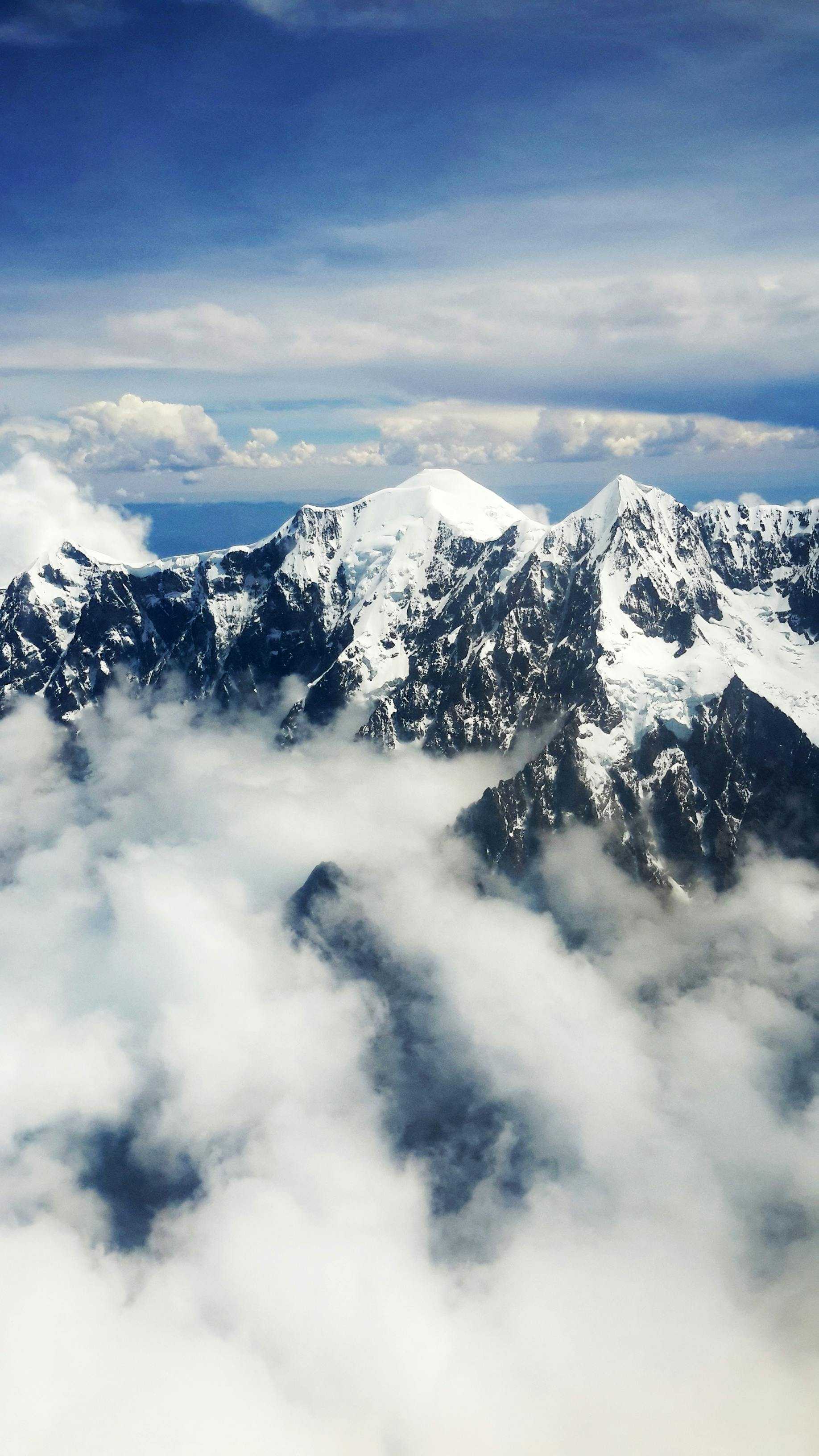
  1. Unique Natural Beauty: Bolivia is home to a wide range of natural landscapes, including the Andes mountains, the Amazon rainforest, the Uyuni Salt Flats, and Lake Titicaca. Travelers can explore stunning scenery and engage in various outdoor activities such as hiking, bird watching, and wildlife spotting.

  2. Indigenous Culture: Bolivia has a significant indigenous population, and travelers have the opportunity to learn about and experience indigenous cultures and traditions. Visitors can visit local markets, attend traditional festivals, and interact with indigenous communities to gain insight into their way of life.

  3. Affordable Travel: Bolivia is known for being a budget-friendly destination, with relatively low costs for accommodation, food, and transportation. Travelers can enjoy affordable tours, meals, and accommodations without compromising on the quality of their experience.

  4. Adventure Opportunities: Bolivia offers a range of adventurous activities for thrill-seekers, such as mountain climbing, mountain biking, whitewater rafting, and zip-lining. The country's diverse terrain provides ample opportunities for adrenaline-pumping experiences.

  5. Rich History and Architecture: Bolivia has a fascinating history, with ancient civilizations such as the Incas leaving behind impressive archaeological sites like Tiwanaku and Samaipata. Travelers can explore colonial cities like Sucre and Potosi, which are UNESCO World Heritage Sites known for their well-preserved architecture and historical significance.

Overall, traveling to Bolivia offers a unique opportunity to explore diverse landscapes, immerse oneself in indigenous cultures, enjoy affordable travel experiences, embark on thrilling adventures, and discover a rich history and architectural heritage.

What to know

Some potential cons of traveling to Bolivia include:

  1. Altitude sickness: Many parts of Bolivia, especially cities like La Paz and Potosi, are located at high altitudes which can cause altitude sickness in some travelers. Symptoms may include headaches, dizziness, and nausea.

  2. Safety concerns: While Bolivia is generally safe for tourists, there have been reports of street crime in certain areas, particularly in major cities. Travelers should take precautions such as avoiding displaying valuables and being aware of their surroundings.

  3. Infrastructure challenges: Bolivia's infrastructure, including roads and public transportation, may not be as developed as in other countries. This can lead to challenges in getting around and accessing certain areas.

  4. Limited healthcare facilities: In more remote areas of Bolivia, access to quality healthcare may be limited. Travelers should consider purchasing travel insurance that includes medical coverage in case of emergencies.

  5. Language barrier: Spanish is the official language of Bolivia, and while some locals may speak English, communication can still be a challenge in some areas, particularly outside of major tourist destinations.

It's important to note that these are general considerations and may not apply to every traveler's experience. It's always a good idea to research and prepare for your trip to ensure a safe and enjoyable experience.

Certainly! Bolivia, officially known as the Plurinational State of Bolivia, is a country located in central South America. It is landlocked and bordered by Brazil to the north and east, Paraguay and Argentina to the south, Chile to the southwest, and Peru to the west. Bolivia has a diverse cultural heritage and a complex history that reflects the influences of indigenous cultures, colonialism, and post-independence struggles.

Pre-Columbian Period

  • Tiwanaku Civilization (c. 300–1000 AD): One of the most significant pre-Columbian civilizations, Tiwanaku was centered near Lake Titicaca and is known for its monumental architecture and advanced agricultural practices. The ruins of Tiwanaku, a UNESCO World Heritage Site, are an important archaeological landmark.
  • Aymara and Quechua Cultures: Before the Spanish conquest, the region was inhabited by various indigenous groups, including the Aymara and Quechua peoples.

Spanish Conquest and Colonial Period

  • 1538: Spanish conquistadors, led by Francisco Pizarro and others, began their conquest of the region. The area became part of the Viceroyalty of Peru.
  • Silver Mining: The discovery of silver in Potosí in 1545 turned the city into one of the wealthiest and most populous cities in the world during the 16th and 17th centuries. The Cerro Rico (Rich Mountain) of Potosí became a major mining site.

Independence and 19th Century

  • 1809: Initial revolts against Spanish rule began, but independence was not fully achieved until later.
  • 1825: Bolivia declared its independence on August 6, named after Simón Bolívar, a key figure in the Latin American wars of independence.
  • Wars and Territorial Losses: Bolivia experienced several conflicts, notably the War of the Pacific (1879-1884) against Chile, which resulted in Bolivia losing its coastal territory, making it a landlocked country. The Acre War (1899-1903) led to the loss of territory to Brazil.

20th Century

  • Chaco War (1932-1935): Fought with Paraguay over the Chaco region, Bolivia suffered a defeat and lost significant territory.
  • Revolution of 1952: A significant event in Bolivian history, this revolution led to major social reforms, including nationalization of the tin industry and agrarian reform, as well as universal suffrage.
  • Military Coups: Bolivia experienced a series of military coups and unstable governments throughout the mid-20th century.

Late 20th to 21st Century

  • Democratic Transition: Beginning in the 1980s, Bolivia transitioned to a more stable democratic government.
  • Coca and Drug Trade: Issues related to coca cultivation and the drug trade have been persistent challenges.
  • Evo Morales Presidency (2006-2019): Evo Morales, the first indigenous president, implemented significant reforms aimed at reducing poverty and increasing indigenous rights. His government also focused on nationalizing key industries.
  • Political Instability: Morales' bid for a fourth term in 2019 led to controversy, protests, and his eventual resignation. Subsequent elections in 2020 saw Luis Arce, from Morales' party MAS (Movement for Socialism), become president.

Landmarks and Cultural Heritage

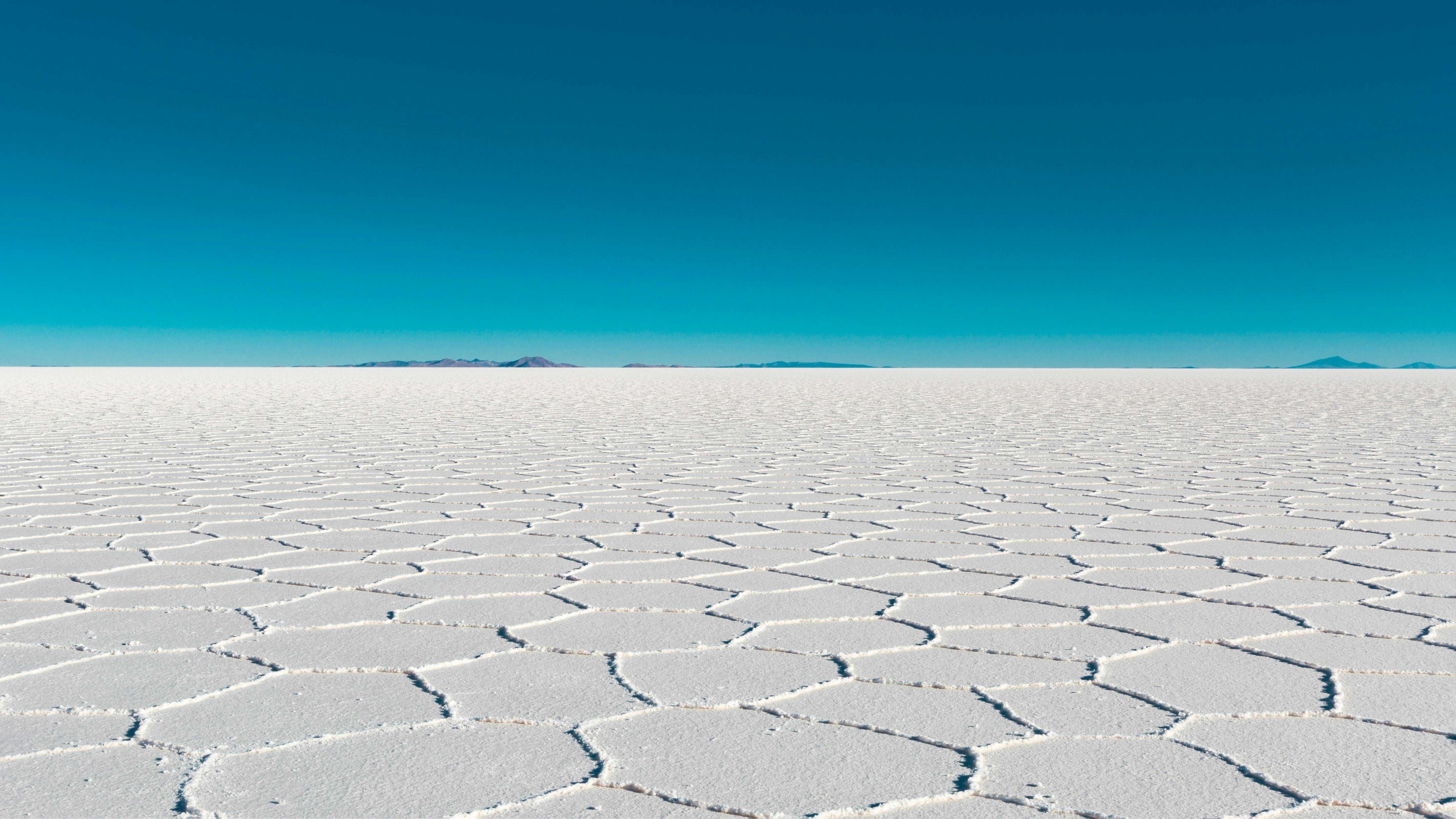
  • Salar de Uyuni: The world's largest salt flat, located in southwest Bolivia, is a major tourist attraction and lithium reserve.
  • Madidi National Park: Known for its biodiversity, it is located in the upper Amazon River basin.
  • La Paz: The administrative capital, noted for its unique topography and cultural significance.
  • Sucre: The constitutional capital and a UNESCO World Heritage Site, known for its well-preserved colonial architecture.
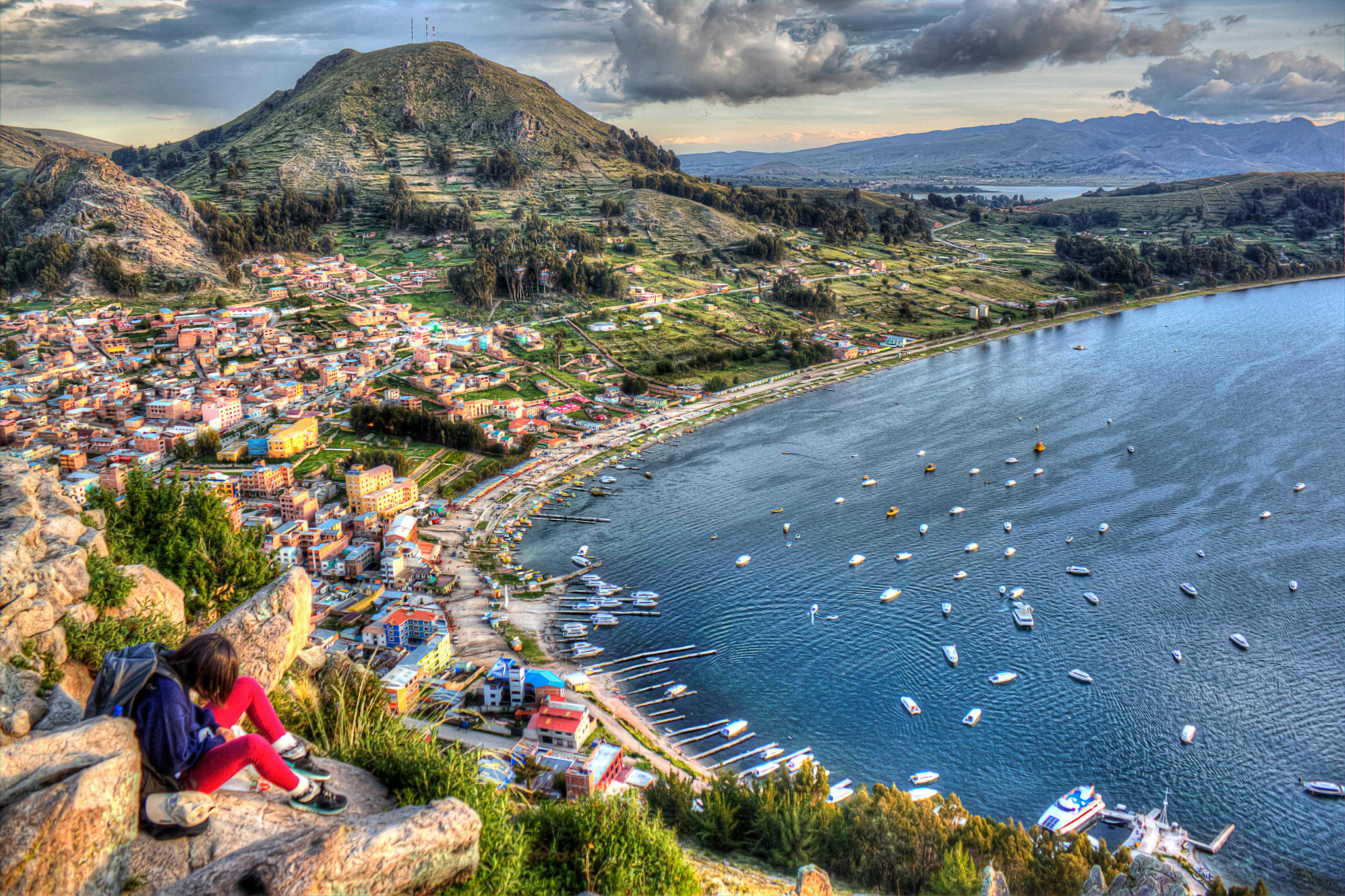
  • Lake Titicaca: One of the largest lakes in South America and the highest navigable body of water in the world, it holds significant cultural and spiritual importance.

Bolivia’s history is marked by its rich indigenous heritage, colonial past, and ongoing efforts to forge a cohesive national identity amid its diverse cultural landscape.