Benin
· BJ

Benin

Benin

Benin: Unveiling the Soul of West Africa Escape the ordinary and embrace the vibrant heart of West Africa in Benin, a country brimming with captivating history, culture, and natural beauty. More than just a destination,…

#West Africa#French-speaking#Tropical climate#Historic sites#Voodoo culture
1/3

Top hotels & flights

Hand-picked stays and the best fares into Benin.

Top Hotels in Cotonou

Top Flights to Cotonou

Popular activities

Tours, tickets and experiences travelers book most in Benin.

Tours

Explore the Royal Palaces of Abomey

Visit the historical palaces of the Kingdom of Dahomey, a UNESCO World Heritage site.

Ouidah Walking Tour

Discover the slave trade history and cultural heritage of Ouidah with a guided tour.

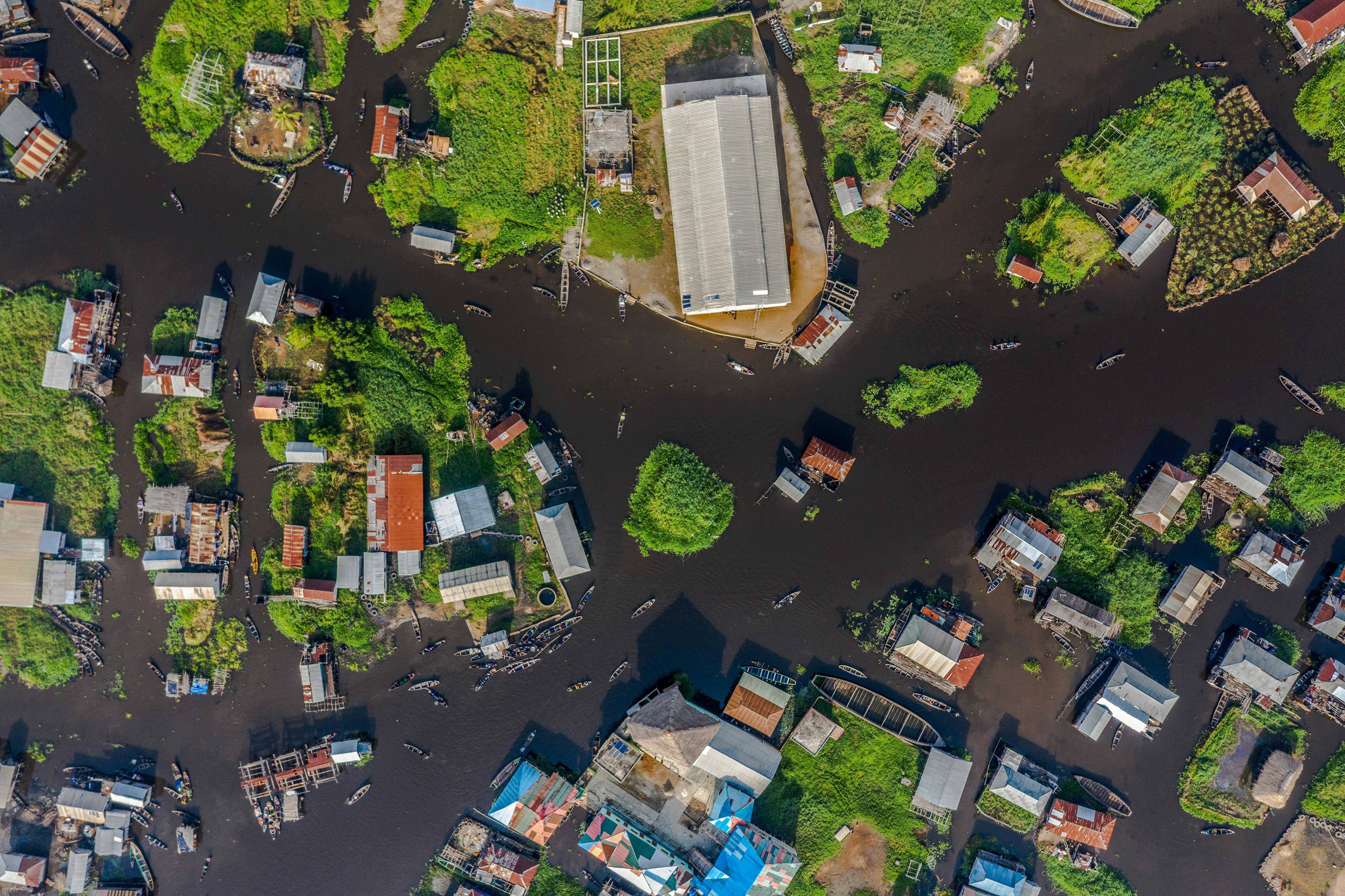
Ganvie Stilt Village Tour

Visit the Venice of Africa, a village on stilts over Lake Nokoué.

Outdoor

Pendjari National Park Safari

Enjoy a safari in one of West Africa's best wildlife parks.

Location videos

Real reels from travelers, plus longer watches to get the full picture.

From travelers
Watch & explore

Practical info

The essentials for planning your time in Benin.

Currency
CFA Franc BCEAO | XOF | West African CFA franc
Population
12.1 million
Languages
French, Fon, Yoruba, Bariba
Average weather
Benin
Jan
hot
32°22°
Feb
hot
33°24°
Mar
hot
33°25°
Apr
rain
32°25°
May
rain
31°24°
Jun
rain
29°23°
Jul
cloud
28°22°
Aug
cloud
28°22°
Sep
rain
29°22°
Oct
rain
30°23°
Nov
hot
31°23°
Dec
hot
32°22°

Local guide

What travelers love, what to watch for, and a deeper read on Benin.

What people love

Benin, located in West Africa, offers a unique and diverse travel experience with several pros:

  1. Rich Cultural Heritage: Benin is known for its vibrant culture, including traditional music, dance, and art. Travelers can visit historical sites such as the Royal Palaces of Abomey, a UNESCO World Heritage Site, to learn about the Kingdom of Dahomey's history.

  2. Beautiful Beaches: Benin has a coastline along the Gulf of Guinea with stunning beaches like Grand-Popo and Ouidah. These beaches offer opportunities for relaxation, water sports, and enjoying fresh seafood.

  3. Unique Voodoo Tradition: Voodoo is a prominent religion in Benin, and visitors can explore its rituals, ceremonies, and art in places like Ouidah, often referred to as the "Voodoo Capital of the World."

  4. Wildlife and Nature: Benin is home to several national parks and wildlife reserves, such as Pendjari National Park, known for its diverse wildlife including elephants, lions, and antelopes. Nature lovers can also explore the lush landscapes of the Atakora Mountains.

  5. Warm Hospitality: Benin is known for its friendly and welcoming people who are eager to share their culture and traditions with visitors. Travelers often appreciate the hospitality and warmth they experience during their stay.

Overall, traveling to Benin offers a blend of cultural immersion, natural beauty, and unique experiences that can appeal to a wide range of interests.

What to know

It seems there might be some confusion in your question. Benin is a country in West Africa, and there is also a city called Cotonou, which is the largest city in Benin. However, since you mentioned "Benin located at Benin," I will assume you are referring to potential cons of traveling to the country of Benin.

Traveling to any country can have its challenges, and here are some potential cons or challenges you might encounter when traveling to Benin:

  1. Infrastructure: Some parts of Benin may have underdeveloped infrastructure, including roads and public transportation. This can make travel within the country more difficult, especially in rural areas.

  2. Healthcare: Access to healthcare facilities can be limited, particularly outside major cities like Cotonou. Travelers might face challenges in finding quality medical care, and it's advisable to have travel health insurance that covers medical evacuation.

  3. Safety and Security: While Benin is generally considered a stable country, there can be areas with higher crime rates, particularly petty crime like pickpocketing and theft. Travelers should take standard precautions to protect their belongings and personal safety.

  4. Language Barrier: French is the official language of Benin, and while some people may speak English, it is not widely spoken outside tourist areas. This can pose a communication challenge for travelers who do not speak French.

  5. Cultural Differences: Visitors might encounter cultural norms and practices that are different from what they are accustomed to, which can require some adjustment. It's important to be respectful and aware of local customs.

  6. Weather and Climate: Benin has a tropical climate with a wet and dry season. The wet season can bring heavy rains and sometimes flooding, which can affect travel plans.

  7. Malaria and Other Diseases: Malaria is a risk in Benin, and travelers are advised to take prophylactic medication and other preventive measures. There may also be a risk of other diseases, and vaccinations may be required.

  8. Visa Requirements: Depending on your nationality, obtaining a visa to enter Benin might require some effort and planning. It's important to check the entry requirements well in advance of your trip.

These are some potential challenges that travelers might face when visiting Benin. However, many travelers find the country's rich culture, historical sites, and natural beauty to be rewarding experiences that outweigh these challenges.

To provide a comprehensive history of Benin, it's important to clarify that there are two different contexts: the modern country of Benin in West Africa and the historical Kingdom of Benin, which is located in what is now southern Nigeria. I'll cover both contexts for clarity.

Modern Country of Benin

Early History:

  • The area that is now Benin was populated as early as 10,000 BCE. The indigenous people of the region were primarily hunter-gatherers before transitioning to agriculture.
  • The region saw the rise of several powerful kingdoms and empires, such as the Kingdom of Dahomey, which became prominent in the 17th century.

Kingdom of Dahomey:

  • The Kingdom of Dahomey was established around 1600 and became a major regional power in the 18th and 19th centuries.
  • It was known for its well-organized military, the use of women as soldiers (known as the Dahomey Amazons), and its involvement in the transatlantic slave trade.
  • Key figures include King Agaja (r. 1718–1740), who expanded the kingdom's borders and increased its wealth and influence.

Colonial Period:

  • In the late 19th century, France began to colonize the region, and by the early 20th century, it was part of French West Africa.
  • The area was named French Dahomey, and its economy became heavily integrated with the French colonial system.

Independence and Modern Era:

  • Benin gained independence from France on August 1, 1960.
  • The country experienced a period of political instability, with several coups and changes in government.
  • In 1975, the country was renamed the People's Republic of Benin under a Marxist-Leninist government led by Mathieu Kérékou.
  • In 1990, Benin transitioned to a multi-party democracy, and the Republic of Benin was established.

Recent Developments:

  • Benin has maintained a relatively stable democratic government since the 1990s.
  • It is known for its vibrant cultural heritage, including traditional music and art.

Important Landmarks:

  • Pendjari National Park: A UNESCO World Heritage Site known for its biodiversity and wildlife.
  • Royal Palaces of Abomey: The historical site of the Dahomey Kingdom, also a UNESCO World Heritage Site.

Historical Kingdom of Benin (Bini)

Early History:

  • The Kingdom of Benin, primarily occupied by the Edo people, emerged in the 11th century in what is now southern Nigeria.
  • It became one of the most sophisticated and powerful African states in the pre-colonial era.

Golden Age:

  • The kingdom reached its height between the 13th and 19th centuries, particularly under the rule of Oba Ewuare the Great (r. 1440–1473) and his successors.
  • It was known for its advanced political systems, military organization, and artistic achievements, particularly the famous Benin Bronzes.

Colonial Encounter and Decline:

  • In 1897, the British launched the Benin Expedition, which resulted in the capture and looting of Benin City, leading to the kingdom's decline.
  • Many of the kingdom's treasures, including the Benin Bronzes, were taken to Europe.

Significant Figures:

  • Oba Ewuare the Great: Expanded the kingdom and reformed its political and economic structures.
  • Oba Ovonramwen: The last independent Oba before the British conquest.

Important Landmarks:

  • Benin City: The historical capital of the kingdom, known for its ancient city walls and cultural heritage.

Both the modern Republic of Benin and the historical Kingdom of Benin have rich histories that contribute significantly to the cultural tapestry of West Africa.