
Basque Country
State · Spain

Basque Country

Basque Country, Spain

Experience the Magic of Basque Country: Where Ancient Traditions Meet Modern Delights Nestled along the rugged coastline of northern Spain, Basque…

#Cultural#Bilbao#San Sebastian#Pintxos#Mountainous

Explore Basque Country

Top cities in Basque Country

Pick a city to open its guide.

See it for yourself

Location videos

Reels and longer watches.

Watch & explore

Good to know

Practical info

Weather, costs and getting around.

Basque Country, Spain Open in Google Maps
Currency
€ | EUR | Euro
Population
2.2 million
Languages
Basque mainly · Spanish
Also known as
Euskadi, Euskal Herria, Pays Basque, País Vasco

Know before you go

Local guide

A deeper read on Basque Country.

What people love

Basque Country, located in northern Spain, offers a unique and rich travel experience with many pros. Here are some detailed reasons why traveling to Basque Country can be a great choice:

  1. Cultural Richness: Basque Country has a distinct culture with its own language (Euskara) and traditions. Visitors can immerse themselves in the local culture by attending traditional festivals, tasting Basque cuisine, and exploring historical sites.

  2. Gastronomy: Basque Country is renowned for its exceptional cuisine. San Sebastian, a city in the Basque Country, boasts the highest concentration of Michelin-starred restaurants per square meter in the world. Visitors can indulge in pintxos (Basque tapas) and experience the region's culinary delights.

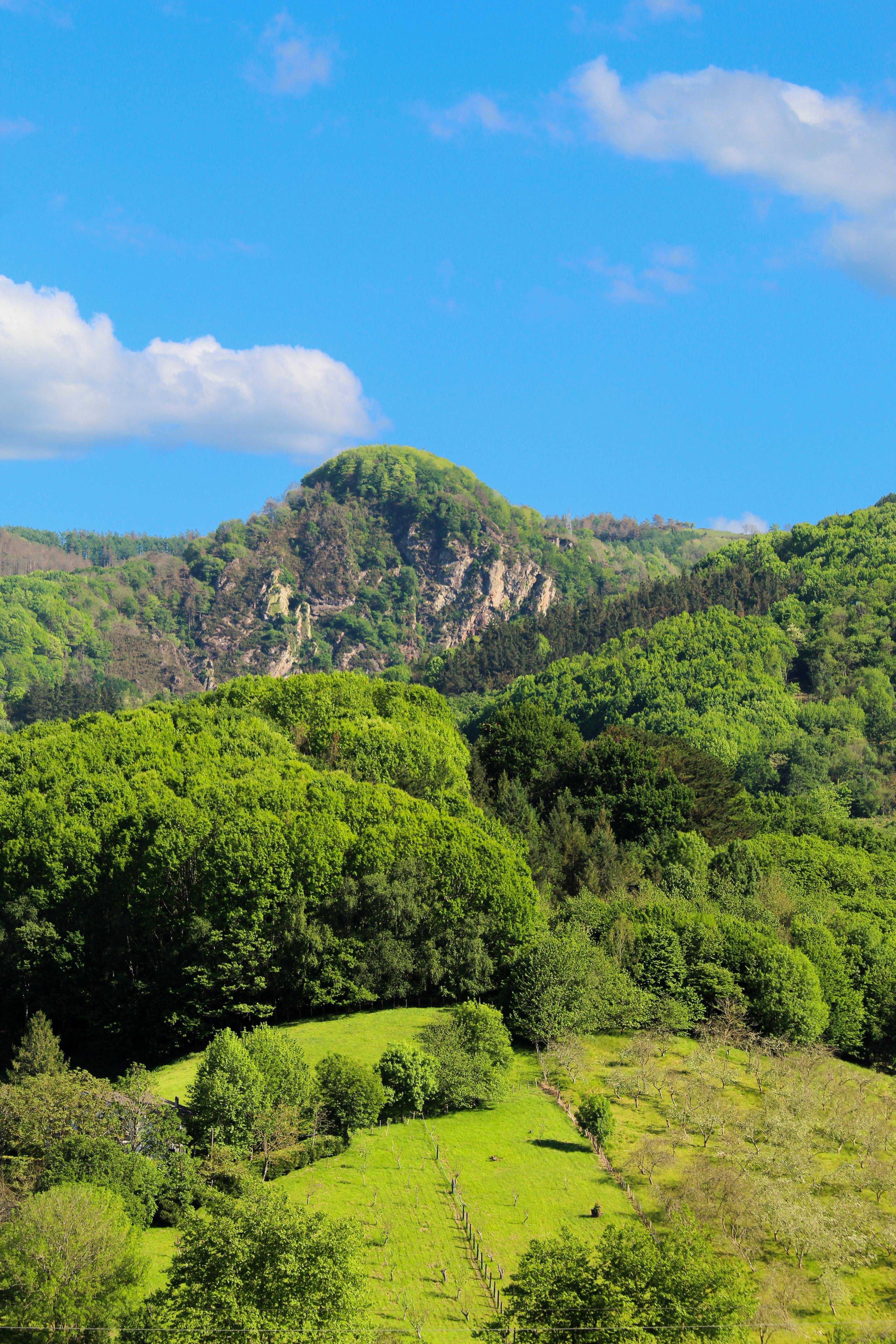
  3. Natural Beauty: Basque Country's landscape is diverse and stunning, featuring lush green mountains, picturesque coastal towns, and beautiful beaches. Outdoor enthusiasts can enjoy activities such as hiking, surfing, and cycling in the region's natural surroundings.

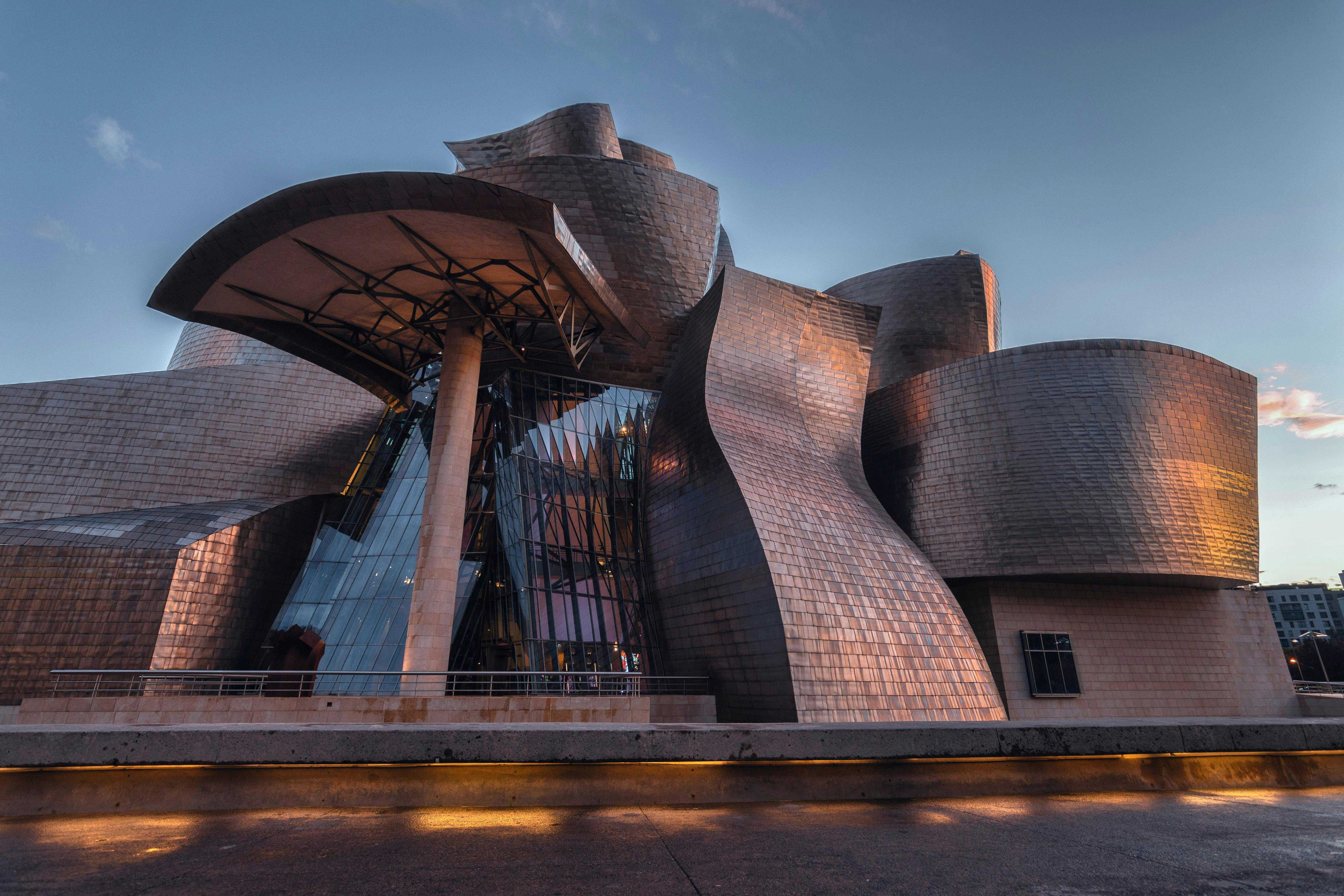
  4. Architecture: The Basque Country is home to a mix of architectural styles, from medieval buildings to avant-garde structures. Visitors can admire the Guggenheim Museum in Bilbao, designed by architect Frank Gehry, as well as historical buildings like the Vitoria-Gasteiz Cathedral.

  5. Art and History: Basque Country has a rich history that is reflected in its museums and historical sites. Visitors can explore ancient cave paintings, visit medieval towns like Hondarribia, and learn about the region's history at museums such as the San Telmo Museum in San Sebastian.

  6. Festivals and Events: Basque Country hosts vibrant festivals and events throughout the year, celebrating everything from traditional folklore to contemporary art. The Semana Grande in Bilbao and the San Sebastian Film Festival are just a couple of the many events that attract visitors to the region.

Overall, traveling to Basque Country offers a blend of cultural experiences, culinary delights, natural beauty, and historical richness that can appeal to a wide range of travelers.

What to know

While Basque Country in Spain is a beautiful and culturally rich destination, there are some potential drawbacks to traveling there:

  1. Weather: The weather in Basque Country can be unpredictable, with frequent rain and cooler temperatures, especially in the winter months. This could affect outdoor activities and sightseeing plans.

  2. Language barrier: While many people in Basque Country speak Spanish, the region also has its own distinct language, Basque (Euskara). Communication might be challenging for travelers who do not speak either language.

  3. Cost: Basque Country is known to be one of the more expensive regions in Spain, especially in cities like San Sebastian and Bilbao. Accommodation, dining, and transportation costs can add up quickly.

  4. Crowds: During peak tourist seasons, popular destinations in Basque Country can get quite crowded, which may impact your overall experience and make it difficult to fully enjoy attractions.

  5. Transportation: While Basque Country is well-connected by public transportation, navigating the region may be more challenging compared to other parts of Spain, especially in rural areas or smaller towns.

  6. Limited opening hours: Some shops, restaurants, and attractions in Basque Country may have limited opening hours, particularly during siesta time in the afternoon. This could affect your itinerary planning and dining options.

Overall, while Basque Country is a fantastic destination with much to offer, it's important to consider these potential drawbacks when planning your trip.

The Basque Country, known as "Euskadi" in Basque, is an autonomous community in northern Spain with a rich and distinct cultural history. It is characterized by its unique language, Euskara, which is unrelated to any other language in Europe. Here is a detailed history of the Basque Country, including significant events, historical figures, and important landmarks.

Prehistoric and Ancient Times

  • Prehistory: The Basque people are believed to be one of the oldest ethnic groups in Europe. Evidence of human habitation in the Basque region dates back to at least the Paleolithic era, with notable sites like the caves of Ekain and Santimamiñe, which contain prehistoric cave paintings.
  • Roman Era: The Basque region was known to the Romans, who referred to its inhabitants as the "Vascones." However, the Basque people largely maintained their independence from Roman rule.

Middle Ages

  • Christianization: The Basque Country was gradually Christianized during the early Middle Ages, although it retained many of its indigenous practices and beliefs.
  • Kingdom of Navarre: By the early Middle Ages, the western part of the Basque Country was part of the Kingdom of Navarre. This kingdom was a significant power in the region and played an essential role in the Reconquista, the Christian reconquest of the Iberian Peninsula.

Early Modern Period

  • Spanish Unification and the Basque Fueros: In the 16th century, with the unification of the kingdoms of Castile and Aragon, the Basque Country came under the Spanish crown. However, the Basques retained their "fueros," a set of traditional laws and privileges that allowed them a degree of autonomy.
  • Economic Prosperity: The Basque region became economically prosperous during this period due to its involvement in maritime trade and the development of the wool and iron industries.

19th Century

  • Carlist Wars: The Basque Country was a significant battleground during the Carlist Wars (1833-1876), which were fought over succession to the Spanish throne. The Basques largely supported the Carlists, who promised to uphold the Basque fueros.
  • Abolition of Fueros: Following the defeat of the Carlists, the Basque fueros were significantly reduced, leading to increased integration into the Spanish state.

20th Century

  • Basque Nationalism: The late 19th and early 20th centuries saw the rise of Basque nationalism, spearheaded by figures like Sabino Arana, who founded the Basque Nationalist Party (PNV) in 1895.
  • Spanish Civil War: During the Spanish Civil War (1936-1939), the Basque Country initially supported the Republican government. The bombing of Guernica in 1937 by Nazi Germany, an ally of the Nationalists, became a symbol of the war's brutality and was famously depicted by Pablo Picasso.
  • Franco Dictatorship: Under Francisco Franco's regime (1939-1975), Basque culture and language were suppressed. However, this period also saw the rise of the Basque separatist group ETA, which sought independence through armed struggle.

Contemporary Period

  • Autonomy and Peace: With the death of Franco and the transition to democracy, the Basque Country gained significant autonomy under the 1978 Spanish Constitution. The Basque Statute of Autonomy was passed in 1979, granting the region its parliament and control over education, health, and other areas.
  • End of ETA: In 2011, ETA announced a permanent cessation of armed activity, and in 2018, it formally disbanded.

Significant Landmarks

  • Guggenheim Museum Bilbao: A modern and contemporary art museum in Bilbao, designed by architect Frank Gehry, it has become a symbol of the city's revitalization.
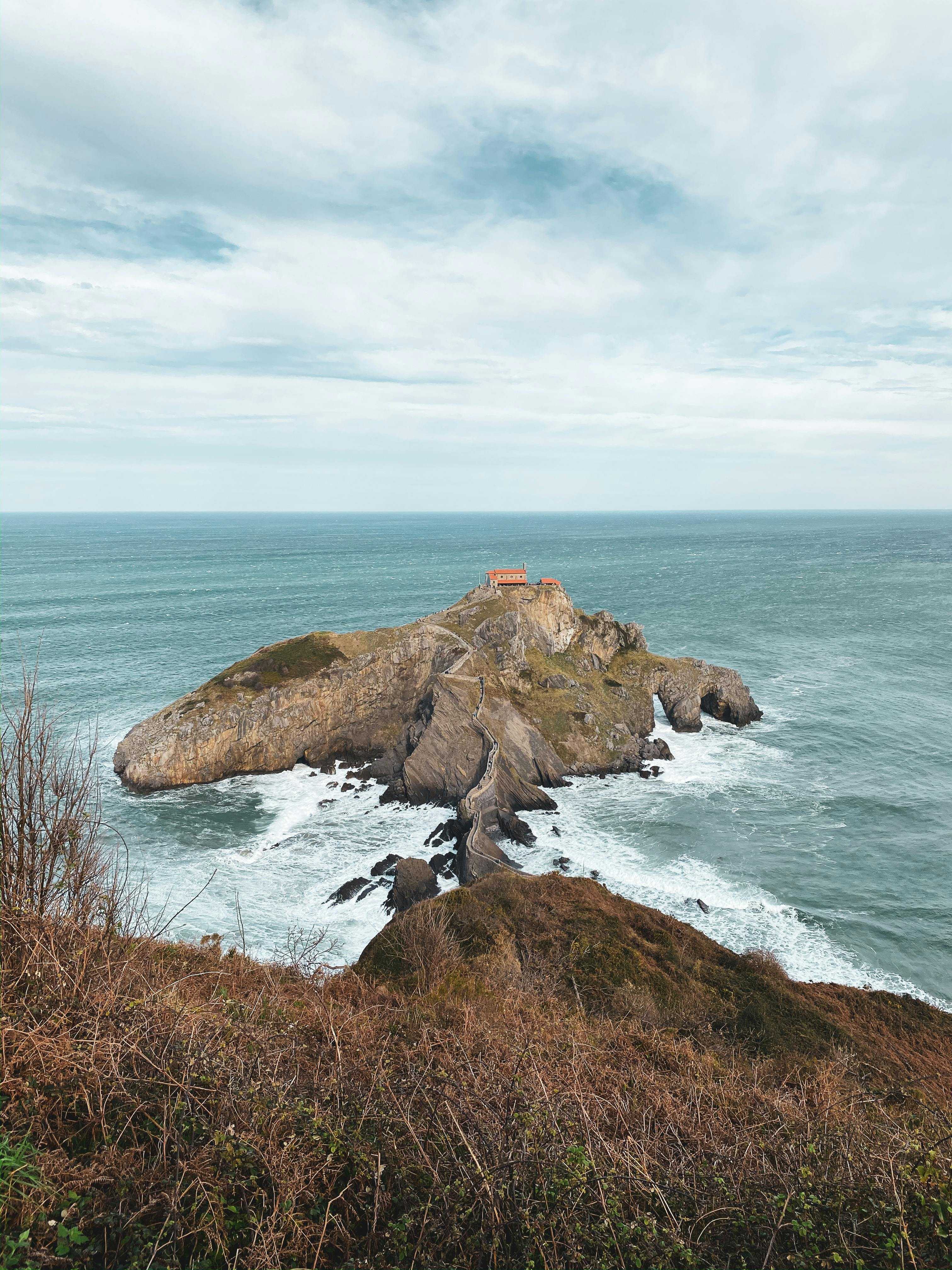
  • San Juan de Gaztelugatxe: A small islet on the coast of Biscay, connected to the mainland by a man-made bridge, known for its stunning views and historical hermitage.
  • Cathedral of Santa María (Vitoria-Gasteiz): A Gothic cathedral located in the capital of the Basque Country, known for its ongoing restoration project.
  • Old Town (Parte Vieja) of San Sebastián: Known for its vibrant atmosphere and traditional Basque cuisine, including the famous "pintxos."

Notable Historical Figures

  • Sabino Arana: Founder of the Basque Nationalist Party and a key figure in the development of Basque nationalism.
  • Ignatius of Loyola: Founder of the Society of Jesus (Jesuits), born in the Basque Country.
  • Pablo Picasso: Although not Basque, Picasso's painting "Guernica" is deeply associated with the Basque experience during the Spanish Civil War.

The Basque Country continues to be a vibrant region with a distinct identity, celebrated for its cultural heritage, linguistic uniqueness, and dynamic economic contributions to Spain.