
Bangladesh
· BD

Bangladesh

Bangladesh

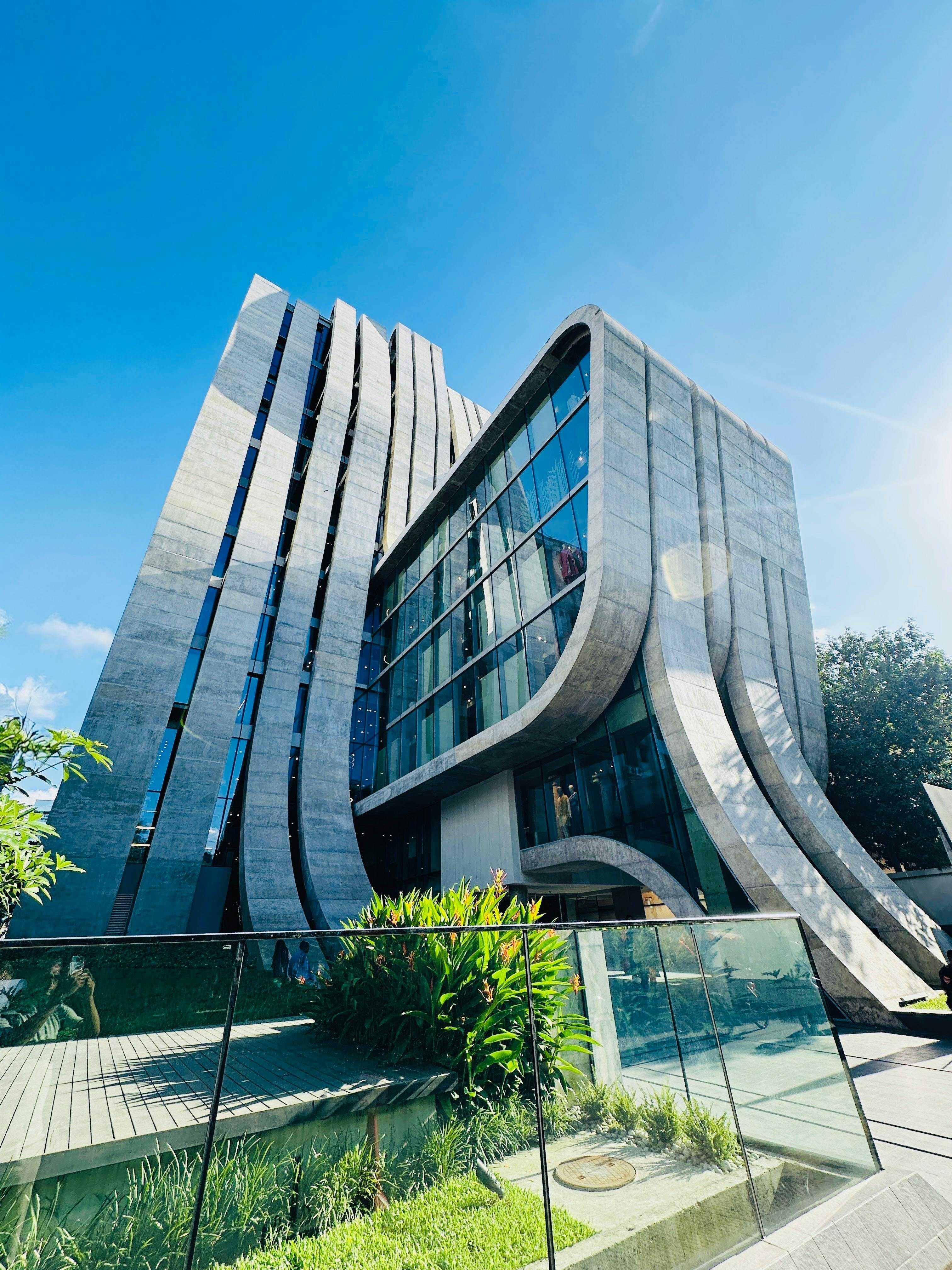
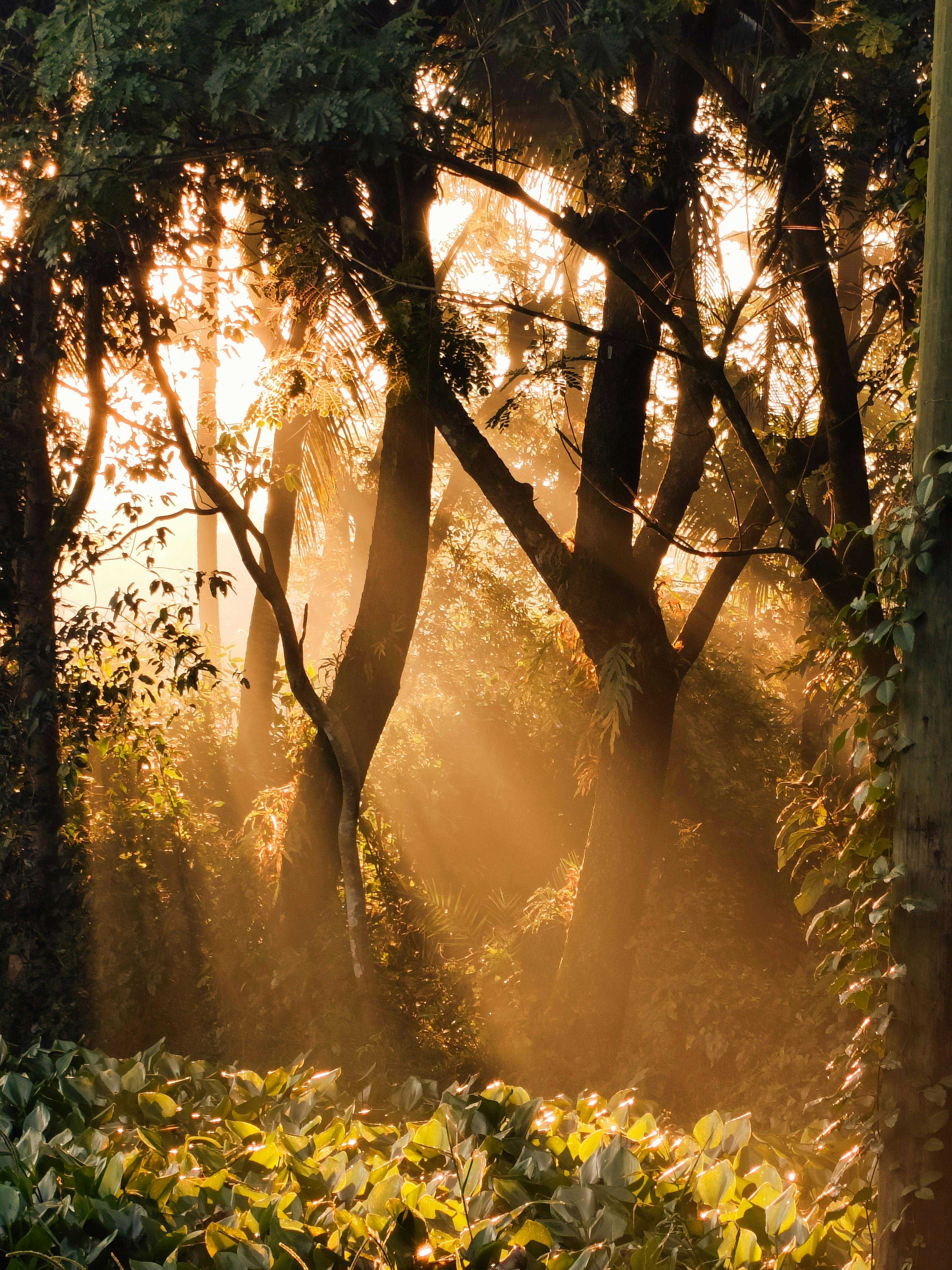
Bangladesh, a land of vibrant culture and natural beauty, is located in South Asia. Known for its lush green landscapes, the country is crisscrossed by rivers like the Padma (Ganges) and the Jamuna (Brahmaputra). Dhaka, …

#South Asia#Dhaka#Bengali culture#Ganges Delta#Tropical climate
1/2

Top hotels & flights

Hand-picked stays and the best fares into Bangladesh.

Top Hotels in Dhaka

Top Flights to Dhaka

Popular activities

Tours, tickets and experiences travelers book most in Bangladesh.

Tours

Visit to Sundarbans Mangrove Forest

Explore the world's largest mangrove forest and home to the Royal Bengal Tiger.

Explore Cox's Bazar Beach

Visit the longest natural sandy beach in the world.

Historical Tour of Lalbagh Fort

Discover the unfinished Mughal palace fortress.

Shopping

Dhaka City Shopping Experience

Explore the bustling markets and modern malls of Dhaka for a diverse shopping experience.

Outdoor

Trekking in Bandarban

Experience the serene hills and cultural diversity of the indigenous people.

Practical info

The essentials for planning your time in Bangladesh.

Currency
৳ | BDT | Bangladeshi Taka
Population
The approximate estimated total population of Bangladesh is '169 million'.
Languages
Bengali, Bengali
Average weather
Bangladesh
Jan
clear
25°12°
Feb
clear
28°15°
Mar
hot
33°20°
Apr
hot
35°23°
May
hot
34°25°
Jun
rain
32°26°
Jul
rain
31°26°
Aug
rain
31°26°
Sep
rain
31°25°
Oct
cloud
31°23°
Nov
clear
29°18°
Dec
clear
26°13°

Local guide

What travelers love, what to watch for, and a deeper read on Bangladesh.

What people love

Bangladesh is a beautiful country with a rich history, diverse culture, and stunning natural landscapes. Here are some of the pros of traveling to Bangladesh:

  1. Rich Culture and Heritage: Bangladesh has a unique blend of cultures influenced by various religions, languages, and traditions. Visitors can explore historic sites, temples, mosques, and museums that showcase the country's rich heritage.

  2. Natural Beauty: Bangladesh is known for its picturesque landscapes, including lush greenery, scenic rivers, and beautiful beaches. The Sundarbans, the world's largest mangrove forest, is a UNESCO World Heritage Site and home to diverse wildlife, including the famous Royal Bengal tigers.

  3. Warm Hospitality: Bangladeshi people are known for their warm hospitality and friendliness towards visitors. Travelers can experience the local culture firsthand by interacting with the locals and trying traditional food and customs.

  4. Affordable Travel: Bangladesh is a budget-friendly destination compared to many other countries, offering affordable accommodations, transportation, and dining options. This makes it an ideal choice for budget-conscious travelers.

  5. Delicious Cuisine: Bengali cuisine is diverse and flavorful, featuring a variety of dishes made with rice, fish, meat, and vegetables. Food lovers will enjoy trying traditional Bangladeshi dishes like biryani, bhuna khichuri, and pitha.

  6. Cultural Festivals: Bangladesh celebrates numerous cultural festivals throughout the year, providing visitors with a unique opportunity to witness traditional music, dance, and art forms. The colorful festivals showcase the vibrancy and diversity of Bangladeshi culture.

Overall, traveling to Bangladesh offers a memorable experience for those seeking to explore a country with a rich cultural heritage, stunning natural beauty, and warm hospitality.

What to know

When considering travel to any destination, it's important to be aware of potential challenges or drawbacks. Here are some cons that travelers might encounter when visiting Bangladesh:

  1. Infrastructure and Transportation:

    • Public transportation can be crowded and confusing for first-time visitors. The road conditions are often poor, and traffic congestion, particularly in cities like Dhaka, is notorious.
    • The railway system, while extensive, can be outdated, and delays are common.
  2. Weather Conditions:

    • Bangladesh has a tropical monsoon climate, which means it experiences heavy rainfall during the monsoon season (June to October). This can lead to flooding and make travel difficult.
    • Summers can be extremely hot and humid, which might be uncomfortable for some travelers.
  3. Health and Safety Concerns:

    • Travelers should be cautious about food and water safety to avoid illnesses. It's advisable to drink bottled water and eat at reputable establishments.
    • The healthcare system might not meet the standards found in Western countries, particularly outside major cities.
  4. Political Stability and Safety:

    • Bangladesh has experienced political unrest and protests in the past, which can sometimes lead to violence. It's important to stay informed about the current political situation.
    • Petty crime, such as pickpocketing, can be a concern in crowded areas.
  5. Cultural Differences and Sensibilities:

    • Bangladesh is a conservative country, and visitors should be mindful of local customs and dress codes, especially in rural areas.
    • Language barriers can be an issue, as not everyone speaks English fluently, particularly outside urban centers.
  6. Environmental and Ecological Concerns:

    • Pollution, especially air pollution in Dhaka, can be significant and may affect those with respiratory issues.
    • Deforestation and pollution have impacted some natural sites, potentially affecting eco-tourism experiences.

Despite these challenges, many travelers find visiting Bangladesh to be a rewarding experience due to its rich culture, history, and hospitality. It's important to plan ahead, stay informed, and take necessary precautions to mitigate these potential drawbacks.

Certainly! Here's a detailed history of Bangladesh, including significant events, historical figures, and important landmarks:

Ancient and Medieval Period

  • Ancient Bengal: The region that is now Bangladesh was inhabited by various ethnic groups and was part of the ancient Bengal region. It was known for its rich cultural heritage and was a major hub for trade and commerce.
  • Maurya and Gupta Empires: It was incorporated into the Maurya and Gupta Empires, which spread Buddhism and Hinduism in the region.
  • Pala Empire (750–1174 CE): This Buddhist dynasty brought stability and prosperity to the region, and Bengal became a center for Buddhist learning and culture.
  • Sena Dynasty (11th–12th century): Followed the Pala Empire, and it was during this period that Hinduism regained prominence.

Islamic Period

  • Arrival of Islam: Islam began to spread in the region from the 12th century with the arrival of Muslim traders and Sufi missionaries.
  • Delhi Sultanate: In the 13th century, Bengal was conquered by the Muslim rulers of the Delhi Sultanate.
  • Bengal Sultanate (1352–1576): An independent Muslim state emerged, which was culturally rich and economically prosperous. It was known for its unique Bengali Muslim culture.

Mughal Period

  • Mughal Empire (1576–1757): Bengal became a wealthy province of the Mughal Empire, known for its fine muslin fabric and as a major shipbuilding center.
  • Dhaka: The city of Dhaka became an important Mughal administrative and commercial center.

Colonial Period

  • British East India Company (1757–1858): After the Battle of Plassey in 1757, Bengal came under the control of the British East India Company.
  • British Raj (1858–1947): Bengal was directly administered by the British Crown after the revolt of 1857. The region was a center for the Indian independence movement.

Partition and Pakistan Period

  • Partition of Bengal (1947): Bengal was divided along religious lines during the partition of India, with the eastern part becoming East Pakistan, part of the newly formed Pakistan.
  • Language Movement (1952): This was a significant movement where Bengalis protested for the recognition of Bengali as an official language, leading to the deaths of several protesters and eventually the recognition of Bengali as one of the state languages.

Independence and Modern Bangladesh

  • Bangladesh Liberation War (1971): East Pakistan fought for independence from West Pakistan, leading to a brutal conflict. The war ended with the creation of independent Bangladesh on December 16, 1971.
  • Sheikh Mujibur Rahman: The leader of the independence movement and the founding father of Bangladesh, who became its first President and then Prime Minister.
  • Post-Independence Challenges: The country faced challenges such as rebuilding the war-torn economy, political instability, and natural disasters.

Contemporary Period

  • Political Landscape: Bangladesh has experienced periods of military rule and has transitioned to a parliamentary democracy. Notable leaders include Sheikh Hasina and Khaleda Zia.
  • Economic Growth: In recent years, Bangladesh has seen significant economic growth and development, becoming one of the fastest-growing economies in Asia.

Important Landmarks

  • Lalbagh Fort: A 17th-century Mughal fort in Dhaka.
  • Ahsan Manzil: The Pink Palace in Dhaka, a symbol of the rich history of the Nawabs of Dhaka.
  • Jatiyo Sangsad Bhaban: The National Parliament House, designed by architect Louis Kahn.
  • Shaheed Minar: A monument in Dhaka commemorating the Language Movement martyrs.
  • Sundarbans: The largest mangrove forest in the world, home to the Bengal tiger.

Bangladesh's rich cultural heritage, historical struggles for independence, and recent economic progress make it a nation of great interest and significance in South Asia.