
Baja California Sur
· MX

Baja California Sur

Baja California Sur, Mexico

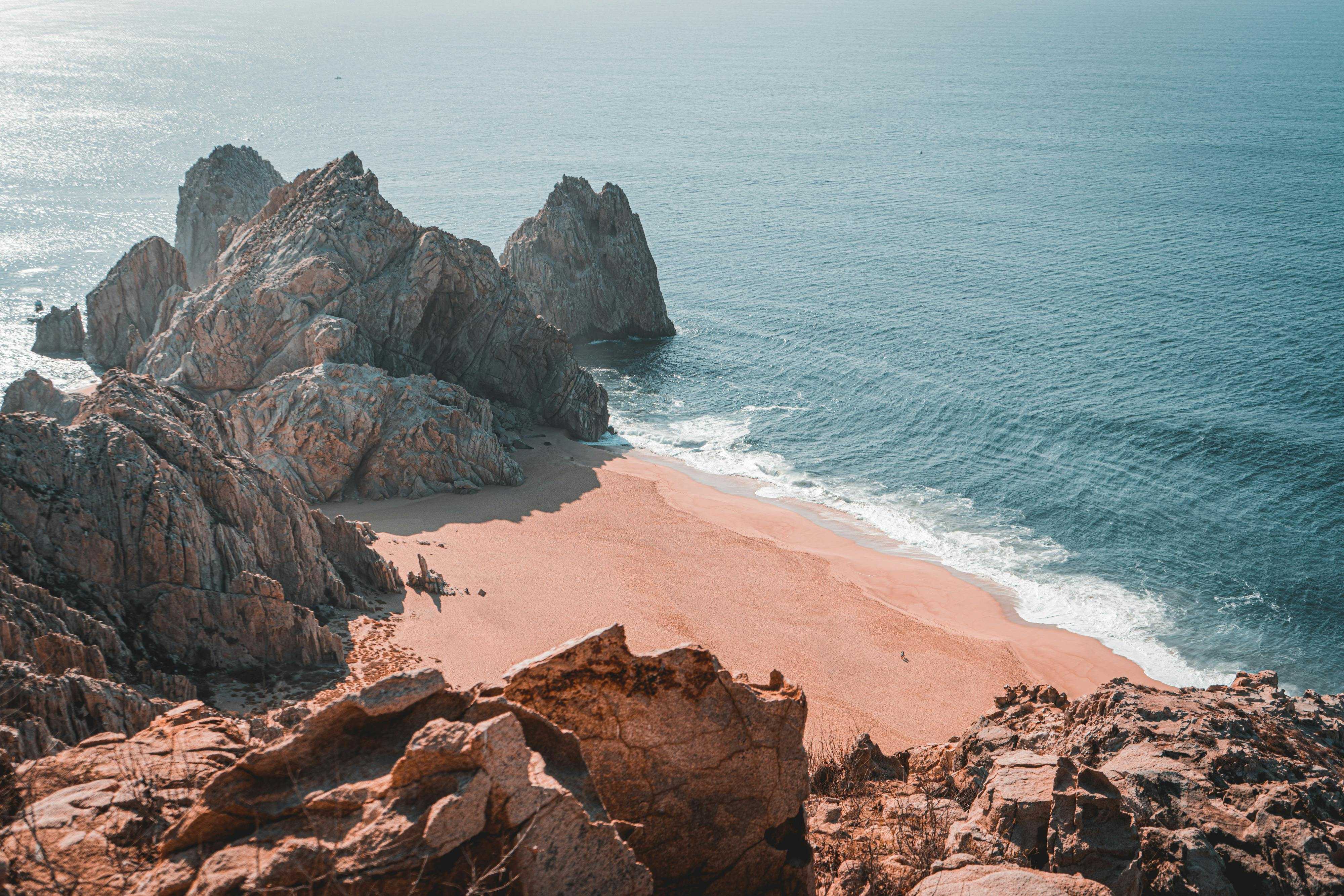
Baja California Sur: Where the Desert Kisses the Sea Escape to Baja California Sur, a Mexican peninsula where the rugged desert dramatically collides with the turquoise waters of the Sea of Cortez. A land of stark beauty…

#beaches#desert#seafood#whale watching#adventure activities
1/8

Top hotels & flights

Hand-picked stays and the best fares into Baja California Sur.

Top Hotels in Baja California Sur

Top Flights to Baja California Sur

Popular activities

Tours, tickets and experiences travelers book most in Baja California Sur.

Tours

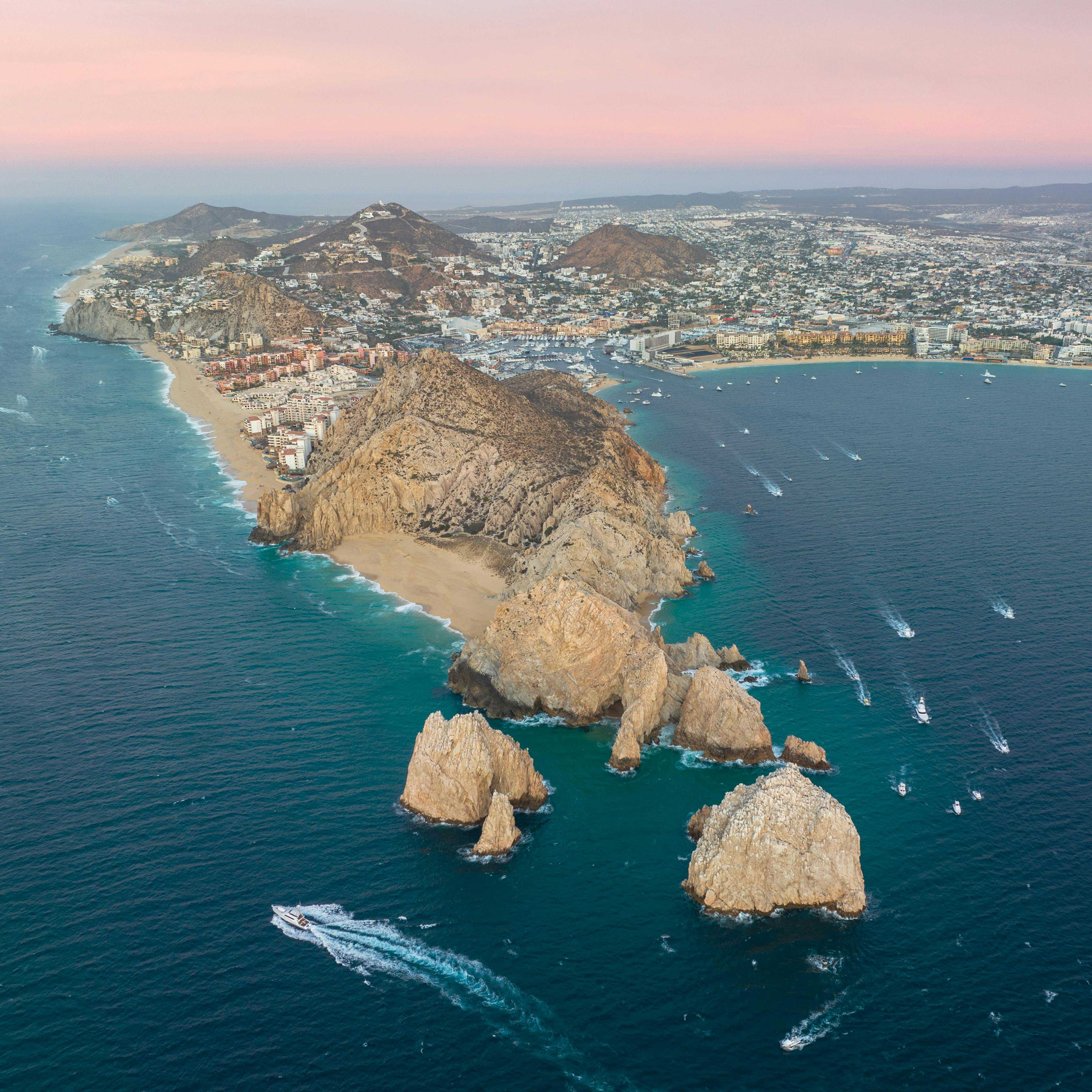
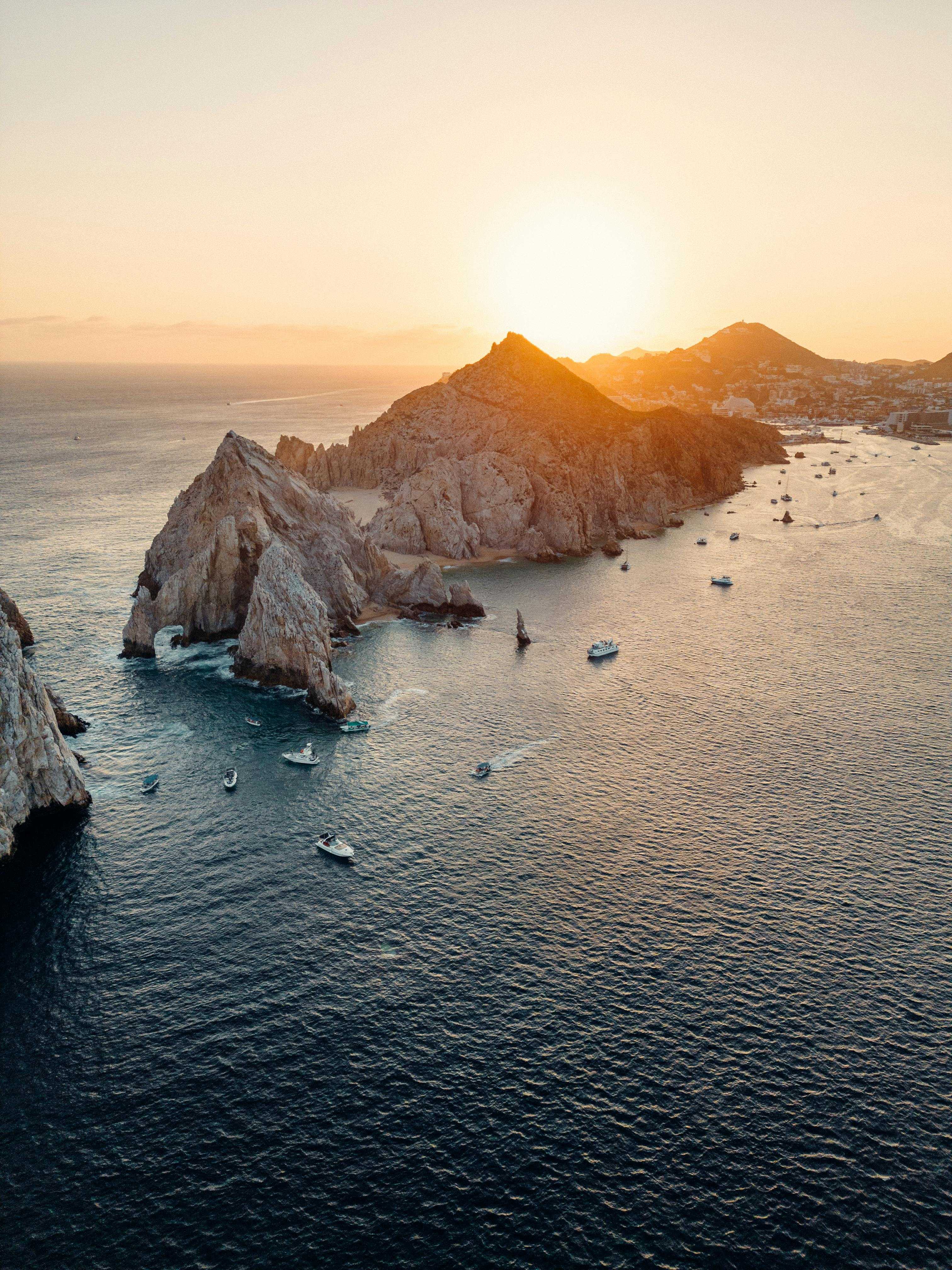
Visit the Arch of Cabo San Lucas

A natural rock formation at the southern tip of Cabo San Lucas, offering stunning views and photo opportunities.

Experience Todos Santos

Explore this magical town known for its vibrant arts scene and charming streets.

La Paz Malecon Waterfront Walk

Enjoy a leisurely walk along the waterfront while witnessing stunning sunsets and sculptures by the sea.

Outdoor

Explore Cabo Pulmo National Park

Snorkel and dive at one of the most beautiful marine reserves, known for its rich ocean life and vibrant coral reefs.

Whale Watching Tours

Embark on a guided tour to witness the majestic whales along the coast of Baja California Sur.

Location videos

Real reels from travelers, plus longer watches to get the full picture.

From travelers
Watch & explore

Practical info

The essentials for planning your time in Baja California Sur.

Currency
$ | MXN | Mexican Peso
Population
The approximate estimated total population of Baja California Sur, Mexico, is '0.8 million'.

Local guide

What travelers love, what to watch for, and a deeper read on Baja California Sur.

What people love

There are several pros to traveling to Baja California Sur, Mexico:

  1. Beautiful Beaches: Baja California Sur is known for its stunning beaches with crystal-clear waters and soft sand. Popular beach destinations include Cabo San Lucas, La Paz, and Todos Santos.

  2. Outdoor Activities: The region offers a wide range of outdoor activities such as snorkeling, scuba diving, surfing, fishing, kayaking, and whale watching. The Sea of Cortez is particularly famous for its diverse marine life.

  3. Rich Biodiversity: Baja California Sur is home to a unique and diverse ecosystem, with desert landscapes, mountains, and coastal areas. Visitors can explore national parks, wildlife reserves, and protected areas to experience the region's natural beauty.

  4. Cultural Heritage: Baja California Sur has a rich cultural heritage influenced by its indigenous roots and Spanish colonial history. Visitors can explore historic towns, museums, art galleries, and local markets to learn about the region's traditions and customs.

  5. Culinary Delights: The cuisine of Baja California Sur is a delightful mix of fresh seafood, traditional Mexican dishes, and international flavors. Visitors can enjoy delicious meals at local restaurants, street food stalls, and food festivals.

  6. Vibrant Nightlife: Cities like Cabo San Lucas offer a vibrant nightlife with bars, clubs, live music venues, and entertainment options for visitors looking to socialize and have fun after sunset.

Overall, traveling to Baja California Sur offers a perfect blend of natural beauty, outdoor adventures, cultural experiences, and culinary delights for tourists seeking a memorable vacation destination.

What to know

Some potential cons of traveling to Baja California Sur, Mexico, include:

  1. Safety concerns: While Baja California Sur is generally considered safe for tourists, it's important to be cautious and aware of your surroundings, especially in popular tourist areas where petty crimes such as theft and scams can occur.

  2. Limited public transportation: Getting around Baja California Sur can be challenging as public transportation options are limited, especially in more remote areas. Renting a car may be necessary for exploring the region.

  3. Environmental challenges: Baja California Sur is a desert region with limited water resources. Visitors should be mindful of water conservation practices and take precautions to avoid dehydration and sun exposure.

  4. Language barrier: While many people in tourist areas speak English, you may encounter language barriers in more remote locations where Spanish is the primary language. It's helpful to have some basic Spanish language skills or a translation app handy.

  5. High tourist season crowds: Baja California Sur is a popular tourist destination, especially during peak travel seasons. Crowds and higher prices for accommodations and activities may be a concern for some travelers.

It's important to conduct thorough research and take necessary precautions to ensure a safe and enjoyable trip to Baja California Sur.

Baja California Sur, a state located in northwestern Mexico, is part of the Baja California Peninsula. Its history is rich and diverse, marked by indigenous cultures, European exploration, and modern development.

Indigenous Cultures

Before European contact, the region was inhabited by various indigenous groups, including the Pericú, Guaycura, and Cochimí peoples. These groups were primarily hunter-gatherers with distinct languages and cultures adapted to the arid environment.

European Exploration and Colonization

  • 1533: The first European to explore the area was Fortún Ximénez, a Spanish navigator, who led a mutiny aboard the ship Concepción and landed on the peninsula.
  • 1535: Hernán Cortés attempted to establish a settlement at La Paz, but it was not successful due to harsh conditions.
  • 1697: Jesuit missionaries, led by Father Juan María de Salvatierra, successfully established the first permanent European settlement at Loreto, which became the capital of the Californias. The Jesuits played a significant role in spreading Christianity and developing missions across the peninsula.
  • 1767: The Jesuits were expelled, and Franciscan missionaries, including the famous Father Junípero Serra, took over the missions. Later, the Dominicans assumed control of the northern missions.

Mexican Independence and 19th Century

  • 1821: Mexico gained independence from Spain, and the Baja California Peninsula became part of the Mexican territory.
  • 1853: William Walker, an American filibuster, briefly took control of La Paz, declaring the Republic of Lower California before being expelled.
  • 1888: The peninsula was divided into two territories: North Territory of Baja California and South Territory of Baja California.

20th Century to Present

  • 1931: The territories were officially recognized as part of Mexico’s federal territories.
  • 1974: Baja California Sur became a state of Mexico, with La Paz as its capital. This was a significant political development, granting the region greater autonomy and representation.
  • Late 20th Century: Tourism began to boom, especially in areas like Cabo San Lucas and San José del Cabo, collectively known as Los Cabos, contributing significantly to the state's economy.

Significant Historical Figures

  • Juan María de Salvatierra: A Jesuit missionary who played a crucial role in the establishment and spread of missions in the region.
  • José María Echeandía: The first Mexican governor of the Californias, who worked towards integrating the peninsula into the Mexican nation-state.

Important Landmarks

  • Misión de Nuestra Señora de Loreto Conchó: The first mission established in Baja California Sur, marking the start of the mission era in the Californias.
  • Cabo Pulmo National Park: A UNESCO World Heritage Site, known for its coral reef and diverse marine life.
  • The Arch of Cabo San Lucas (El Arco): A natural rock formation and iconic symbol of the region.
  • Sierra de la Laguna: A biosphere reserve known for its biodiversity and scenic landscapes.

Baja California Sur’s history is a tapestry of indigenous heritage, colonial endeavors, and modern transformation, making it a unique and significant part of Mexico’s cultural and historical landscape.