
Attiki
State · Greece

Attiki

Attikí, Greece

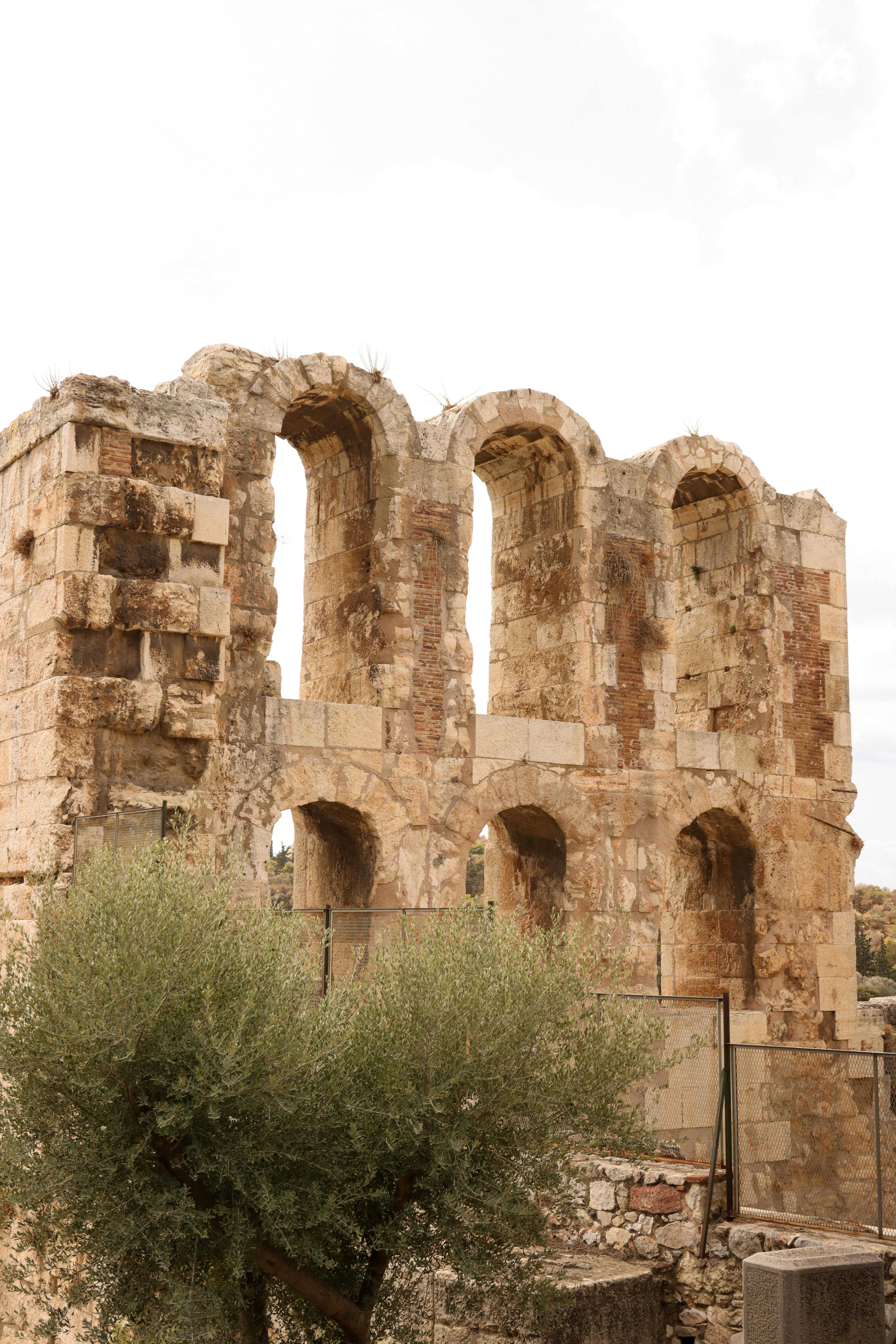
Attica: Where Ancient History Meets Modern Vibrancy Attica, the historical region surrounding Athens, offers a captivating blend of ancient wonders…

#Greece#Attikí#Mediterranean#Historical sites#Tourism

Explore Attiki

Top cities in Attiki

Pick a city to open its guide.

See it for yourself

Location videos

Reels and longer watches.

Featured for Attiki

Traveller clips picked out for this place.

Watch & explore

Good to know

Practical info

Weather, costs and getting around.

Attikí, Greece Open in Google Maps
Currency
€ | EUR | Euro
Population
3.8 million
Languages
Greek mainly
Budget / day
€150 - €500
Also known as
Attica, Greece, Attiki, Greece, Attica, Attica, Hellenic Republic, Attiki

Know before you go

Local guide

A deeper read on Attiki.

What people love

Attikí, located in the region of Attica, Greece, offers a wide range of attractions and experiences for travelers. Here are some pros of traveling to Attikí:

  1. Athens: Attikí is home to the vibrant and historical city of Athens, the capital of Greece. Visitors can explore iconic landmarks such as the Acropolis, Parthenon, and Ancient Agora. Athens also offers a rich cultural experience with its museums, art galleries, and lively neighborhoods.

  2. Beaches: Attikí boasts beautiful beaches along its coastline, including popular spots like Glyfada, Vouliagmeni, and Sounio. Travelers can enjoy swimming, sunbathing, and water sports while soaking up the Mediterranean sunshine.

  3. History and Archaeology: Attikí is steeped in history and archaeology, with sites like the Temple of Poseidon at Cape Sounion, the ancient city of Eleusis, and the Marathon battlefield. History enthusiasts will find plenty to explore and discover in this region.

  4. Culinary Delights: Attikí offers a diverse culinary scene, with traditional Greek tavernas, modern restaurants, and street food vendors serving up delicious dishes. Visitors can sample local specialties like souvlaki, moussaka, and fresh seafood.

  5. Shopping and Nightlife: Attikí is home to bustling shopping districts, including Ermou Street and Monastiraki Flea Market in Athens. Travelers can shop for souvenirs, fashion items, and local products. The region also offers a vibrant nightlife scene with bars, clubs, and live music venues.

Overall, traveling to Attikí in Greece provides a mix of history, culture, natural beauty, and culinary delights for visitors to enjoy.

What to know

Attikí, Greece is a popular travel destination with many attractions, but there are some cons to consider when traveling there:

  1. Traffic congestion: Attikí, especially in the capital city of Athens, can be notorious for heavy traffic congestion. Navigating through the city can be challenging, and traffic jams are common during peak times.

  2. Air pollution: Athens, the main city in Attikí, has issues with air pollution due to traffic congestion and industrial activities. This can affect air quality and may not be suitable for individuals with respiratory issues.

  3. Crowds: Attikí is a popular tourist destination, especially during peak seasons. This can result in crowded attractions, long lines, and difficulty finding accommodations.

  4. High cost of living: Attikí, particularly Athens, has a relatively high cost of living compared to other regions in Greece. This can make dining out, shopping, and accommodations more expensive for travelers.

  5. Pickpocketing and petty theft: As with any popular tourist destination, there is a risk of pickpocketing and petty theft in Attikí, particularly in crowded areas and tourist hotspots. Travelers should be vigilant and take precautions to safeguard their belongings.

It's important to note that these cons should not deter you from visiting Attikí, as it is a beautiful region with a rich history and many attractions to explore. By being aware of these potential drawbacks and taking necessary precautions, you can still have a wonderful travel experience in Attikí.

Attikí, more commonly referred to as Attica, is a historical region of Greece that encompasses the city of Athens, the capital of Greece. The history of Attica is rich and deeply interconnected with the history of Athens itself, given that Athens has been the most prominent city in the region since ancient times.

Ancient History:

  • Mycenaean Period (1600-1100 BC): The area was inhabited since the Neolithic period, with significant development during the Mycenaean civilization. Athens, located in Attica, was a major center during this time.
  • Classical Period (5th-4th century BC): This era marked the height of Athenian power, particularly during the 5th century BC, known as the Golden Age of Athens. Under leaders like Pericles, Athens became a cultural and political hub, with significant developments in democracy, philosophy, and the arts. The Acropolis and structures such as the Parthenon were built during this time.
  • Persian Wars (499-449 BC): Attica played a crucial role during the Persian Wars, especially in battles like Marathon (490 BC) and Salamis (480 BC), which were pivotal in repelling Persian invasions.
  • Peloponnesian War (431-404 BC): This was a protracted conflict between Athens and its allies, and Sparta and its allies, which eventually led to the decline of Athenian power.

Hellenistic and Roman Periods:

  • After the fall of Athens in the Peloponnesian War, the region came under the influence of the Macedonian Empire and later the Roman Empire. During Roman times, Athens remained a center of learning and philosophy.

Byzantine and Ottoman Periods:

  • During the Byzantine period, Athens and Attica experienced decline but remained inhabited. The area came under Ottoman rule in the mid-15th century, which lasted until the Greek War of Independence in the 19th century.

Modern Period:

  • Greek War of Independence (1821-1829): Attica, including Athens, played a key role in the war against Ottoman rule. Athens was liberated in 1833.
  • Capital of Greece: In 1834, Athens became the capital of the modern Greek state. Since then, the city and the surrounding region of Attica have grown significantly, both in terms of population and economic importance.

Important Landmarks in Attica:

  • The Acropolis: Featuring the Parthenon, Erechtheion, and other ancient structures, it is one of the most significant archaeological sites in the world.
  • Agora of Athens: The marketplace and civic center in ancient Athens, where Socrates and other philosophers discussed their ideas.
  • Temple of Poseidon at Sounion: Located at the southern tip of Attica, this ancient temple is renowned for its stunning views over the Aegean Sea.
  • Panathenaic Stadium: An ancient stadium that was restored for the first modern Olympic Games in 1896.

Significant Historical Figures:

  • Pericles: A prominent and influential statesman during the Golden Age of Athens.
  • Socrates, Plato, and Aristotle: Philosophers who lived and taught in Athens, shaping Western philosophical thought.
  • Themistocles: An Athenian politician and general who was instrumental in the Greek victory at the Battle of Salamis.

Attica remains a central region in Greece, both historically and in contemporary times, due to its cultural heritage and economic significance.