

Armenia
· AM

Armenia

Armenia

Discover Ancient Soul, Modern Spirit: Welcome to Armenia! Nestled in the heart of the Caucasus Mountains, Armenia is a land of breathtaking beauty and ancient wonders. A country with a history stretching back millennia, …

#Eastern Europe#Caucasus region#Mountains#Yerevan#Rich history
1/8

Top hotels & flights

Hand-picked stays and the best fares into Armenia.

Top Hotels in Yerevan

Top Flights to Yerevan

Location videos

Real reels from travelers, plus longer watches to get the full picture.

Watch & explore

Practical info

The essentials for planning your time in Armenia.

Currency
֏ | AMD | Armenian Dram
Population
3.0 million
Languages
Armenian, Armenian, Russian, Kurdish
Average weather
Armenia
Jan
snow
-1°-8°
Feb
snow
2°-6°
Mar
cloud
8°-2°
Apr
rain
15°4°
May
rain
20°9°
Jun
clear
26°14°
Jul
hot
30°18°
Aug
hot
30°17°
Sep
clear
25°13°
Oct
cloud
17°7°
Nov
rain
10°1°
Dec
snow
2°-5°

Local guide

What travelers love, what to watch for, and a deeper read on Armenia.

What people love

Armenia is a beautiful country located at the crossroads of Europe and Asia, offering a unique blend of history, culture, and natural beauty. Here are some of the pros of traveling to Armenia:

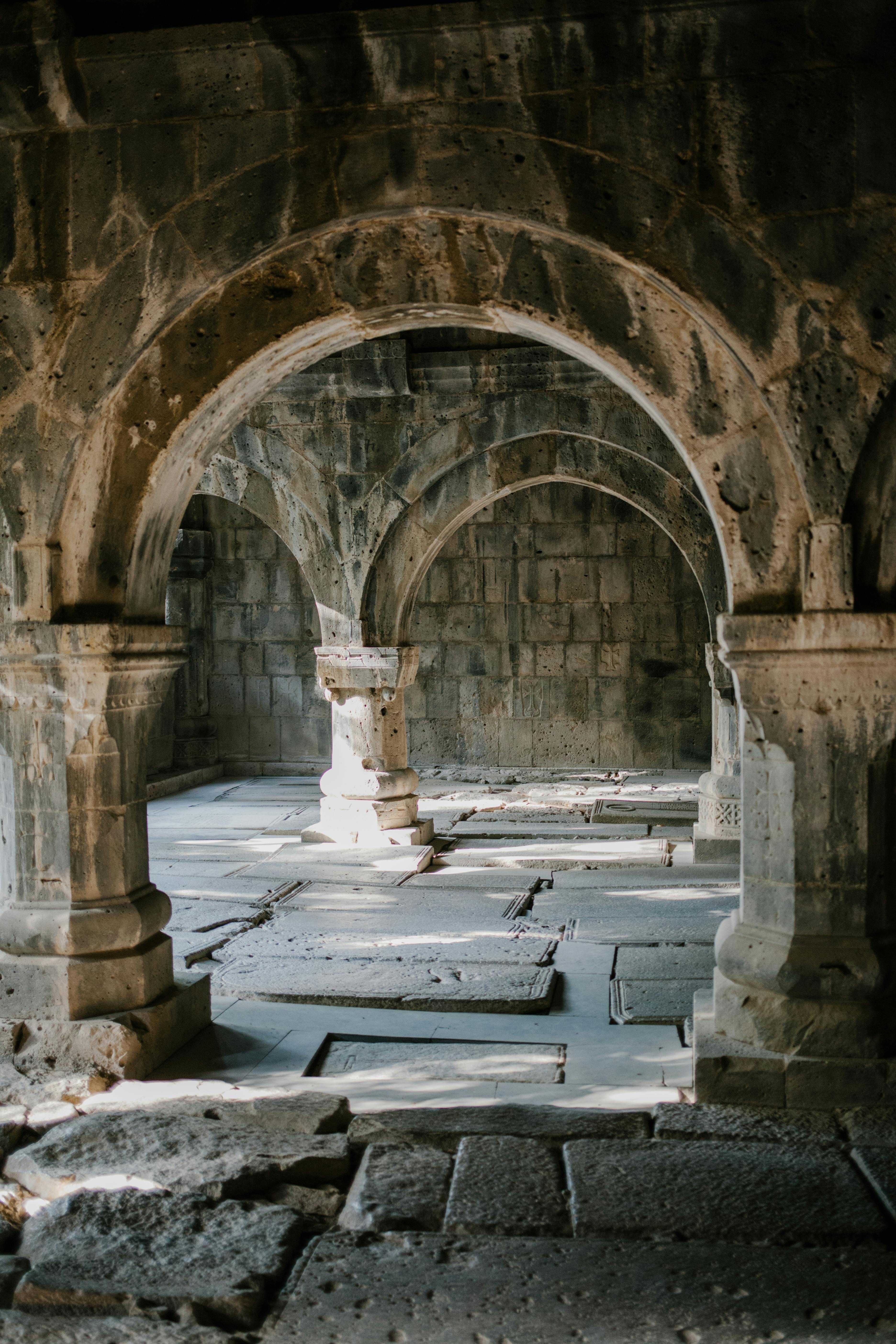
  1. Rich History: Armenia is one of the oldest countries in the world with a history dating back thousands of years. Travelers can explore ancient landmarks such as the UNESCO World Heritage Sites of Geghard Monastery and the Cathedral of Echmiadzin.

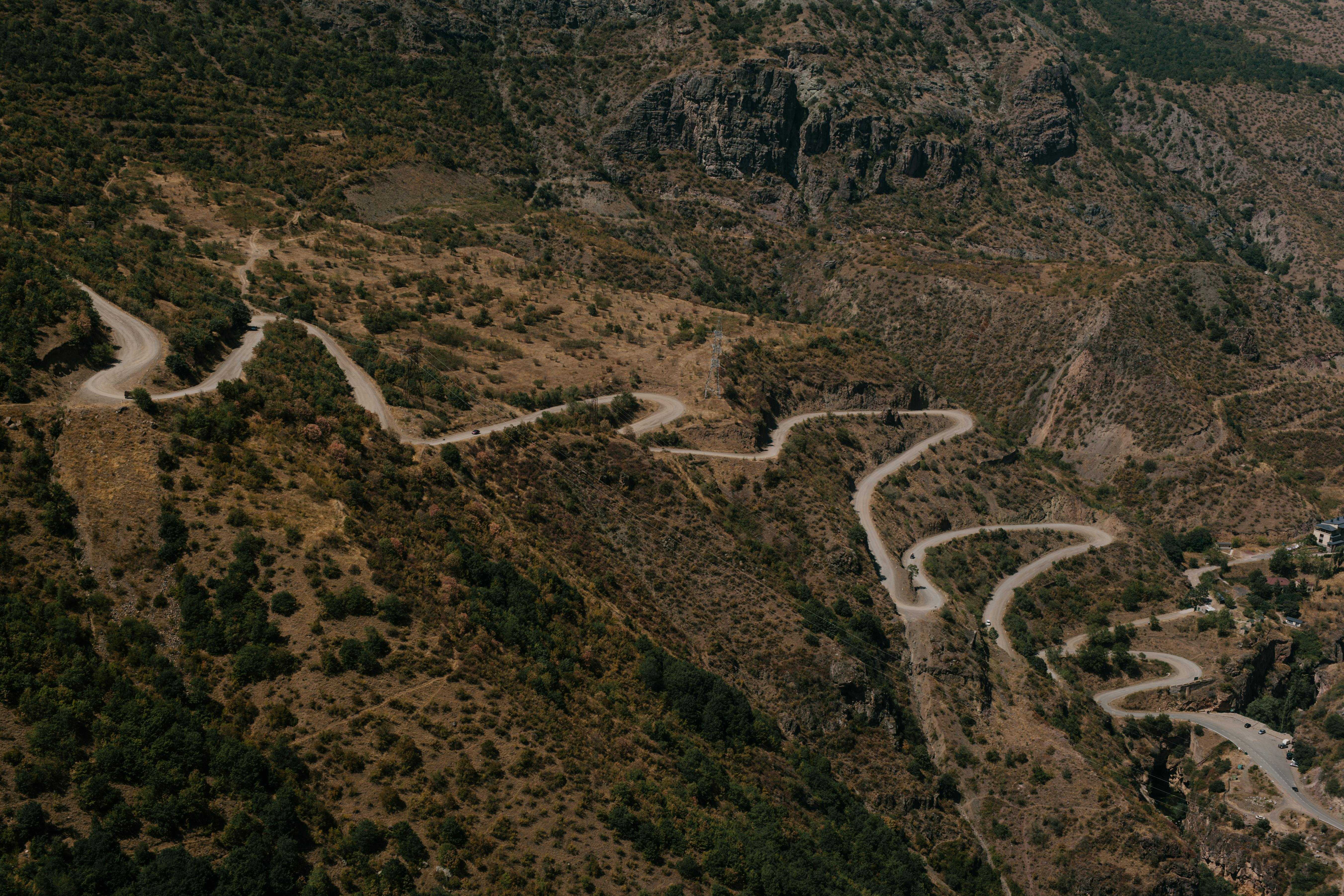
  2. Stunning Landscapes: Armenia is known for its diverse landscapes, including majestic mountains, lush forests, and serene lakes. Outdoor enthusiasts can enjoy activities such as hiking, skiing, and horseback riding amidst the picturesque scenery.

  3. Warm Hospitality: Armenians are known for their hospitality and welcoming nature. Travelers can experience the local culture through homestays, traditional meals, and interactions with friendly locals.

  4. Unique Architecture: Armenia boasts a mix of architectural styles influenced by its rich history, including medieval churches, Soviet-era buildings, and modern structures. The capital city of Yerevan is known for its pink tuff stone buildings and bustling streets.

  5. Delicious Cuisine: Armenian cuisine is flavorful and diverse, featuring dishes such as dolma (stuffed grape leaves), khorovats (grilled meat), lavash (flatbread), and an array of fresh fruits and vegetables. Food lovers will enjoy exploring the local markets and trying traditional Armenian dishes.

  6. Affordable Travel: Armenia is a budget-friendly destination compared to many European countries, offering affordable accommodation, transportation, and dining options. Travelers can experience a rich cultural experience without breaking the bank.

Overall, traveling to Armenia offers a unique blend of history, culture, and natural beauty that is sure to captivate visitors from around the world.

What to know

Traveling to Armenia does have some potential cons that travelers should be aware of:

  1. Political Tensions: Armenia has experienced political tensions with neighboring countries, particularly Azerbaijan. This has the potential to impact travel plans, especially in border regions.

  2. Language Barrier: While many Armenians speak English, the official language is Armenian. Travelers who do not speak Armenian may encounter some language barriers, especially in more rural areas.

  3. Limited Infrastructure: In some areas of Armenia, infrastructure such as roads and public transportation may be limited or in poor condition, making travel more challenging.

  4. Seasonal Weather: Armenia experiences both extreme heat in the summer and cold temperatures in the winter. Travelers should be prepared for these weather conditions depending on the time of year they visit.

  5. Currency Fluctuations: The Armenian dram is the local currency, and its value can fluctuate. Travelers should be aware of the current exchange rates to avoid any financial surprises.

  6. Travel Restrictions: Armenia has specific travel restrictions related to visa requirements and travel permits, especially in border areas. Travelers should check the latest information before planning their trip.

  7. Healthcare Services: While Armenia has healthcare facilities, the quality of care may vary, especially in more remote areas. Travelers should have appropriate travel insurance to cover any medical needs.

Overall, while Armenia is a beautiful and historically rich destination, travelers should be aware of these potential cons and plan accordingly to have a safe and enjoyable trip.

Armenia is a country located in the South Caucasus region of Eurasia, bordered by Turkey to the west, Georgia to the north, Azerbaijan to the east, and Iran to the south. It has a rich and ancient history that dates back thousands of years.

Ancient History:

  • Urartu Kingdom (circa 860–590 BCE): The region was part of the Urartian Kingdom, which is considered a predecessor to the Armenian nation. The kingdom was centered around Lake Van in present-day Turkey.

  • Orontid Dynasty (6th century BCE): Following the fall of Urartu, the Orontid Dynasty emerged as the ruling dynasty in Armenia, often as vassals to larger empires like Persia.

  • Artaxiad Dynasty (189 BCE–1st century AD): Armenia became a significant regional power under the Artaxiad Dynasty. During this period, King Tigranes the Great (ruled 95–55 BCE) expanded the kingdom to its greatest extent, creating an empire that stretched from the Caspian Sea to the Mediterranean.

Adoption of Christianity:

  • Early 4th Century: Armenia became the first nation to adopt Christianity as its state religion in 301 AD, under the rule of King Tiridates III, due to the evangelism of Saint Gregory the Illuminator. This event is a cornerstone of Armenian identity and cultural history.

Medieval Period:

  • Bagratid Armenia (885–1045): The Bagratid Dynasty restored Armenian sovereignty after centuries of foreign domination. Ani, the capital, became known as the "City of 1001 Churches."

  • Seljuk Invasion: In the 11th century, the Seljuk Turks invaded, leading to significant disruption and the eventual fall of the Bagratid Kingdom.

  • Cilician Armenia (1080–1375): Many Armenians migrated to Cilicia, where a new Armenian kingdom was established. This kingdom played a crucial role during the Crusades and had strong ties with European powers.

Ottoman and Persian Rule:

  • 16th to 19th Century: Armenia was divided between the Ottoman Empire and the Persian Empire, leading to centuries of foreign domination and cultural influence.

19th and Early 20th Century:

  • Russian Annexation: In the early 19th century, Eastern Armenia was annexed by the Russian Empire after wars with Persia and the Ottomans.

  • Armenian Genocide (1915-1923): During World War I, the Ottoman government systematically exterminated 1.5 million Armenians, an event recognized as a genocide by many countries today.

Modern History:

  • First Republic of Armenia (1918–1920): After the collapse of the Russian Empire, Armenia briefly became an independent republic before being incorporated into the Soviet Union.

  • Soviet Armenia (1920–1991): Armenia was a part of the Soviet Union for most of the 20th century, during which time it experienced industrialization and cultural suppression.

  • Independence (1991): Armenia declared independence from the Soviet Union on September 21, 1991, and this day is celebrated as Independence Day.

Recent History:

  • Nagorno-Karabakh Conflict: Armenia has been in conflict with Azerbaijan over the Nagorno-Karabakh region. The conflict has led to several wars, the most significant of which occurred in the early 1990s and in 2020.

Significant Landmarks:

  1. Etchmiadzin Cathedral: The mother church of the Armenian Apostolic Church, built in the early 4th century, is considered the oldest cathedral in the world.

  2. Khor Virap Monastery: Known for its deep historical significance, it is where Saint Gregory the Illuminator was imprisoned before converting King Tiridates III to Christianity.

  3. Garni Temple: A classical Hellenistic temple and one of the few remaining pagan structures in Armenia.

  4. Geghard Monastery: Partially carved out of the mountain, this monastery complex is a UNESCO World Heritage site.

  5. The Republic Square: Located in the capital, Yerevan, it serves as the city's central square and is known for its Soviet-era architecture.

Armenia's rich cultural heritage, historical resilience, and unique position at the crossroads of Europe and Asia make it a fascinating nation with a deep history.