


Antioquia
· CO

Antioquia

Antioquia, Colombia

Experience the Magic of Antioquia, Colombia: Where Coffee Blooms and Culture Thrives Antioquia, nestled in the heart of the Colombian Andes, is a region brimming with vibrant culture, breathtaking landscapes, and the aro…

#Colombia#South America#Andes Mountains#Coffee region#Historic sites
1/8

Top hotels & flights

Hand-picked stays and the best fares into Antioquia.

Top Hotels in Antioquia

Top Flights to Antioquia

Popular activities

Tours, tickets and experiences travelers book most in Antioquia.

Tours

Tour of Medellín

Explore the vibrant city of Medellín, the capital of Antioquia. Known for its cultural sites and beautiful landscapes, the city offers various tours that showcase its history and modern charm.

Santa Fe de Antioquia Day Trip

Step back in time with a trip to this charming colonial town, rich in history and preserved architecture.

Guatapé and El Peñol Adventure

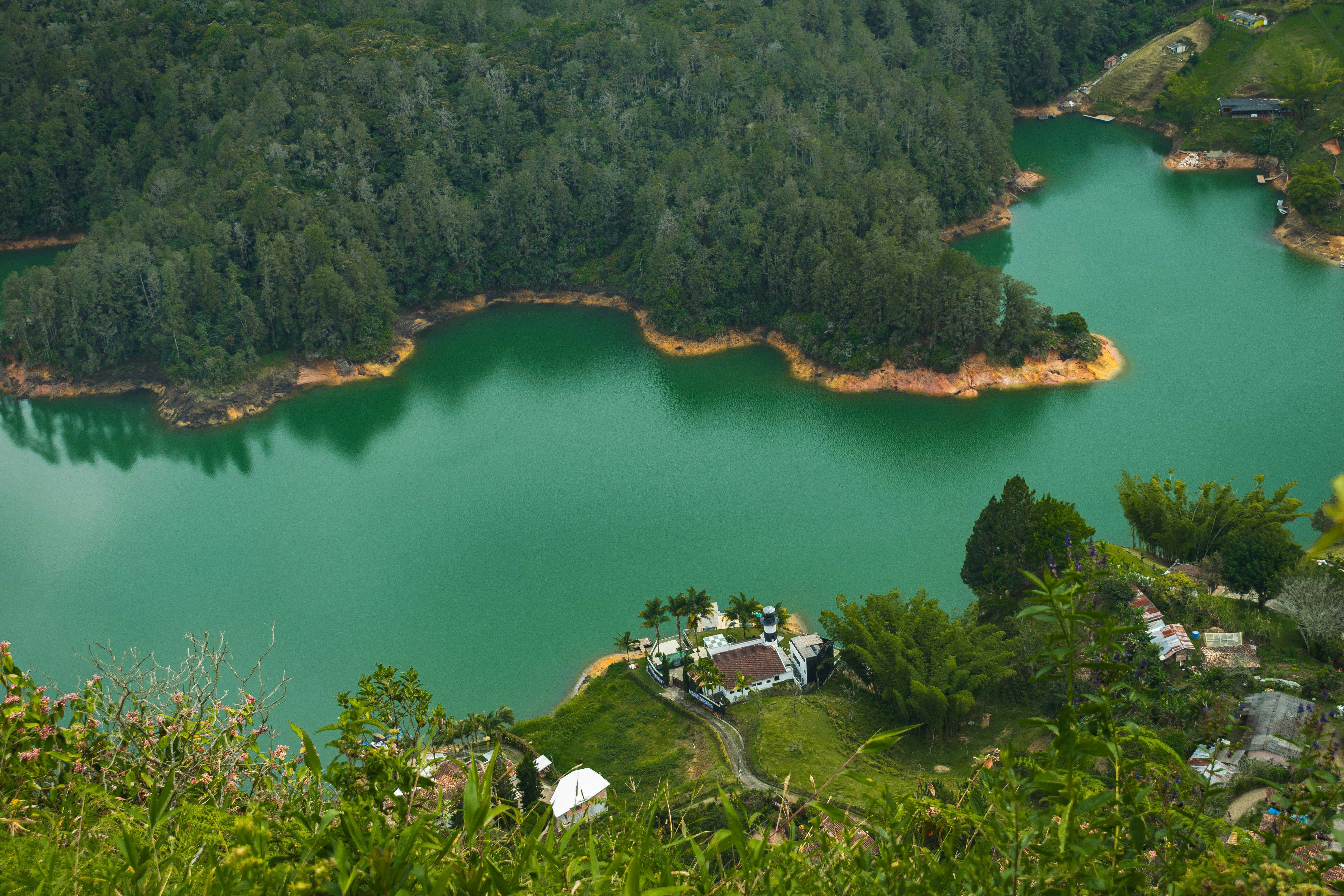
Visit the colorful town of Guatapé and climb the famous El Peñol Rock for breathtaking views.

Pueblito Paisa

A recreation of a traditional Antioquian town, offering panoramic views of Medellín and various cultural exhibits.

Shopping

Shopping in El Tesoro Parque Comercial

A modern shopping center offering a variety of local and international brands, dining options, and entertainment facilities.

Outdoor

Hiking in Parque Arví

This ecological nature reserve and archaeological site offers various hiking trails through lush forests and open spaces.

Paragliding in San Félix

Experience the thrill of paragliding over picturesque landscapes in San Félix.

Mountain Biking in Jardín

Enjoy a thrilling mountain biking experience in the beautiful rural landscapes surrounding Jardín.

Location videos

Real reels from travelers, plus longer watches to get the full picture.

From travelers
Watch & explore

Practical info

The essentials for planning your time in Antioquia.

Currency
$ | COP | Colombian Peso
Population
7.5 million
Languages
Spanish, Spanish

Local guide

What travelers love, what to watch for, and a deeper read on Antioquia.

What people love

Antioquia, located in Colombia, offers a variety of attractions and experiences for travelers. Some of the pros of traveling to Antioquia include:

  1. Stunning Natural Beauty: Antioquia is known for its picturesque landscapes, including lush green mountains, sparkling rivers, and charming colonial towns. The region is home to the famous Cocora Valley, where you can see towering wax palms, the national tree of Colombia.

  2. Coffee Culture: Antioquia is a major coffee-producing region, and visitors can immerse themselves in the rich coffee culture by visiting coffee farms, learning about the coffee-making process, and sampling some of the best coffee in the world.

  3. Adventure Activities: Antioquia offers a wide range of outdoor activities for adventure seekers, including hiking, mountain biking, paragliding, and whitewater rafting. The region's diverse terrain provides the perfect backdrop for adrenaline-pumping experiences.

  4. Cultural Heritage: Antioquia has a rich cultural heritage, with vibrant cities like Medellín offering museums, galleries, and historical sites to explore. Visitors can learn about the region's history, art, and traditions through its many cultural attractions.

  5. Warm Hospitality: The people of Antioquia are known for their warmth and friendliness, making visitors feel welcome and at home. Travelers can experience the local hospitality by interacting with residents, trying traditional foods, and participating in local festivals and events.

Overall, traveling to Antioquia offers a unique blend of natural beauty, cultural experiences, and adventure activities, making it an appealing destination for travelers seeking a memorable and enriching trip.

What to know

There are several potential cons to traveling to Antioquia, Colombia, particularly to the city of Antioquia. These cons include:

  1. Safety concerns: While Antioquia has seen improvements in safety in recent years, it is still important to be cautious and aware of your surroundings due to the region's history of violence and drug trafficking.

  2. Altitude and climate: Antioquia is located in the Andes Mountains, which means that some areas may have high altitudes and cooler temperatures. This can be a challenge for some travelers, especially those who are not used to high altitudes.

  3. Limited infrastructure: Some areas of Antioquia may have limited infrastructure, particularly in more remote areas. This can impact transportation options, access to amenities, and overall comfort during your trip.

  4. Language barrier: While many people in Antioquia may speak some English, the primary language is Spanish. Travelers who do not speak Spanish may encounter communication challenges, especially in more rural areas.

  5. Tourist crowds: Popular attractions in Antioquia, such as Guatapé and Medellín, can attract large numbers of tourists, particularly during peak seasons. This can lead to crowded conditions and longer wait times at popular sites.

It's important to research and plan your trip carefully to mitigate these potential cons and have a safe and enjoyable experience in Antioquia, Colombia.

Antioquia is a department in northwestern Colombia, known for its rich history, vibrant culture, and significant economic contributions to the country. Here's a detailed history of Antioquia, including significant events, historical figures, and important landmarks:

Pre-Colonial and Colonial Era

  • Pre-Colonial Period: Before the arrival of the Spanish, the region was inhabited by indigenous groups such as the Tahamíes, Nutabes, and Catíos. These groups had developed complex societies with agriculture, trade, and artisanal crafts.

  • Spanish Conquest: The Spanish arrived in the region in the 16th century. The official founding of Antioquia is credited to Francisco Herrera Campuzano in 1541, who established the city of Santa Fe de Antioquia, which became the capital of the province.

  • Colonial Development: During the colonial period, Antioquia was somewhat isolated due to its mountainous terrain. It developed a unique culture, with a strong emphasis on family and community. The region's economy was based on agriculture, particularly coffee and cattle.

19th Century

  • Independence Era: Antioquia played a significant role in Colombia's struggle for independence from Spain. Many notable figures from Antioquia contributed to the independence movement.

  • Economic Boom: In the late 19th century, Antioquia experienced significant economic growth due to the coffee boom. The construction of the Antioquia Railway in 1874 helped to integrate the region with the rest of Colombia, facilitating trade and commerce.

20th Century

  • Industrialization: Medellín, the capital of Antioquia, became an industrial hub, particularly for textiles. The city earned the nickname "The Manchester of Colombia" due to its thriving textile industry.

  • Violence and Conflict: Like much of Colombia, Antioquia suffered from violence during the mid to late 20th century, particularly due to the influence of drug cartels. The Medellín Cartel, led by Pablo Escobar, had a significant impact on the region.

  • Urban Transformation: In the late 20th and early 21st centuries, Medellín underwent a remarkable transformation. Efforts to improve public infrastructure, transportation, and social integration led to a decrease in crime and an increase in quality of life.

Important Figures

  • Francisco José de Caldas: A notable scientist, geographer, and military engineer from Antioquia who played a role in the independence movement.

  • Pablo Escobar: The infamous drug lord who led the Medellín Cartel. His actions had a lasting impact on the region's history.

Landmarks

  • Santa Fe de Antioquia: Known for its colonial architecture and historical significance, this town is a UNESCO World Heritage site.

  • Medellín: The capital city is known for its innovative public transportation system, including the metro and cable cars, and cultural sites like the Museum of Antioquia.

  • Puente de Occidente: A suspension bridge over the Cauca River, designed by Colombian engineer José María Villa, considered a major engineering feat of the 19th century.

  • Piedra del Peñol: A massive granite rock formation near Guatapé, offering stunning views of the surrounding landscape.

Antioquia's history is marked by resilience and innovation, transforming from a remote colonial province to a key economic and cultural hub in Colombia.