
Angola
· AO

Angola

Angola

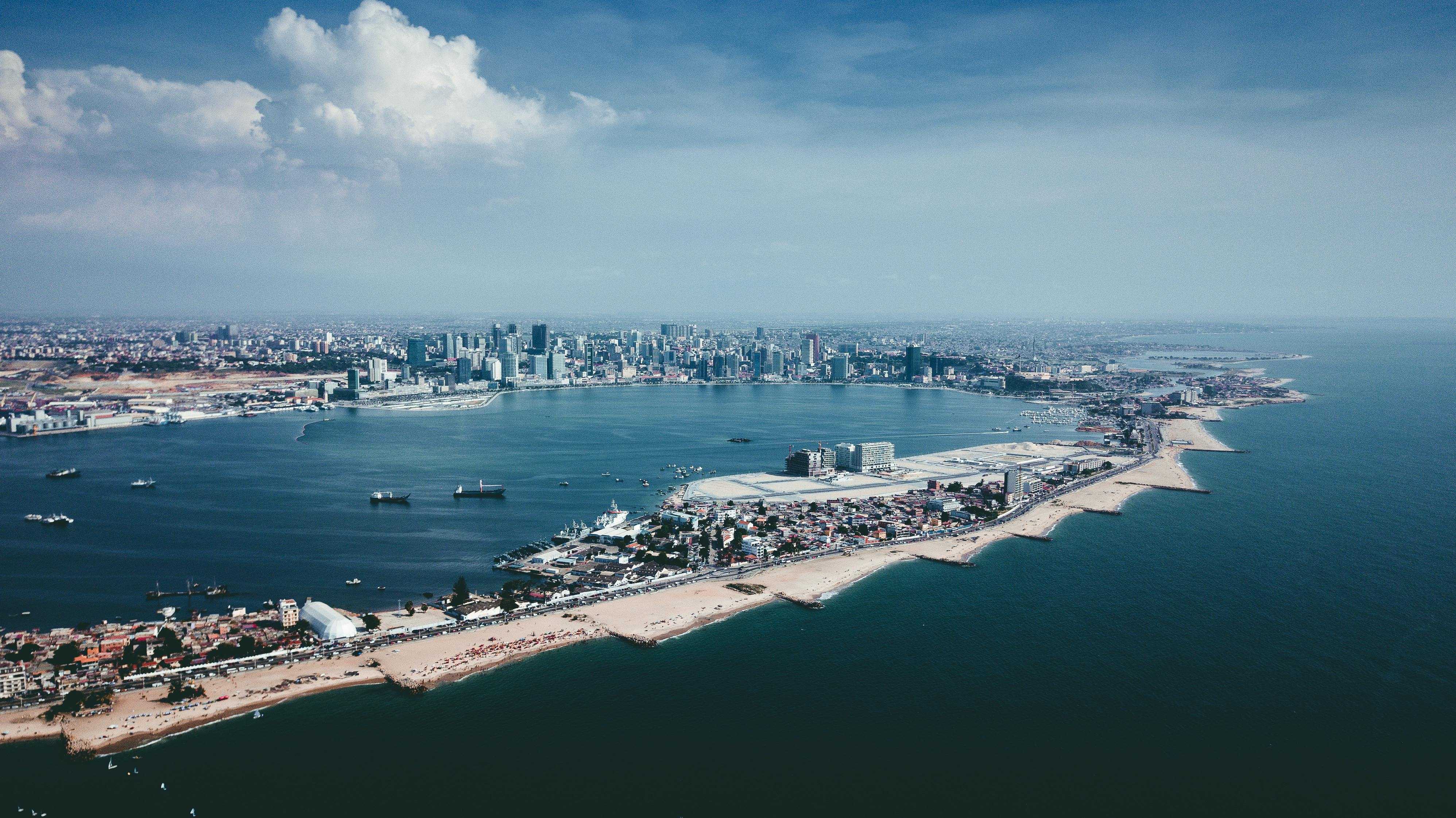
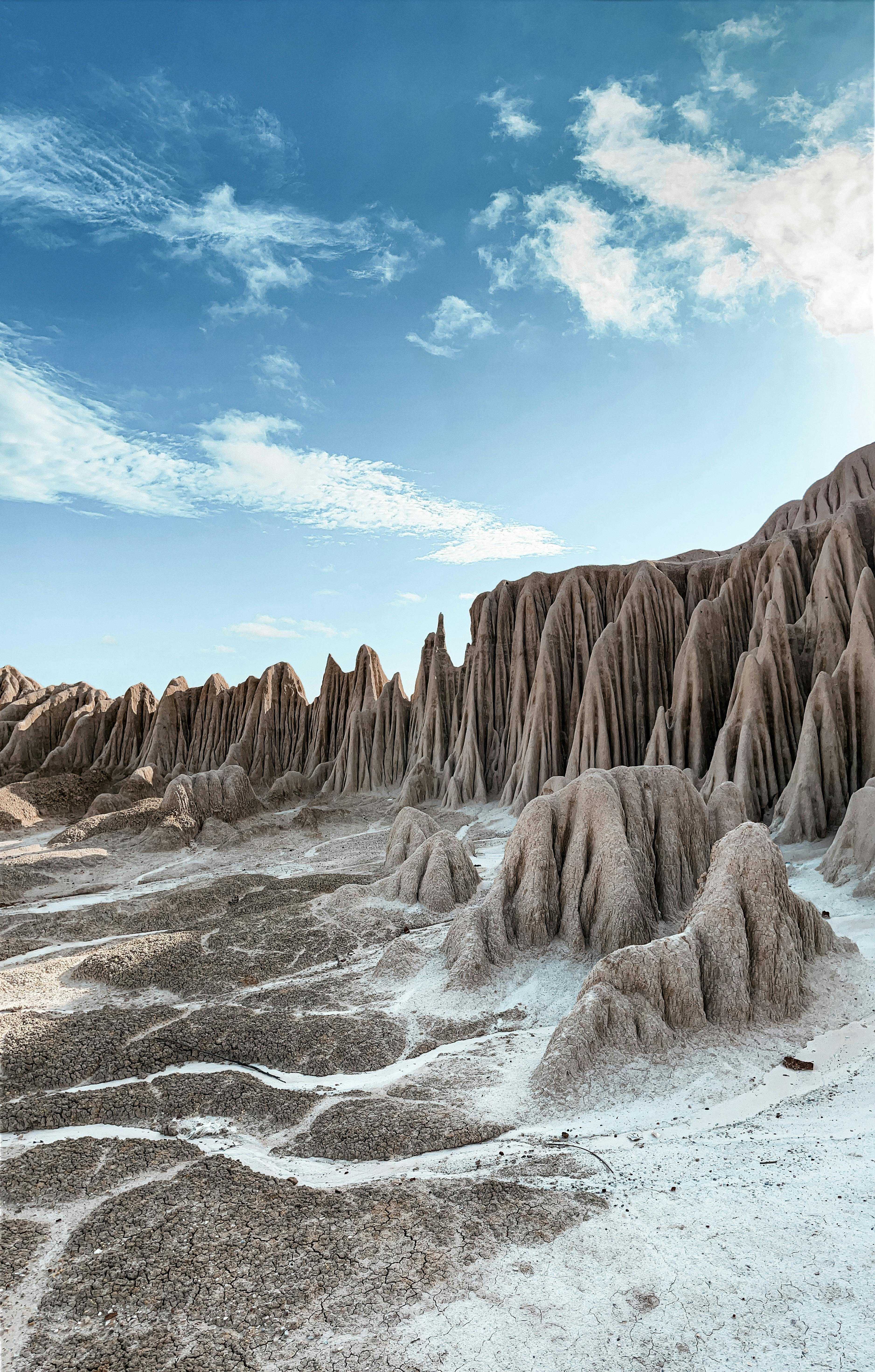
Angola, a country on the west coast of Southern Africa, is a land of striking contrasts. It boasts a diverse landscape, ranging from arid deserts and rugged mountains to lush rainforests and a stunning coastline. The cou…

#Southern Africa#Portuguese-speaking country#Oil-rich#Colonial history#Atlantic Ocean coast
1/6

Top hotels & flights

Hand-picked stays and the best fares into Angola.

Top Hotels in Luanda

Top Flights to Luanda

Popular activities

Tours, tickets and experiences travelers book most in Angola.

Tours

Visit the Kalandula Falls

Witness the stunning beauty of one of Africa's largest waterfalls, located in Malanje Province.

Explore the Ruins of M'banza Kongo

Discover the historical ruins of the ancient capital of the Kingdom of Kongo.

Shopping

Shop at Belas Shopping Mall

A modern shopping mall offering a wide range of local and international brands, as well as dining options.

Outdoor

Hike in Kissama National Park

Experience the diverse wildlife and landscapes in Angola's most famous national park.

Relax at Mussulo Island

Enjoy the sandy beaches and clear waters of Mussulo Island, a popular getaway near Luanda.

Location videos

Real reels from travelers, plus longer watches to get the full picture.

From travelers
Watch & explore

Practical info

The essentials for planning your time in Angola.

Currency
Kz | AOA | Angolan Kwanza
Population
As of the latest estimates, the approximate population of Angola is 36.7 million.
Languages
Portuguese, Portuguese
Average weather
Angola
Jan
rain
31°22°
Feb
rain
31°22°
Mar
rain
31°22°
Apr
rain
30°21°
May
cloud
28°19°
Jun
clear
25°17°
Jul
clear
25°16°
Aug
clear
27°17°
Sep
sun
30°19°
Oct
sun
31°21°
Nov
rain
31°22°
Dec
rain
31°22°

Local guide

What travelers love, what to watch for, and a deeper read on Angola.

What people love

Traveling to Angola has several pros, including:

  1. Natural beauty: Angola is known for its stunning landscapes, including beautiful beaches, national parks, and waterfalls. Travelers can explore the diverse and picturesque scenery that Angola has to offer.

  2. Rich cultural heritage: Angola has a fascinating history and a diverse cultural heritage. Travelers can immerse themselves in the local culture by visiting traditional villages, attending festivals, and trying local cuisine.

  3. Wildlife viewing: Angola is home to a variety of wildlife species, including elephants, giraffes, lions, and more. Travelers can go on safari tours to see these animals in their natural habitats.

  4. Adventure opportunities: Angola offers a range of outdoor activities for adventure enthusiasts, such as hiking, fishing, and watersports. Travelers can explore the country's natural beauty and engage in thrilling experiences.

  5. Friendly locals: Angolans are known for their hospitality and friendliness towards visitors. Travelers can expect warm welcomes and interactions with locals who are eager to share their culture and traditions.

Overall, traveling to Angola can be a rewarding experience for those looking to explore a unique and diverse destination.

What to know

Traveling to Angola can have some cons that travelers should be aware of:

  1. Safety Concerns: Angola has experienced periods of political instability and occasional incidents of violent crime. Travelers should exercise caution, especially in major cities like Luanda, and be aware of their surroundings at all times.

  2. Health Risks: Angola is a country where certain diseases such as malaria are prevalent. Travelers should take necessary precautions, such as getting vaccinations and taking anti-malarial medication, to protect themselves from potential health risks.

  3. Infrastructure: The infrastructure in Angola, particularly outside of major cities, may not be as developed as in some other countries. This can lead to challenges in transportation, communication, and access to basic services.

  4. Language Barrier: The official language in Angola is Portuguese, which may pose a challenge for travelers who do not speak the language. It is advisable to learn some basic Portuguese phrases or travel with a guide who can help with translation.

  5. Cost of Living: Angola can be an expensive country to travel in, especially in terms of accommodation, transportation, and dining out. Travelers should budget accordingly to avoid overspending.

  6. Visa Requirements: Travelers to Angola may need to obtain a visa in advance, which can be a time-consuming process. It is important to check the visa requirements well before the planned travel dates.

Please note that the situation in Angola can change, and it is advisable to check for any travel advisories or updates from official sources before planning a trip.

Angola, officially known as the Republic of Angola, is a country located on the west coast of Southern Africa. It has a rich and complex history shaped by indigenous cultures, European colonization, a long struggle for independence, and post-independence conflict and development.

Pre-Colonial History

Before the arrival of European colonizers, Angola was inhabited by various ethnic groups, including the Bantu-speaking peoples who migrated into the region around 1000 AD. The most notable of these were the Mbundu and the Bakongo. The Kingdom of Kongo, which emerged in the 14th century, was one of the most powerful and influential states in Central Africa. Its influence extended over parts of what are now Angola, the Democratic Republic of Congo, and the Republic of Congo.

Portuguese Colonization

Portugal began establishing trading posts along the coast of Angola in the late 15th century. By the 16th century, they had established the colony of Angola based primarily around the slave trade. Luanda, founded in 1575 by the Portuguese explorer Paulo Dias de Novais, became the colonial capital and a major slaving port.

The Portuguese maintained control over the coastal regions, but their influence was limited in the interior until the late 19th century. The Berlin Conference of 1884-1885, which regulated European colonization and trade in Africa, led to a more formalized colonization of Angola by Portugal.

Struggle for Independence

The struggle for independence in Angola began in the 1950s and was part of a broader wave of decolonization across Africa. Several nationalist movements emerged, the most significant being the Popular Movement for the Liberation of Angola (MPLA), the National Front for the Liberation of Angola (FNLA), and the National Union for the Total Independence of Angola (UNITA).

The Angolan War of Independence lasted from 1961 to 1974. The Carnation Revolution in Portugal in 1974 led to the fall of the Estado Novo regime and a change in Portuguese policy towards its colonies. Angola gained independence on November 11, 1975. However, the country quickly descended into civil war as the MPLA, FNLA, and UNITA struggled for power.

Civil War

The Angolan Civil War lasted from 1975 to 2002 and was one of the longest and most devastating conflicts in Africa. The war was fueled by Cold War dynamics, with the MPLA receiving support from the Soviet Union and Cuba, and UNITA and FNLA receiving support from the United States and apartheid South Africa. The war caused immense suffering and led to the displacement of millions of Angolans.

The death of UNITA leader Jonas Savimbi in 2002 marked a turning point, and a peace agreement was reached later that year.

Post-War Period

Since the end of the civil war, Angola has experienced significant economic growth, largely driven by its oil and diamond resources. However, the country continues to face challenges, including poverty, corruption, and inequality. José Eduardo dos Santos, who was president from 1979 to 2017, played a significant role in post-war Angola. His successor, João Lourenço, took office in 2017 and has focused on economic reforms and reducing corruption.

Important Landmarks

  • Fortress of São Miguel: Built in 1576, this fortress in Luanda offers insights into Angola's colonial past.
  • National Museum of Slavery: Located in Luanda, this museum is dedicated to the history of the slave trade in Angola.
  • Kalandula Falls: One of the largest waterfalls in Africa, located in the Malanje Province.
  • The Iron Palace (Palácio de Ferro): A building in Luanda believed to be designed by Gustave Eiffel, showcasing unique architectural history.

Conclusion

Angola's history is marked by resistance, resilience, and recovery. From its ancient kingdoms to its colonial past, through a hard-fought independence and civil war, Angola continues to evolve as a nation striving for stability and growth in the modern era.