

Explore Andalusia
Top cities in Andalusia
Pick a city to open its guide.
See it for yourself
Location videos
Reels and longer watches.
Good to know
Practical info
Weather, costs and getting around.
Know before you go
Local guide
A deeper read on Andalusia.
What people love
Andalusia, located in southern Spain, is a region known for its rich history, stunning architecture, vibrant culture, and diverse landscapes. Here are some of the pros of traveling to Andalusia:
-
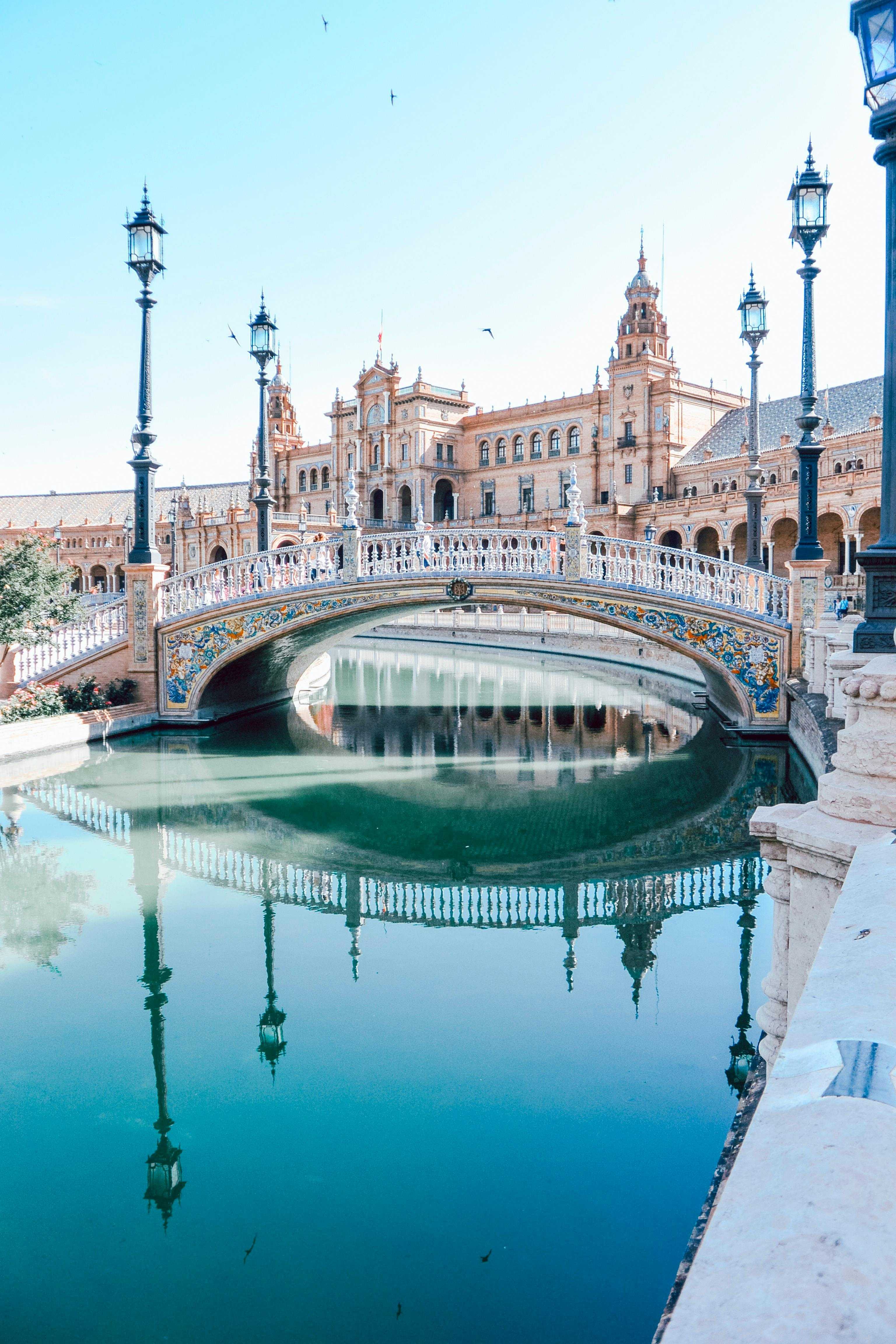
Historical Sites: Andalusia is home to numerous historical sites such as the Alhambra in Granada, the Mezquita-Catedral in Cordoba, and the Alcazar in Seville. These sites showcase the region's Moorish and Islamic heritage, making them popular attractions for history enthusiasts.
-
Beautiful Architecture: The architecture in Andalusia is a blend of Moorish, Gothic, Renaissance, and Baroque styles, creating a unique and visually appealing landscape. Visitors can admire intricate tile work, ornate courtyards, and grand cathedrals throughout the region.
-
Cultural Experiences: Andalusia is known for its lively flamenco music and dance, traditional festivals, and delicious cuisine. Travelers can immerse themselves in the local culture by attending flamenco shows, participating in festivals like Feria de Abril in Seville, and sampling traditional dishes such as gazpacho, paella, and tapas.
-
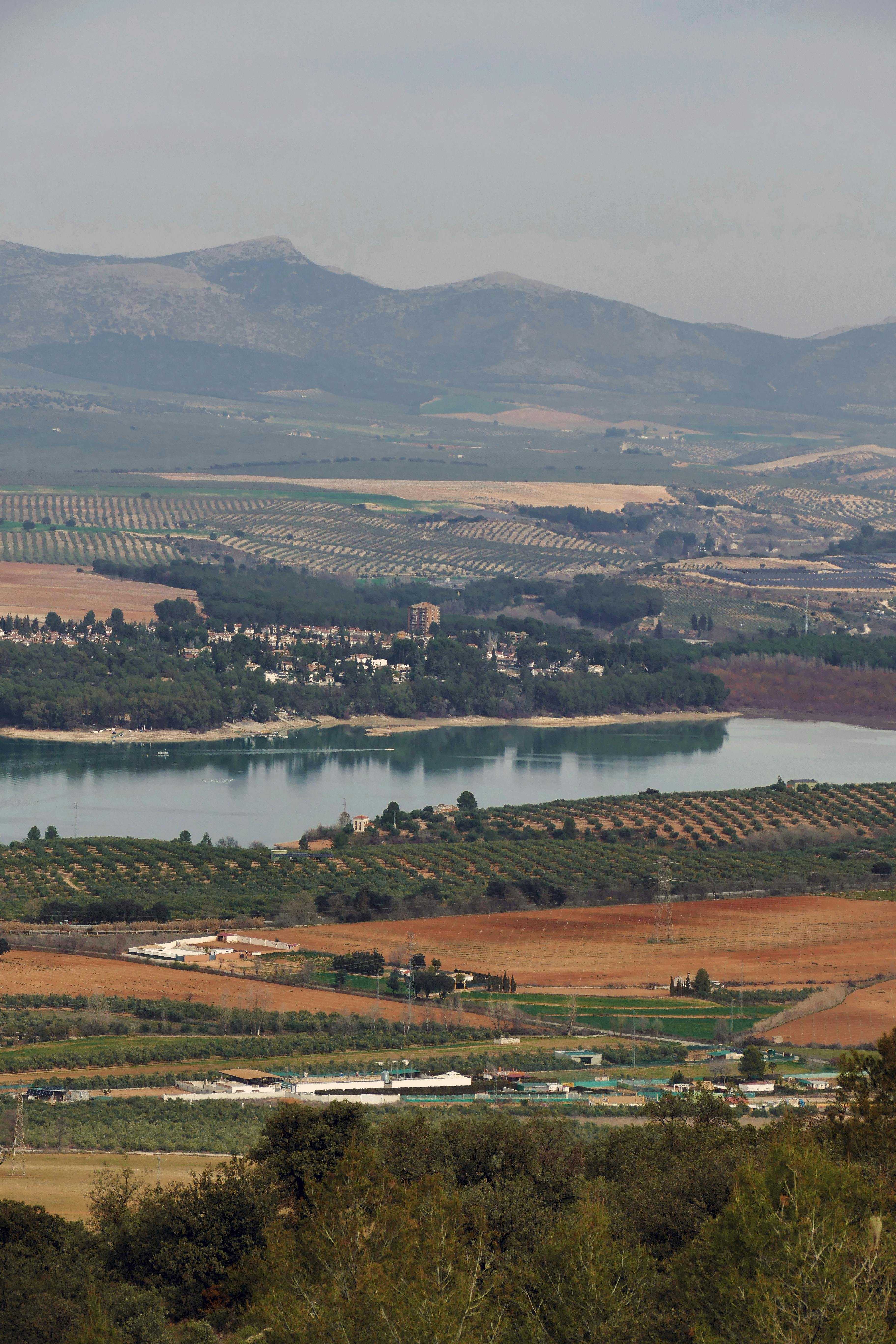
Scenic Landscapes: From the rugged mountains of the Sierra Nevada to the golden beaches of the Costa del Sol, Andalusia offers a diverse range of landscapes for outdoor enthusiasts. Visitors can go hiking in national parks, relax on sandy beaches, or explore charming white-washed villages in the countryside.
-
Mild Climate: Andalusia enjoys a Mediterranean climate with mild winters and hot summers, making it an ideal destination for year-round travel. The region receives plenty of sunshine, making it a popular choice for sun-seekers looking to escape colder climates.
Overall, traveling to Andalusia offers a unique blend of history, culture, architecture, and natural beauty, making it a top destination for travelers seeking a diverse and enriching experience in Spain.
What to know
Some potential cons of traveling to Andalusia, Spain, include:
-
High temperatures: Andalusia can experience very hot temperatures, especially during the summer months. This can make outdoor activities uncomfortable and may require visitors to take extra precautions to stay cool and hydrated.
-
Crowds: Popular tourist destinations in Andalusia, such as Seville, Granada, and Cordoba, can become quite crowded, especially during peak tourist seasons. This can lead to longer wait times at attractions and difficulty finding accommodations.
-
Language barrier: While many people in Andalusia speak English, especially in tourist areas, there may still be some language barriers for English-speaking visitors. Learning a few basic phrases in Spanish can be helpful for navigating everyday interactions.
-
Transportation challenges: While Andalusia has a good transportation network, including buses and trains, getting around rural areas or smaller towns may be more challenging. Renting a car may be necessary for exploring some parts of the region.
-
Siesta culture: In Andalusia, like in many parts of Spain, there is a traditional siesta culture where many shops and businesses close for a few hours in the afternoon. This can disrupt sightseeing and shopping plans for visitors who are not accustomed to the schedule.
Overall, these cons are relatively minor compared to the many attractions and experiences Andalusia has to offer, but they are important to consider when planning a trip to the region.
