
Alberta
· CA

Alberta

Alberta, Canada

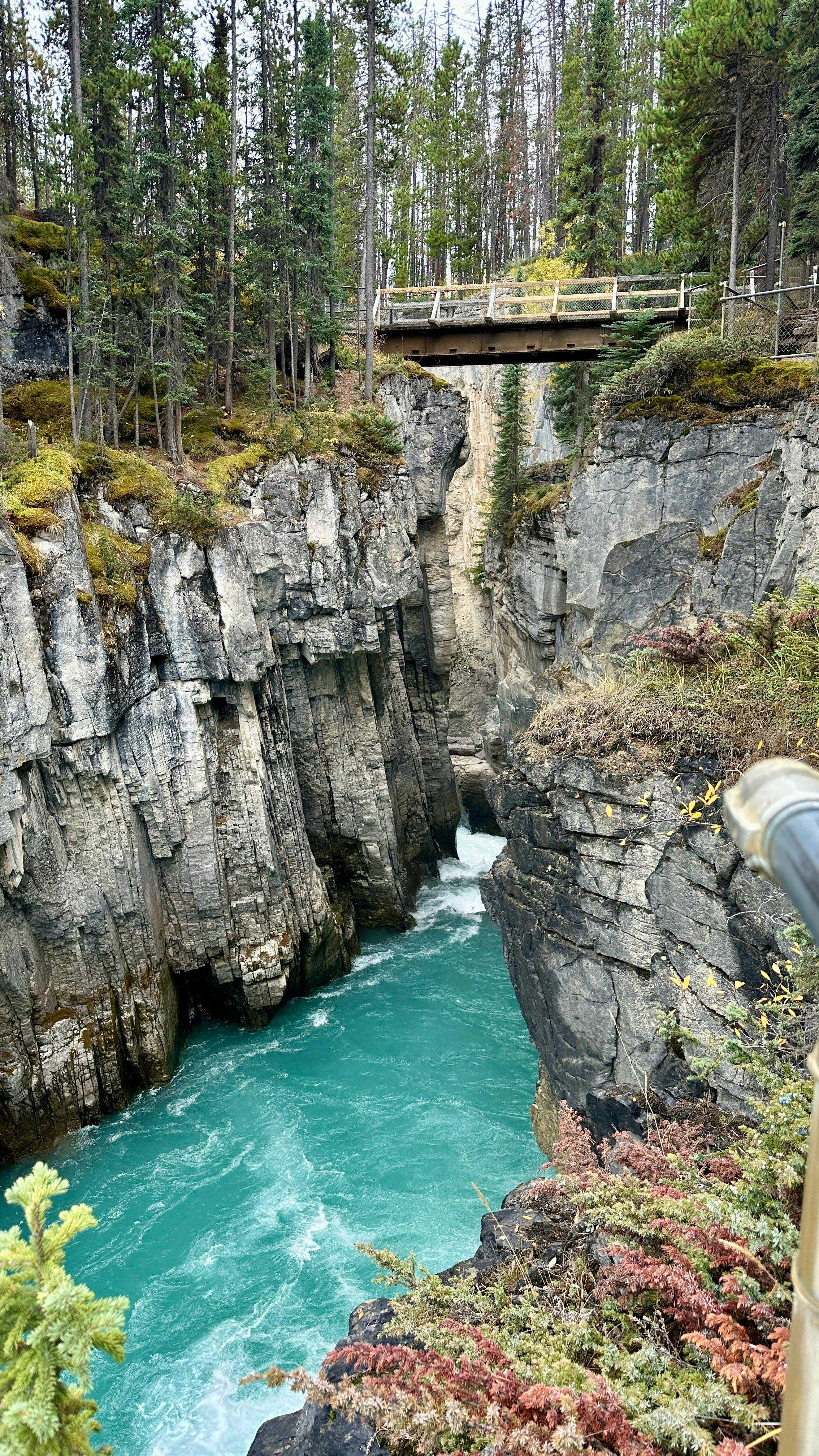
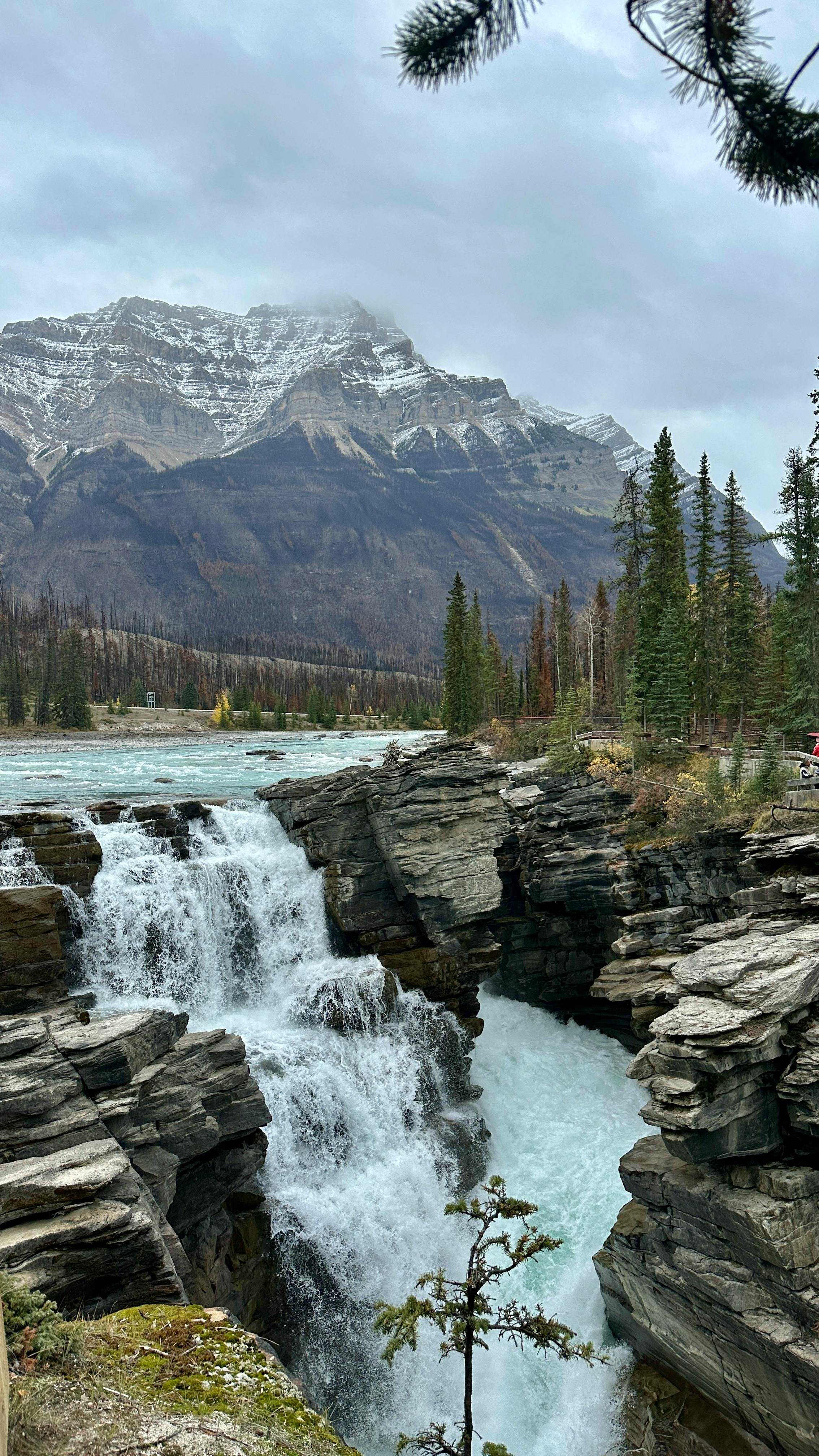
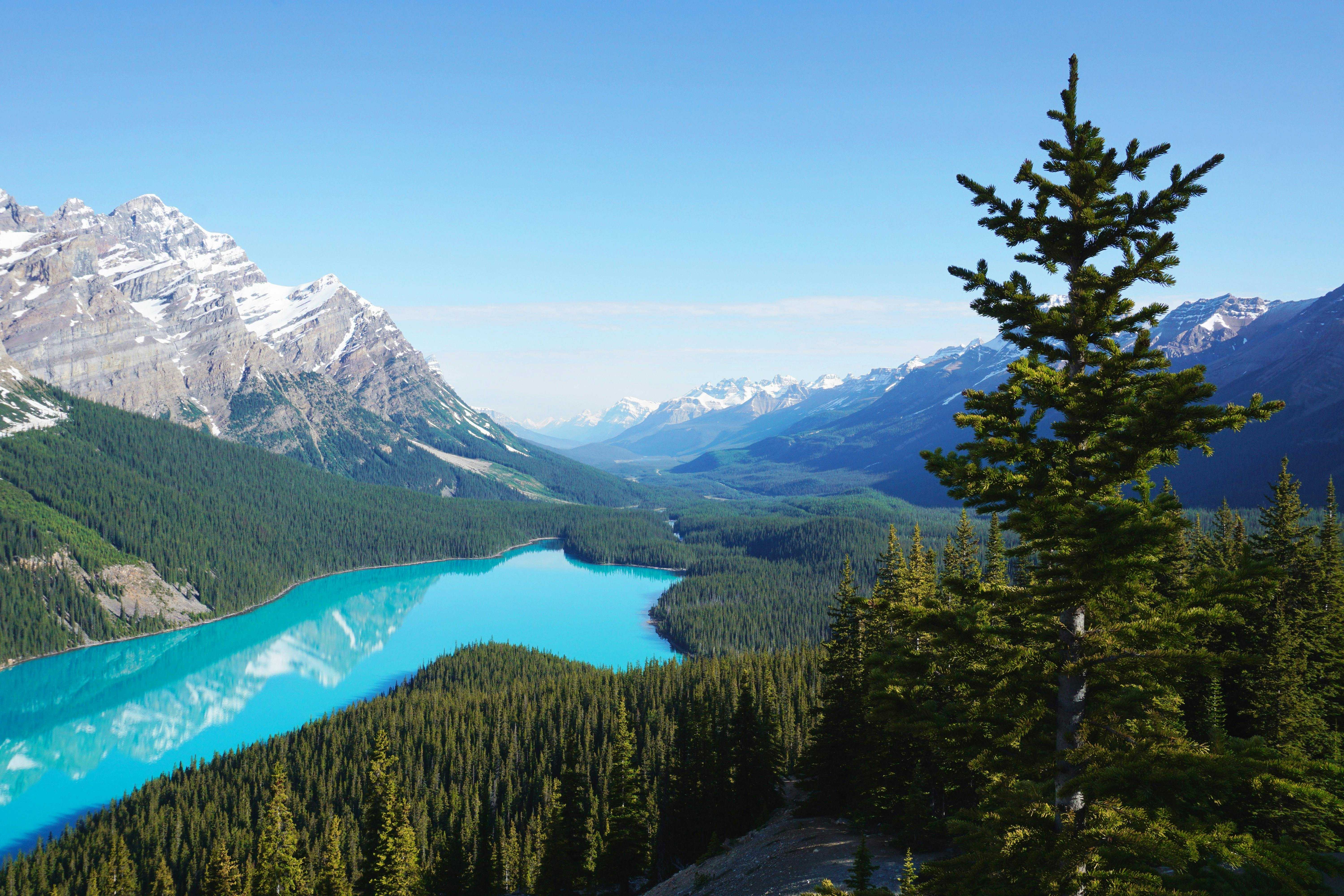
Alberta: Where Adventure Meets Majesty Imagine a place where towering mountains pierce the sky, turquoise glacial lakes shimmer in the sun, and vast prairies stretch as far as the eye can see. This is Alberta, Canada's a…

#Alberta#Canada#Rocky Mountains#Oil Sands#Calgary Stampede
1/10

Top hotels & flights

Hand-picked stays and the best fares into Alberta.

Top Hotels in Alberta

Top Flights to Alberta

Popular activities

Tours, tickets and experiences travelers book most in Alberta.

Tours

Banff National Park Visit

Explore the stunning landscapes of Banff National Park with its majestic mountains, serene lakes, and abundant wildlife.

Icefields Parkway Drive

Experience one of the world's most scenic drives through the Rocky Mountains.

Jasper National Park Exploration

Discover the natural beauty of Jasper National Park with its expansive wilderness and diverse wildlife habitats.

Drumheller Dinosaur Discovery

Explore the dinosaur capital of the world with its rich fossil history and attractions.

Shopping

West Edmonton Mall Adventure

Shop and explore one of the largest shopping centers in North America with a plethora of stores and entertainment options.

Outdoor

Calgary Stampede

Attend the annual rodeo and exhibition, known as 'The Greatest Outdoor Show on Earth'.

Waterton Lakes National Park

Visit this lesser-known gem with scenic lakes and an abundance of outdoor activities.

Columbia Icefield Skywalk

Walk along a glass-floored observation platform extending over the Sunwapta Valley.

Location videos

Real reels from travelers, plus longer watches to get the full picture.

Watch & explore

Practical info

The essentials for planning your time in Alberta.

Currency
$ | CAD | Canadian Dollar
Population
4.7 million
Languages
English, English, French

Local guide

What travelers love, what to watch for, and a deeper read on Alberta.

What people love

There are several pros to traveling to Alberta, Canada:

  1. Stunning Natural Beauty: Alberta is known for its breathtaking landscapes, including the majestic Rocky Mountains, pristine lakes, and vast forests. Visitors can enjoy outdoor activities such as hiking, skiing, and wildlife watching in these picturesque surroundings.

  2. Banff National Park: Located in the heart of the Rockies, Banff National Park is a UNESCO World Heritage Site and offers visitors the chance to explore glaciers, hot springs, and stunning mountain vistas. The town of Banff also provides a charming base for exploring the park.

  3. Calgary Stampede: Known as "The Greatest Outdoor Show on Earth," the Calgary Stampede is a world-famous rodeo and festival held annually in July. Visitors can experience cowboy culture, watch exciting rodeo events, and enjoy live music and entertainment.

  4. Diverse Cultural Experiences: Alberta is home to a rich cultural heritage, with vibrant Indigenous communities and diverse immigrant populations. Visitors can explore museums, art galleries, and cultural events to learn more about the history and traditions of the region.

  5. Outdoor Adventure: Alberta offers a wide range of outdoor activities for adventure seekers, including whitewater rafting, rock climbing, zip-lining, and more. The province's diverse landscapes provide ample opportunities for adrenaline-pumping experiences.

Overall, traveling to Alberta offers a unique blend of natural beauty, cultural experiences, and outdoor adventures that will appeal to a wide range of travelers.

What to know

Traveling to Alberta, Canada, particularly to the province of Alberta, has many wonderful aspects but there are some potential cons to consider as well. Here are some details on the cons of traveling to Alberta:

  1. Weather: Alberta is known for its unpredictable weather, with harsh winters and sudden temperature changes. Traveling during the winter months can be challenging due to heavy snowfall and icy conditions, which may disrupt travel plans and activities.

  2. Remote Locations: Some parts of Alberta, especially in the northern regions, are quite remote and may have limited access to amenities and services. Travelers should be prepared for long distances between towns and cities, which can make transportation and logistics more difficult.

  3. Wildlife Encounters: Alberta is home to a diverse range of wildlife, including bears, cougars, and other large animals. While encountering wildlife can be an exciting experience, it also poses certain risks, especially for those unfamiliar with how to safely interact with animals in their natural habitat.

  4. Tourist Crowds: Popular tourist destinations in Alberta, such as Banff National Park and Jasper National Park, can get crowded during peak seasons. This may result in longer wait times, difficulty finding accommodations, and a less peaceful experience in nature.

  5. Cost of Living: Alberta is known for having a higher cost of living compared to other provinces in Canada. Travelers may find that accommodations, dining, and other expenses are more expensive than they anticipated, which could impact their travel budget.

  6. Environmental Concerns: Alberta is also known for its oil and gas industry, which has raised environmental concerns over the years. Travelers who are environmentally conscious may have reservations about supporting industries that have a negative impact on the environment.

Overall, while Alberta offers stunning natural beauty and a wide range of outdoor activities, travelers should be aware of these potential cons to better prepare for their trip and ensure a smooth and enjoyable experience.

Alberta, a province in western Canada, has a rich history that spans thousands of years, from its early Indigenous peoples to its development into a major economic and cultural hub. Here is a detailed overview:

Pre-European Contact

Indigenous Peoples:

  • Alberta has been inhabited for thousands of years by Indigenous peoples, including the Blackfoot Confederacy (comprised of the Siksika, Kainai, and Piikani nations), the Cree, the Dene, the Nakota Sioux, and the Métis.
  • These groups lived off the land, hunting bison and other game, and developed rich traditions and social structures.

European Exploration and Fur Trade

18th Century:

  • The first European contact in the region likely involved French and British fur traders in the late 18th century.
  • Notable explorers include Anthony Henday, who traveled through the area in the 1750s.

19th Century:

  • The Hudson's Bay Company and the North West Company established trading posts, facilitating the fur trade.
  • Fort Edmonton, established in 1795, became a significant trading post and later evolved into the city of Edmonton.

Confederation and Settlement

1870s - 1880s:

  • The Canadian government acquired Rupert's Land, which included present-day Alberta, from the Hudson's Bay Company in 1870.
  • The signing of Treaties 6, 7, and 8 between 1876 and 1899 with Indigenous peoples facilitated European settlement.

1896 - 1914:

  • The Klondike Gold Rush and the completion of the Canadian Pacific Railway spurred further settlement.
  • Land policies attracted immigrants from Europe, the United States, and Eastern Canada.

Provincehood and Early 20th Century

1905:

  • Alberta was established as a province on September 1, 1905, alongside Saskatchewan.
  • Edmonton was chosen as the capital, and Calgary became a major economic center.

Notable Figures:

  • Alexander Cameron Rutherford became Alberta's first Premier.
  • Louise McKinney and Henrietta Muir Edwards, prominent figures in the women's suffrage movement, were part of the Famous Five, who fought for women's rights in Canada.

Economic Development and World Wars

1920s - 1930s:

  • The agricultural economy boomed, but the Great Depression significantly impacted the province.
  • The discovery of oil in Turner Valley in 1914 marked the beginning of Alberta's oil industry.

1947:

  • The Leduc No. 1 oil discovery near Edmonton marked the beginning of Alberta's transformation into an oil-rich province.

Post-War Growth and Modern Era

1950s - 1980s:

  • The oil boom led to rapid economic growth and urban development.
  • The province experienced a diversification of its economy, with investments in education, health care, and infrastructure.

1990s - 2000s:

  • Alberta continued to grow economically, with Calgary and Edmonton becoming major urban centers.
  • The oil sands in northern Alberta became a significant source of oil production.

Recent Developments

2010s - Present:

  • Alberta has faced challenges, including fluctuating oil prices and debates over environmental policies and energy projects.
  • The province remains a leader in energy production, agriculture, and technology.

Important Landmarks

  • Banff National Park: Canada's first national park, established in 1885, known for its stunning landscapes and wildlife.
  • Jasper National Park: Another major park known for its beautiful mountain scenery.
  • Heritage Park Historical Village (Calgary): A living history museum that showcases Alberta's past.
  • Royal Tyrrell Museum (Drumheller): Famous for its paleontological research and extensive collection of dinosaur fossils.

Alberta's history is characterized by diverse cultural influences, economic growth, and natural beauty, making it a unique and vital part of Canada's story.