Albania
· AL

Albania

Albania

Albania: Untamed Beauty and Ancient Echoes on the Adriatic Coast Tucked away in Southeastern Europe, Albania is a land where soaring mountains meet turquoise waters, ancient history whispers in every stone, and vibrant c…

#Europe#Balkans#Tirana#Mediterranean#Mountains
1/12

Top hotels & flights

Hand-picked stays and the best fares into Albania.

Top Hotels in Tirana

Top Flights to Tirana

Popular activities

Tours, tickets and experiences travelers book most in Albania.

Tours

Tirana Sightseeing Tour

Explore Albania’s vibrant capital, visiting historical sites and cultural landmarks.

Berat Castle Visit

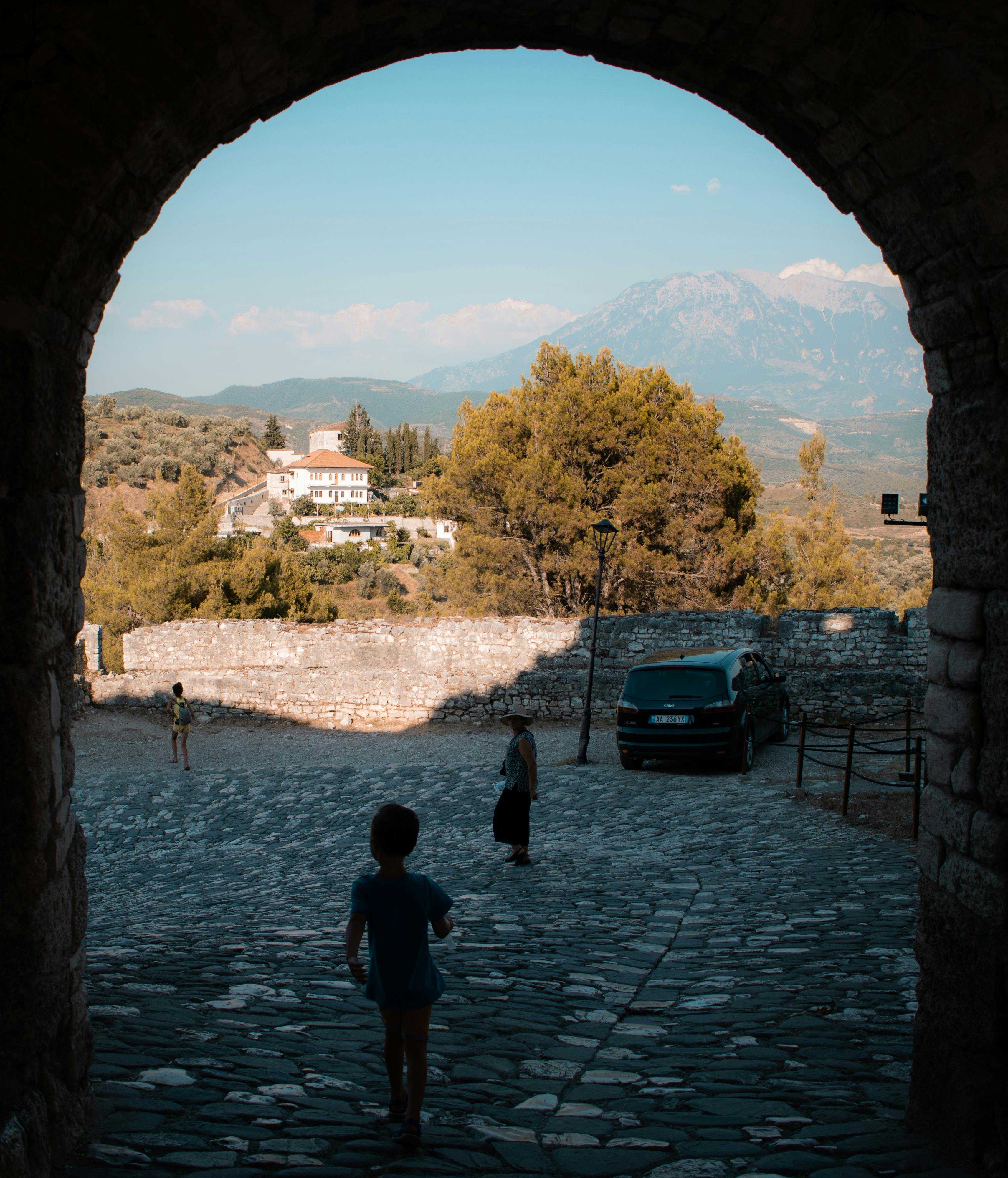
Explore the ancient Berat Castle, a UNESCO World Heritage site.

Krujë Day Trip

Visit the historical town of Krujë, known for its castle and bazaars.

Shopping

Shopping in Blloku

Visit Tirana’s trendy district for shopping, dining, and nightlife.

Outdoor

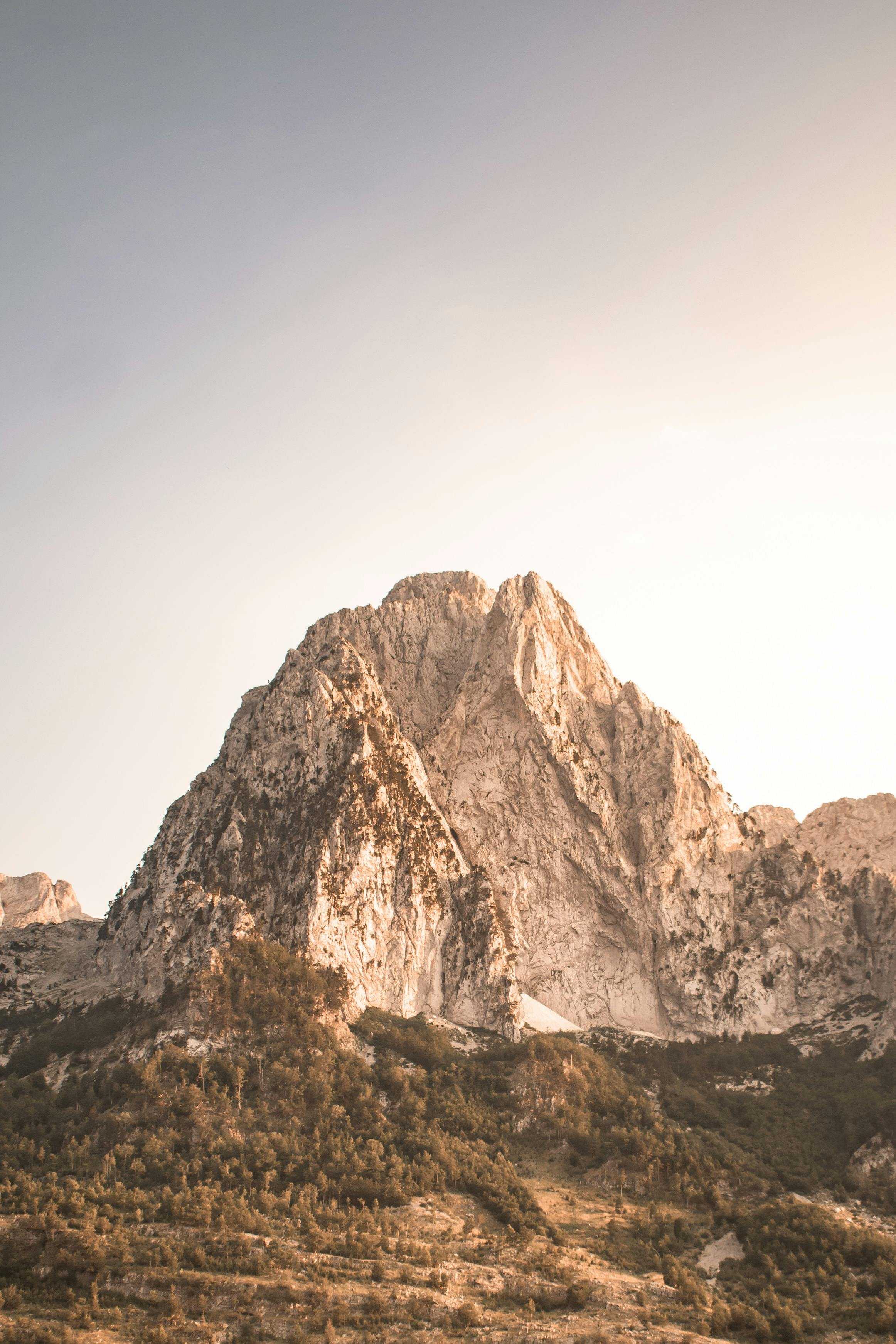
Hiking in the Albanian Alps

Experience breathtaking views and pristine landscapes in the Albanian Alps, perfect for adventure seekers and nature lovers.

Rafting in Vjosa River

Experience the thrill of white-water rafting on one of Europe’s last wild rivers.

Ohrid Reefs Snorkeling

Dive into the crystal-clear waters of Lake Ohrid and discover its underwater beauty.

Location videos

Real reels from travelers, plus longer watches to get the full picture.

From travelers
Watch & explore

Practical info

The essentials for planning your time in Albania.

Currency
L | ALL | Albanian Lek
Population
The approximate estimated total population of Albania is 2.8 million.
Languages
Albanian, Albanian, Greek, Macedonian
Average weather
Albania
Jan
rain
9°1°
Feb
rain
11°2°
Mar
rain
14°4°
Apr
cloud
18°7°
May
sun
23°11°
Jun
sun
28°15°
Jul
hot
31°18°
Aug
hot
31°18°
Sep
sun
27°15°
Oct
cloud
21°11°
Nov
rain
15°6°
Dec
rain
11°3°

Local guide

What travelers love, what to watch for, and a deeper read on Albania.

What people love

Albania is a beautiful country located in Southeastern Europe, known for its stunning landscapes, rich history, and unique culture. Some of the pros of traveling to Albania include:

  1. Affordable travel destination: Albania is known for being a budget-friendly travel destination compared to other European countries. Accommodation, food, and transportation tend to be more affordable, making it a great option for travelers on a budget.

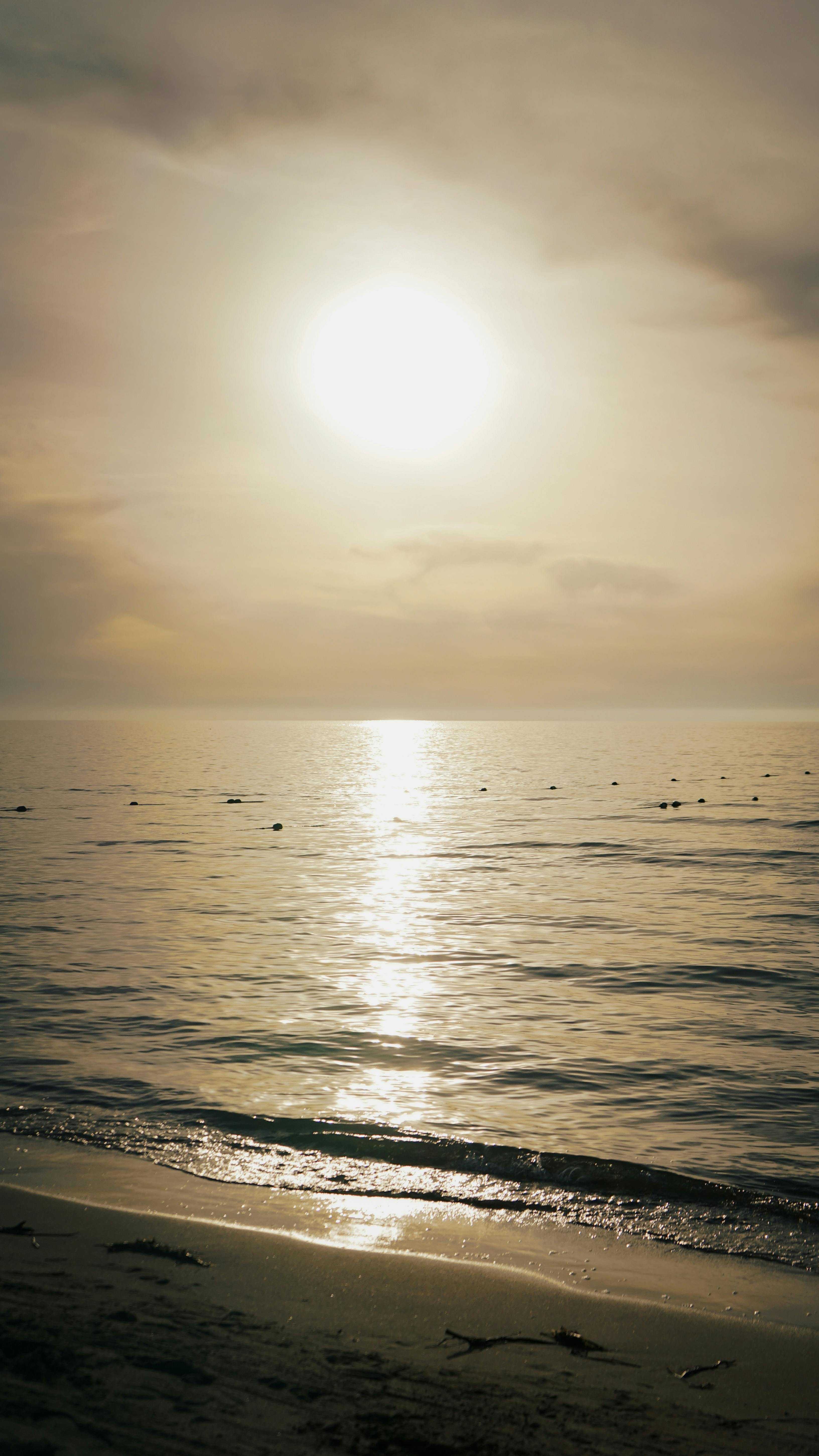
  2. Beautiful beaches: Albania has a stunning coastline along the Adriatic and Ionian Seas, with crystal-clear waters and picturesque beaches. Places like Ksamil, Dhermi, and Saranda offer visitors the opportunity to relax on pristine beaches and enjoy the Mediterranean climate.

  3. Rich history and cultural heritage: Albania has a fascinating history influenced by various civilizations, including the Illyrians, Greeks, Romans, and Ottomans. Visitors can explore ancient ruins, Ottoman-era architecture, and traditional Albanian villages to learn about the country's cultural heritage.

  4. Scenic landscapes: Inland Albania is characterized by rugged mountains, lush forests, and picturesque lakes. The Albanian Alps in the north and the UNESCO-listed Ohrid Lake in the south are popular destinations for nature lovers and outdoor enthusiasts.

  5. Warm hospitality: Albanians are known for their warmth and hospitality towards visitors. Travelers can experience traditional Albanian hospitality by staying in guesthouses, trying local cuisine, and interacting with locals.

Overall, traveling to Albania can offer a unique and authentic experience for those looking to explore a lesser-known European destination.

I hope you find this information helpful!

What to know

Traveling to Albania, like any destination, has its pros and cons. Here are some potential cons to consider when visiting Albania:

  1. Infrastructure: Albania's infrastructure is still developing in some areas, which can lead to issues with transportation, road conditions, and public services.

  2. Language barrier: While many Albanians speak English, especially in tourist areas, the language barrier can still be a challenge in more remote or less touristy locations.

  3. Safety concerns: While Albania is generally considered safe for tourists, petty crime such as pickpocketing can occur in crowded areas. It's important to remain vigilant and take necessary precautions.

  4. Limited tourist facilities: In some parts of Albania, especially outside major cities, you may find limited tourist facilities such as hotels, restaurants, and tourist services.

  5. Environmental concerns: Some areas in Albania may have issues with pollution, litter, or inadequate waste management. It's important to be mindful of the environment and practice responsible tourism.

Overall, Albania is a beautiful country with a rich history and stunning landscapes, but like any destination, it's important to be aware of potential challenges and plan accordingly.

Albania, located in the Balkan Peninsula in Southeast Europe, has a rich and complex history shaped by various cultures and empires. Here is a detailed history of Albania, highlighting significant events, historical figures, and landmarks.

Ancient and Medieval Periods

  • Illyrian Tribes: The region that is now Albania was originally inhabited by Illyrian tribes. These tribes spoke the Illyrian language and were known for their warrior culture.

  • Roman and Byzantine Rule: By the 2nd century BC, the Romans conquered the Illyrians, and the area became part of the Roman Empire. After the division of the Roman Empire, Albania became part of the Byzantine Empire.

  • Medieval Principalities: During the medieval period, the area was divided into several principalities, including the Principality of Arbanon. The region witnessed frequent conflicts and the rise of local feudal lords.

Ottoman Period

  • Ottoman Conquest: The Ottoman Empire began its conquest of Albania in the late 14th century, and by the early 15th century, most of the Albanian territories were under Ottoman control.

  • Skanderbeg: One of the most significant figures in Albanian history is Gjergj Kastrioti, known as Skanderbeg. He led a rebellion against the Ottoman Empire from 1443 to 1468, successfully resisting Turkish forces for over two decades. Skanderbeg is celebrated as a national hero.

19th and Early 20th Century

  • National Awakening: The 19th century saw the rise of the Albanian National Awakening, a movement aimed at promoting Albanian culture and seeking independence from the Ottoman Empire.

  • Independence: Albania declared its independence from the Ottoman Empire on November 28, 1912, in Vlorë. This was a critical moment in Albanian history and is celebrated annually as Independence Day.

World Wars and Communist Era

  • World War I and II: During World War I, Albania was occupied by several foreign powers. In World War II, it was occupied by Italy in 1939 and later by Nazi Germany.

  • Communist Regime: After World War II, Albania became a communist state under the leadership of Enver Hoxha. His regime was marked by isolationism, a strict adherence to communist ideology, and extensive state control over all aspects of life.

  • Hoxha's Rule: Enver Hoxha ruled Albania with an iron fist from 1944 until his death in 1985. His policies led to Albania becoming one of the most isolated countries in the world.

Post-Communist Era

  • Transition to Democracy: The fall of communism in Eastern Europe in the early 1990s led to the collapse of Hoxha's regime. Albania transitioned to a democratic system and held its first multi-party elections in 1991.

  • Economic and Political Challenges: The post-communist period was marked by economic difficulties, political instability, and social unrest. The 1997 Albanian civil unrest was a significant crisis resulting from the collapse of pyramid schemes.

  • Integration into Europe: In recent years, Albania has sought closer integration with Europe. It became a member of NATO in 2009 and is a candidate for European Union membership.

Important Landmarks

  • Butrint: An ancient city and UNESCO World Heritage site, Butrint has been inhabited since prehistoric times and has remains from the Greek, Roman, Byzantine, and Ottoman periods.

  • Krujë Castle: A historical site associated with Skanderbeg, located in the town of Krujë. The castle houses the Skanderbeg Museum, dedicated to the national hero.

  • Berat and Gjirokastër: These historic towns are known for their well-preserved Ottoman architecture and are also UNESCO World Heritage sites.

  • Tirana: The capital city of Albania, featuring landmarks such as Skanderbeg Square, the Et'hem Bey Mosque, and the National History Museum.

Albania's history is characterized by its resilience and ability to maintain its cultural identity despite foreign domination and internal challenges. Today, it continues to develop and integrate with the wider European community.