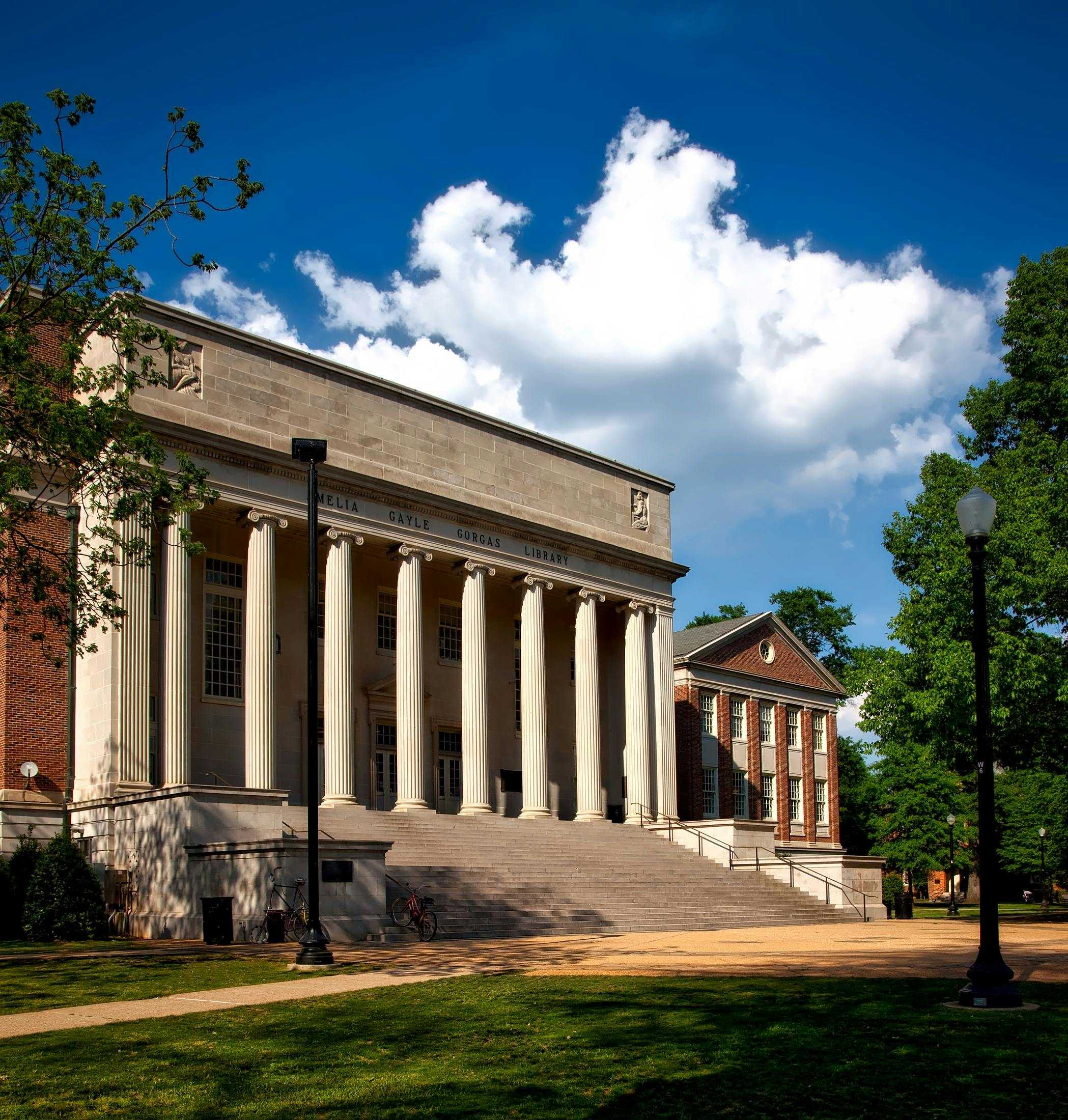


Alabama
· US

Alabama

Alabama, United States

Alabama: Sweet Home Charm and Southern Soul Step into Alabama, a state brimming with soul-stirring history, vibrant culture, and natural beauty. Whether you're drawn to the echoes of the Civil Rights Movement, crave outd…

#Southern United States#Birmingham#Montgomery#Cotton fields#Civil Rights Movement
1/13

Top hotels & flights

Hand-picked stays and the best fares into Alabama.

Top Hotels in Alabama

Top Flights to Alabama

Location videos

Real reels from travelers, plus longer watches to get the full picture.

From travelers

Practical info

The essentials for planning your time in Alabama.

Currency
$ | USD | US Dollar
Population
5.1 million
Languages
English, English

Local guide

What travelers love, what to watch for, and a deeper read on Alabama.

What people love

Traveling to Alabama offers a variety of attractions and experiences that make it an interesting destination. Here are some of the pros of visiting Alabama:

  1. Rich History: Alabama is steeped in American history, particularly regarding the Civil Rights Movement. Key sites include the Birmingham Civil Rights Institute, the Edmund Pettus Bridge in Selma, and the Rosa Parks Museum in Montgomery. These sites offer a deep and educational exploration of the struggle for civil rights in the United States.

  2. Cultural Experiences: Alabama has a rich cultural heritage with influences from Native American, African American, and European American traditions. Visitors can enjoy Southern hospitality, traditional music such as blues and country, and delicious Southern cuisine.

  3. Natural Beauty: The state offers diverse landscapes, from the white sandy beaches of the Gulf Shores to the Appalachian Mountains in the north. Outdoor enthusiasts can enjoy hiking, fishing, and camping in places like the Talladega National Forest and Little River Canyon.

  4. Beach Destinations: The Gulf Coast of Alabama, particularly areas like Gulf Shores and Orange Beach, offers beautiful beaches with opportunities for relaxation, water sports, and fresh seafood.

  5. Festivals and Events: Alabama hosts numerous festivals and events throughout the year, such as the Hangout Music Festival in Gulf Shores, the National Shrimp Festival, and Mardi Gras celebrations in Mobile, which is the oldest annual Carnival celebration in the United States.

  6. Sports and Entertainment: Alabama is passionate about college football, with the University of Alabama and Auburn University having strong sports traditions. Visitors can experience the excitement of college football games. Additionally, there are motorsport events like those held at the Talladega Superspeedway.

  7. Affordable Travel: Compared to many other U.S. destinations, Alabama can be more affordable in terms of accommodation, dining, and attractions, making it a budget-friendly option for travelers.

  8. Southern Hospitality: Alabama is known for its welcoming and friendly people, often referred to as "Southern hospitality," which can make visitors feel at home and enhance their travel experience.

Overall, Alabama offers a mix of history, culture, nature, and entertainment that appeals to a wide range of travelers.

What to know

Some potential cons of traveling to Alabama may include:

  1. Weather: Alabama experiences hot and humid summers, which can be uncomfortable for some travelers. Additionally, the state is prone to severe weather events such as tornadoes and hurricanes.

  2. Limited public transportation: Alabama is primarily a car-dependent state, so getting around can be challenging without access to a personal vehicle.

  3. Limited cultural attractions: While Alabama does have a rich history and cultural heritage, some travelers may find that the state lacks the same level of cultural attractions and amenities as larger cities or states.

  4. Limited outdoor activities: While Alabama does offer outdoor activities such as hiking, fishing, and boating, some travelers may find that the state has fewer outdoor recreational opportunities compared to other destinations.

  5. Limited dining options: While Alabama does have a thriving culinary scene, some travelers may find that the state has fewer dining options compared to larger cities or states.

It's important to note that these potential cons may vary depending on individual preferences and interests. Additionally, Alabama is a diverse state with many unique attractions and experiences to offer travelers.

Alabama, a state located in the southeastern region of the United States, has a rich and complex history characterized by significant events, influential historical figures, and notable landmarks.

Early History and Native American Influence

  • Pre-Colonial Period: The area that is now Alabama was originally inhabited by various Native American tribes, most notably the Cherokee, Chickasaw, Choctaw, and Creek peoples. Their cultures and societies were well-established long before European settlers arrived.

European Exploration and Settlement

  • 16th Century: The first European to explore Alabama was the Spanish explorer Hernando de Soto in 1540. His expedition marked one of the earliest European incursions into the southeastern United States.
  • 17th and 18th Centuries: French, British, and Spanish claims to the region led to various settlements and trading posts. The French established the first European settlement in Alabama at Fort Louis de la Mobile in 1702.

American Expansion and Statehood

  • Early 19th Century: Following the American Revolution, Alabama became a focus of settlement by American settlers. The push for more land led to conflicts with Native American tribes, particularly during the Creek War (1813-1814), which was part of the larger conflict known as the War of 1812.
  • 1819: Alabama was admitted to the Union as the 22nd state on December 14.

Civil War and Reconstruction

  • Civil War (1861-1865): Alabama was a key Confederate state during the American Civil War. Montgomery, Alabama, served as the first capital of the Confederacy. Notable battles in Alabama included the Battle of Mobile Bay.
  • Post-War Reconstruction: The Reconstruction era was a tumultuous time in Alabama, marked by efforts to rebuild and integrate formerly enslaved people into society, along with significant social and political upheaval.

Civil Rights Movement

  • Mid-20th Century: Alabama was a central stage for the Civil Rights Movement. Key events included the Montgomery Bus Boycott (1955-1956), led by figures such as Rosa Parks and Dr. Martin Luther King Jr., and the Selma to Montgomery marches (1965), which were pivotal in the push for voting rights for African Americans.

Significant Historical Figures

  • George Wallace: The controversial governor known for his pro-segregation stance during the 1960s.
  • Rosa Parks: Her refusal to give up her seat on a Montgomery bus became a catalyst for the Civil Rights Movement.
  • Hank Williams: A legendary country music singer and songwriter from Alabama.

Landmarks and Cultural Sites

  • USS Alabama Battleship Memorial Park: A museum in Mobile featuring the World War II battleship USS Alabama.
  • Birmingham Civil Rights Institute: A cultural and educational research center that depicts the struggles of the Civil Rights Movement.
  • Edmund Pettus Bridge: A National Historic Landmark in Selma, significant for its role in the Selma to Montgomery marches.

Modern Developments

  • 21st Century: Alabama continues to grow and evolve, balancing its historical heritage with modern economic developments, particularly in industries such as aerospace, finance, and biotechnology.

Alabama's history is deeply intertwined with the broader narrative of the United States, especially in terms of its role in the Civil War and the Civil Rights Movement. Its cities, landmarks, and cultural institutions continue to reflect its rich and diverse heritage.