
Aichi
· JP

Aichi

Aichi, Japan

Aichi Prefecture, located in central Japan, is a vibrant blend of history, culture, and modernity. Home to the bustling metropolis of Nagoya, the prefecture boasts a rich samurai heritage, evident in the majestic Nagoya …

#Prefecture#Central Japan#Industrial hub#Cultural landmarks#Toyota headquarters
1/7

Top hotels & flights

Hand-picked stays and the best fares into Aichi.

Top Hotels in Aichi

Top Flights to Aichi

Location videos

Real reels from travelers, plus longer watches to get the full picture.

From travelers

Practical info

The essentials for planning your time in Aichi.

Currency
¥ | JPY | Japanese Yen
Population
7.6 million
Languages
Japanese, Japanese

Local guide

What travelers love, what to watch for, and a deeper read on Aichi.

What people love

Aichi Prefecture, located in central Japan, offers a wide range of attractions and experiences for travelers. Here are some of the pros of traveling to Aichi:

  1. Rich Cultural Heritage: Aichi is home to several historical sites and cultural landmarks, including Nagoya Castle, Atsuta Shrine, and Tokoname Pottery Path. Visitors can immerse themselves in Japan's rich history and traditions.

  2. Culinary Delights: Aichi is known for its delicious local cuisine, including hitsumabushi (grilled eel on rice), miso katsu (deep-fried pork cutlet with miso sauce), and tenmusu (tempura shrimp rice ball). Food lovers will have a great time exploring the local food scene.

  3. Modern Attractions: In addition to its historical sites, Aichi also offers modern attractions such as the Toyota Commemorative Museum of Industry and Technology, LEGOLAND Japan, and the SCMAGLEV and Railway Park. There's something for everyone, from history buffs to tech enthusiasts.

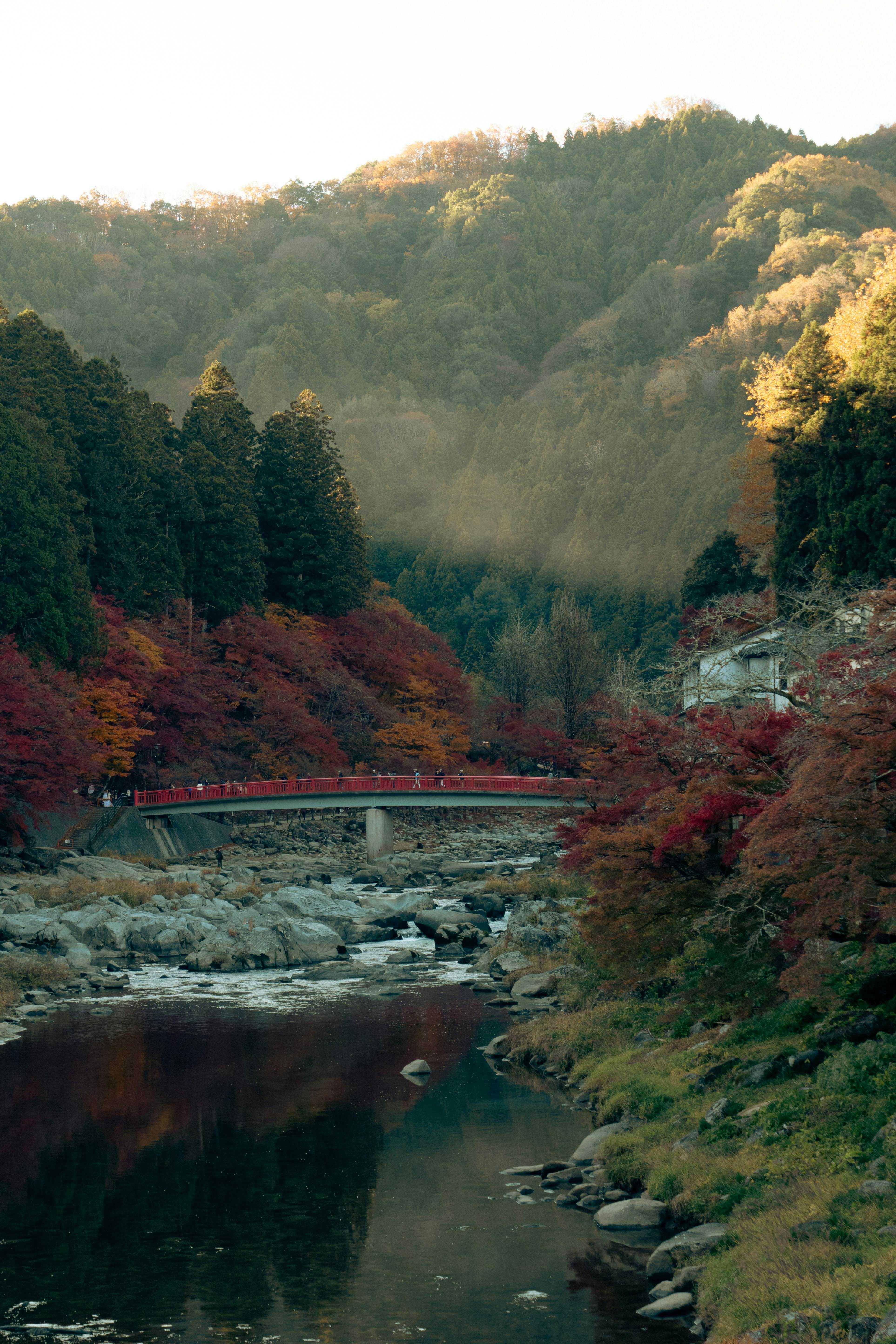
  4. Natural Beauty: Aichi boasts beautiful natural landscapes, including the UNESCO-listed Ise-Shima National Park, the scenic Korankei Gorge, and the picturesque Inuyama Castle. Nature lovers can enjoy outdoor activities like hiking, cycling, and hot spring bathing.

  5. Convenient Location: Aichi is conveniently located in central Japan, making it easy to access from major cities like Tokyo, Osaka, and Kyoto. The prefecture is well-connected by public transportation, including the shinkansen (bullet train) and local trains and buses.

Overall, traveling to Aichi offers a perfect blend of history, culture, cuisine, nature, and modern attractions, making it a fantastic destination for all types of travelers.

What to know

Traveling to Aichi, Japan, located in the Chubu region, has several potential cons that visitors should be aware of:

  1. Weather: Aichi experiences a humid subtropical climate with hot, humid summers and cold winters. Summers can be uncomfortably warm and humid, while winters can be cold and snowy.

  2. Crowds: Aichi is a popular tourist destination, especially during peak travel seasons. Popular attractions such as Nagoya Castle and Toyota Museum can get crowded, leading to long lines and wait times.

  3. Language Barrier: While some residents in Aichi may speak English, the primary language is Japanese. This language barrier can make communication challenging for English-speaking travelers.

  4. Cost of Living: Japan, in general, is known for being an expensive country to visit. Accommodation, transportation, and dining out can be costly in Aichi, especially in touristy areas.

  5. Cultural Differences: Visitors to Aichi may encounter cultural differences that could be challenging to navigate, such as customs, etiquette, and social norms. It's essential to familiarize yourself with Japanese culture before traveling to Aichi.

  6. Natural Disasters: Aichi is prone to natural disasters such as earthquakes, typhoons, and heavy rainfall. Travelers should be aware of the potential risks and have a plan in place in case of emergencies.

Overall, while Aichi offers many attractions and experiences for travelers, it's essential to be prepared for some of the challenges that may arise during your visit.

Aichi Prefecture, located in the Chūbu region of Japan on the main island of Honshu, has a rich and varied history. Its capital is Nagoya, which is one of Japan's major cities. Here is a detailed history of Aichi, along with some of its significant events, historical figures, and landmarks:

Historical Overview:

  1. Ancient and Medieval Periods:

    • Jomon and Yayoi Periods: Archeological evidence shows that Aichi was inhabited during these early periods, with settlements engaged in agriculture and pottery.
    • Kofun Period: Aichi has many kofun, or ancient burial mounds, indicating its significance in this era.
  2. Feudal Era:

    • Sengoku Period (1467–1603): Aichi was a central battleground during the age of warring states.
    • Oda Nobunaga (1534–1582): Born in Owari Province, modern-day Aichi, Nobunaga was a key figure in the unification of Japan.
    • Toyotomi Hideyoshi (1537–1598): Also from Aichi, Hideyoshi was one of Nobunaga's generals and succeeded him, playing a crucial role in unifying Japan.
    • Tokugawa Ieyasu (1543–1616): Although born in Mikawa Province (part of modern Aichi), Ieyasu went on to establish the Tokugawa shogunate, which ruled Japan for over two centuries.
    • Battle of Okehazama (1560): A significant battle where Oda Nobunaga defeated Imagawa Yoshimoto, which marked Nobunaga's rise to power.
  3. Edo Period (1603–1868):

    • During this time, Aichi was split into several domains, with Nagoya becoming a key center due to its strategic location on the Tokaido road.
    • Nagoya Castle: Built by Tokugawa Ieyasu, it became a symbol of the Tokugawa shogunate's power.
  4. Meiji Restoration to Modern Period:

    • The Meiji Restoration saw the modernization of Japan, with Aichi becoming a hub of industrialization.
    • Industrial Growth: Aichi has been a center for automotive and aircraft industries, notably with Toyota's headquarters in the region.

Significant Historical Figures:

  • Oda Nobunaga: A daimyo who initiated the unification of Japan.
  • Toyotomi Hideyoshi: Nobunaga's successor who continued the unification process.
  • Tokugawa Ieyasu: Founder of the Tokugawa shogunate.

Important Landmarks:

  • Nagoya Castle: Originally built in 1612, it is famous for its golden shachihoko (mythical creatures) on the roof.
  • Atsuta Shrine: One of Shinto's most important shrines, housing the sacred sword Kusanagi, one of Japan's three Imperial Regalia.
  • Toyota Commemorative Museum of Industry and Technology: Showcases the history of Toyota and its impact on the region's industrial development.
  • Inuyama Castle: One of Japan's oldest surviving castles, located in Aichi.

Modern Era:

  • World War II: Aichi was heavily bombed due to its industrial capacity.
  • Post-War Recovery: Rapid industrialization post-war, particularly in automotive and electronics.
  • Expo 2005: Aichi hosted a world's fair, emphasizing environmental sustainability and technology.

Aichi's history is a tapestry of military significance, economic transformation, and cultural heritage, making it a vital part of Japan's historical and contemporary landscape.