Edinburgh
City · United Kingdom

Edinburgh

Edinburgh, Edinburgh, City of, United Kingdom

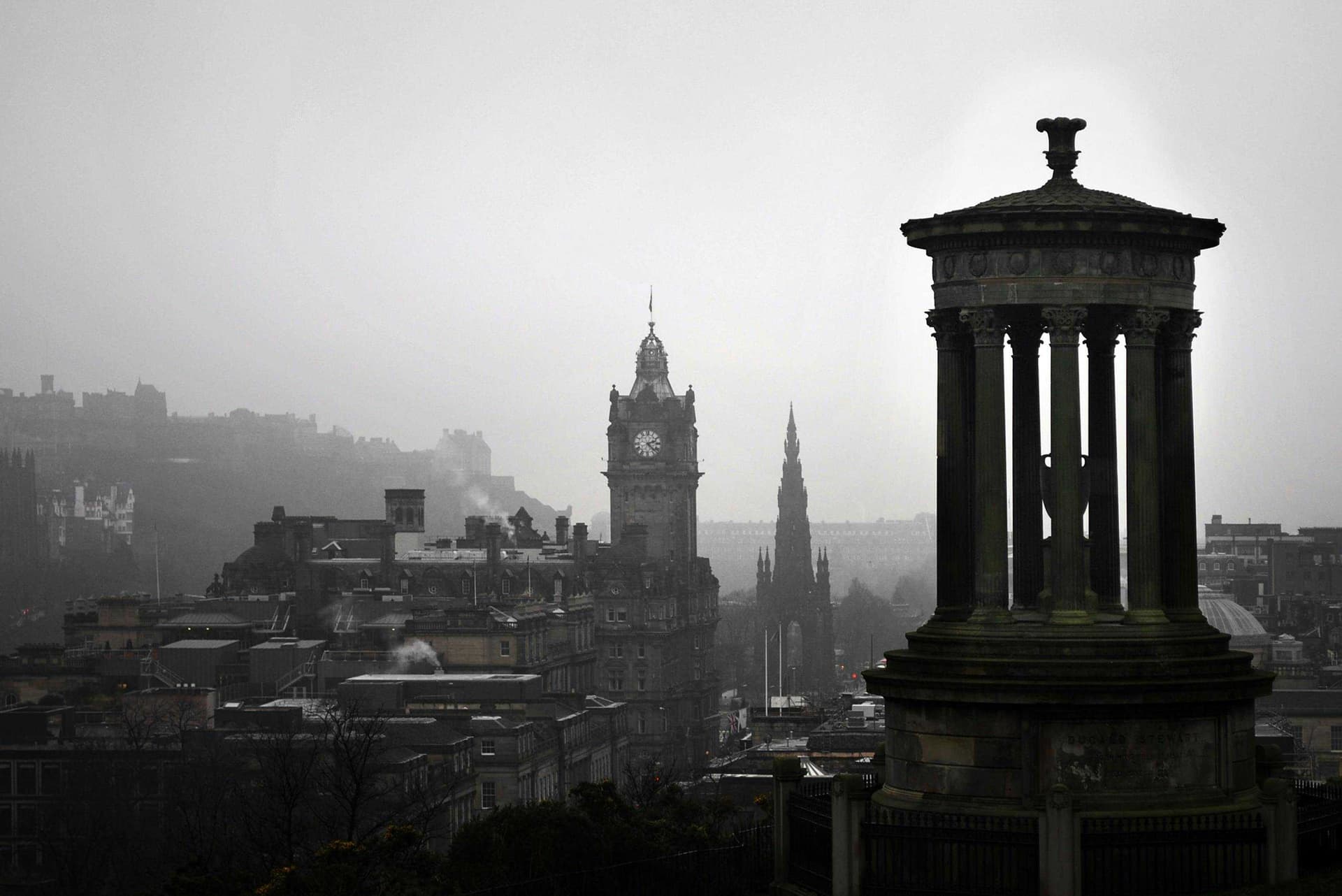
Edinburgh, Scotland's captivating capital, enchants visitors with its unique blend of history, culture, and dramatic natural beauty. Perched atop…

#historic city#capital of Scotland#cultural hub#tourist destination#Edinburgh Castle

Top Hotels in Edinburgh

Top Flights to Edinburgh

Flying from

Top Activities in Edinburgh

Highlights

Things to do in Edinburgh

What travellers talk about most.

Tours

Explore the Royal Mile

Stroll along the historic Royal Mile in the heart of Edinburgh, discovering charming shops, street performers, and historic landmarks.

4.7(25.4k)

Princes Street Gardens

Relax in the beautiful Princes Street Gardens, a public park in the center of Edinburgh.

4.7(27.3k)

Visit the National Museum of Scotland

Explore Scottish history from ancient times to the modern day at the National Museum of Scotland.

4.8(59.7k)

Edinburgh Castle Tour

Visit the historic Edinburgh Castle, an iconic symbol of Scotland's heritage.

4.6(109.6k)GBP 19.5

Royal Mile Walking Tour

Walk along Edinburgh's Royal Mile, exploring historic landmarks and charming shops.

Outdoor

Arthur's Seat Hike

Hike up the iconic Arthur's Seat, the main peak in the group of hills in Edinburgh, Scotland. Enjoy panoramic views of the city.

4.8(5.1k)

Stroll through Princes Street Gardens

Enjoy the lush greenery and scenic views in the heart of Edinburgh.

See it for yourself

Location videos

Reels and longer watches.

Featured for Edinburgh

Traveller clips picked out for this place.

Watch & explore

Good to know

Practical info

Weather, costs and getting around.

Edinburgh, Edinburgh, City of, United Kingdom Open in Google Maps
When to go

Scored from each month’s typical high and its usual conditions.

GoodMixedAvoid
Best monthsMay – Sep
Worth avoidingOct – Nov
November · rainHigh 9°C Low 3°C
Avoid

Edinburgh experiences a temperate maritime climate, characterized by mild to cool temperatures throughout the year. Summers (June to August) are generally mild, with average high temperatures around 19°C (66°F), though it can be cooler and often breezy. Winters (December to February) are cold, with temperatures averaging around 5°C (41°F), and occasionally dipping below freezing. Rainfall is fairly consistent year-round, so expect some rain during your visit and consider bringing a waterproof jacket. The city can be windy due to its coastal location, and the weather can change quickly, so layering is recommended for comfort.

All 12 monthshighs, lows and conditions
Jan
cold
5°0°
Feb
cold
6°0°
Mar
cloud
8°1°
Apr
cloud
11°3°
May
cloud
14°6°
Jun
cloud
17°9°
Jul
cloud
19°11°
Aug
cloud
19°11°
Sep
cloud
17°9°
Oct
rain
13°6°
Nov
rain
9°3°
Dec
cold
6°1°
Currency
£ | GBP | Pound Sterling
Population
548,000 (2022)
Density
1,884 / km²
Local time
Languages
English mainly · Scots, Gaelic, Scottish Gaelic
Budget / day
£80 - £400
Also known as
Dùn Èideann (in Scottish Gaelic), Embra (local colloquial), Edina (historical poetic name), Auld Reekie (local nickname), Athens of the North (historical nickname)

Know before you go

Local guide

A deeper read on Edinburgh.

What people love

Edinburgh is a visually stunning city that seamlessly blends medieval and Georgian architecture. It offers world-class cultural experiences, most notably the Edinburgh Festival Fringe, alongside excellent museums and galleries that are often free to enter. The city is highly walkable, with dramatic natural landscapes like Arthur's Seat right in the center. Visitors can also enjoy a fantastic culinary scene, authentic whisky tasting, and a rich, palpable history at every turn. Its compact size makes it easy to explore, while excellent transport links make it a perfect base for discovering the rest of Scotland.

What to know

The most notable drawback to visiting Edinburgh is its unpredictable weather; rain, wind, and chilly temperatures are common year-round. The city's hilly terrain and cobblestone streets can also be physically demanding and challenging for those with mobility issues. During the summer festival season in August, Edinburgh becomes extremely crowded, leading to inflated accommodation prices and busy attractions. Additionally, the city can be quite expensive overall compared to other UK destinations, and the short daylight hours in winter can limit outdoor sightseeing time.

Edinburgh, the capital city of Scotland, has a rich and storied history that dates back to ancient times. Here's a detailed overview of its history, significant events, historical figures, and important landmarks:

Ancient and Medieval History

  • Early Settlement: Human presence in the Edinburgh area dates back to at least the Bronze Age. The strategic location on Castle Rock attracted settlers for its defensible position.
  • Castle Rock: By the 7th century, the Gododdin, a Celtic tribe, built a hillfort on Castle Rock, which later became the site of Edinburgh Castle.
  • Kingdom of Northumbria: In the early medieval period, Edinburgh was part of the Anglian kingdom of Northumbria.
  • Scotland's Capital: By the 12th century, Edinburgh began to emerge as a significant urban center. It was made a royal burgh by King David I in the early 12th century.

The Middle Ages

  • Edinburgh Castle: The castle became a royal residence and a strategic military stronghold. It played a pivotal role during the Wars of Scottish Independence.
  • Old Town: During the medieval period, the Old Town of Edinburgh began to take shape, with its narrow lanes and closes.
  • Holyrood Abbey: Founded in 1128 by King David I, Holyrood Abbey became a significant religious site.

The Renaissance and Reformation

  • Mary, Queen of Scots: The 16th century saw Edinburgh as the home of Mary, Queen of Scots, who faced troubled reign and imprisonment in the city.
  • John Knox: A leader of the Scottish Reformation, John Knox was instrumental in establishing Presbyterianism in Scotland. St. Giles' Cathedral became a center of Reformation activity.
  • Union of the Crowns: In 1603, the Union of the Crowns under King James VI of Scotland (James I of England) linked Edinburgh more closely with London.

17th and 18th Centuries

  • Civil War and Restoration: Edinburgh was affected by the English Civil War and the subsequent political upheavals. The Castle was besieged and changed hands several times.
  • The Enlightenment: The 18th century saw Edinburgh become a hub of intellectual activity, known as the "Athens of the North." Figures like David Hume and Adam Smith were prominent.

The 19th Century

  • New Town: The New Town was constructed in the late 18th and early 19th centuries, showcasing Georgian architecture. It was designed to provide spacious and elegant living conditions.
  • Industrialization: Edinburgh developed industries such as printing, brewing, and banking, although it remained less industrialized than Glasgow.

The 20th Century and Beyond

  • World Wars: Edinburgh was relatively unaffected by the World Wars compared to other cities, though it still contributed significantly to the war efforts.
  • Festival City: Post-war, Edinburgh became known for its festivals, particularly the Edinburgh International Festival and the Festival Fringe, which began in 1947.
  • Devolution: In 1999, the Scottish Parliament was re-established, and Holyrood became its home, marking a significant step in Scottish self-governance.

Significant Landmarks

  • Edinburgh Castle: A historic fortress that dominates the skyline of the city.
  • Holyrood Palace: The official residence of the British monarch in Scotland.
  • St. Giles' Cathedral: A key site of the Scottish Reformation.
  • The Royal Mile: The historic street connecting Edinburgh Castle and Holyrood Palace.
  • Arthur's Seat: An iconic hill in Holyrood Park offering panoramic views of the city.
  • The Scott Monument: A Victorian Gothic monument to Sir Walter Scott, one of Scotland's greatest authors.

Notable Figures

  • David Hume: Philosopher and central figure of the Scottish Enlightenment.
  • Adam Smith: Economist and author of "The Wealth of Nations."
  • Robert Burns: Famous Scottish poet, though more associated with Ayrshire, he spent significant time in Edinburgh.
  • Walter Scott: Renowned author and historical novelist, who helped popularize Scottish culture.

Edinburgh remains a city steeped in history, culture, and education, continuing to attract visitors and scholars from around the world.

Traveler ratings

How Edinburgh rates

From verified Travafa trips.

4.3
Very good
Based on 3 ratings
Things to Do
4.8
Accommodation Quality
4.5
Local Transportation
4.7
Safety
4.7
Scenic Beauty
4.5
Shopping
4.2
Friendliness of People
4.3
Cleanliness
4.5
Value for Money
3.0
Internet Connectivity
4.8
Good for
100%
Friends
100%
Family
67%
Couple
100%
Solo
0%
Pets

Who is Edinburgh for?

By the travellers who rated it on Travafa. Each page states the places, months and budget for that kind of trip.