Outside the Concrete: Practical Outdoor Walking Routes in Tokyo
How to navigate Tokyo's expansive parklands, bay routes, and quiet morning trails.
Odaiba Seaside Park without the crowd
Catching the 6:30am Yurikamome train from Shimbashi to Odaiba Seaside Park costs 330 yen and puts you on the sand long before the high school trips arrive. Most tourists treat this man-made island as a collection of mega-malls, missing the two-kilometer waterfront trail that wraps around the bay. You get a clear, open view across Rainbow Bridge toward the skyline without fighting for elbow room.
If you come in July or August, the asphalt bakes by midday, so plan to finish your outdoor loop before 10:00am. Water sports operators near the beach launch stand-up paddleboards early in the morning, giving you an angle on the cityscape that feels entirely separated from Tokyo's dense concrete core.
The whole walk from Odaiba-kaihinkōen Station around the northern point of the park takes about 90 minutes if you stop to watch the ferry traffic. Keep in mind that swimming off the beach is strictly forbidden due to water quality standards, so stick to paddling or jogging along the wooden boardwalks.
Shinjuku Gyoen National Garden and the forest path
Taking the south exit out of Shinjuku Station leads straight down to Shinjuku Gyoen National Garden, from JPY 500. Pay the entrance fee at the automated gates and head directly for the traditional Japanese garden section before the tour buses turn up around 10:30am. The 144-acre footprint feels massive, containing distinct French Formal, English Landscape, and traditional Japanese walking zones. Basing yourself near Shinjuku Station makes these early morning entries effortless.
From Shinjuku Gyoen, a 20-minute walk west brings you to the forested approach of a Meiji Shrine Visit. The massive wooden torii gate marks the transition into a dense canopy of 100,000 trees planted during the shrine's construction. The thick shade drops the temperature by a noticeable three degrees on hot summer afternoons.
Give yourself a full three hours to cover both grounds properly. Avoid visiting on Sunday afternoons when local events and heavy foot traffic choke the gravel paths, making a peaceful stroll impossible. Bring cash for the Shinjuku Gyoen entry turnstiles, as card machines occasionally lag during peak morning hours.
Afternoon Spa Retreat after a full day outdoors
After putting twelve miles on your shoes across Tokyo's parks, book an Afternoon Spa Retreat, from JPY 12,000. Japanese bathhouse culture and modern day spas offer targeted muscle recovery that leaves you ready for another day on your feet. Choosing a midday slot between 1:00pm and 3:00pm avoids both the morning rush and the post-work crowd.
Most high-end hotel spas in Roppongi or Marunouchi require reservations at least forty-eight hours in advance, especially on weekends. Expect the full service to last roughly ninety minutes, including thermal soaking pools, herbal steam rooms, and focused foot reflexology treatments designed specifically for walkers.
What most travelers get wrong is rushing out immediately after their treatment back into the subway system. Allocate an extra thirty minutes to rest in the quiet lounge area with green tea to let your body adjust. It is an investment that makes three consecutive days of outdoor urban exploration entirely manageable.
AI-generated impression of Tokyo: Afternoon Spa Retreat, as a visitor would see it
Morning Stroll at Ueno Park towards Nakamise
Starting a Morning Stroll at Ueno Park by 7:00am lets you cross the tree-lined avenues alongside local runners and temple caretakers. Shinobazu Pond forms the western edge, where lotus flowers bloom heavily in July. Skip the central paved plaza and follow the quiet earth trails around the eastern ridge past the pagoda.
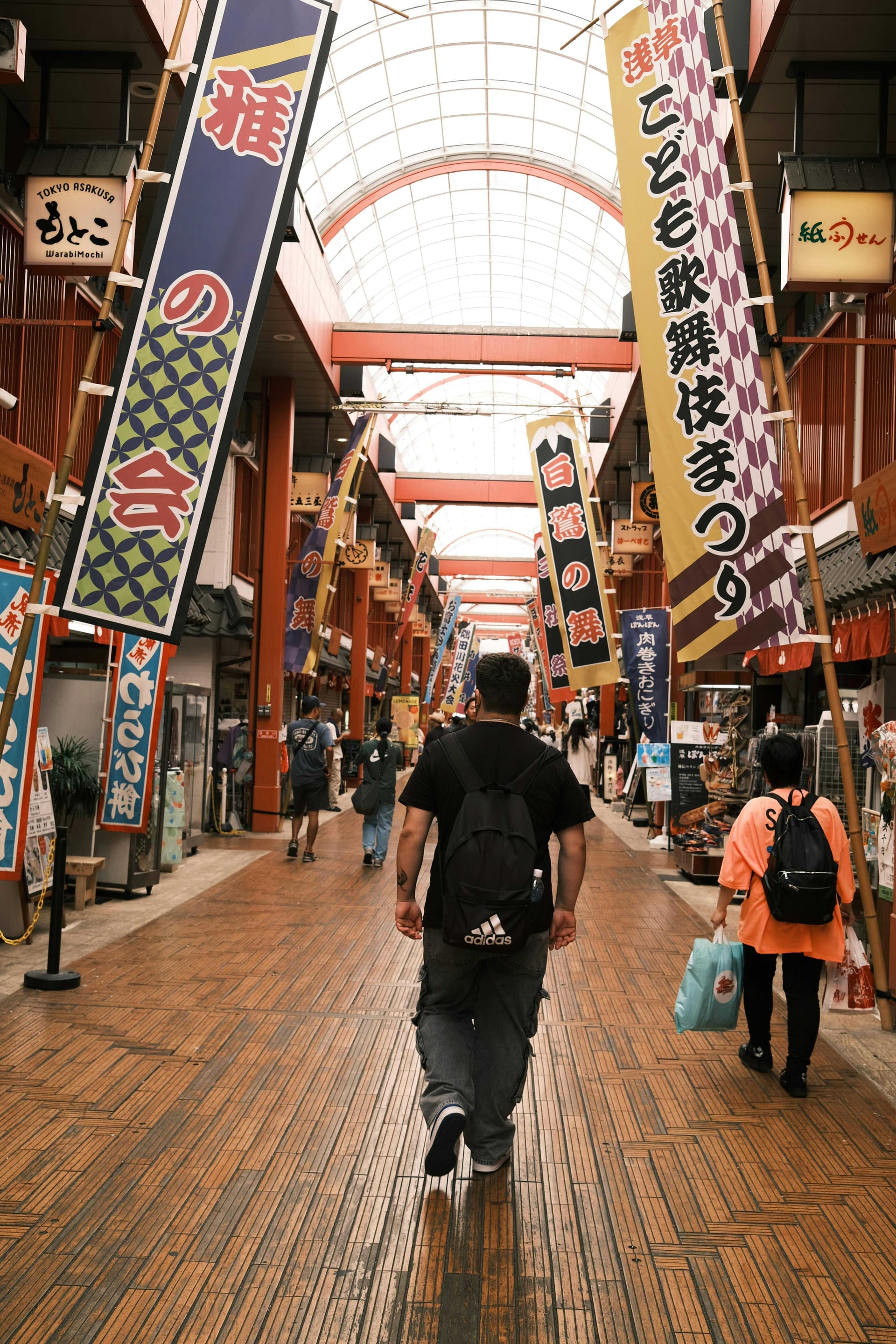
From the park's eastern edge, walk thirty minutes down the low-rise side streets into Asakusa Temple and Nakamise Street. The classic mistake is arriving at noon when Nakamise Street is impassable. By executing your Exploration of Asakusa and Sensō-ji at 8:15am, you can admire the red lantern of Kaminarimon Gate and the main hall before vendor shutters even roll up.
This four-kilometer self-guided walking route costs nothing except a JPY 150 black coffee from a street vending machine along the route. It takes about two and a half hours at a moderate pace, offering a view of old-town Tokyo that modern subways bypass completely.
Ready-made plans
Start a trip to Tokyo
Day-by-day plans built on real bookable activities. Copy one and make it yours.