How to trade heavy traffic for quiet morning tracks and historic greenery
Morning at India Gate before heat builds
Set your alarm for 5:30 am. By 6:00 am, the wide grass lawns surrounding the massive sandstone arch are cool, quiet, and occupied mainly by local runners, cyclists, and stray dogs soaking up the first light. If you show up at noon in May, you will step onto blisteringly hot asphalt, dodging crowds and vendors pushing lukewarm bottled water. Come between October and March when the air carries a crisp nip, and you can comfortably spend two hours looping the gravel paths and watching the city wake up.
Getting here is dead simple: take an auto-rickshaw or ride the Yellow Line metro to Central Secretariat, then walk ten minutes down Rajpath. There is no entrance fee for a Morning at India Gate, though you might spend Rs 20 on a cup of hot chai from a street vendor parked near the trees. Most first-timers make the mistake of staying only on the paved plaza directly under the monument. Walk past the outer perimeter towards the shaded park blocks; that is where the real space opens up for stretch breaks, casual jogging, or a morning coffee while watching parliament staff arrive on bicycles.
Outdoor Adventure at Hauz Khas ruins
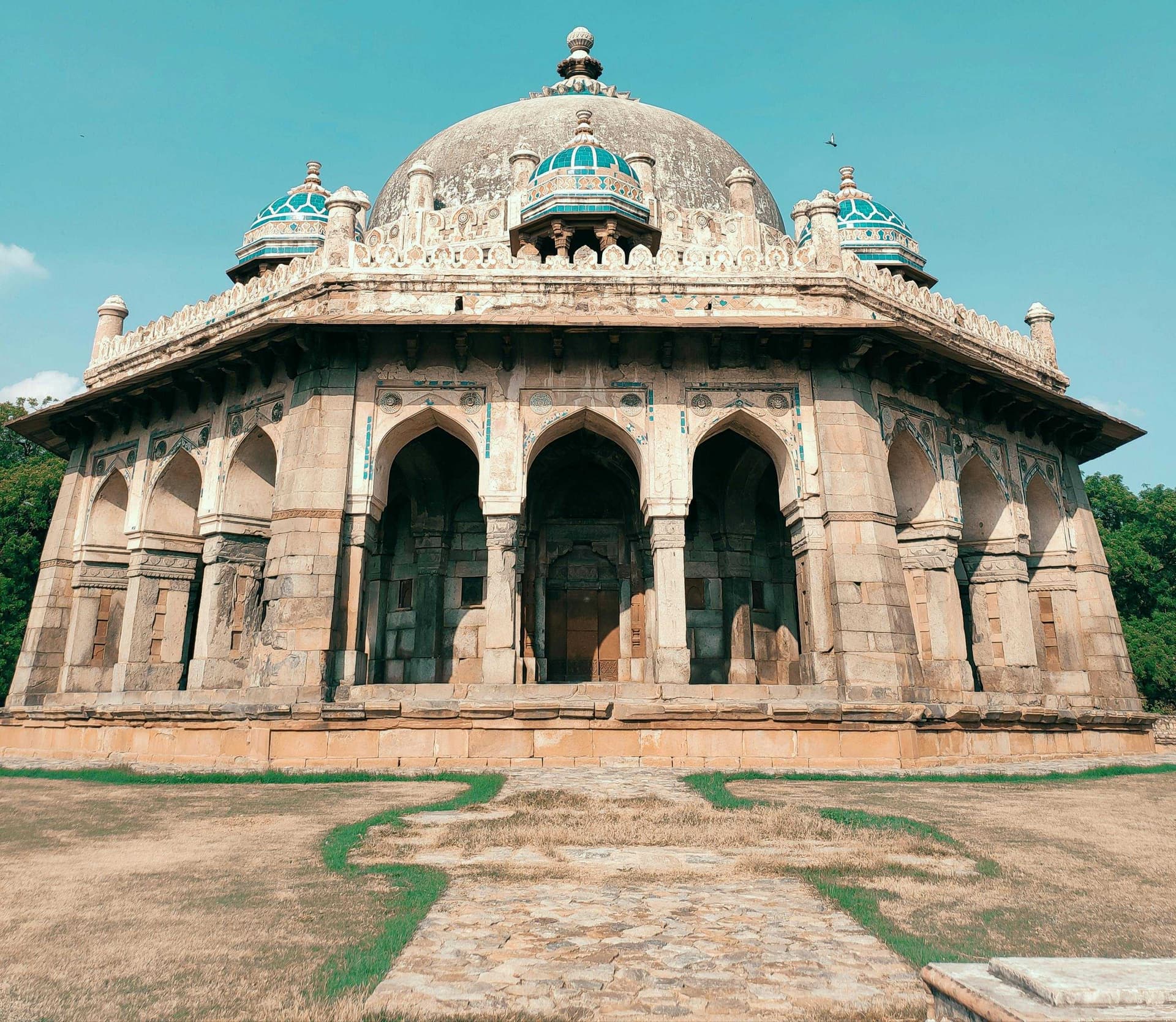
If you want to move beyond paved parks and step into thick foliage, head south to the Deer Park complex. Entry to the park grounds and the adjacent 14th-century reservoir area costs minimal money, while an Outdoor Adventure at Hauz Khas starts from Rs 40. You get direct access to unpaved dirt trails winding around a centuries-old madrasa, a reservoir built during the Khilji dynasty, and dense patches of trees where peacocks roost.
Plan for a two to three hour visit in the late afternoon, around 3:30 pm, so you can explore the wilderness trails before watching the sun drop behind the stone domes. Take the Yellow Line metro to Hauz Khas station or the Magenta Line to IIT Delhi, followed by a short Rs 50 auto-rickshaw ride to the village entrance. The most common error visitors make is sticking strictly to the commercial alleyways of Hauz Khas Village full of cafes and clothing boutiques. Skip the indoor bars until after dark and immediately hit the outer perimeter trail that loops around the lake; it feels worlds away from the city traffic outside.
Lotus Temple Visit and surrounding gardens
A Lotus Temple Visit offers one of the quietest outdoor escapes in the southern part of the city, provided you time it right. The temple sits amid twenty-six acres of terraced gardens, stone walkways, and curved green lawns. It costs nothing to enter the grounds, but keep in mind that the complex is strictly closed on Mondays. The ideal window to arrive is around 8:30 am when the gates open, letting you stroll the outer garden paths before queue lines form for the main sanctuary.
Reach the site by taking the Violet Line metro to Kalkaji Mandir station, which sits less than five hundred meters from the east entry gate. Allow about ninety minutes for a full loop of the manicured grounds and a brief period sitting inside the marble petals. What most visitors get wrong is rushing through the gardens directly into the central hall, waiting in line for forty minutes, and then leaving immediately. Take the perimeter path around the nine surrounding ponds first; the concrete walkways are lined with shady trees and offer peaceful benches away from the main crowd flow.
AI-generated impression of Delhi: Lotus Temple Visit, as a visitor would see it
Morning Visit to Qutub Minar grounds
To explore world-class history without feeling trapped inside a museum building, book a Morning Visit to Qutub Minar, from USD 500 for tailored private arrangements, or grab standard tickets at the gate at sunrise. The complex opens at 7:00 am, and arriving at gate opening gives you roughly ninety minutes of tranquil exploration before tour buses unload. The 73-meter brick minaret sits inside an expansive complex of ruined colonnades, carved red sandstone arches, and manicured lawns that make for an ideal walking route.
Give yourself at least two hours to cover the entire archaeological zone, including the Iron Pillar and the uncompleted Alai Minar. The Yellow Line metro drops you directly at Qutub Minar station, leaving a quick ten-minute walk to the ticket booth. Avoid going on winter weekend afternoons unless you enjoy wading through dense crowds of families. The morning light cuts through the carved sandstone colonnades at a low angle, providing great visibility and comfortable walking temperatures even in the warmer shoulder months of April and September.
Ready-made plans
Start a trip to Delhi
Day-by-day plans built on real bookable activities. Copy one and make it yours.