Outside in Pokhara: Paragliding, Cold Water, and Quick Ridge Trails
How to handle thermals, white water, and high-altitude day walks without losing time.
Flying over the valley without a motor
Most people do not realize launch points matter until they stand at Sarangkot at 10am waiting for thermal winds to kick up. The morning light clears the ridge around 9am, and by midday, dozens of colorful gliders share the sky high above Phewa Lake. Don't fall for operators offering cheap uncertified runs on the street without gear insurance.
A reliable tandem flight like the Paragliding Tandem Flight from Pokhara with Photos and Video runs about 3 hours total and costs from Rs 8,531. That covers your transport up the winding mountain road, a airtime stretch of 20 to 30 minutes, and video clips recorded off a selfie stick. Thermals are most predictable from October through April. Monsoon season from June to August shuts down flights completely due to squalls. Pack a windbreaker even in November, because the upper air cools down fast once you ascend.
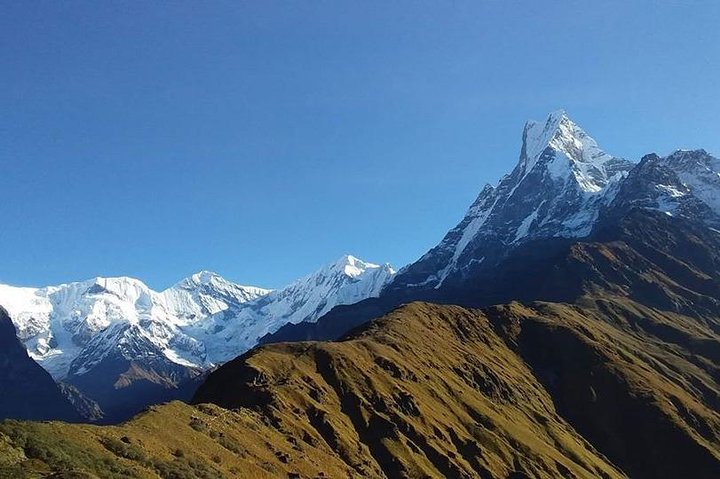
Mardi Himal Base Camp Trek
Cold whitewater on the Upper Seti River
If you only have half a day and want real rapids without spending nine hours sitting on a bus to the Trishuli River, head twenty minutes north of Lakeside to the Upper Seti. It is a tight, cold river powered directly by Annapurna snowmelt. The Half day White water Rafting: Upper seti takes about half a day and starts from Rs 6,093.
You get continuous Class III and IV rapids squeezed into a brief ninety-minute run down the canyon, making it far more intense than longer, flatter river stretches. Most visitors make the mistake of wearing cotton shirts, which stay dripping wet and freezing cold once you splash through the first wave train. Bring synthetic gear and neoprene booties if you have them. October and November yield crisp water clarity and stable levels, while May can get low and scrape your raft along gravel beds.
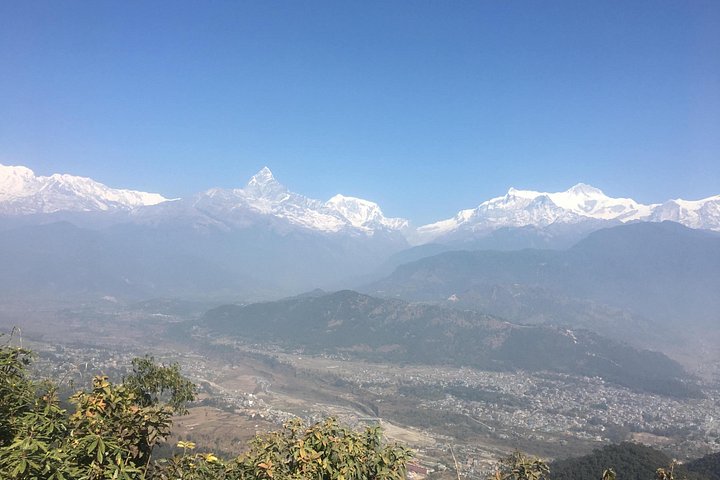
Sarangkot Sunrise Tour
Descending wet waterfalls in the foothills
For something harder on your knees than a standard trail walk, canyoning turns the steep drainages around the valley into personal water slides. You don double-lined 5mm wetsuits, helmets, and climbing harnesses to abseil down slippery rock faces right through gushing water streams. The Chasing Waterfalls in Pokhara Canyoning Experience takes about half a day and is priced from Rs 28,029.
It costs considerably more than a basic lake paddle, but the professional rigging, safety ropes, and transport deep into the ravines explain the price point. The jumps into deep pool basins range from three to eight meters high. If you are squeamish about heights or wet rock, skip this entirely. The ideal window is right after the monsoon recedes in late September when water volume is high enough to cushion landings safely without creating dangerous undertows.
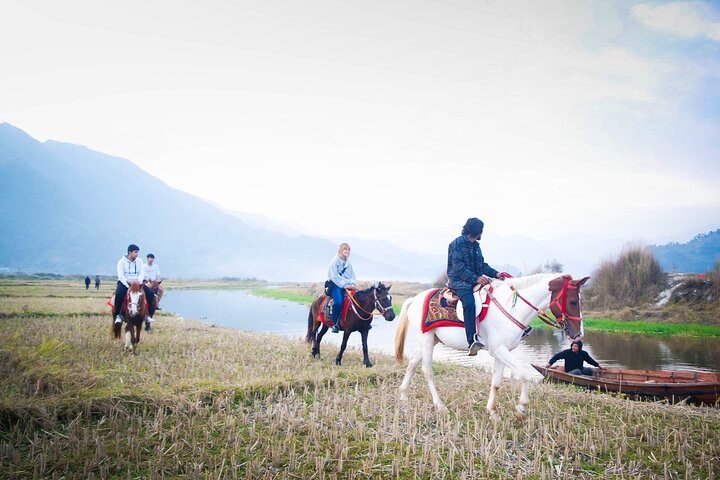
Full Day Horse Riding to Sarangkot in Pokhara
Quick trail escapes up to Australian Camp
Not everyone has two weeks free to tackle the full Annapurna Circuit, but skipping the trails entirely misses the core reason people come to this region. A solid half-day outing is the Australian Camp and Dhampus easy hiking, which takes about half a day and costs from Rs 6,267. A short driver transfer gets you to Kande, where a sharp one-hour staircase climb through oak forests opens onto a grassy ridge at 2,060 meters.
From the ridge, Machhapuchhre sits directly in front of you. What most travelers get wrong is starting too late in the afternoon when clouds regularly roll over the peaks by 1pm. Start from Lakeside by 6am to beat the cloud cover and afternoon heat. If you want a longer multi-day commitment instead, the Mardi Himal Trek 4 Days from Pokhara to Pokhara takes about a full day per leg across four days and costs from Rs 36,437.
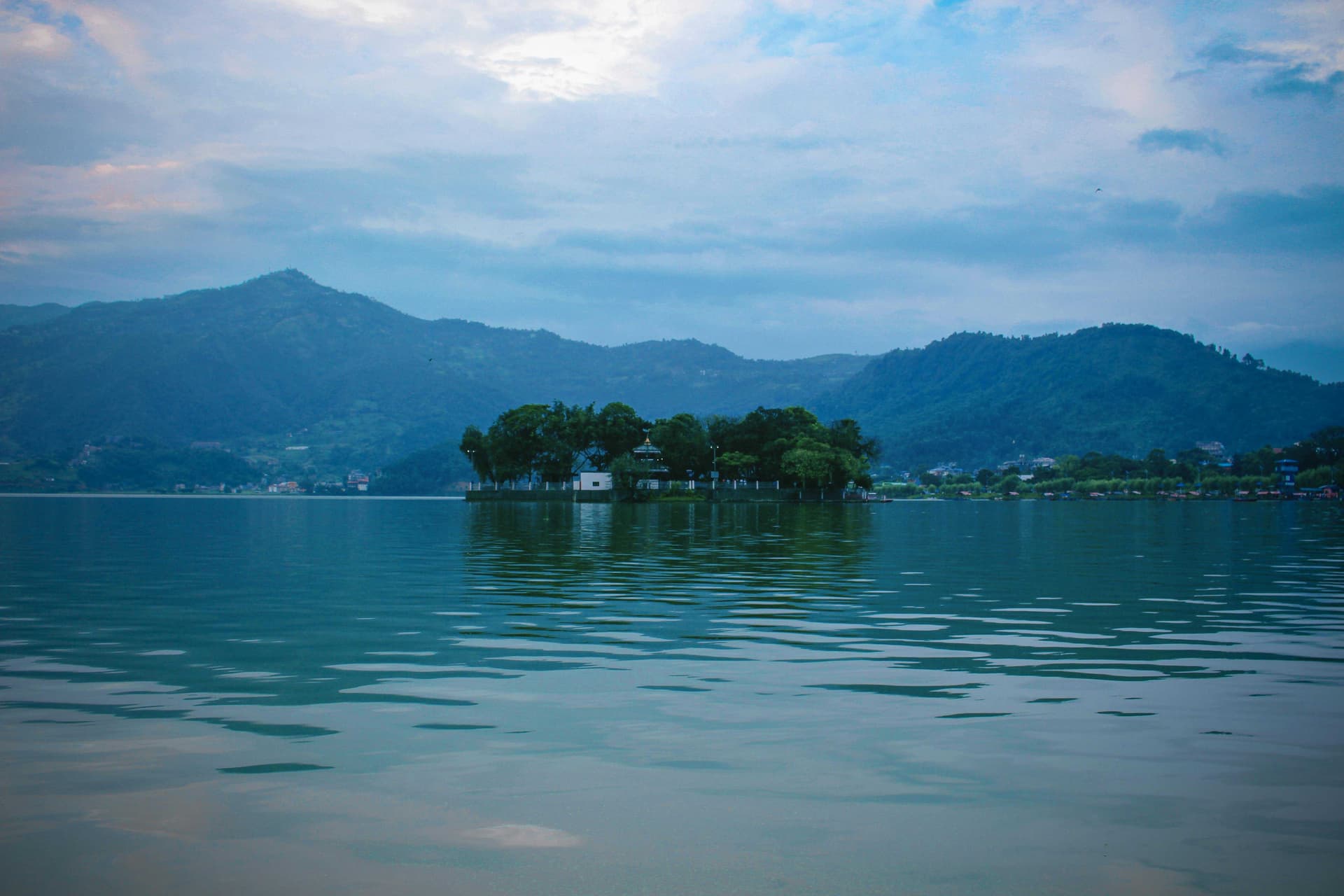
Visit Fewa and Begnas Lake
Ready-made plans
Start a trip to Pokhara
Day-by-day plans built on real bookable activities. Copy one and make it yours.