How to navigate waterfront trails, green parks, and open-air souqs on foot.
The morning walk along the waterfront
Put your shoes on at 6:30am before the Qatari heat settles over the tarmac. The seven-kilometre promenade around Doha Bay, known as the Corniche, is the city's main outdoor artery. In January, the air stays around 20°C in the morning, making it ideal for running or taking a Stroll along the Corniche from the Sheraton hotel down to the dhow harbour. Most tourists make the mistake of coming here at noon when the sun bounces off the water and cooks the pavement; by 10am you will want to be indoors.
As you move south along the curve, you will pass local runners and families drinking tea. The dhow harbour halfway down is where you can pick up a Doha Skyline Boat Tour. Don't pay more than 50 QAR per person for a short 30-minute cruise into the bay; captains will ask for double that if you do not haggle on the wooden pier. A private hire costs around 150 to 200 QAR if you bring a small group.
Water fountains and shaded benches sit every few hundred metres, though public rest spots thin out near the port end. The full walk takes roughly two hours at a brisk pace, longer if you pause to watch the dhows unload or sit for a cold drink at one of the small kiosks along the path.
Shaded green spaces and coastal trails
Doha is a desert city, but it has carved out substantial green spaces for outdoor activity. Aspire Park is the largest, spanning 88 hectares behind the torch-shaped tower in the Al Waab district. Take the Metro Gold Line to Sport City Station for 2 QAR. A Visit Aspire Park trip gives you access to a dedicated five-kilometre running track with soft rubber padding, making it much easier on your knees than the concrete Corniche.
Go after 4pm when the sun starts dropping. Local families set up outdoor picnic mats while runners take over the outer tracks. There is a large lake in the centre where you can rent small paddle boats for around 30 QAR, though the real draw is simply having open grass and mature trees in a country dominated by sand dunes. Skip the indoor shopping mall right next door if you came for fresh air; the park is where you actually see how residents spend their winter evenings.
Further north, the Katara Cultural Village Stroll offers a different kind of outdoor movement. The layout mimics traditional Qatari alleyways designed to catch wind off the ocean. You can spend an hour wandering past the outdoor marble amphitheatre and the blue tiled mosques down to Katara Beach. Entry to the village complex is free, though beach access carries a small fee of roughly 10 to 50 QAR depending on whether you access the private swimming zones.
Museum parks and outdoor art spaces
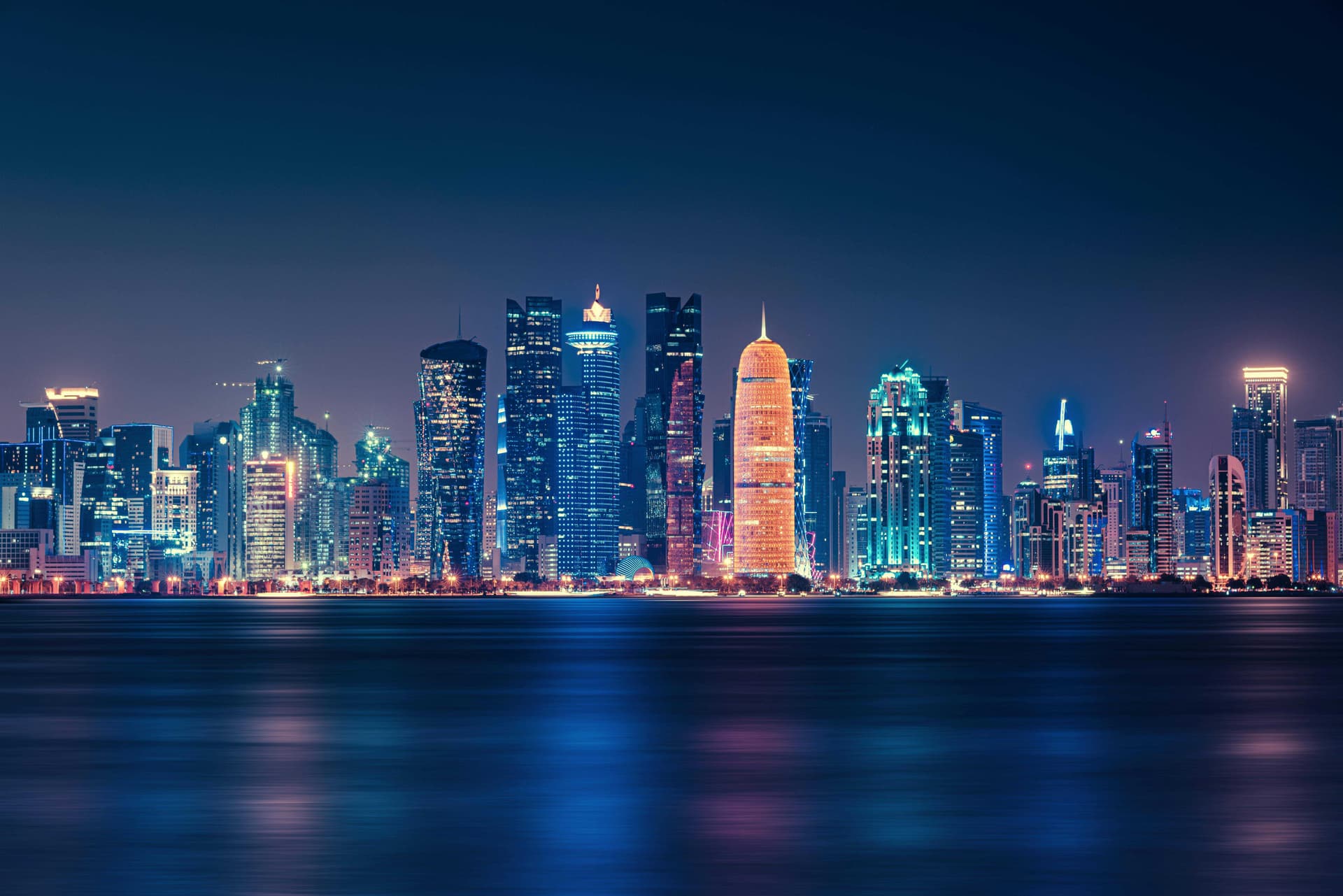
You do not have to stay inside to experience Qatari history and architecture. The park surrounding the Museum of Islamic Art sits on its own reclaimed peninsula at the end of the waterfront loop. A Visit to the Museum of Islamic Art or an Islamic Arts Museum Visit gives you access to a manicured grassy hill that offers one of the clearest views of the West Bay skyline across the water. It takes about twenty minutes to walk the full loop around the park's outer seawall.
The museum grounds are free to enter and stay open late into the evening. Grab a chair at the outdoor café at the tip of the park around 5pm to catch the sunset behind the towers. If you choose to go inside the museum itself, standard admission is around 50 QAR, but the outdoor park and its installation art pieces, including massive vertical steel sculptures, cost nothing to explore.
A short fifteen-minute walk across the highway via pedestrian overpasses brings you to the National Museum of Qatar Visit. Joining a structured Doha City Tour is another way to navigate between these sites, but walking allows you to see the modern architecture up close. The building's exterior resembles a giant rose of interlocked sand discs. Walking around the base of this architecture takes 30 minutes on its own, with surrounding garden trails detailing indigenous plants and irrigation channels.
AI-generated impression of Doha: Doha City Tour, as a visitor would see it
Evening foot traffic through traditional alleyways
Outdoor life in Qatar moves to the evening once the sun goes down. Souq Waqif Shopping is best experienced after 7pm when the temperature drops and the narrow lanes come alive. Located right off the Souq Waqif Metro Station, this restored market complex is entirely pedestrianized. You can spend two to three hours wandering the paved corridors without touching a vehicle road.
Exploring the city's old quarter on foot gives you complete control over your pace. Avoid buying heavy souvenirs at the first stall you see inside the main entrance; prices drop as you walk deeper into the back alleys where spices, local textiles, and hardware are sold. Budget about 20 to 40 QAR for a plate of fresh hot kunafa or flatbread from the open-air stalls near the main square.
Wear comfortable, broken-in walking shoes because the stone floor is uneven in places. Avoid visiting on Friday afternoons before 3pm, as almost all shops and outdoor vendors close for afternoon prayers. By 8pm on a Saturday or weekday evening, the outdoor seating area fills up with people sharing mint tea and watching street performers, offering a great cap to an active day in the city.
Ready-made plans
Start a trip to Doha
Day-by-day plans built on real bookable activities. Copy one and make it yours.