Kyoto Outdoor Guide: Trail Hikes, River Rides, and Hillside Walks
Escape the tour bus lines with early morning trail runs, riverbank cycling, and ridge hikes across Kyoto.
Mount Inari trails past the selfie crowds
Most visitors stop at the lower shrine of Fushimi Inari Taisha Visit, snap three dozen photos under the vermilion arches, and turn back toward the train station. That is a mistake. The full circuit up the 233-meter mountain takes roughly two and a half hours, and the air cools down significantly once you clear the first intersection at Yotsutsuji.
Start your walk no later than 6:45 AM from Inari Station on the JR Nara Line. At that hour, the stone paths are empty except for local runners and elderly residents feeding stray cats near the cedar thickets. The lower loop feels crammed by 9:00 AM, but the upper loop past the intersection drops 90 percent of the foot traffic. You do not need technical footwear, though sticky rubber soles help on the mossy stone steps after rain.
What people get wrong is buying expensive bottled tea at the base. Small stone altars near the summit sell cold canned coffee and green tea from vending machines for standard street prices, and the viewpoint over southern Kyoto at Yotsutsuji gives you a clear look across the valley without paying extra. Plan to finish by 9:30 AM just as the tour buses fill the main entrance parking lots.
Kamo River tracks on two wheels
Kyoto is flat along its central river corridor, making Kamo River Cycling, from JPY 1,000, one of the most practical ways to see the city's outdoor spaces without dealing with bus schedules. Rent a simple three-speed city bike near Sanjo Station for JPY 1,000 per day. The paved path running alongside the water stretches for kilometers with zero traffic lights and almost no car noise.
Pedal north toward Demachiyanagi where the Kamo and Takase rivers meet. Local students jump across the turtle-shaped stepping stones, and blue herons stand still in the shallows hunting for small fish. Continuing north brings you to the Kyoto Botanical Gardens Morning Walk, from JPY 200, where you can park your bike at the front gate for free and walk the shady lawn paths under massive camphor trees. The entrance fee is JPY 200, which is remarkably low for twenty-four hectares of maintained plant collection.
Avoid cycling along the riverbank path after 5:00 PM on warm weekend evenings near Shijo bridge. The gravel tracks get packed with groups gathering for an Evening Stroll Along the Kamogawa River, forcing you to dismount and push your bike through the crowds. Stick to the early morning hours between 7:00 AM and 10:00 AM for uninterrupted riding along the gravel tracks.
Evening walks through historic Gion
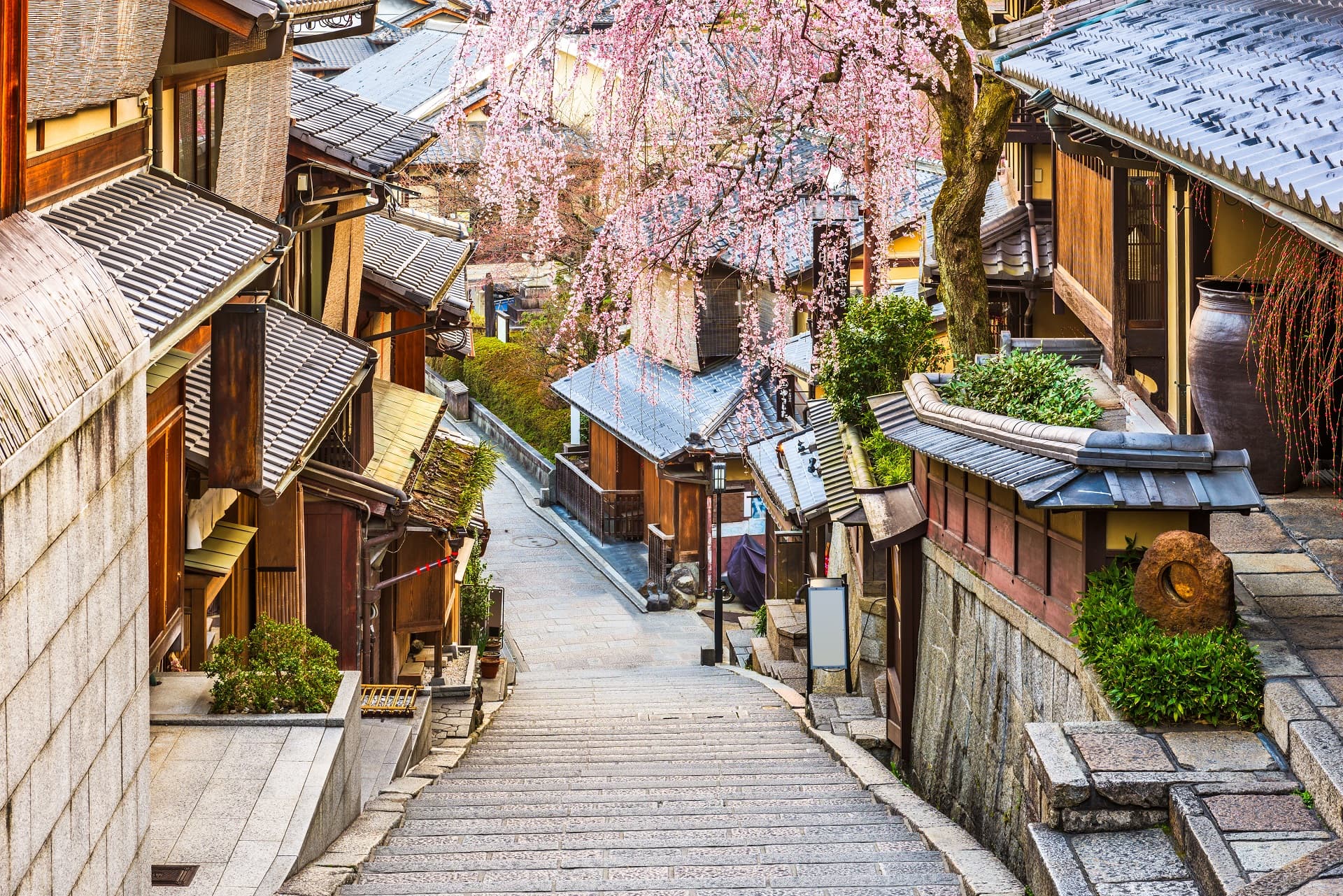
When the afternoon humidity drops, swap your trail runners for light walking shoes and head toward the historic street corridors of eastern Kyoto. An Evening Stroll in Gion takes you past low-slung wooden machiya townhouses, traditional paper lanterns, and quiet flagstone alleys. The neighborhood looks entirely different after 6:00 PM when major tour groups depart for hotel buffets and the lanterns light up along Shirakawa Canal.
For those who want context on the architecture and tea house culture, a guided Gion District Exploration, from USD 25, walks you through the wooden side streets of Hanamikoji. However, you can easily wander self-guided without paying a cent. Walk along the willow-lined canal from Tatsumi Bridge up to Hanami-koji Street, keeping to the main thoroughfares where pedestrian access is unrestricted.
What most visitors get wrong is trying to photograph working geiko and maiko on their way to appointments. Private side alleys in Gion carry strict photography bans with fines up to JPY 10,000. Keep your camera tucked in your bag along narrow private lanes, stick to public streets, and enjoy the quiet clatter of wooden sandals echoing against stone walls as dusk settles over the wooden facades.
AI-generated impression of Kyoto: Evening Stroll in Gion, as a visitor would see it
Arashiyama bamboo paths and hillside climbs
Getting to Arashiyama is simple: take the JR San-in Line from Kyoto Station to Saga-Arashiyama, which takes 16 minutes and costs JPY 240. While everyone gathers inside the main Arashiyama Bamboo Grove by mid-morning, the real outdoor draw lies on the slopes of Kameyama Park just west of the main grove. Climb the stone steps up the hillside to reach an overlook high above the Hozu River, where wooden barges drift past steep wooded cliffs.
If you prefer a guided glide through the flat streets before heading up the hills, a Private Rickshaw Tour of Arashiyama, from JPY 5,000, offers a quick orientation around the lower village back alleys. But once you hit the hiking paths behind Tenryu-ji, put your boots to work. The trail climbs toward Mount Ogura, offering quiet pine forest trails that remain empty even in peak spring and autumn seasons.
What most travelers miss is the steep connection leading down from Kameyama Park to the riverbank. Follow the rough stone steps down to the water's edge to watch local rowboats glide past. Avoid buying snacks from the main street shops near Togetsukyo Bridge where prices double; pack water and rice balls from a convenience store near the train station instead.
Higashiyama ridge walk from Kiyomizu-dera to Nanzen-ji
The eastern hills of Kyoto offer an eight-kilometer walking route that links ancient wooden temples with thick forest slopes. Start at Kiyomizu-dera Temple, from Rs 400, early in the morning. Pay the Rs 400 admission fee right when the main gate opens at 6:00 AM to stand on the massive wooden stage before the tourist crowds arrive. From there, take the back path past the pagoda and head north along the edge of the woods.
Follow the trail through historical lanes toward the Philosopher's Path Stroll, a stone canal walk lined with cherry trees and small wooden cafes. While most people stop at the water channel, turn uphill toward Eikan-dō Zenrin-ji Temple Visit, from JPY 600. The JPY 600 entry fee gets you access to elevated wooden walkways that wind through maple groves clinging to the hillside.
The entire hike takes about four hours at a steady pace. Wear broken-in walking shoes because the stone steps around Kiyomizu-dera are smooth and slick when wet. Finish your walk near Nanzen-ji's brick aqueduct, where the mountain water still flows down from Lake Biwa through the forest canopy.
Ready-made plans
Start a trip to Kyoto
Day-by-day plans built on real bookable activities. Copy one and make it yours.