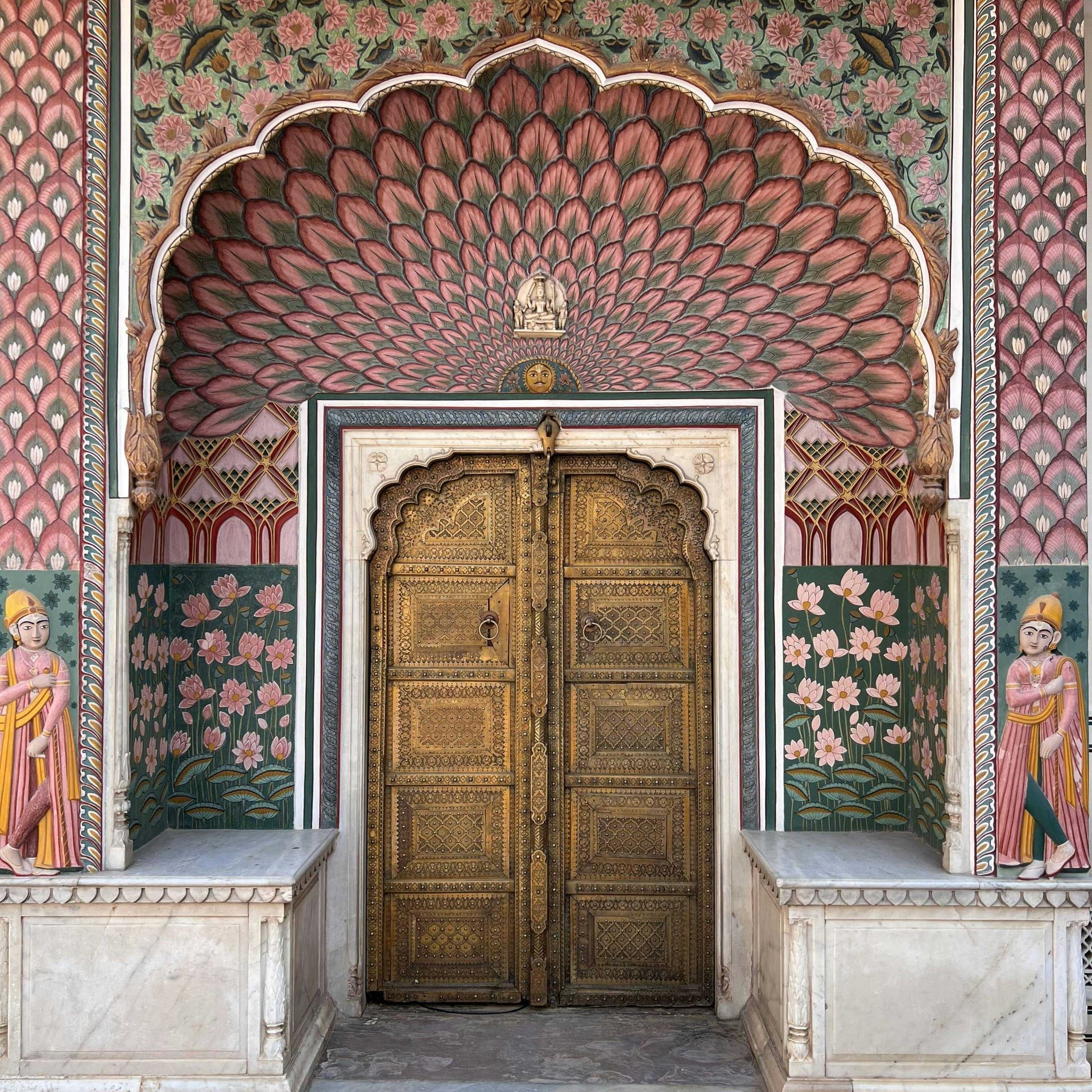
Jaipur Out of Doors: Fort Ramparts, Sunrise Flights, and Walled Trails
How to trade palace crowds for hill climbs, open-air sun dials, and dawn balloon rides.
Floating over Aravalli ridges at dawn
The alarm goes off at 4:15am in October when the morning air drops to a crisp 18 degrees Celsius. You meet the crew near Kukas, just a thirty-minute cab ride north of the city gates. A Hot Air Balloon Safari, from Rs 14,000, lifts off right as the sun touches the dry scrubland of the Aravalli Range. From two thousand feet up, the sheer grid layout of Jai Singh II's XVIII-century city unfolds alongside granite hilltops and water reservoirs.
The entire flight lasts roughly an hour, depending on wind speed, but plan for a three-hour commitment from pickup to landing. It is not cheap, but skipping the ground tour bus congestion to drift over silent yellow sandstone walls is worth every rupee. If you arrive around Gandhi Jayanti, 2 October 2026, keep in mind it is a national dry day across the state, making quiet early mornings the best part of your schedule. Skip the afternoon jeep rallies advertised along the highways—they offer little beyond dust and noise.
Hiking the outer fortifications at Amer
Before the heavy tour buses roll up the ramp at 9:00am, take a pre-dawn auto-rickshaw out to Amer on the Delhi road for Rs 300. A Visit to Amber Fort, from Rs 500, gives you entry to the main courtyards, but the real legwork starts on the outer stone ramparts that climb the ridge toward Jaigarh. A Historic Fort Tour, from Rs 650, or a guided Jaipur Heritage Walk takes you along medieval defensive corridors where few casual tourists venture.
Expect a steep 45-minute trek up uneven stone steps, so bring decent trail shoes rather than sandals. The climb gives you elevated views of Maota Lake below and the sharp spine of the hills stretching toward Nahargarh. Don't bother paying extra for the elephant rides at the lower gate; they move slowly in vehicle traffic and line up endlessly along tarmac roads in the heat.
Navratri evenings and open-air sun dials
Timing your trip during Sharad Navratri, from 11 October 2026 to 19 October 2026, shifts the outdoor energy entirely to the evenings, as nine nights of fasting and traditional dance fill neighborhood squares. During the daytime heat, head inside the royal complex for a Visit Jantar Mantar, from Rs 200. This open-air observatory from 1734 features giant stone sun dials and geometric calculation towers that you explore on foot under the open sky.
Allocate two hours to walk among the nineteen massive instruments, best visited around noon when the sun casts sharp, exact shadows on the marble scales. Right next door, you can add a City Palace Tour, from Rs 500, to walk through the grand open courtyards. Skip hiring unverified street guides outside the gate who quote random fees; official audio guides at the ticket counter give far better context for Rs 150.
AI-generated impression of Jaipur: Visit Jantar Mantar, as a visitor would see it
Trekking the old bazaar lanes on foot
Avoid taking rickshaws through the narrow lanes of the walled city between 4pm and 7pm, as vehicle traffic grinds to a complete standstill. Instead, lace up comfortable walking shoes and Explore Bapu Bazaar, from Rs 1,500, where you can navigate kilometer-long pink arcades on foot. Walking through the pedestrian corridors is the fastest way to browse hand-printed cottons and leather mojaris without getting stuck in tuk-tuk exhaust.
Continue your route into Shopping in Johari Bazaar to see silversmiths working in open-front shops along the pavement. If you are rushing to grab items before a flight out, opt for Last Minute Souvenir Shopping, from Rs 1,000, near Sanganeri Gate. Budget around three hours for a full walking circuit across both bazaars. Skip buying untagged gemstones from sidewalk hawkers who approach you near the main crossroads; stick to fixed-rate shops inside the main covered colonnades.
Ready-made plans
Start a trip to Jaipur
Day-by-day plans built on real bookable activities. Copy one and make it yours.