Guanacaste Outdoor Adventure Guide: Surfing, Rafting, and 4x4 Trails
Real advice on river crossings, early trail runs, and boat charters.
Rincón de la Vieja trails before the heat
The gate at the Las Pailas sector opens at 7:00 AM sharp, and by 10:30 AM the dry forest of Rincón de la Vieja reaches a thick 35°C. Pay the $15 national park entry fee right when the rangers open up, strap on sturdy trail shoes, and hit the 3-kilometer Las Pailas loop before tour buses arrive from the beach resorts.
The loop winds past sputtering mud pots, steaming fumaroles, and sulfur-tinged grey rivers. If you want real distance, skip the manicured loop and take the 10-kilometer round-trip path to the Cangreja Waterfall. The trail cuts through open savanna and dry forest where white-faced capuchin monkeys and iguanas sit in the canopy. Carry at least two liters of water per person; there are no fill stations along the trail, and the canopy drops off halfway through, exposing you to relentless sun.
Avoid the commercial thermal bath complexes clustered right outside the park boundaries. They charge up to $40 for concrete pools filled with lukewarm pipe water. Instead, head 10 minutes south to the Rio Negro hot springs. Entry is $25, and you can soak in natural river pools carved into the rock bed, surrounded by forest shade. Go around noon when the morning groups head out to lunch, and you will often have the pools entirely to yourself.
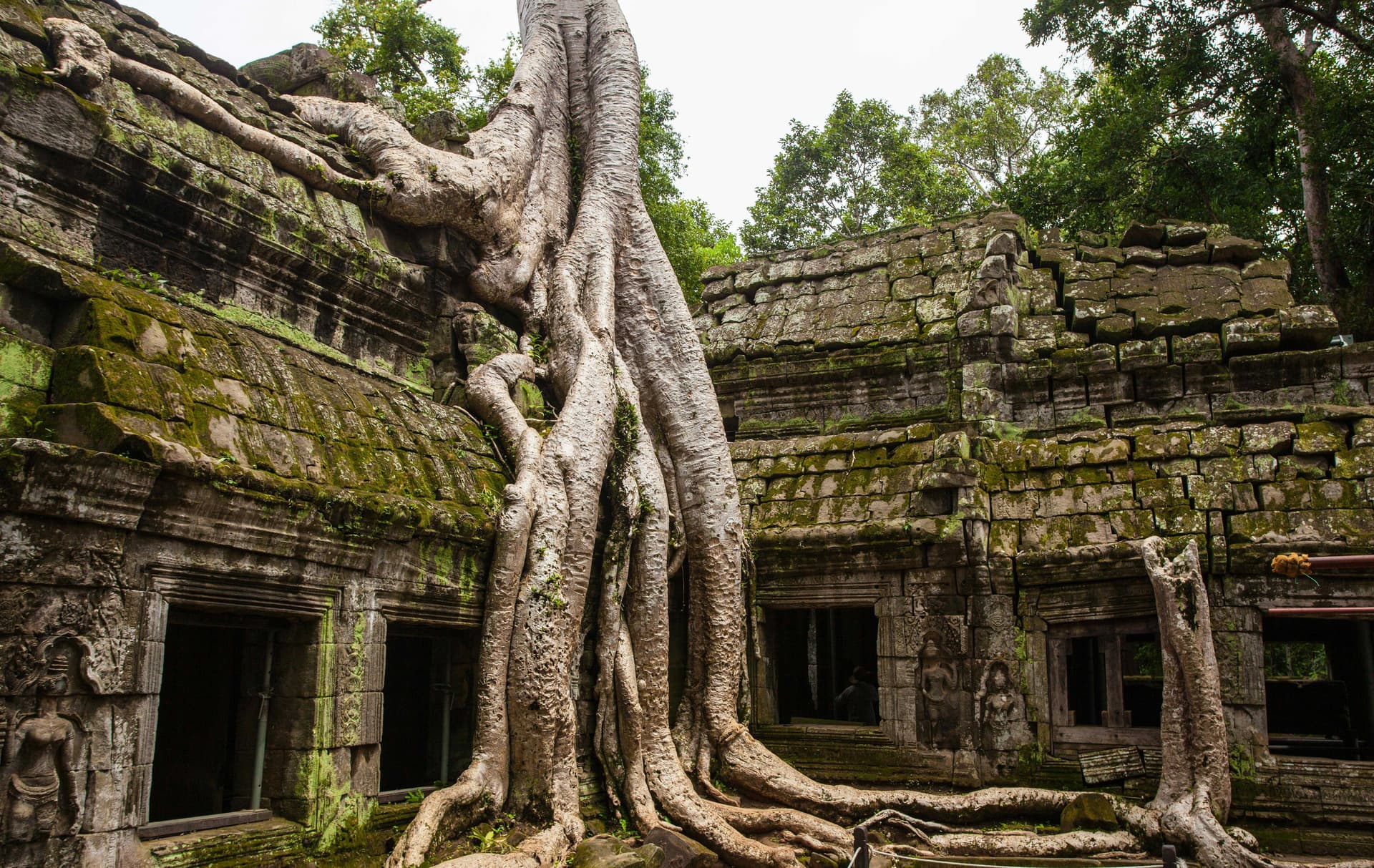
AI-generated impression of Guanacaste: the most recognisable view of Guanacaste, seen from where a visitor would actually stand
Skip the Nicoya coast roads without a 4x4
Renting a front-wheel-drive economy sedan to save $30 a day is the fastest way to tear out your oil pan in Guanacaste. While Highway 21 from Daniel Oduber Quirós International Airport in Liberia down to Nicoya is smooth asphalt, turning off toward coastal spots like Nosara, Ostional, or Playa Junquillal puts you on unpaved gravel full of washboards and deep ruts.
A compact 4WD vehicle like a Suzuki Jimny costs around $65 to $85 per day during the dry season from December to April. That extra cost buys you necessary ground clearance. During the green season from May to November, small rivers regularly spill across Route 160. Never attempt a river crossing without walking the line first to check depth and current. Water intake into the engine voids every standard rental insurance policy in Costa Rica.
Drive times on these backroads are deceiving. A distance of 20 miles on a map looks like a quick 30-minute trip, but negotiate potholes, stray cattle, and single-lane wooden bridges, and it will take at least an hour and a half. Keep your headlights on during the day to slice through the heavy road dust, and download offline maps before leaving Liberia—cellular coverage vanishes in the river valleys.
Reaching Witch’s Rock without overpaying for charters
Peña Bruja, the massive volcanic rock monolith standing out of the ocean at Playa Naranjo, offers some of the best surf breaks in Central America. Accessing it by land through Santa Rosa National Park requires an agonizing two-hour 4x4 crawl over jagged rocks and deep sand. During the rainy months, rangers close the land track entirely due to impassable mud. The practical way in is by sea.
Local boat captains at Playas del Coco or Playa Hermosa charter wooden panga boats for the run out to Witch’s Rock and nearby Ollie’s Point. A full-day charter runs between $350 and $450 total. Never pay full price solo; post on local community boards or ask around surf shops in Tamarindo the night before to assemble a group of four. Split four ways, the boat ride costs under $110 per head.
Plan to depart by 5:00 AM. The wind usually turns onshore by midday, turning clean barrel waves into sloppy chop. Bring all your food, water, and shade gear with you on the boat. Playa Naranjo is entirely wild: no beach vendors, no coconut stalls, and no freshwater taps. Watch the estuaries when walking the beach; saltwater crocodiles live in the mangrove lagoons right behind the sand line.
Class IV rafting along the fast-flowing Tenorio River
If you want fast white water rather than a lazy float, head inland toward the Tenorio River near Cañas. Guided rafting trips depart daily from Liberia and charge roughly $110 to $130 per person, which covers gear, safety kayaks, and a traditional lunch of casados (rice, beans, plantains, and grilled meat).
The 12-kilometer rafting stretch runs through a deep red-rock canyon filled with Class III and IV rapids. The highlight is a steep 12-foot waterfall drop near the end of the run. Timing matters: book between June and December for high water levels, deep channels, and fast action. By late March and April, at the tail end of the dry season, water levels drop significantly, turning technical rapids into a bumpy scrape against exposed boulders.
Wear secure strap-on sandals or old sneakers rather than flip-flops, which get sucked off instantly in the first rapid. Skip the photo packages sold by photographers at the final bridge for $40 a group; instead, bring a basic waterproof pouch for your phone or camera and secure it inside your lifejacket pocket. Save your money for fresh tropical fruit smoothies at the roadside stalls along Route 1 on the drive back.
Ready-made plans
Start a trip to Guanacaste
Day-by-day plans built on real bookable activities. Copy one and make it yours.