Cartagena on the Move: Sweat, Stone, and Open Water
How to stay active and outpace the heat along the Caribbean coast
Navigating arrival and the coastal heat
Flying into Rafael Núñez International Airport puts you just ten minutes from the historic center, but the transition from an air-conditioned cabin to Caribbean air is sharp. Taxis from the airport terminal operating on fixed official fares cost roughly 15,000 to 20,000 COP into the walled city. Avoid taking unregistered rides outside the arrivals exit.
The smartest strategy for active travelers arriving in the afternoon is to adapt to the climate before pushing your body. Humidity rarely drops below eighty percent, making early morning and late afternoon your primary activity windows. If you land during the heat peak around 2:00pm, check in, drink plenty of water, and save your high-energy efforts for when the sun drops. The short transfer time means you can land at noon and be on the coastal sea wall before sunset without wasting half a day in transit.
Morning sweat at Castillo San Felipe
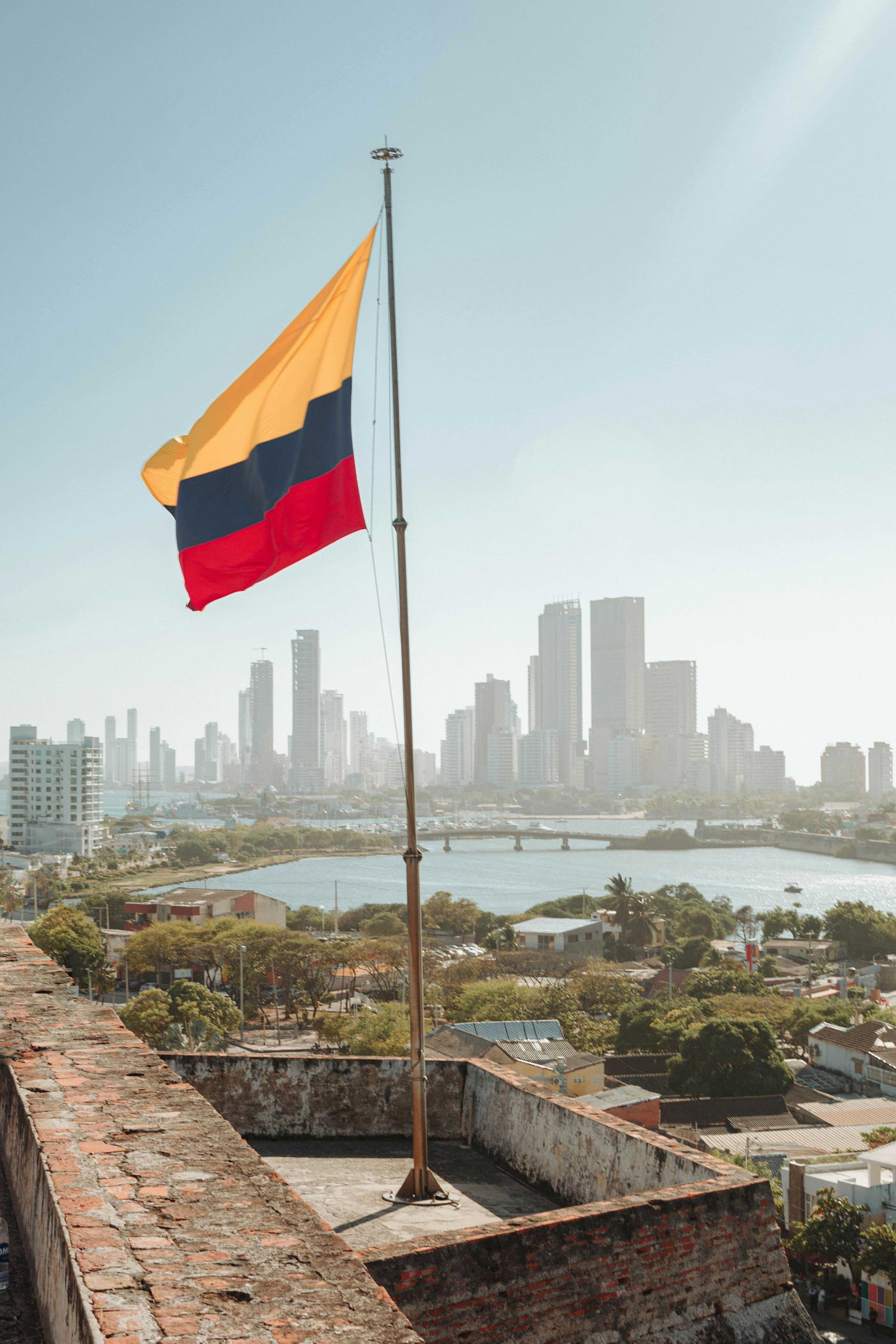
If you want to move your body without melting, your alarm needs to go off early. By 7:30am, head straight to explore Castillo San Felipe de Barajas, from COP 33,000. It is a massive stone fortress carved into San Lázaro hill, built by Spanish military engineers to command both land and sea approaches. The entrance fee is COP 33,000 and the gates open at 8:00am. Get there as they open to dodge the midday heat and tourist buses.
Climbing the steep incline of brick ramps gives your legs a solid workout, but the real draw is the subterranean maze. Narrow, unlit tunnels crisscross the interior of the hill. They stay remarkably cool compared to the sun-baked ramparts above. Plan to spend ninety minutes navigating the batteries and taking in views over the harbor. Bring a bottle of water; vendors are scarce inside the dark lower passageways.
Choosing the right neighborhood base
Where you drop your bags determines how easily you can stay active without fighting urban traffic. Staying deep in Bocagrande offers high-rise amenities and quick access to open oceanfront walks, but getting across the laguito bridge into the historic district during peak evening hours can take forty minutes in a crawl of taxis.
Instead, pick a base inside the quiet northern quadrant of San Diego. Properties here put you two minutes from the elevated seawall along Avenida Santander, making a 6:00am five-kilometer sunrise jog effortless before the streets crowd over. Alternatively, Getsemaní offers converted colonial homes close to the harbor docks. Staying in Getsemaní allows you to walk to early morning boat departures without dealing with morning cab delays, keeping your schedule flexible for active days out on the water.
Moving through the city after dark
Once the sun drops around 6:15pm, the oppressive solar heat fades and a steady offshore wind cools the stone streets. This is when Cartagena becomes ideal for long foot explorations. Joining a Cartagena Old City Night Walk, from USD 25, is a practical way to cover several miles while learning the layout of the old defenses.
The two-hour walk routes past Plaza de la Aduana, through quiet residential lanes, and up onto the historic ramparts. Walking along the top of the baluartes gives you an elevated view of illuminated streetscapes on one side and breaking ocean waves on the other. Footwear matters: uneven 17th-century cobblestones will punish thin flip-flops, so wear sturdy sneakers. Most people make the mistake of trying to power through walking tours at midday; moving after dusk keeps your energy high and your temperature reasonable.
AI-generated impression of Cartagena: Cartagena Old City Night Walk, as a visitor would see it
Finding open water at Playa Blanca
Swimming directly off the historic city walls is unsafe due to jagged stone breakwaters and heavy swells. For serious distance swimming or paddle boarding, target the south side of Isla Barú. To relax at Playa Blanca, skip the midday party boats that blast music and crowd the shore.
Instead, arrange a land taxi over the Pasacaballos bridge by 7:30am. The drive takes about forty-five minutes and lands you on the white sand before the day-tripper boats unload at 11:00am. The northern hook of the beach near the rocky point offers clear turquoise water with minimal boat traffic early in the day. Renting a palm shade for the morning runs roughly 30,000 COP. By 1:00pm, as the beach fills up and motorized water craft multiply, pack up and head back to the city for lunch.
Keep reading
More blogs
Written for real trips, priced from the city you fly out of.