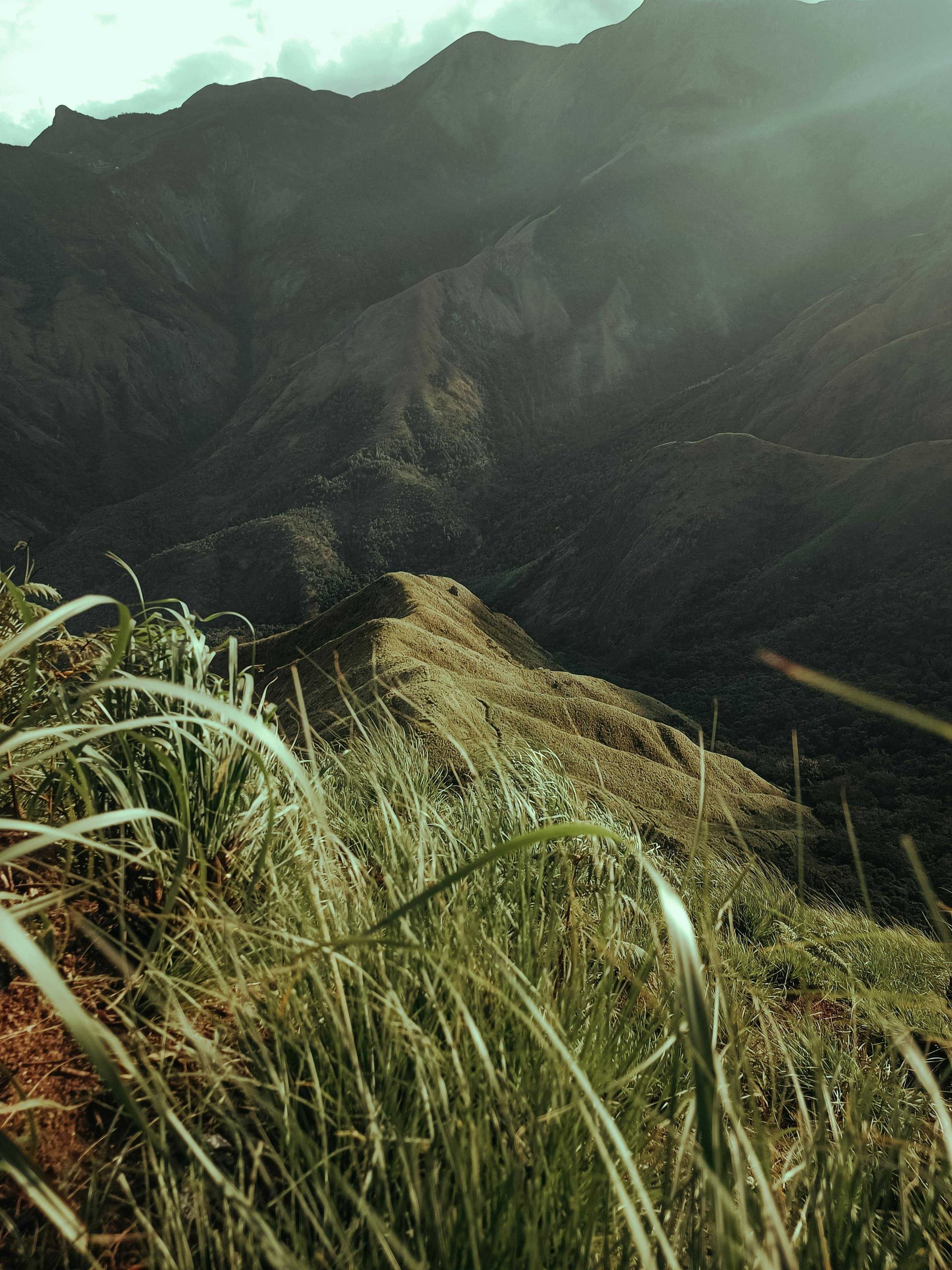
Clear skies, low prices, or tea harvests—how to time your trip to Kerala's tea country.
October to February for clear skies and mountain trails
By October, heavy rains retreat from the Western Ghats, leaving tea estates washed clean and temperatures hovering around 12°C early in the morning. If you arrive around Gandhi Jayanti on 2 October 2026, keep in mind that it is a national holiday and a dry day across most states; order any evening drinks ahead of time if you are staying at a hillside cottage. Shortly after, Sharad Navratri runs from 11 October 2026 to 19 October 2026, bringing domestic travellers into the hills for nine nights of fasting and dance. The air during this late autumn window is crisp, visibility stretches across entire ridges, and afternoon fog rarely blocks the mountain viewpoints before 3pm.
This winter stretch is the ideal season for walking through high-altitude plantations before the mid-day heat sets in. You can join the Fullday Trekking in Chokaramudi (munnar valley Trekking & Tours), about a full day, from Rs 1,676 to reach the rocky slopes that overlook the valley floor. If you prefer a slightly shorter outing, the Top station tour (munnar valley Trekking & Tours), about half a day, from Rs 1,885 offers sharp views into neighbouring Tamil Nadu before clouds roll up from the plains around noon. Nighttime temperatures drop below 10°C in December and January, so pack a proper jacket if you plan to sit outdoors after dusk.
Trekking in Munnar
March to May when the valley stays cool
When temperatures in coastal Kerala push past 35°C in April, Munnar stays pleasant at roughly 22°C. Summer brings bright sun and dry footpaths, making it easy to navigate dirt trails through private estates without slipping in mud. Because this is high season for family holidays across southern India, hotel prices increase sharply between April and May, and the narrow town center gets congested with taxis by mid-morning. To dodge the afternoon glare, schedule outdoor hikes for the early morning hours and reserve the sunnier mid-day slots for shade-covered factory visits and cooking workshops.
Spend your warm afternoons beneath the canopy of shade trees on an organized agricultural tour. The Tea cultivation programme, about 3 hours, from Rs 2,235 gives you direct access to working estate plots where pickers harvest fresh leaves, followed by a look at processing machinery inside the factory. Alternatively, pay Rs 75 to Visit Munnar Tea Museum in Old Munnar, which displays original tea-processing machinery from the British colonial period alongside historic photographs. In the evening, when the breeze picks up, book a 4-Hour Private Cooking Class in Munnar, about half a day, from Rs 2,624 to learn how local cardamom and pepper are used in traditional Keralan stews.
Tea cultivation programme
June to September monsoons and lower prices
Monsoon hits the Western Ghats in early June, bringing downpours that last through September. Rainfall often exceeds 300 centimeters across the region, which causes periodic mudslides on the steep curves of the Kochi-Dhanushkodi highway (NH85) and can delay bus travel by hours. Visibility on high ridges drops to a few meters, making long hill climbs unsafe. However, this season turns the landscape an intense green and fills local streams to capacity. If you do not mind carrying heavy rain gear and navigating wet roads, luxury resorts lower their rates by up to 50 percent compared to peak December pricing.
Outdoor treks are largely off-limits during heavy downpours due to leech-infested trails and slick rocks, but the rainy months work well for slow-paced indoor wellness retreats. You can book Ayurvedic Massages & Treatments, about 1 hours, from Rs 1,571 at local wellness centers to pass rain-soaked afternoons. Driving between tea estates during brief breaks in the rain reveals overflowing roadside cascades, though you should avoid standing directly under swollen streams due to swift currents and loose stones washed down from higher elevations.
Fullday Trekking in Chokaramudi (munnar valley Trekking & Tours)
Navigating crowds and seasonal timing pitfalls
The biggest mistake travellers make in Munnar is underestimating morning travel times along narrow estate roads. During peak months from October through February, tourist vehicles back up near popular lookout points as early as 8am. If you want to see the cloud inversion over the valleys, head out long before dawn. Booking Sunrise at Top Station, from Rs 1,500 requires leaving your hotel by 4:30am to beat both the traffic and the morning mist that frequently obscures the view by 7:30am.
Another common pitfall is visiting during long holiday weekends without pre-arranged transport. State transport buses from Ernakulam arrive full, and local auto-rickshaws double their rates when demand spikes. Plan your trip around midweek dates between October and March to enjoy clear weather without paying peak rates for private cabs or waiting in long lines at tea factory entrances. Remember to double-check calendar dates for national observances, like Gandhi Jayanti on 2 October 2026, when shops and state-run outlets close early or remain shut entirely.
half day trekking
Ready-made plans
Start a trip to Munnar
Day-by-day plans built on real bookable activities. Copy one and make it yours.