When to Visit Male: Monsoons, Seasons, and Local Rhythm
Navigating weather, prices, and daily life in the Maldivian capital
The dry months bring clear skies and high prices
The 10-minute ferry ride from Velana International Airport to Male costs 15 Maldivian Rufiyaa—about one US dollar—and drops you straight onto the paved waterfront of the world's most densely populated capital island. Between November and April, the northeast monsoon brings steady sunshine, low humidity, and calm turquoise water. This is peak season for good reason: water clarity around the nearby reefs is exceptional, and walking the narrow streets of the Henveiru district does not leave you drenched in sweat after ten minutes.
However, hotel rates hit their absolute highest between December and February, and room availability drops quickly. Most travelers treat the capital merely as a quick transit stop on their way to distant atolls, but spending a day or two here during the dry season gives you a real feel for everyday island life. If you choose to Explore Male City, from USD 50, aim for late January or February when the skies are reliably dry and morning ocean breezes make walking between sites comfortable.
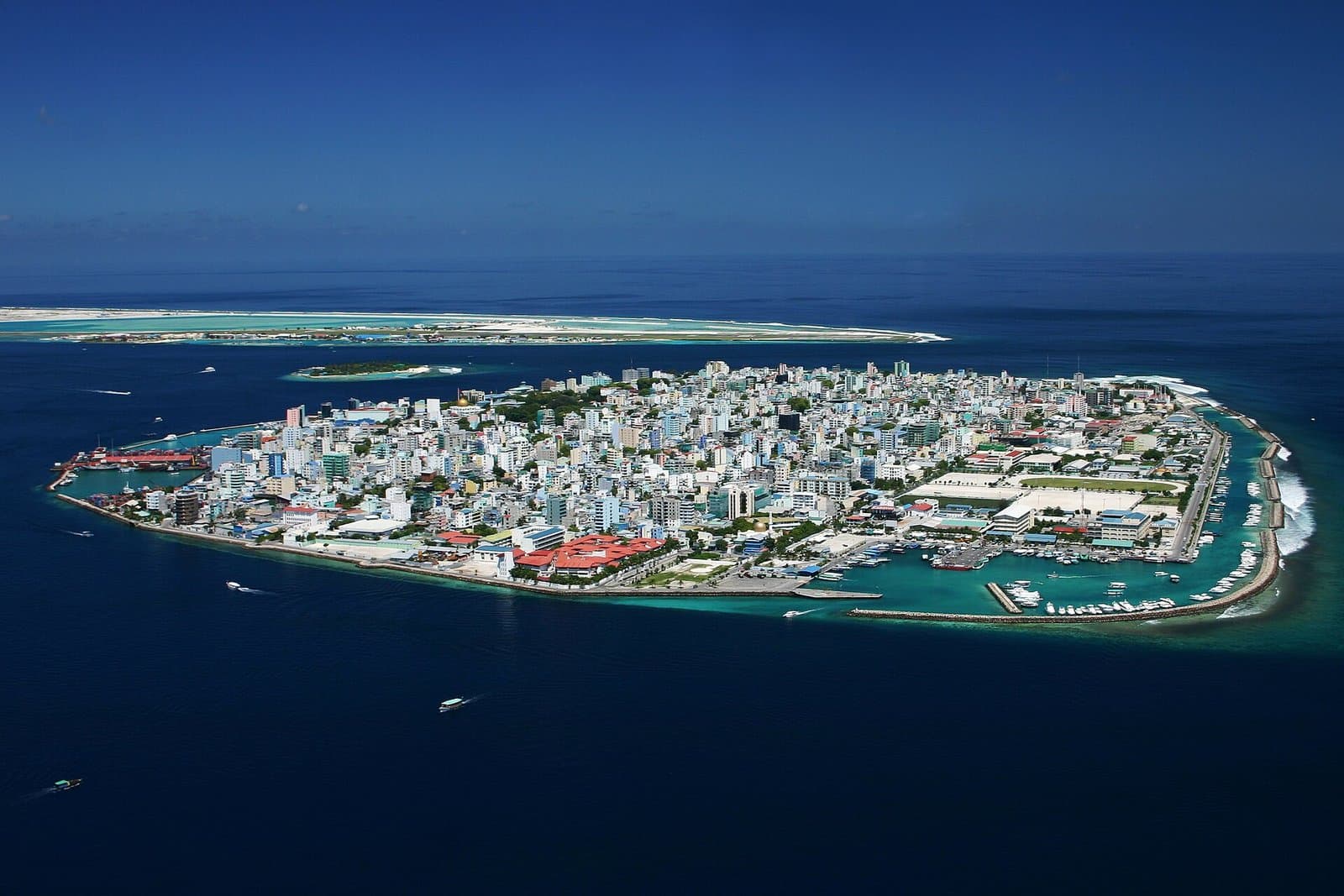
AI-generated impression of Male: Explore Male City, as a visitor would see it
Navigating the wet monsoon without ruining your trip
From May through October, the southwest monsoon brings gusty winds and sudden heavy downpours. Don't let the word monsoon scare you off completely. Rain usually falls in sharp, two-hour bursts during the afternoon, leaving the air fresh and pleasantly cooler for evening strolls along Boduthakurufaanu Magu. Accommodation prices across Male drop by up to 40 percent during these months, offering unmatched value if you are traveling on a tight budget.
Rainy afternoons are best spent indoors, where you can Visit the National Museum, from USD 20, to explore centuries of sultans' artifacts, ancient coral stone carvings, and antique thrones without battling crowds. What most people get wrong about the wet season is assuming it means continuous dark skies. In reality, you still get four to six hours of bright sun on most days, provided you carry an umbrella and quick-drying shoes for overflowing street gutters.
Waterfront walks and where to spend your afternoon
Male measures roughly two square kilometers, making it easy to traverse on foot. Skip the generic international cafes near the ferry terminals and head straight for a traditional hotaa (tea house) near the harbor. Order hedhikaa—savory snacks like bis keemiya, which are fried pastries stuffed with hard-boiled egg and cabbage—for under a dollar each. For a late afternoon swim, join local families for an Artificial Beach Swim on the island's eastern edge, keeping in mind that modest clothing is required out of respect for local tradition.
If you are looking for open water and coral reefs, take a short motorboat trip for an Island Picnic and Relaxation, from USD 40, or book a guided Snorkeling Adventure, from USD 50, to explore nearby marine life. Avoid the mass-produced plastic souvenirs found in tourist shops near the main piers. Instead, turn to authentic Local Handicrafts Shopping in quieter neighborhoods, looking specifically for hand-carved wooden lacquerware made by outer-atoll artisans.
Planning your daily routine around the tropical clock
The tropical sun is intense between 11:00 am and 2:30 pm every month of the year, so structure your daily schedule around the heat. Start early at 7:00 am at the Male Fish Market, where local fishermen haul massive yellowfin tuna straight off their wooden dhonis onto tiled floors. Remember that Male runs on a traditional Islamic schedule: shops close five times daily for prayer, and public life pauses completely during Friday noon prayer between 12:00 pm and 2:00 pm.
In the evening, sample local culture by catching a Local Cultural Show, from USD 30, featuring traditional boduberu drumming. If your visit coincides with Ramadan, keep in mind that local restaurants remain closed from dawn to dusk, though hotel dining rooms cater to international visitors behind screened windows. Planning around these daily rhythms keeps your trip smooth and stress-free regardless of the month you land.
Ready-made plans
Start a trip to Male
Day-by-day plans built on real bookable activities. Copy one and make it yours.