How to beat the desert heat, dodge peak prices, and time your trip right
Winter months bring relief and open outdoor dining
November through February is when Abu Dhabi actually functions as an outdoor city. Daily temperatures drop from a suffocating 40°C down to a comfortable 24°C, making it pleasant to wander outside without immediately looking for shade. You can walk along the waterfront at Evening at Corniche Beach, where entry costs just AED 10, or stretch out on Saadiyat Beach for AED 75 without getting second-degree burns. This peak window brings higher hotel rates and crowded boardwalks, but the climate makes up for the premium prices.
Do not bother coming in January expecting tropical ocean water for swimming. The Gulf cools down to 21°C, which feels surprisingly brisk when the wind picks up off the coast. If you want beach days spent floating in warm water, late October or early April hit a much better sweet spot. What most people get wrong about winter here is assuming you only need light clothes. Bring a genuine sweater or denim jacket for the evenings, especially if you plan to sit outside near the water or take a drive into the open desert after dark.
Shoulder months of March and April balance price
Private Photo Session with a Local Photographer in Abu Dhabi
March and April offer a brief, pragmatic window before the extreme heat sets in. Temperatures hover around 30°C in March and climb to 35°C by late April, but the humidity remains surprisingly manageable compared to late summer. Hotel rooms drop about 20 to 30 percent from their January peaks, while air travel becomes noticeably cheaper if you book three weeks ahead. You get warm sea water for swimming at Saadiyat Beach without the searing afternoon sun that defines June.
It is an ideal time for outdoor activities like Mangrove Kayaking Abu Dhabi, which takes about an hour and costs from Rs 10,367. Paddling through the channels at 8am gets you quiet water and active birdlife before the heat bakes the exposed water paths. Skip the mid-afternoon hours entirely for anything active outdoors. By 1pm, even a mild April breeze feels like an open hairdryer. Use those three central hours to check out indoor monuments like the Qasr Al Watan Tour, which costs from AED 65, or step inside the air-conditioned galleries at Louvre Abu Dhabi for AED 63.
Summer heat forces life strictly inside air conditioning
From May through September, Abu Dhabi turns into an oven where daytime temperatures regularly clear 43°C and humidity reaches 80 percent. Stepping off an air-conditioned bus feels like walking straight into a steam room, and outdoor pavement can heat up enough to melt shoe soles. Unless you are intentionally hunting for five-star luxury resort bargains at 60 percent off peak rates, avoid booking a trip focused on sightseeing or beach relaxation during these five months.
Private Romantic Dinner in Desert Abu Dhabi with Hot BBQ Dinner
If you do land here in July or August, shift your entire schedule indoors. Spend mornings exploring big indoor attractions like Ferrari World Abu Dhabi, where day passes run from AED 345, or take the family to Yas Waterworld for AED 295 when the sun hits its peak. Culture seekers can escape the midday heat inside Qasr Al Hosn for AED 30. Skip any daytime desert tours entirely during high summer. Riding a quad bike across dunes when the ambient air is 45°C is genuinely dangerous, no matter how much water you carry in your pack.
Desert excursions demand careful evening and morning timing
The surrounding dunes follow different climate rules than the coastal city center. Temperatures out in the sand drop sharply once the sun slips below the horizon, making overnight trips remarkably chilly from December through February. A trip like the Abu Dhabi Afternoon Desert Safari and BBQ Dinner, which takes about half a day and costs from Rs 9,081, gives you a solid six-hour experience that starts as the day cools down. It includes dune bashing, camel rides, and dinner under the stars when desert temperatures drop to a crisp 15°C.
For a deeper journey into the sand sea, the Empty Quarter Sunset Desert Safari runs for a full day from Rs 24,720. If you schedule a desert run between late May and September, stick exclusively to early morning or late night outings. Never sign up for midday dune trips during summer months; sitting inside a stationary vehicle in 48°C heat while waiting for tire adjustments is a recipe for heatstroke. October and November provide the ideal desert conditions, where sunset comes around 5:30pm and the night air stays comfortable in a light long-sleeve shirt.
Romantic Private Dune Dinner Abu Dhabi
Cultural stops worth planning around midday heat
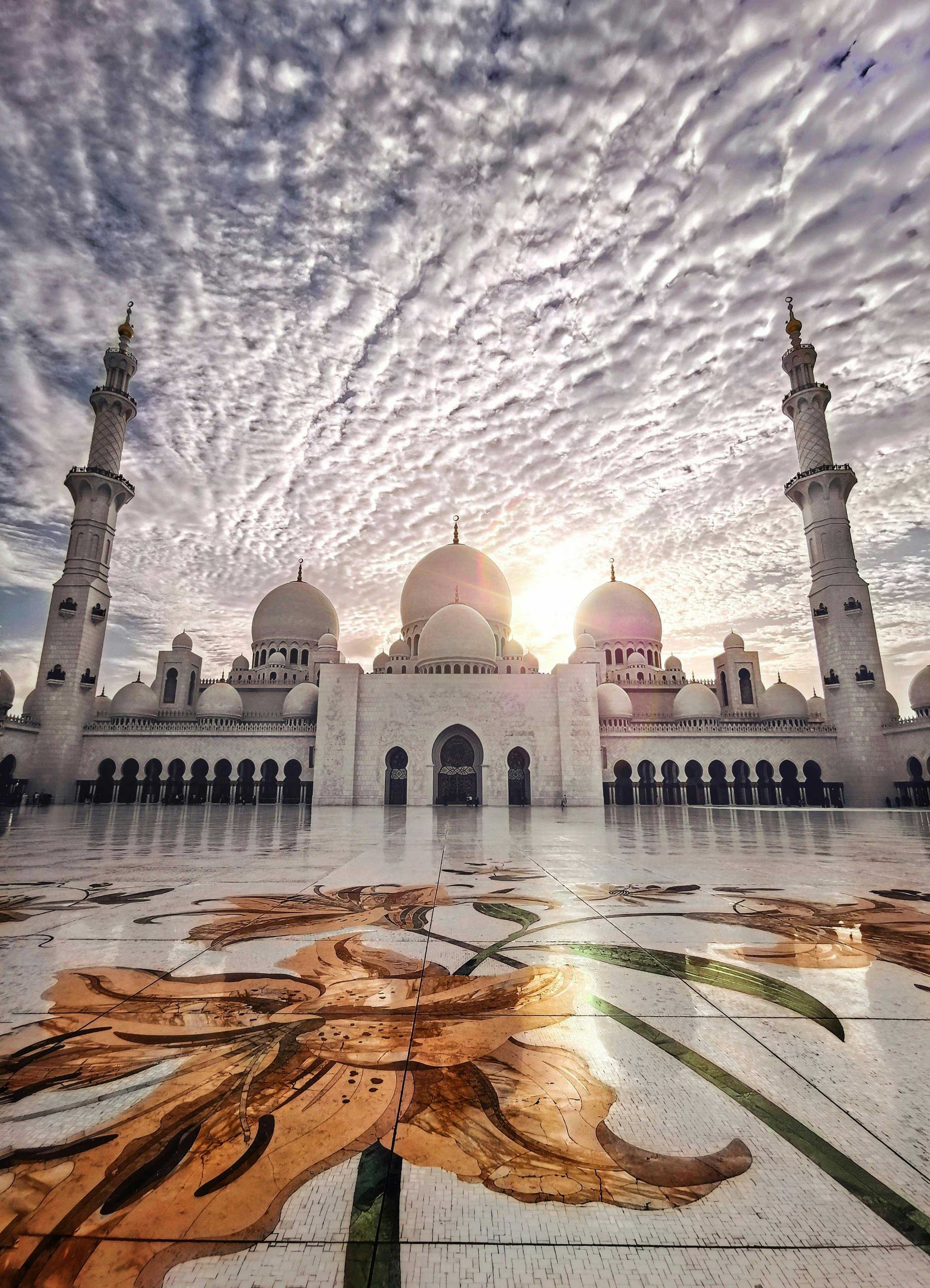
Indoor heritage sites and cultural landmarks offer steady climate control year-round, but how you sequence them across your day still depends heavily on the season. A visit to the massive Sheikh Zayed Grand Mosque is best scheduled for 4:30pm in the cooler months, allowing you to see the white marble domes under full daylight before watching the sunset light up the reflecting pools. Entry is free, but you will spend roughly two hours walking across marble plazas that absorb heavy morning heat.
If you want a luxurious break between sight-seeing stops, book The Emirates Palace Afternoon Tea Experience Abu Dhabi, which lasts about 2 hours and starts from Rs 13,117. It sits conveniently close to the waterfront and gives you a refined indoor retreat when the afternoon sun gets aggressive. What many travelers get wrong is rushing between cultural venues in high noon heat without booking private transport. Hiring a service like the 4 Hour Private Abu Dhabi and Dubai Chauffeuring for half a day from Rs 28,045 keeps you cool and eliminates the friction of waiting curbside for taxis in direct sunlight.
From Abu Dhabi: Experience the Thrill Desert Safari - Dubai
Ready-made plans
Start a trip to Abu Dhabi
Day-by-day plans built on real bookable activities. Copy one and make it yours.