How to avoid highway bottlenecks, skip crowded spots, and find quiet trails.
Navigating the park boundaries without a car
Buy your daily park pass at the East Gate on Highway 1 before 8:00 AM if you want to skip the twenty-minute line of rental SUVs. To Explore Banff National Park, the basic entry starts from CAD 11 per adult per day, and if you are staying more than a few days, the Parks Canada Discovery Pass pays for itself quickly. Most people assume you need your own vehicle to get around, but driving into town during July or August means spending forty minutes hunting for parking near Bear Street.
Instead, use the local Roam Transit Route 1 and Route 2 buses. They run every fifteen to twenty minutes from downtown Banff and cost just a few dollars, connecting you directly to major trailheads and lakes without the headaches of crowded lots. If you bring a car, park it at the train station lot on Railway Avenue early in the morning where parking remains free all day, and walk the ten minutes into the center.
Walking the frozen floor of Johnston Canyon
If you are visiting between November and April, skip the standard summer trail crowds and book the Johnston Canyon Ice Walk, from CAD 95. The winter tour takes roughly four hours round-trip, including the drive thirty minutes west along the Bow Valley Parkway. What most people get wrong is wearing regular hiking boots without ice cleats; the catwalks suspended above the canyon walls turn into literal ice rinks by December. Professional tour outfits provide steel microspikes and hiking poles, which make navigating the catwalks down into the Lower and Upper Falls manageable.
The walk covers about five kilometers of terrain. Standing beside the thirty-meter frozen waterfall at the Upper Falls, surrounded by blue ice columns, feels completely detached from the busy shops back in town. Go on the 8:30 AM morning departure if you want quiet paths. By noon, tour groups spill off big coaches, making the narrow catwalks feel uncomfortably congested. Bring warm insulated gloves and a thermal thermos of tea, as temperatures inside the shaded limestone gorge stay five degrees colder than the surrounding valley.
Riding Sulphur Mountain and beating the crowds
Taking the Banff Gondola Ride, from CAD 65, gets you up to the summit of Sulphur Mountain in eight minutes flat, but the ticket pricing varies wildly based on how far in advance you book. Going at midday on a weekend is expensive and noisy. To get the best out of it, reserve the late afternoon slot right before sunset, when the crowds head back down for dinner and the light across the Bow Valley softens. At the top, the boardwalk extends one kilometer along the ridgeline to the Sanson’s Peak Meteorological Station, taking about twenty minutes to walk each way.
Right at the base of the gondola sits the Sulphur Mountain Hot Springs, from CAD 16. Skip visiting these outdoor mineral pools in the middle of a hot summer afternoon when it feels like a crowded public swimming pool. Instead, head there after 7:00 PM during a chilly spring or winter evening. The cold air makes the hot geothermal water genuinely refreshing, and the admission price makes it one of the cheapest evening stops in town. Bring your own towel to avoid the extra rental fees.
Dawn watch at Vermilion Lakes and valley floors
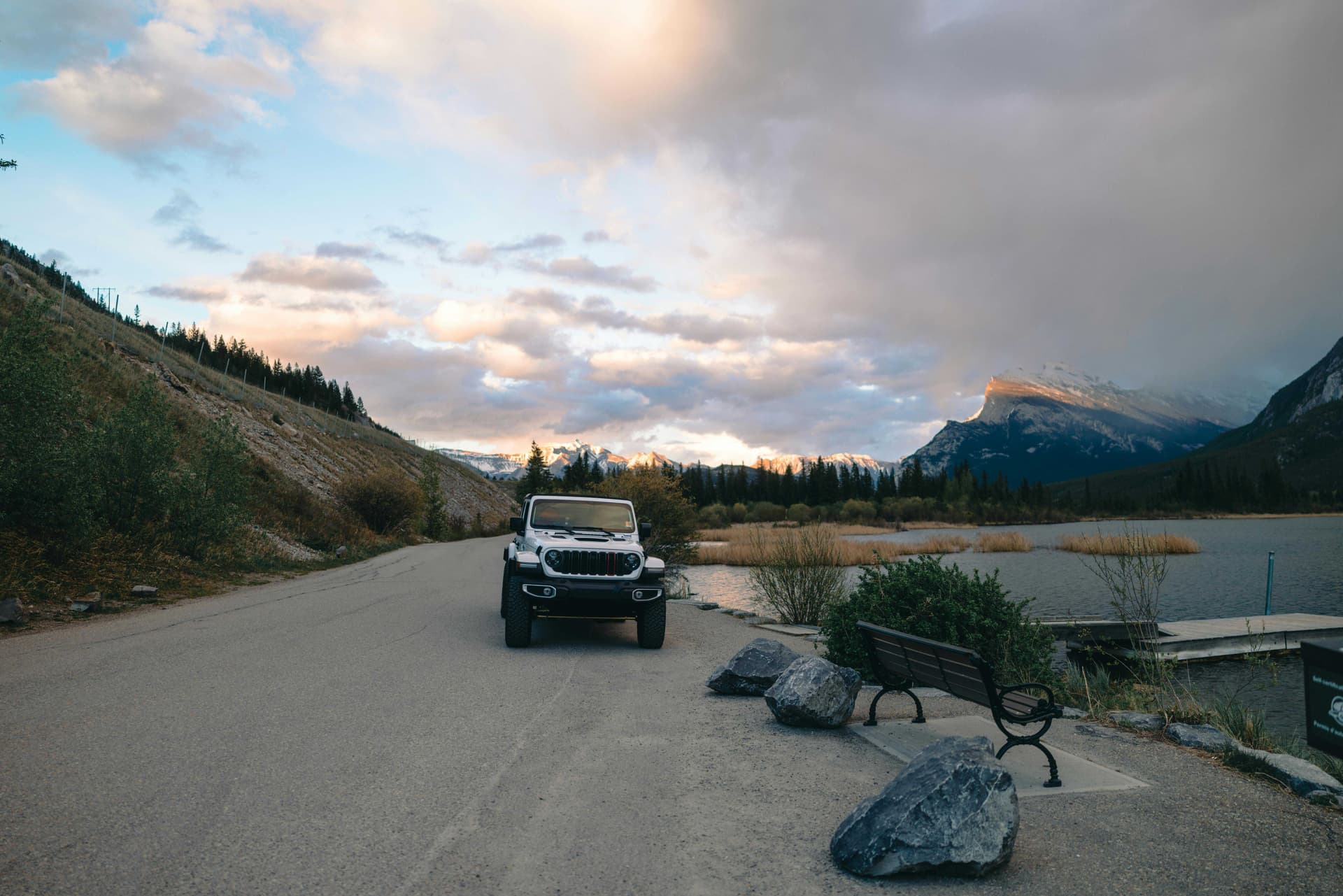
Just a twenty-minute walk or five-minute drive west of downtown Banff lies Vermilion Lakes. The shallow water mirrors Mount Rundle, making it the finest spot in the area for early morning photography or a quiet paddle. Rent a canoe in town near the Bow River bridge for around CAD 50 an hour, and launch right from the wooden docks along Vermilion Lakes Road before the wind picks up around 10:00 AM. In spring and early autumn, elk frequently wade through the sedges along the shoreline.
If you want a structured way to spot local fauna without driving endless backroads yourself, consider an evening Wildlife Safari Tour, from CAD 75. These bus tours run for roughly two to three hours around dusk when grizzly bears, bighorn sheep, and elk are most active along the valley edges. What most people get wrong is expecting guaranteed bear sightings right beside the main highway; professional guides know the seasonal corridors and keep a respectful distance with spotter scopes. For historical context nearby, spend a CAD 9 entry at Cave and Basin National Historic Site to see where Canada’s national park system began back in 1885.
AI-generated impression of Banff: Vermilion Lakes, as a visitor would see it
Keep reading
More blogs
Written for real trips, priced from the city you fly out of.