Backpacking South India: Mysore, Hampi, and Gokarna on a Budget
An eight-day route through palace markets, ancient boulder ruins, and quiet cliffside beaches.
Mysore market streets and cheap palace views
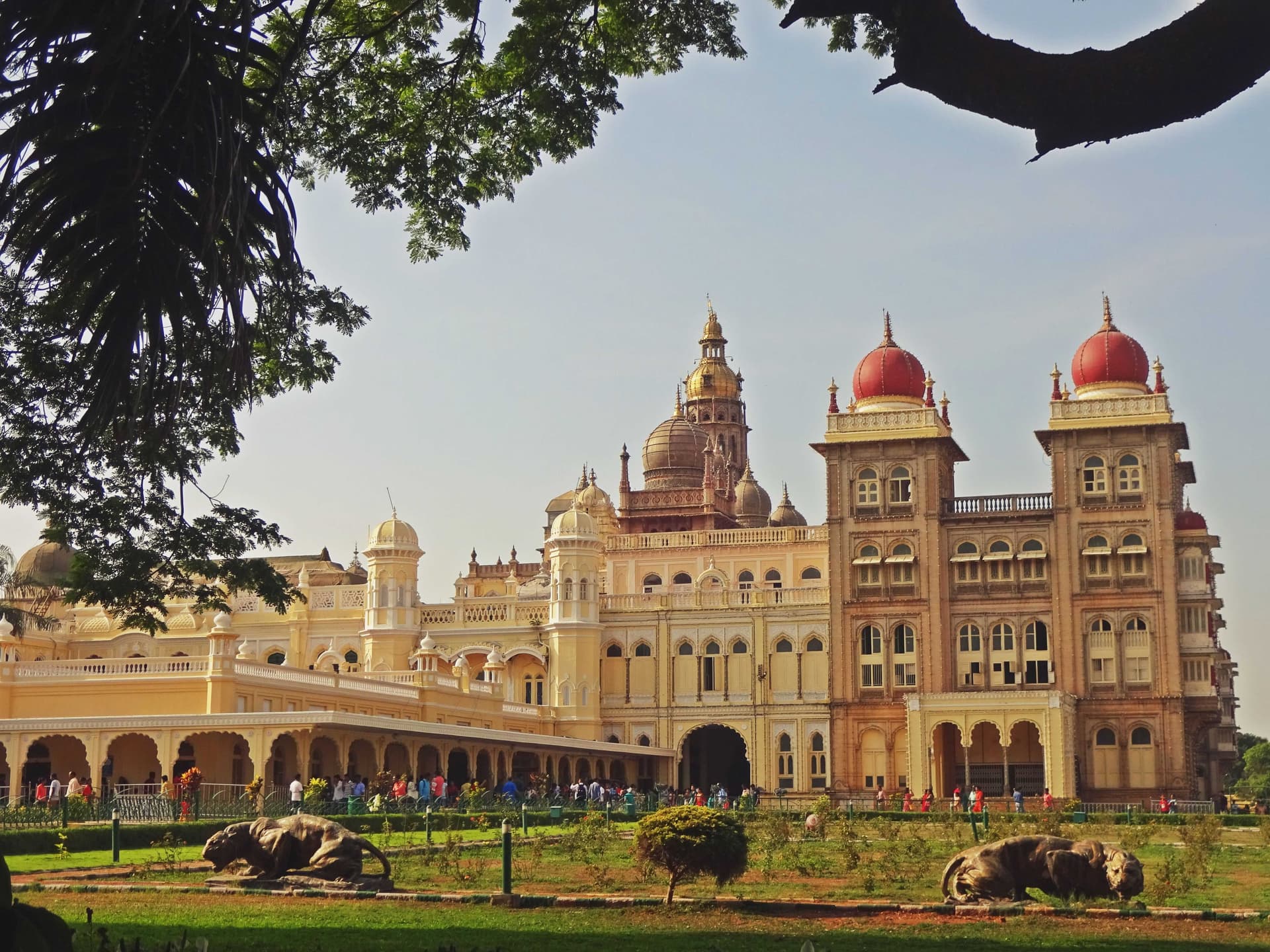
Landing in Mysore sets a gentle pace for South India. Room rates around the central railway station run under Rs 1,200 per night for a clean fan-cooled room, and you can easily eat your fill of butter masala dosa for Rs 60 at Hotel Vinayaka Mylari. Spend your first morning with a Visit Mysore Palace, from USD 15, entering right when the gates open at 10am to beat the school groups. Inside, the brass bangles and painted teak ceilings are worth the ticket, but what most people get wrong is paying extra for guided interior tours when walking the grand courtyards costs nothing extra.
By mid-afternoon, take a short auto-rickshaw ride for a Karanji Lake Boat Ride, from Rs 20, where giant pedal boats skirt past a shaded aviary. If you have energy before dusk, Explore Chamundi Hill by climbing the 1,008 stone steps; it takes roughly an hour, saves you taxi fare, and rewards you with sweeping views across the city plains. In the evening, dodge the tourist traps and head into town for Devaraja Market Exploration, where mountain piles of yellow marigolds and raw kumkum powder fill the aisles. Cap off your stay with a Stroll in Brindavan Gardens, from Rs 50, or wait until Sunday evening to witness the famous Mysore Palace Illumination when 100,000 bulbs light up the sky for forty free minutes.
Getting from Mysore to Hampi: Catch an overnight train from Mysore Junction to Hosapete Junction, which takes roughly nine hours in an AC 3-tier sleeper berth. From Hosapete, local auto-rickshaws or public buses run the final half-hour stretch into Hampi bazaar. Always double-check train booking availability on the official IRCTC portal before planning your travel dates.
Ancient stone ruins along the Tungabhadra River
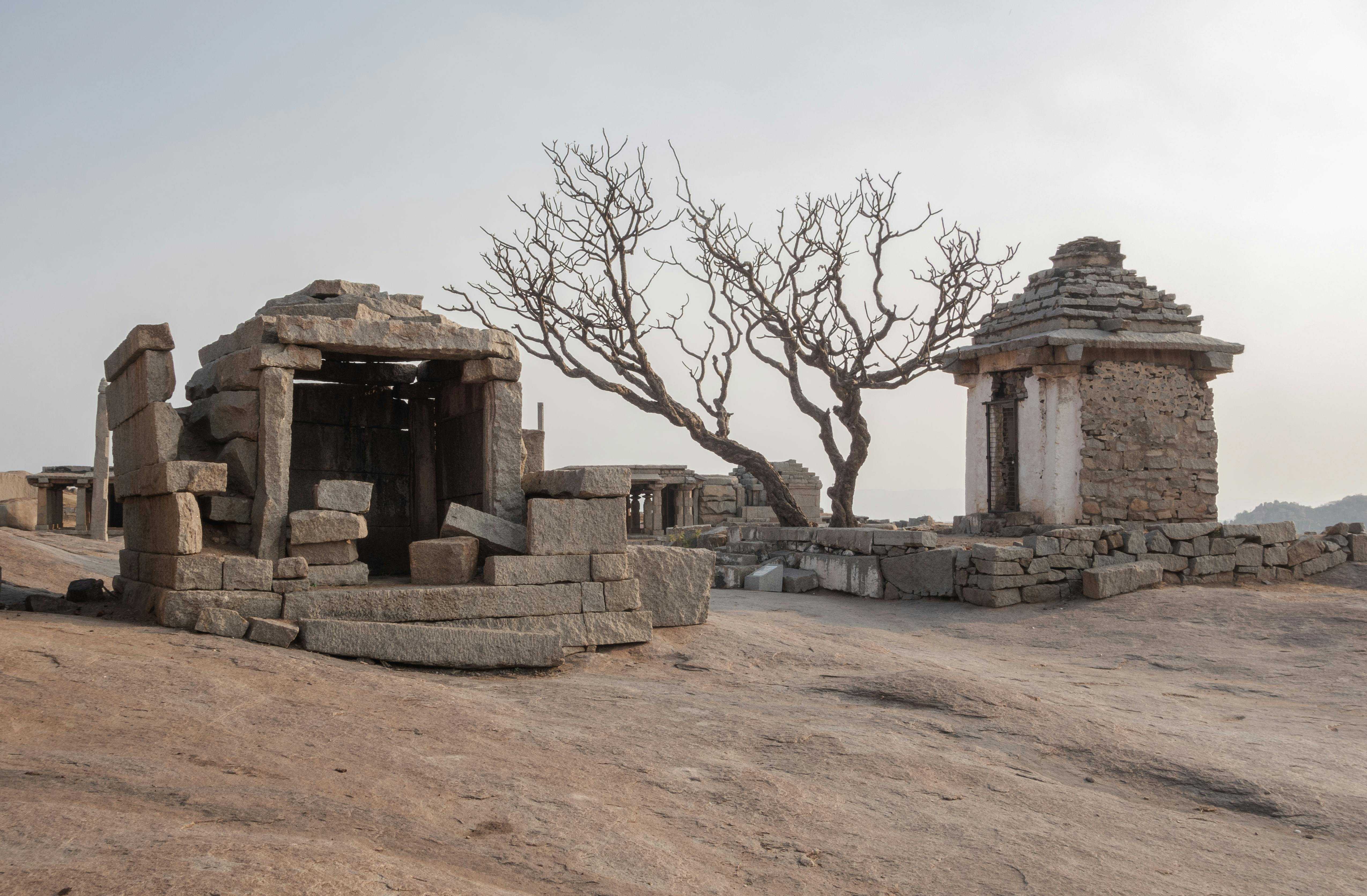
Stepping off the morning bus into Hampi feels like landing on another planet. Giant granite boulders sit stacked across dry valleys, hiding fifteenth-century empire temples. Budget backpackers usually crash in simple brick guesthouses across the river in Anegundi or near the main bazaar for around Rs 700 to Rs 1,000 a night. Start your day early with the Matanga Hill Sunrise Trek; the steep 20-minute scramble is completely free and puts you above the mist right as the morning light turns the boulder fields copper.
Rent a single-speed bicycle for Rs 100 a day to tour the main archaeological zone. Spend your afternoon on a Riverside Ruins Exploration, taking in the Virupaksha Temple Visit, from Rs 50, and the elaborate Vittala Temple Exploration, from Rs 250, where carved stone chariot wheels draw photographers. Walk five minutes further to Explore Achyutaraya Temple, from Rs 200, which sees a fraction of the crowds. Don't miss a quick Queen's Bath Visit, from Rs 20, to cool down under vaulted corridors. End your afternoon with a Sunset Coracle Ride on Tungabhadra River, from Rs 300, floating in circular woven basket boats, followed by quiet Relaxation at Hampi Riverside as night falls.
A common mistake here is staying out in the sun between noon and 3pm. Temperatures regularly top 38°C even in November, and shade is non-existent among the stone complexes. Carry at least three liters of water and bring cash, as village ATMs frequently run out of bills.
Getting from Hampi to Gokarna: Head back to Hosapete to take an overnight sleeper bus or a combination of local trains toward the Konkan Coast, getting off at Gokarna Road station or taking an auto from Ankola. Check current transport schedules and book your bus seats a day or two in advance during peak season.
Cliffside beach tracks and easy coastal living
After the dusty rocks of Hampi, Gokarna offers a quiet seaside antidote without the commercial roar of northern Goa. The main town centers around sacred water tanks, but backpackers head straight for the headlands. Basic thatched beach huts along Kudle Beach cost around Rs 800 per night during the shoulder months of October and March, dropping even lower if you stay off-grid. The best way to orient yourself is the Beach Trekking Adventure, a trail connecting five distinct coves. Start at Main Beach, climb the cliff path over to Kudle, press on to Om Beach, and scramble over rocky outcrops to Half Moon and Paradise Beach in about three hours total.
Spend your middays enjoying simple Beach Time at Kudle Beach or relaxing in low-slung hammocks with Rs 150 fish thalis from local shacks. Late afternoon is ideal for a Gokarna Temple Exploration around the ancient Mahabaleshwar shrine, followed by a Stroll and Shopping at Main Beach Road. If you are hunting for leather sandals or printed cotton trousers, an Ethnic Shopping Experience, from Rs 500, along the market lanes offers better prices than the tourist stalls in Goa. What many travelers get wrong is rushing through Gokarna in a weekend; give yourself three full days to let the slow rhythm of the coast settle in.
Practical budget rules for Karnataka overland travel
Executing an eight-night trip across Mysore, Hampi, and Gokarna on a shoestring comes down to timing and transport choices. A realistic daily budget ranges between Rs 1,500 and Rs 2,200 ($18 to $27 USD), covering basic fan-cooled rooms, sleeper-class train tickets, and three solid regional meals. Eating local Karnataka meals—thalis packed with rice, sambar, rasam, and pickle—keeps food costs under Rs 400 a day while giving you the best flavors in the state.
When booking trains, sign up for an IRCTC account before leaving home. Tatkal quota tickets open 24 hours before train departure (10am for AC classes, 11am for Sleeper), which is often the savior for last-minute backpackers when regular seats sell out weeks ahead. Pack light: quick-drying synthetic shirts, a sturdy water bottle, and clothing that covers shoulders and knees for temple visits. The best months for this route run from October through March, avoiding both the scorching pre-monsoon heat of April and May and the heavy rains that hit the Konkan coast from June to September.
Keep reading
More blogs
Written for real trips, priced from the city you fly out of.