Agra Beyond the Monuments: River Rows, Sanctuaries, and Old Alleys
How to experience the outdoor side of Agra on foot, by boat, and on highway day trips.
Paddling below the red banks at dusk
The best vantage point in Agra is not from a crowded viewing platform inside the main gate. Skip the packed viewing decks mid-morning and head down to the southern banks of the Yamuna River near Dussehra Ghat around 4:30pm. Here, local boatmen run a Sunset Boat Ride on Yamuna River, from Rs 300 per person. The wooden craft are basic, hand-rowed boats, but they place you directly on the water away from the shoulder-to-shoulder crowds on land. The entire paddle takes roughly 45 minutes to an hour.
You need to settle your rate before stepping onto the wooden plank, as unregistered boatmen on the shore will occasionally try to double the price once you reach mid-river. The best month to take to the river is November through February, when the air stays cool and water levels are steady. Avoid coming in July or August during the peak monsoon, when high currents make rowing unsafe and muddy banks become unmanageable. Bring exact cash, wear comfortable slip-on shoes for getting through shallow mud near the bank, and ask to be taken past the northern curve of the riverbank for the clearest light as the sun drops.
Walking with rescued giants along the highway
For an outdoor excursion away from urban noise, hire a driver for the 40-kilometer trip north on the NH19 highway to the Wildlife SOS Elephant and Bear Sanctuary, from Rs 1,500. The drive takes about 60 to 70 minutes from central Agra, depending on traffic along the arterial route out of the city. This sanctuary provides refuge for animals rescued from illegal captivity and street work across India. Entry fees directly fund medical care, facility maintenance, and daily feedings for resident elephants and sloth bears.
Plan to spend at least three hours on site; skipping through on a quick 30-minute stop does not give you enough time to walk the spacious natural enclosures or listen to the caregivers' briefing. Guided walking tours run between 9:00am and 4:00pm daily. The afternoon slot around 2:00pm is ideal because you can observe the elephants during their daily bath and feeding sessions in open paddocks. Summer temperatures in May frequently exceed 42 degrees Celsius, making open-air walking exhausting, so schedule your trip between October and March. Wear sturdy walking boots, as the ground consists of loose earth and rough gravel trails.
Trekking through forgotten sandstone courtyards
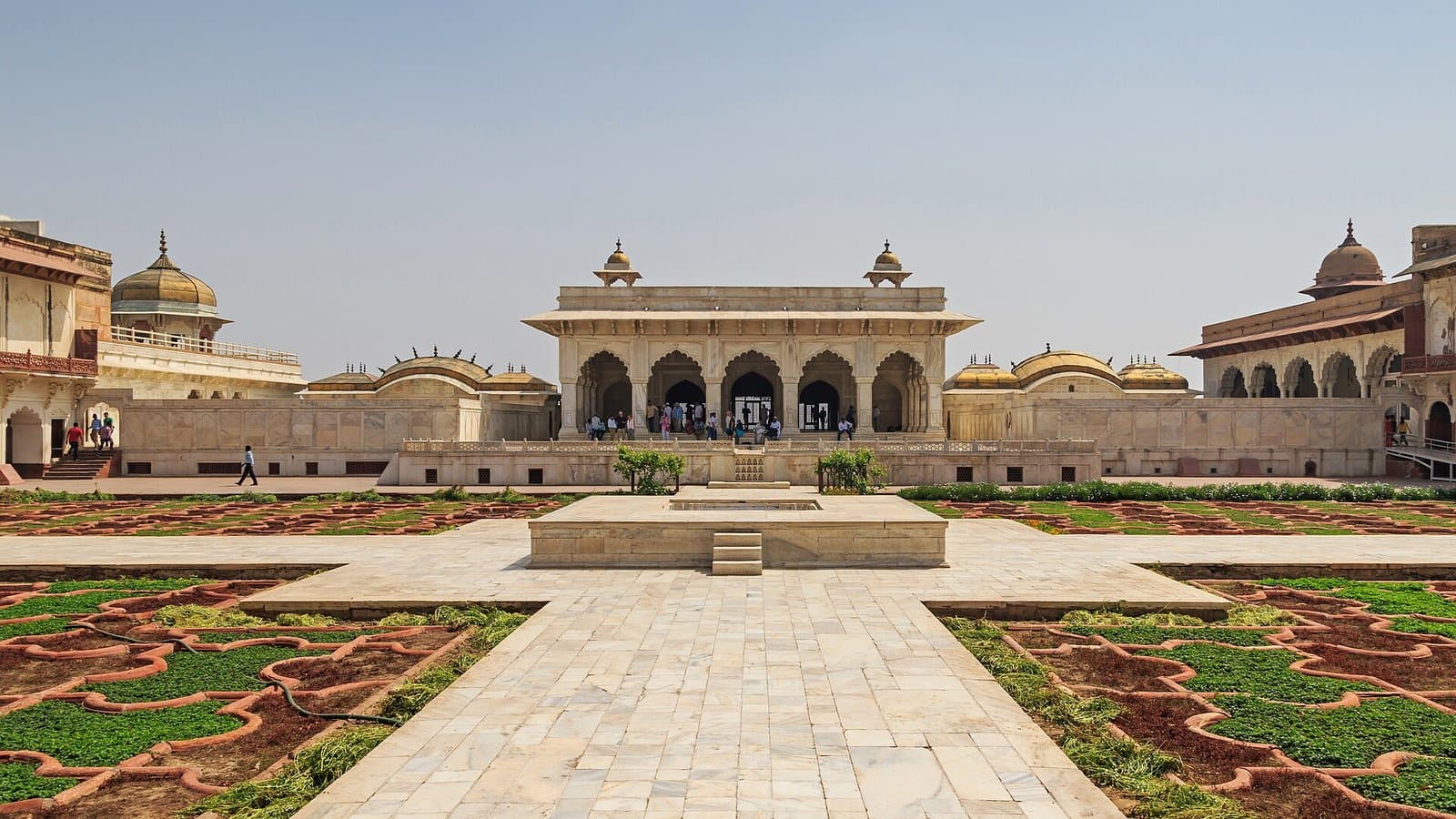
Most visitors spend two hours in Agra and leave, missing the massive outdoor archaeological sites nearby. A 40-kilometer drive west via the SH29 highway brings you to the Fatehpur Sikri Excursion, from Rs 600. A taxi costs around Rs 1,200 round-trip, or you can take a local state bus from Idgah Bus Stand for Rs 40 each way. The abandoned sixteenth-century imperial capital stretches over a dry ridge, featuring colossal courtyards, paved pavilions, and open sandstone terraces that require substantial walking under the sun. Expect to spend at least three to four hours walking the complex.
What most people get wrong is hiring aggressive local guides at the gate who rush you through in 30 minutes. Decline their offers, buy your ticket online to skip entry lines, and explore the lower courtyards on your own. Combine this trip with a Mehtab Bagh Visit, from Rs 300, located across the Yamuna back in Agra proper. This manicured park spans 25 acres directly opposite the main monument complex. Late afternoon between 3:30pm and 6:00pm is the best time to stroll the grassy lawns, as the heat recedes and cool air comes off the river.
Navigating the dense alleys on foot
Agra's old quarter is an intense maze best tackled late in the afternoon when temperatures drop. The Agra Local Food Walking Tour, from Rs 2,000 leads you through the narrow lanes behind the Jama Masjid for three full hours of constant movement. Your guide navigates tight alleys packed with spice vendors, brassware craftsmen, and sizzling street stalls. A key stop along the route includes the Kinari Bazaar Shopping Tour, where you weave past textiles, leather workshops, and traditional zardozi embroidery shops that have operated in these same stone corridors for centuries.
Do not attempt this walk between noon and 3:00pm, especially in April or May when heat gets trapped inside the narrow brick lanes. Start around 4:30pm when vendors open their evening fryers. The walk involves climbing uneven stone steps, dodging handcarts, and navigating crowded footpaths, so wear closed-toe shoes and carry a refillable water bottle. For Rs 2,000, the tour includes tastings of fresh bedai, hot jalebis, and petha straight from copper vats. It is a rigorous, sensory walk that shows how the old city functions on foot away from standard bus tours.
AI-generated impression of Agra: Agra Local Food Walking Tour, as a visitor would see it
Ready-made plans
Start a trip to Agra
Day-by-day plans built on real bookable activities. Copy one and make it yours.