How to navigate deep snow, frozen rivers, and dark skies in Lapland
Traversing Ounasvaara hill and the Arctic line
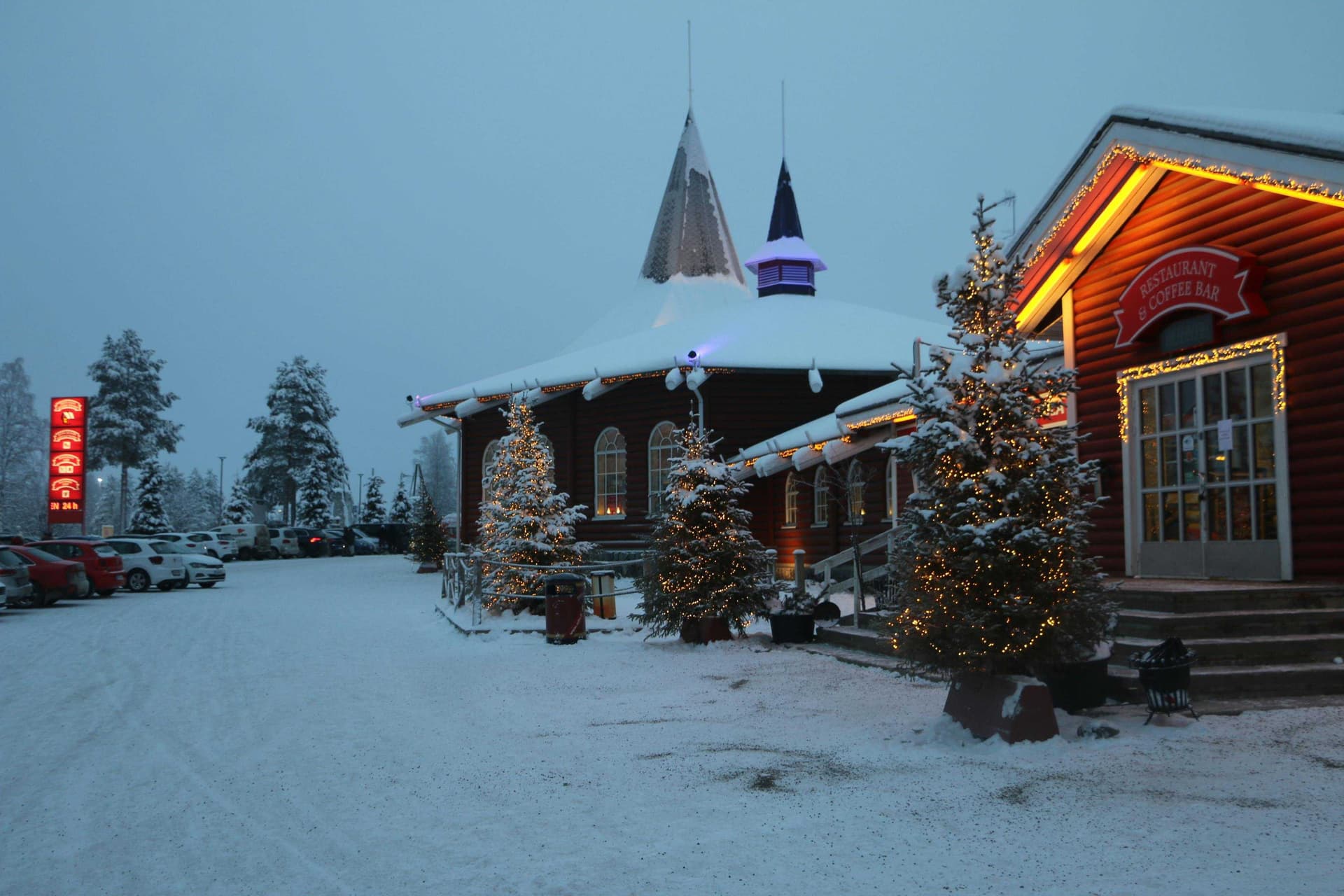
The ground crunches loudly when the thermometer drops to minus fifteen, a dry sound that echoes off the pines. Most people head straight from the airport to Santa Claus Village Visit, which sits right on the Arctic Circle eight kilometers north of the town center. While the official line drawn across the pavement gets busy with tour buses by noon, arriving at 8:30am gives you forty minutes of quiet snow before the gift shops open. You can cross the marked latitude, mail a postcard stamped at the main post office, and then immediately leave the crowds behind by taking the forest paths that trail off behind the site.
From the edge of the complex, marked winter walking trails wind uphill toward the Ounasvaara ridge. You do not need technical climbing gear for this three-kilometer loop, just high-ankle insulated boots and wool socks. The climb takes roughly forty-five minutes, gaining about one hundred meters in elevation through dense spruce stands weighted heavy with snow. At the summit lookout tower, the wind cuts sharp, but the view across the frozen Kemijoki river explains why locals spend their winter lunch breaks up here. Skip the overpriced cafeteria at the hill base and carry a flask of hot berry juice from a local market instead.
AI-generated impression of Rovaniemi: Santa Claus Village Visit, as a visitor would see it
Chasing the aurora beyond the city streetlights
City lights bleed into the northern sky, obscuring the faint green arches that often appear on clear winter nights. To actually see the lights clearly, you need to get at least fifteen kilometers out of town, away from street lamps and hotel headlights. Taking a Northern Lights Hunting Tour, from EUR 85, takes you out into the dark timberlands near Lake Norajärvi where ambient light drops to zero. Guides monitor solar wind data and cloud radar in real time, driving twenty to fifty kilometers depending on where breaks in the overcast layer form.
Expect to stand around on frozen lake ice for two to three hours. The trip typically lasts four hours in total, starting around 8pm and returning near midnight. What most people get wrong is wearing regular ski gear: standing still on three feet of ice drains body heat rapidly. Bring thermal base layers, heavy fleece mid-layers, and snow boots at least one size too large so air can circulate around your toes. If the sky stays cloudy, the hot sausages grilled over an open fire in a wooden laavu shelter still make the cold night worthwhile.
Exploring the town grid and frozen rivers
Rovaniemi was rebuilt after 1945 in the shape of a reindeer's head, designed by architect Alvar Aalto. The town center itself is compact, easy to navigate on foot in twenty minutes from end to end. A Guided Rovaniemi City Tour, from EUR 50, gives a solid two-hour overview of the architecture, including the Arktikum museum and the Lumberjack's Candle Bridge. It saves you from wandering aimlessly in sub-zero wind when you are still adjusting to the local temperatures.
During mid-winter, from late December through February, the Kemijoki and Ounasjoki rivers freeze solid, turning into wide public highways for cross-country skiers and fat-tire bikers. Renting a winter fatbike for three hours costs about thirty-five euros near the city center. Riding across two meters of river ice under twilight at noon provides a perspective on Finnish Lapland that you never get from inside a tour bus. Stick strictly to packed, marked tracks across the ice, as currents near bridge pilings can thin the cover unexpectedly.
Navigating gear choices and seasonal timing
Timing determines everything in Finnish Lapland. January brings deep winter and polar night, where the sun barely skims the horizon for two hours around noon, bathing the landscape in a deep pastel blue light. If you want maximum daylight for snowshoeing or long backcountry treks, plan your trip for late February or March. Temperatures during March hover around minus five to minus ten degrees Celsius, and you gain nearly twelve hours of daylight while keeping deep snow pack across all forest routes.
Direct flights arrive at Rovaniemi Airport from several European hubs between November and March, or you can take the overnight train from Helsinki, which takes around twelve hours and drops you right downtown. Do not rent a car unless you have experience driving on compact snow and black ice in pitch darkness. Local electric buses connect the airport, center, and key outdoor trailheads for under four euros a ride. Renting outer winter clothing in town for thirty euros a day is far smarter than buying heavy arctic parkas you will never wear back home.
Keep reading
More blogs
Written for real trips, priced from the city you fly out of.